There’s a certain kind of stillness in some 70s European cinema, a heavy quiet that presses down long before anything truly transpires on screen. José Ramón Larraz was a master of this suffocating calm, and his 1978 film The Coming of Sin (originally La Visita del Vicio, translating ominously as 'The Visit of Vice') plunges you headfirst into it. It’s a film that doesn’t announce its intentions with a bang, but with a whisper that curls around you, thick with unspoken desires and the scent of decay. Watching it feels like peering through a dusty window into a private world where passions fester in isolation.

Sanctuary or Trap?
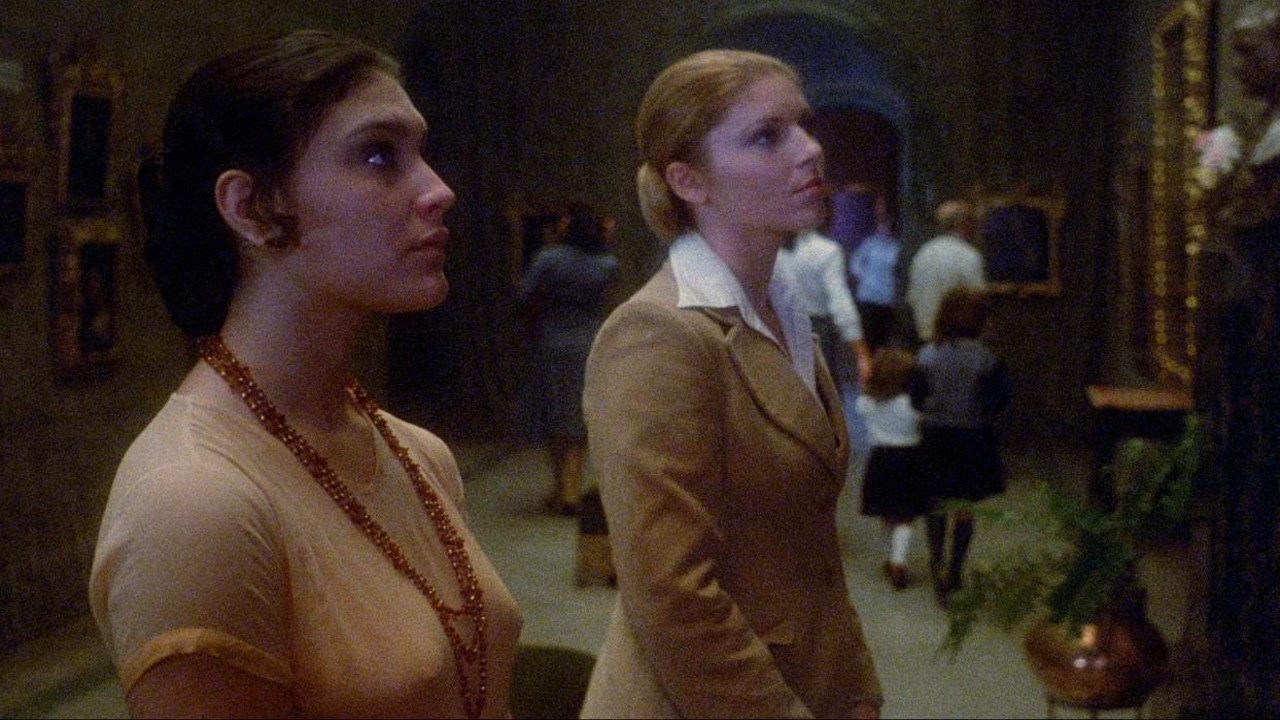
Young Lorna (Lidia Zotela) flees… something vague, something oppressive in her past life. She stumbles, almost fairy-tale like, into a secluded, slightly dilapidated manor nestled deep in the countryside. Here, she finds improbable sanctuary with an older, enigmatic couple: the stern, watchful Triana (Montserrat Julió) and her younger, more sensuous lover, Carla (Sonia Wilde - often uncredited or sources vary, highlighting the sometimes hazy documentation of exploitation cinema). The air immediately thickens upon Lorna's arrival. Larraz, true to form, doesn't rush the setup. He lets the profound isolation of the setting seep into the very fabric of the film. The silence is vast, punctuated only by loaded glances, the rustle of leaves outside, or the creak of floorboards under hesitant steps. You feel the distance from the world, and the tension ratchets up quietly, insistently.
A Hothouse of Unspoken Things
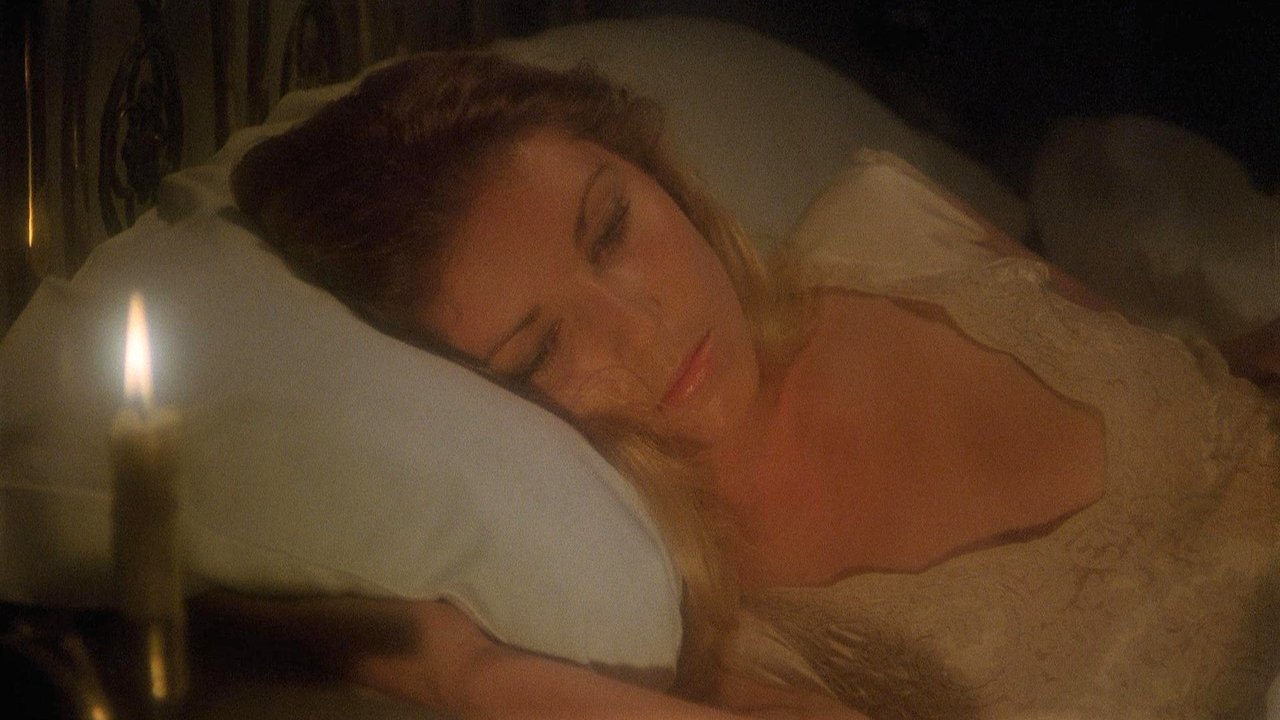
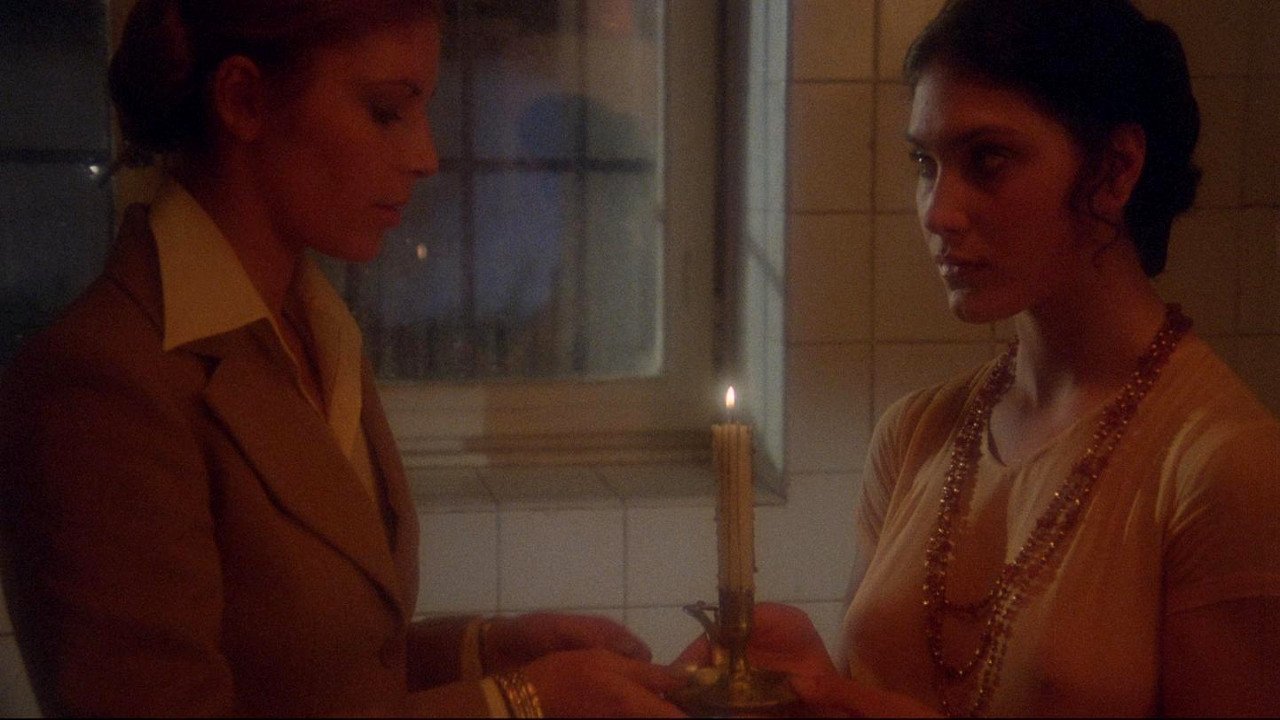
What unfolds within these walls is less a conventional plot and more a slow-motion study of psychosexual dynamics boiling over. The Coming of Sin isn't about shocking twists; it's about the oppressive atmosphere generated when three lonely souls are trapped together, their frustrations and attractions intertwining dangerously. The house itself becomes a crucial element, its shadows, textures, and decaying elegance mirroring the complex, often ugly emotions of its inhabitants. Lidia Zotela’s Lorna acts as the catalyst – a figure embodying a potent mix of perceived innocence and unintentional provocation. Her presence fundamentally destabilizes the hermetically sealed world Triana and Carla have built. As a viewer, you become an uncomfortable voyeur, watching power dynamics shift, jealousies flare, and repressed desires surface with unnerving intensity. Does Lorna even understand the forces she's unleashing? The film leaves you guessing.
The Larraz Gaze
Fans familiar with José Ramón Larraz’s other notable works, like the hauntingly atmospheric lesbian vampire mood piece Vampyres (1974) or the deeply unsettling, ambiguity-laden Symptoms (1974 – a film notoriously lost for decades before resurfacing), will recognize his distinct signature here. The Coming of Sin showcases his penchant for long, lingering takes, a camera that often feels voyeuristic, observing moments with an unnerving intimacy, sometimes holding a shot just a beat longer than comfortable. Dialogue is often sparse; Larraz prefers to communicate through visuals, through the oppressive stillness and the charged interactions between his characters. This is cinema that demands patience, rewarding the attentive viewer with a slowly creeping dread rather than easy jump scares. The unease builds not from overt threats, but from the psychological friction and the sheer weight of unspoken history within the house.
Secrets from the Celluloid Cellar
Larraz was known for his guerrilla filmmaking spirit, often working under tight budgets and schedules across Europe, particularly in Spain where The Coming of Sin was shot. Yet, even with constraints, he consistently managed to imbue his films with a palpable mood and a unique visual poetry. This film perfectly captures that specific 70s European aesthetic – a hazy, soft-focus visual style, often drenched in natural light, that feels simultaneously dreamlike and slightly grimy, almost humid. It’s a look that practically defined a certain strand of moody Euro-horror and exploitation cinema.
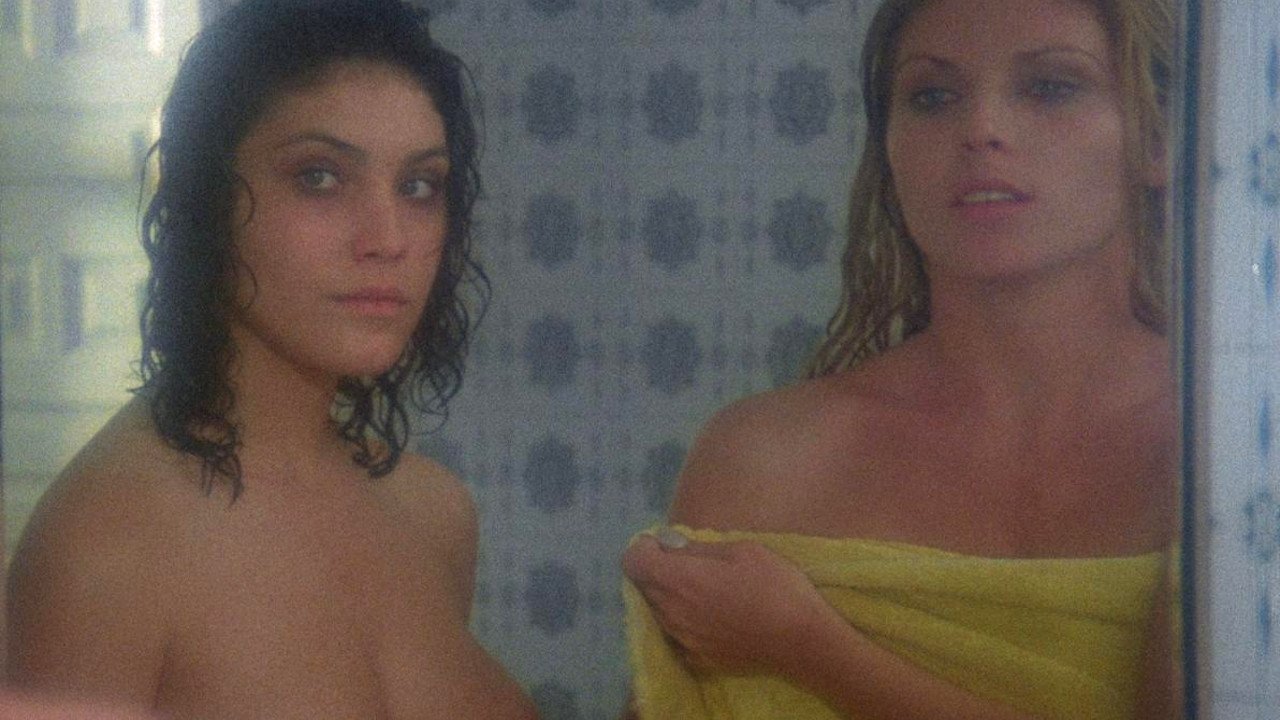
Films like The Coming of Sin existed in a fascinating grey area, blending arthouse sensibilities (the pacing, the psychological focus) with the explicit content demanded by the grindhouse and exploitation circuits of the time. Its frank depiction of lesbian relationships and simmering sexuality undoubtedly presented challenges for censors and distributors in various countries. Discovering a copy of this on a dusty VHS shelf back in the 80s felt like unearthing something clandestine, a world away from the slickly marketed blockbusters. It was the kind of tape you might rent with a slight thrill of transgression, unsure exactly what you were getting into but drawn by the evocative cover art and the promise of something... different.
Does the Atmosphere Linger?
Decades later, does The Coming of Sin still cast its spell? For those attuned to atmosphere-driven, slow-burn psychological thrillers, absolutely. Its deliberate, almost meditative pacing might test the patience of viewers accustomed to more rapid-fire editing, but it's precisely this unhurried approach that allows the film's oppressive mood to fully saturate the experience. Watching it now strongly evokes that specific feeling of late-night VHS discovery – the slightly muted colours of the tape transfer, the hum of the VCR, the sense of watching something intimate and vaguely forbidden. It’s a potent reminder of a time when European genre filmmakers dared to explore psychological depths and uncomfortable themes that mainstream cinema often shied away from. Its ambiguity, particularly regarding character motivations and the film's ultimate meaning, remains one of its most intriguing, if potentially frustrating, aspects.
***
VHS Heaven Rating: 6/10
Justification: The Coming of Sin earns points for its masterful atmosphere, Larraz's distinctive directorial eye, and its effective portrayal of claustrophobic tension and psychosexual unease. It perfectly captures a specific niche of 70s European exploitation/arthouse filmmaking. However, its extremely slow pacing and deliberately ambiguous narrative will not resonate with everyone, and some elements feel undeniably dated. It’s more a mood piece than a tightly plotted thriller.
Final Reel: A hypnotic, if demanding, slice of 70s Euro-sleaze from a cult director operating at his moody best. The Coming of Sin isn't for the impatient, but for those who appreciate atmosphere as much as plot, it offers a deeply unsettling and strangely beautiful descent into isolation and repressed desire – a true artefact of its time.