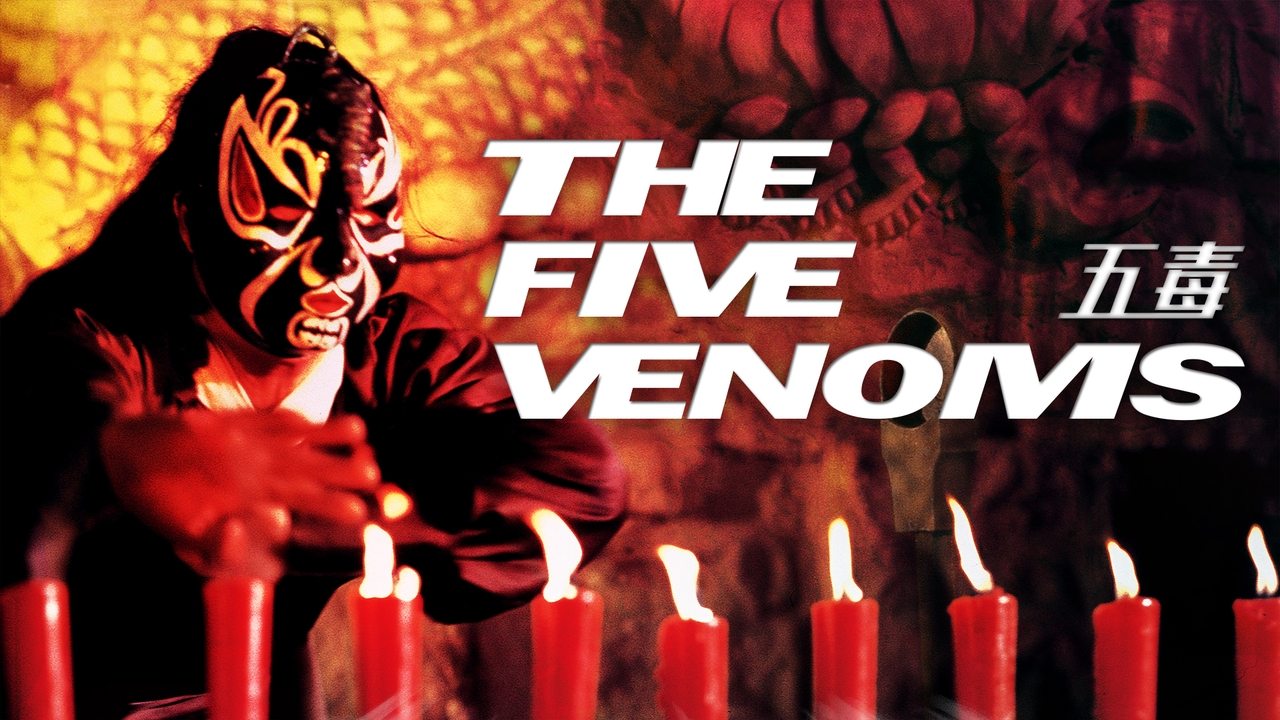
Alright, settle in and adjust the tracking, because we're diving deep into a Shaw Brothers masterpiece that practically glowed on the video store shelf: Chang Cheh's unforgettable 1978 martial arts mystery, The Five Venoms (or Wu Du, if you snagged a particularly authentic tape). Forget your slick, wire-fu ballets for a moment; this is the gritty, weird, and utterly compelling stuff that defined late-night viewing for a generation.
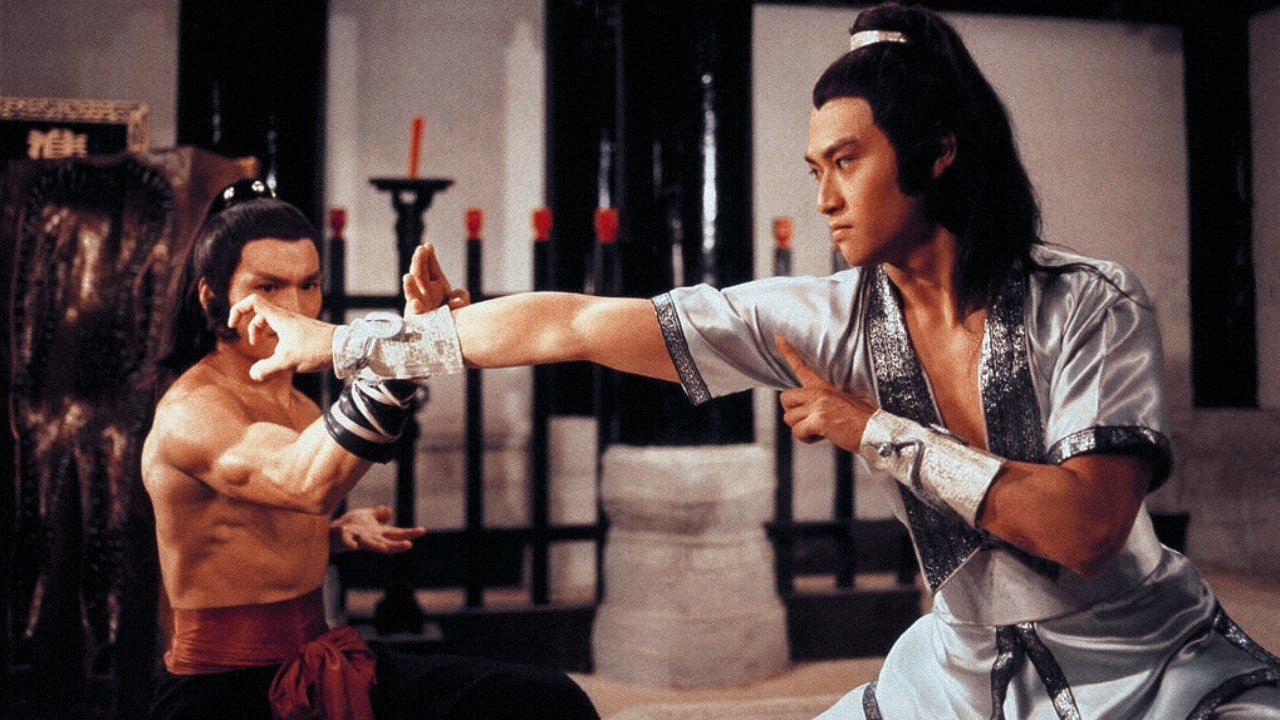
The opening hits you immediately: a dying master of the notorious Poison Clan tasks his final student, the earnest Yan Tieh (Chiang Sheng), with a dangerous mission. Find the master's previous five pupils, each trained in a deadly style mimicking a venomous creature – Centipede, Snake, Scorpion, Lizard, and Toad – and determine if they're using their lethal skills for good or ill. The catch? Yan Tieh only knows their styles, not their faces or current identities. It’s a killer premise, part detective story, part wuxia epic, drenched in that unique Shaw Brothers studio atmosphere.
### Enter the Poison Clan
What makes The Five Venoms lodge itself so firmly in your memory are those titular villains (or are they anti-heroes?). Each fighter has such a visually distinct and conceptually cool style. You’ve got the lightning-fast strikes of Centipede (Lu Feng), the deadly finger jabs and slithering grace of Snake (Wei Pai), the hidden kicks and cunning of Scorpion (whose identity is a key plot point!), the wall-climbing agility and strength of Lizard (Sun Chien), and the seemingly impenetrable defence of Toad (Lo Mang). Seeing these styles brought to life by the incredible performers, who would become known collectively as the "Venom Mob," is pure kung fu bliss.
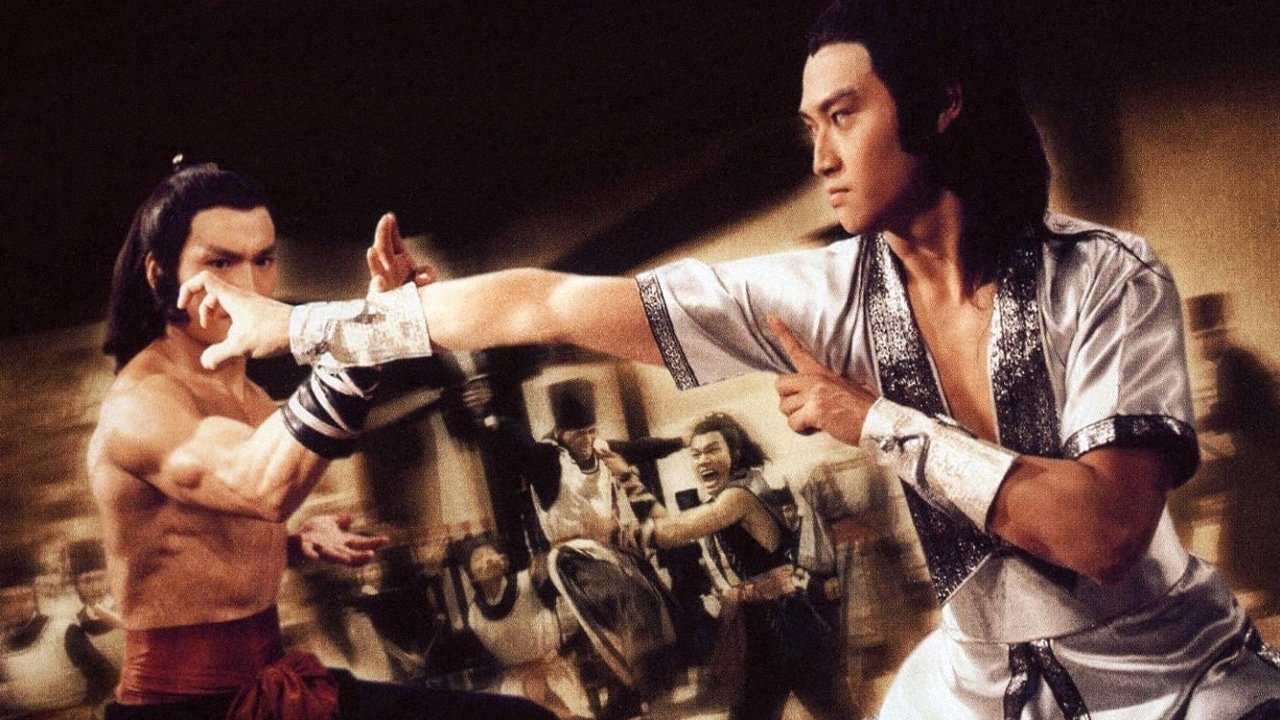
These weren't just random actors; many, including Chiang Sheng, Philip Kwok (who plays a key supporting role and helped choreograph), Lu Feng, and others, were trained acrobats and martial artists, often products of the same Peking Opera schools. This shared background gave their interactions and fight scenes an incredible chemistry and precision. Retro Fun Fact: Director Chang Cheh, a legend known for films like One-Armed Swordsman (1967), specifically handpicked these performers and cultivated their unique on-screen personas, essentially creating the Venom Mob phenomenon with this film.
### Old-School Impact
Let’s talk action. Forget CGI weightlessness. The fights in The Five Venoms have heft. When someone gets hit, you feel it. The choreography, often overseen by the stars themselves like Philip Kwok (who'd later bring his skills to John Woo's Hard Boiled), is intricate and brutal. Remember Toad style's "iron skin" defence? The training sequences showing Lo Mang conditioning his body looked genuinely painful, relying on pure physical performance to sell the near-invulnerability. And the speed of Centipede's attacks, achieved through undercranking the camera and sheer performer skill, felt absolutely lethal back on a fuzzy CRT.
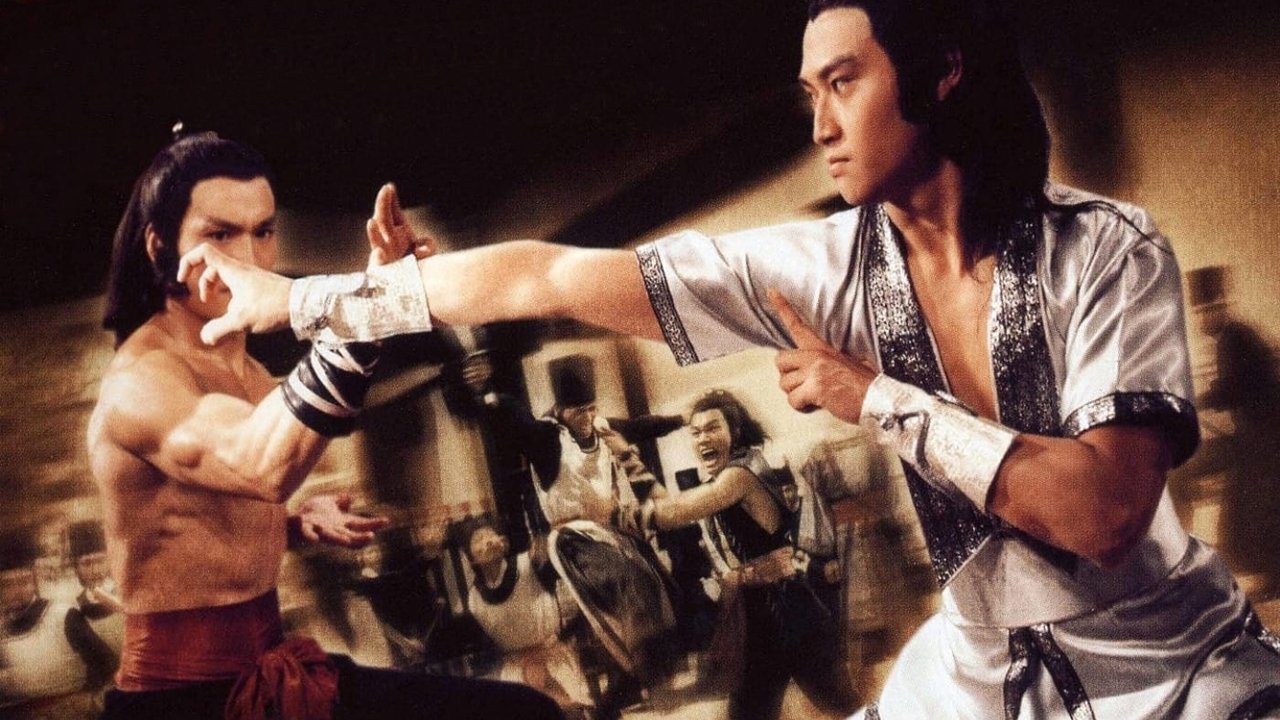
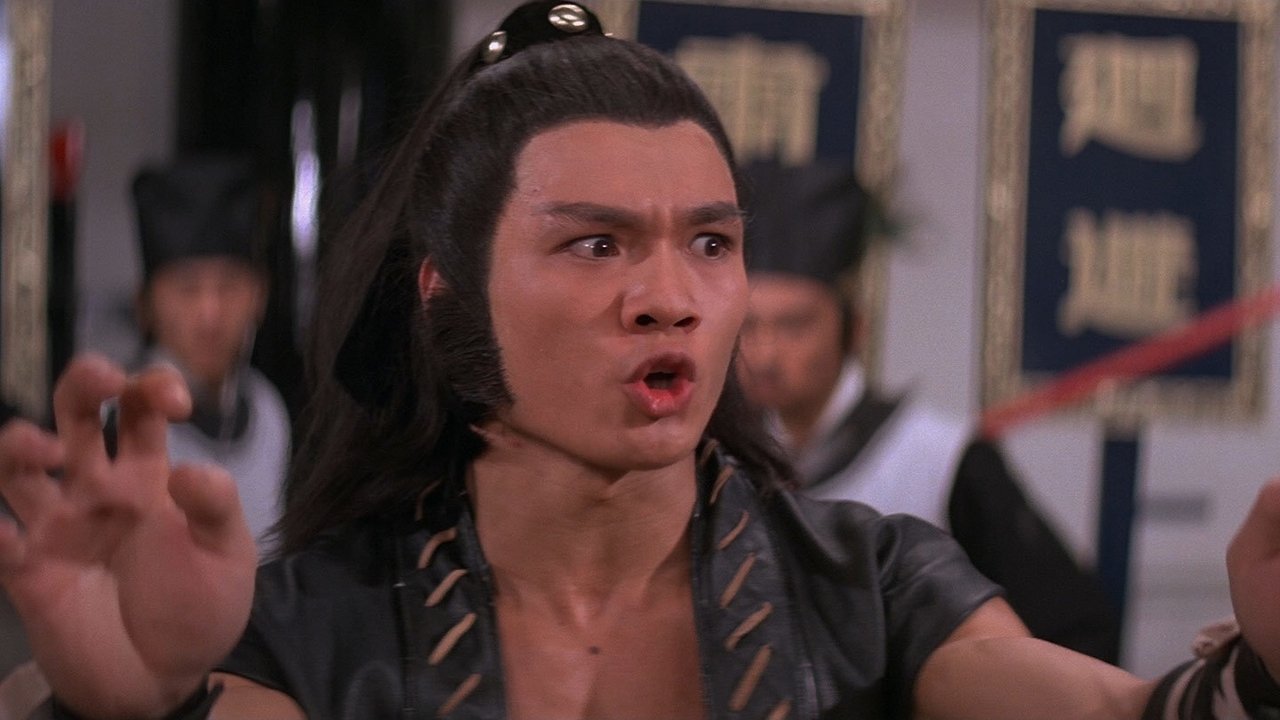
The practical effects are pure 70s Shaw Brothers charm. Sure, the wirework used for Lizard's wall-scaling might seem a bit obvious now, but back then? It was magic! It allowed for movements that felt superhuman yet grounded in the performers' physicality. Another Retro Fun Fact: Shaw Brothers Studio ran like a well-oiled machine. Films like The Five Venoms were shot almost entirely on their massive backlots and detailed soundstages in Hong Kong, contributing to that instantly recognizable, slightly artificial, yet wonderfully immersive visual style. They cranked these movies out, but the level of craft in the costumes, sets, and especially the action, was consistently high, even on relatively modest budgets for the time.
### More Than Just Kicks
While the action is the main draw, the film's mystery structure gives it an edge over simpler bash-em-ups. Yan Tieh’s investigation, trying to piece together who’s who and who’s trustworthy, adds a layer of intrigue and paranoia. The plot twists and betrayals keep you guessing, leading to a climax that’s both satisfying and typically bloody for a Chang Cheh picture – the man wasn't afraid of intense violence and themes of brotherhood and betrayal. The supporting cast is solid, filling out the world with corrupt officials and scheming clansmen, all part of the intricate web Yan Tieh must navigate.
The film wasn't necessarily a massive critical darling in the West upon initial release (often relegated to grindhouse theaters or dubbed VHS obscurity), but its influence is undeniable. It became a massive cult classic, especially through home video rentals and late-night TV broadcasts. Its unique concept and iconic characters resonated deeply, influencing everything from hip-hop (the Wu-Tang Clan famously sampled martial arts flicks, with Venoms being a key inspiration) to countless other action films and video games. My own tape copy was watched so many times the magnetic strip probably wore thin!
***
Rating: 9/10
Why the high score? The Five Venoms is simply iconic Shaw Brothers. It perfectly blends a compelling mystery with unique, brilliantly executed martial arts concepts. The performers are the special effects, showcasing incredible physical skill and distinct character work. Yes, some elements are dated by today's standards, and the Shaw Brothers studio look is its own specific flavour, but the raw energy, inventive choreography, and sheer cool factor of the five styles remain undiminished. It justifies its rating through sheer foundational brilliance and enduring cult appeal.
Final Word: Forget polish; The Five Venoms delivers pure, unadulterated, 70s kung fu weirdness and raw power – a potent dose of Poison Clan magic that still kicks hard today. A cornerstone of the genre and essential viewing for any retro action fan.