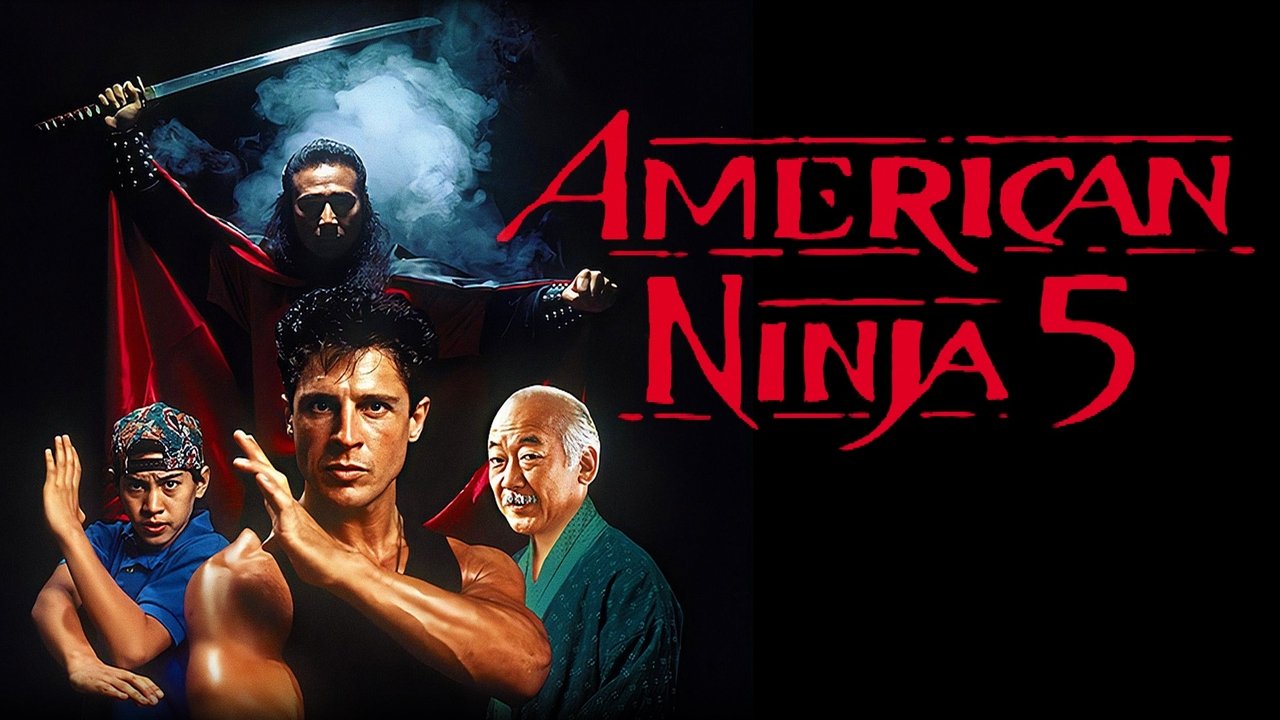
Alright, fellow tapeheads, let’s rewind to the glorious twilight years of the video store ninja boom. Picture this: you’re scanning those towering shelves, the smell of plastic cases and slightly worn carpet in the air. You’ve devoured the earlier American Ninja flicks, maybe even rented Part 4: The Annihilation a few times. Then your eyes land on it – American Ninja 5. The familiar font, a promise of more slicing, dicing, and improbable backflips. You grab the chunky VHS, maybe notice Michael Dudikoff is still missing, but hey, David Bradley’s back! Let’s pop this tape in.
### Not Quite the Ninja You Ordered?
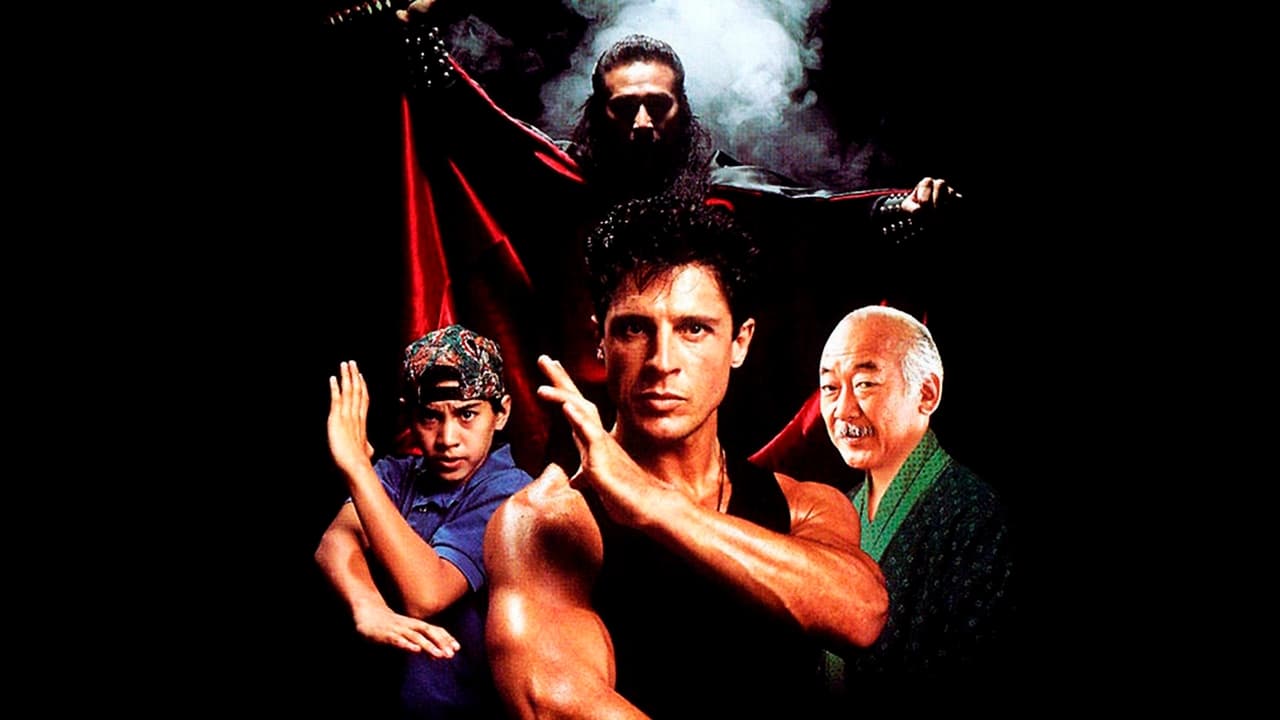
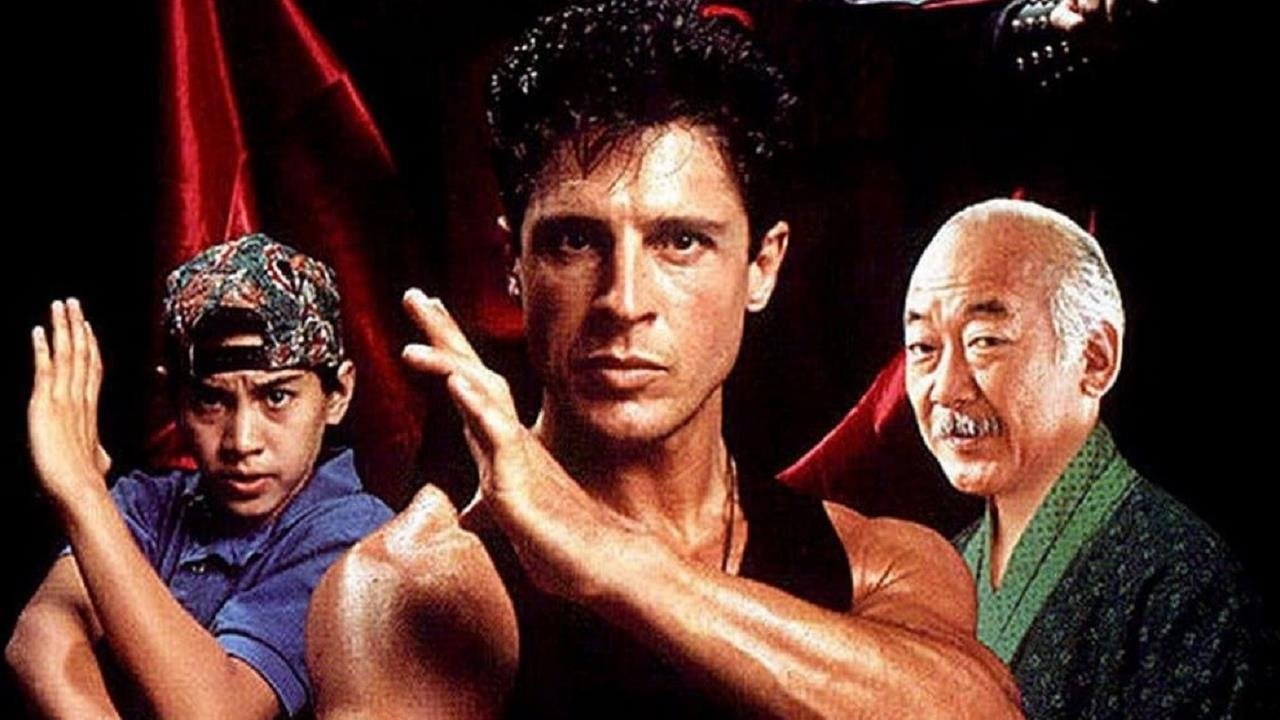
First things first, a little peek behind the curtain, a classic slice of B-movie magic: American Ninja 5 wasn't even supposed to be an American Ninja film. It was originally shot under the title American Dragons! It seems the producers, likely sensing the waning power of the franchise but still wanting that name recognition, slapped the familiar title on late in the game. This kind of rebranding was pure video store gold back then, a slightly cheeky way to lure us fans in. Knowing this adds a certain charm to the proceedings, doesn't it? It explains why the plot feels a bit disconnected from the previous installments, focusing on Joe Kastle (David Bradley) protecting a young martial arts prodigy, Hiro (Lee Reyes), from nefarious forces.
Our hero, Joe, is presented here less as the established Sean Davidson from parts 3 and 4 and more as a standalone character, maybe suffering from a convenient bout of amnesia, maybe just… there. David Bradley, with his impressive physique and earnest, stoic presence, carries the mantle adequately. He has a certain grounded quality, even when dispatching waves of colour-coordinated ninjas. But the real spark often comes from Lee Reyes. As Hiro, the kid Joe reluctantly takes under his wing, Reyes brings an undeniable screen presence and some flashy moves. And why not? He’s the son of martial arts legend Ernie Reyes Sr. and brother of Ernie Reyes Jr. (you know, Keno from Teenage Mutant Ninja Turtles II: The Secret of the Ooze!). That pedigree shows in his energetic, high-kicking performance.
### Gritty Kicks and Practical Tricks
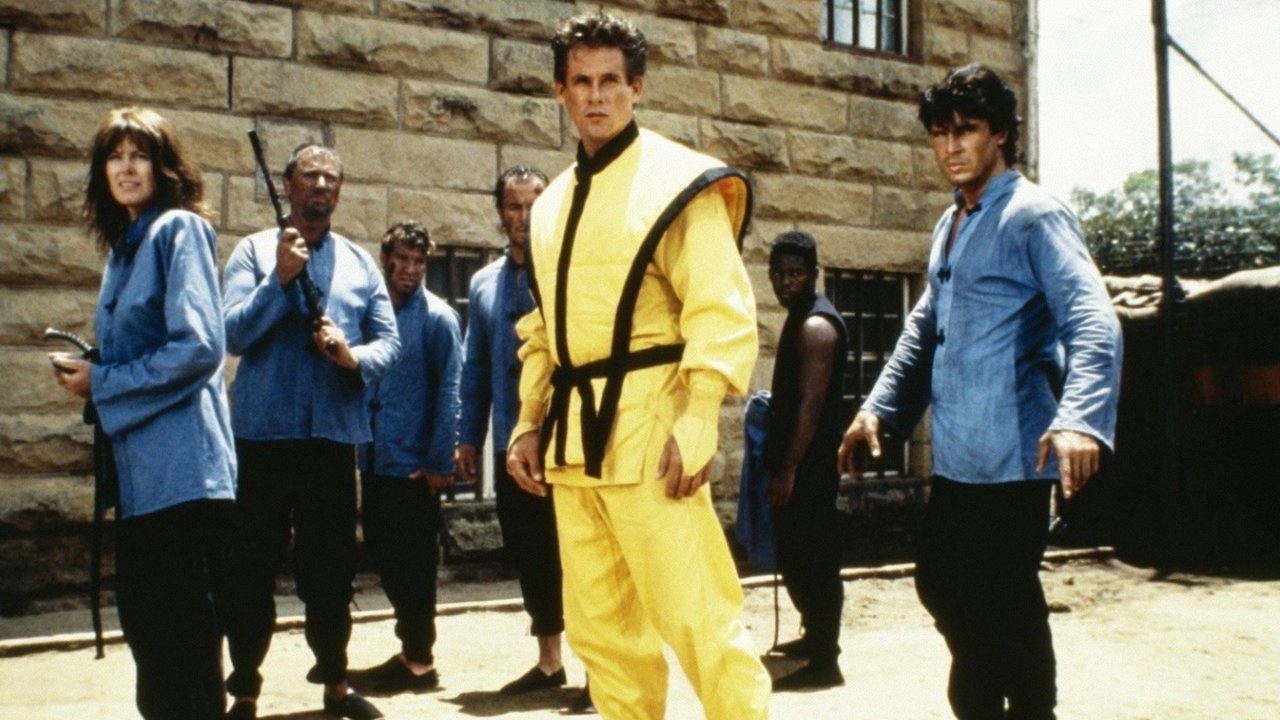
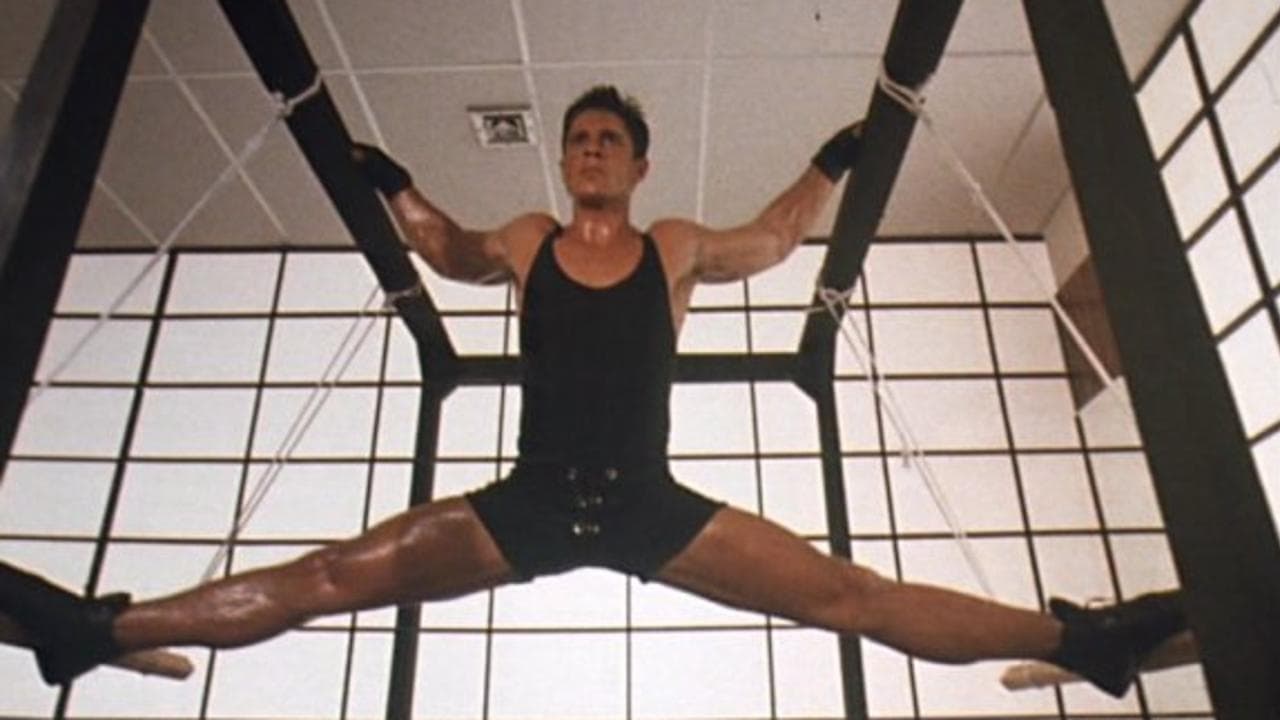
Let's talk action, because that's why we rented these tapes, right? Forget the slick, wire-assisted, CGI-heavy ballets of today for a moment. This is 1993 direct-to-video territory, and the action feels… well, physical. When someone gets kicked, it looks like it hurts. When someone falls, they hit the ground with a thud. The director, Bob Bralver, came from a stunt background, having worked as a stunt coordinator and second unit director on huge films like The Blues Brothers and Lethal Weapon 2. You can see that focus here – the choreography isn't always revolutionary, but it emphasizes impact and practical execution.
Remember those scenes where ninjas would just appear out of smoke bombs, or scale walls with seemingly little effort? American Ninja 5 delivers that kind of straightforward, no-frills ninja action. The fights are numerous, featuring Bradley’s more grounded power moves contrasting with Reyes’s more acrobatic flair. There might be the occasional awkward edit or a stunt that looks a little too staged by today’s standards, but there’s an undeniable charm to seeing real performers doing the work. You feel the effort, the tangible risk involved in pulling off even the simpler gags before digital safety nets became the norm. Was it the peak of the franchise's action? Probably not. But did it deliver those satisfying thwacks and high kicks we craved on a Friday night? Absolutely.
### That Early 90s Video Store Vibe
Beyond the fights, American Ninja 5 is drenched in that specific early 90s aesthetic. The slightly oversized clothing, the earnest dialogue that sometimes borders on cheesy, the synth-heavy score trying its best to sound epic on a budget – it’s all here. Filmed partly in Los Angeles and, interestingly, Rome, it has a slightly different visual flavour than some of the earlier entries often shot in South Africa or the Philippines, but it still retains that essential direct-to-video feel. The villains are suitably one-dimensional, motivated by kidnapping Hiro to leverage his scientist father (played by Pat Morita in a somewhat surprising cameo!), and Anne Dupont provides the requisite female lead caught up in the chaos.
It’s easy to nitpick the plot holes or the sometimes wooden acting, but that’s almost missing the point. This wasn't aiming for an Oscar; it was aiming to entertain teenagers and action fans browsing the New Releases wall. It represents the tail end of an era, the final gasp of the Golan-Globus inspired ninja craze that Cannon Films had popularized. Cannon itself was struggling financially by this point (filing for bankruptcy protection the same year this film was released), and this film feels like an echo of that boom – less polished, perhaps, but still carrying the DNA.
---
Rating: 4/10
Justification: American Ninja 5 is undeniably a step down from the franchise's earlier, more energetic entries. The retitling gimmick, Bradley's slightly detached hero, and a fairly generic plot keep it from being a hidden gem. However, Lee Reyes injects some welcome energy, the practical stunt work has its nostalgic charm, and David Bradley is a capable B-movie lead. It delivers enough straightforward martial arts action and 90s flavour to be a moderately entertaining watch for dedicated fans of the era or franchise completists. It’s comfort food cinema from the video store days – not gourmet, but sometimes it hits the spot.
Final Thought: It might not be the sharpest shuriken in the franchise's arsenal, but American Ninja 5 is a perfect slice of early 90s direct-to-video reality – a movie made for the shelf, enjoyed on a fuzzy CRT, and remembered with affectionate amusement. A curious, slightly awkward, but undeniably physical end to a ninja era.