There's a particular kind of weariness that clings to certain films from the late 70s, a thick residue of cynicism left over from a turbulent decade. It’s not just world-weariness; it's soul-weariness. Few films capture this feeling with the same raw, sun-bleached intensity as Karel Reisz's 1978 thriller, Who'll Stop the Rain. Watching it again now, decades after first encountering it on a grainy VHS tape rented from some long-gone local store, that feeling hasn’t faded. If anything, it resonates with a deeper, more unsettling clarity.

Originally slated to carry the same title as Robert Stone's National Book Award-winning novel upon which it's based, Dog Soldiers, the studio opted for a name-change, perhaps seeking a hook via the iconic Creedence Clearwater Revival track. While the song isn't literally about the Vietnam War, its melancholic, questioning tone perfectly mirrors the film's exploration of fractured lives returning from conflict only to find a different kind of war waiting at home.
Sun-Drenched Nightmare
The setup is deceptively simple, yet fraught with the desperate energy of the time. War correspondent John Converse (Michael Moriarty), numbed and disillusioned by his experiences in Vietnam, cooks up a scheme to smuggle a significant amount of heroin back to the States. He ropes in his Marine buddy, Ray Hicks (Nick Nolte), a man seemingly built of pure instinct and coiled tension, to handle the physical transport. Waiting back in California is Converse's wife, Marge (Tuesday Weld), swept into the dangerous currents when the deal inevitably sours, pursued by corrupt federal agents embodied with chilling menace by Anthony Zerbe and his thuggish associates.
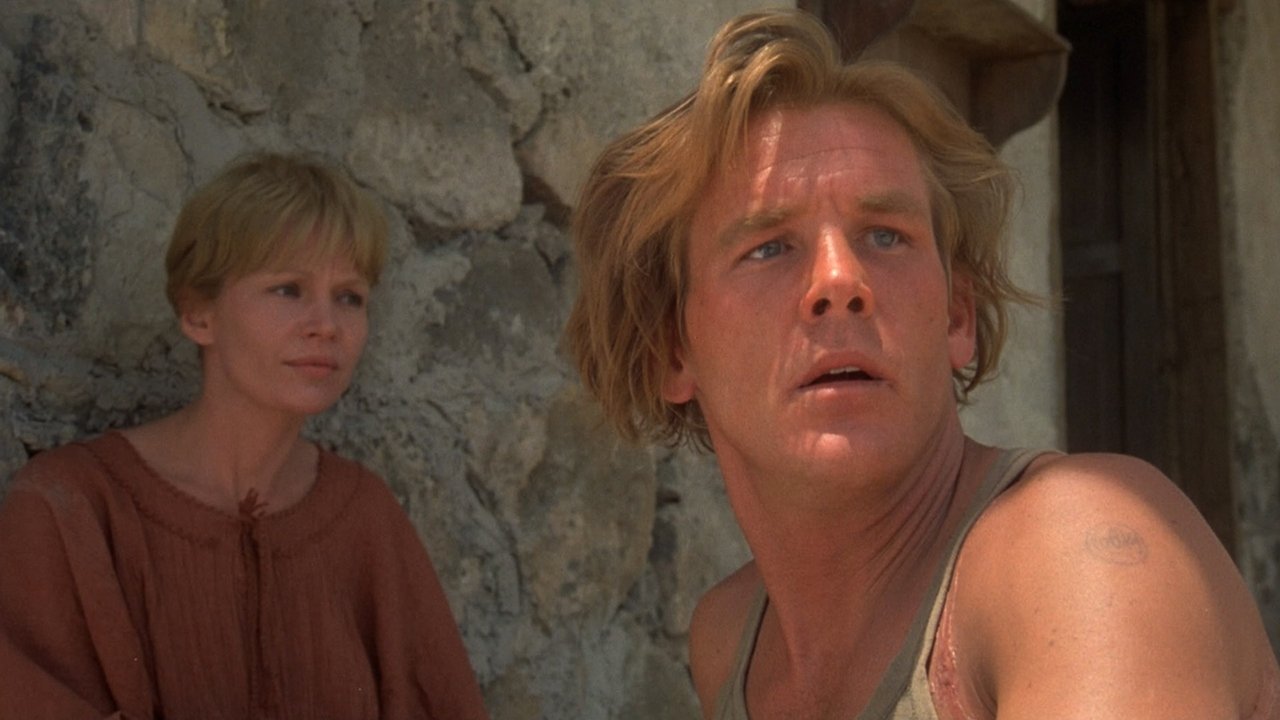
What unfolds isn't just a chase film; it's a journey into the moral wasteland of post-Vietnam America. Reisz, a director perhaps better known for the more stately The French Lieutenant's Woman (1981), brings a stark, unvarnished realism to the proceedings. The sun always seems to be beating down – on the dusty roads, the cheap motels, the isolated desert hideouts – but there’s no warmth, only exposure. The landscape, beautifully shot by cinematographer Richard H. Kline (who also lensed King Kong '76 and Star Trek: The Motion Picture), feels vast and unforgiving, mirroring the characters' internal desolation. Much of the filming took place in Mexico, standing in effectively, if grimly, for the Southeast Asian locales in the opening sequences.
A Trio on the Brink
The film rests heavily on the shoulders of its central trio, and their performances are nothing short of phenomenal, capturing distinct facets of disillusionment. Michael Moriarty, often playing intellectuals teetering on the edge, perfectly embodies Converse's detached amorality, the writer who observes horrors but feels increasingly disconnected from their human cost, until the consequences land squarely in his lap. His initial calm slowly cracks, revealing a desperate weakness beneath the intellectual veneer.
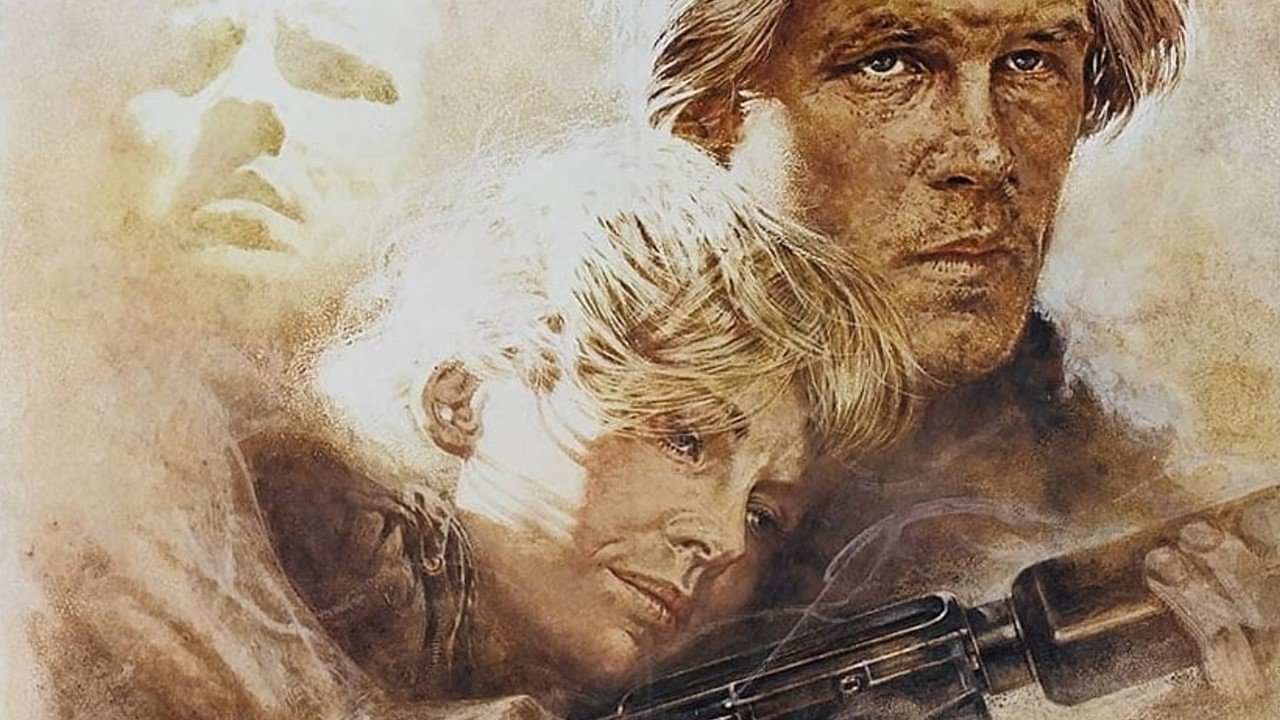
Tuesday Weld as Marge is heartbreakingly effective. Initially naive and dependent, hooked on prescription pills, the ordeal forces a brutal awakening. Weld charts Marge's terrifying transformation from a passive participant to someone hardened by desperation and survival instinct. There's a fragile strength that emerges, born of terror rather than heroism, and it feels painfully real.
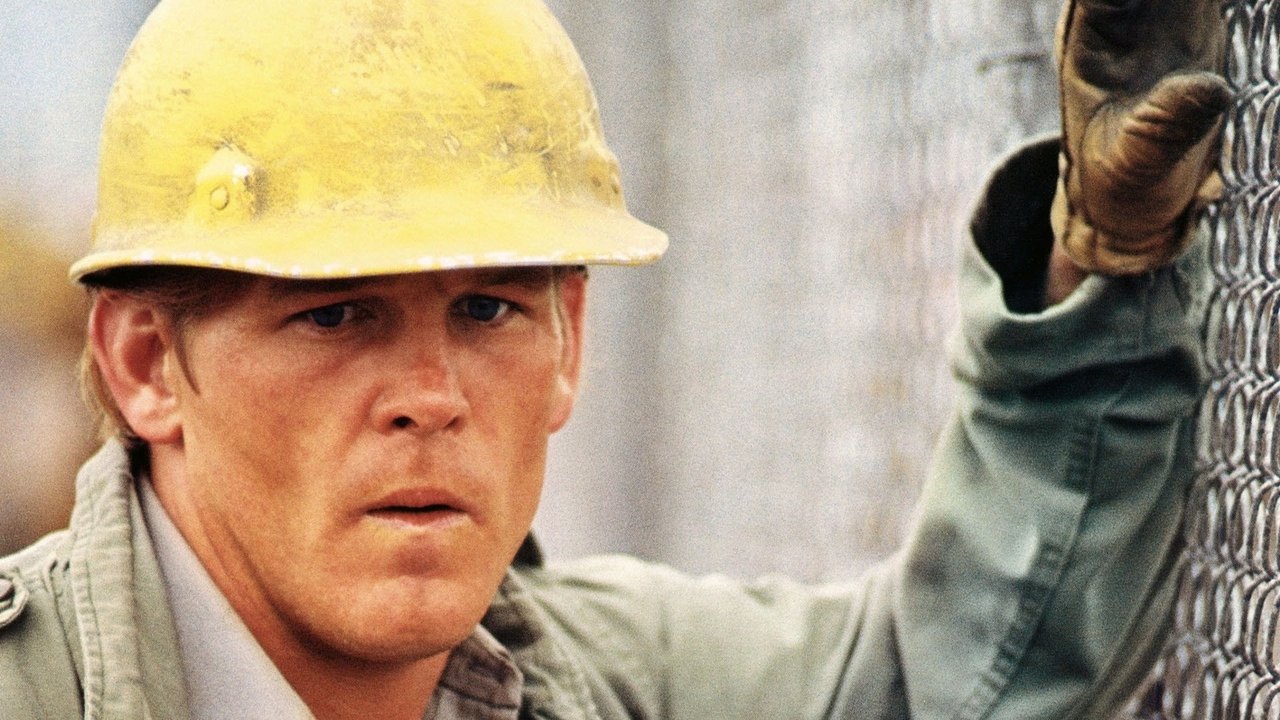
But it's Nick Nolte who anchors the film with a performance of staggering physical and emotional power. As Ray Hicks, he's a man operating on a primal code, loyal to his friend but fundamentally adrift in a world that no longer makes sense after Vietnam. He carries the weight of the war, not in explicit flashbacks, but in his eyes, his movements, his barely contained violence. Nolte reportedly immersed himself deeply in the role, embodying Hicks's warrior spirit and profound sense of displacement. He is simultaneously dangerous and strangely honourable in his own damaged way. Watching him, you understand implicitly that the war followed these characters home, lodging itself deep within their bones.
The Lingering Stain
Who'll Stop the Rain doesn't offer easy answers or catharsis. It presents a landscape populated by users, dealers, corrupt officials, and burnt-out souls, all scrabbling for something – escape, oblivion, money – in the wreckage of idealism. The action sequences, when they come, are brutal, clumsy, and devoid of glamour, particularly the chaotic, explosive climax at a remote desert compound. It feels less like stylized movie violence and more like the desperate final throes of cornered animals.
Released in a year crowded with blockbusters like Grease and Superman, and sharing thematic space with heavier hitters like Coming Home and The Deer Hunter, Who'll Stop the Rain perhaps didn't get the immediate mainstream traction it deserved, despite strong reviews. Yet, its power endures. It’s a film that seeps under your skin, a gritty, uncompromising look at the corrosive effects of war and the drug trade, intertwined with the shattered promise of the American counter-culture dream. The title change, while perhaps commercially motivated, feels accidentally profound – the rain of consequences, disillusionment, and violence just keeps falling, and no one seems to know how to make it stop.

Rating: 9/10
This score reflects the film's exceptional performances, particularly Nolte's defining turn, Reisz's unflinching direction, and its potent, haunting atmosphere. It's a tough, cynical film that earns its bleakness, capturing a specific, fractured moment in time with enduring power. Minor pacing fluctuations in the middle section barely detract from its overall impact.
It's a film that leaves you with a knot in your stomach, a stark reminder of how idealism can curdle and how the echoes of conflict can resonate long after the battles are supposedly over. What lingers most is that pervasive sense of weariness, the feeling of inescapable consequences under a harsh, indifferent sun.