Okay, fellow tapeheads, let's journey back to a dusty corner of the video store's "Drama" section, past the flashy action covers, to a title that might not scream "blockbuster" but holds a quiet, simmering power: 1982's The Border. There's a heat that rises off this film, and it’s not just the relentless El Paso sun beating down on the screen. It’s the heat of desperation, of simmering resentment, and the slow burn of a decent man's soul being eroded by the corrosive landscape around him.
Sun-Baked Corruption
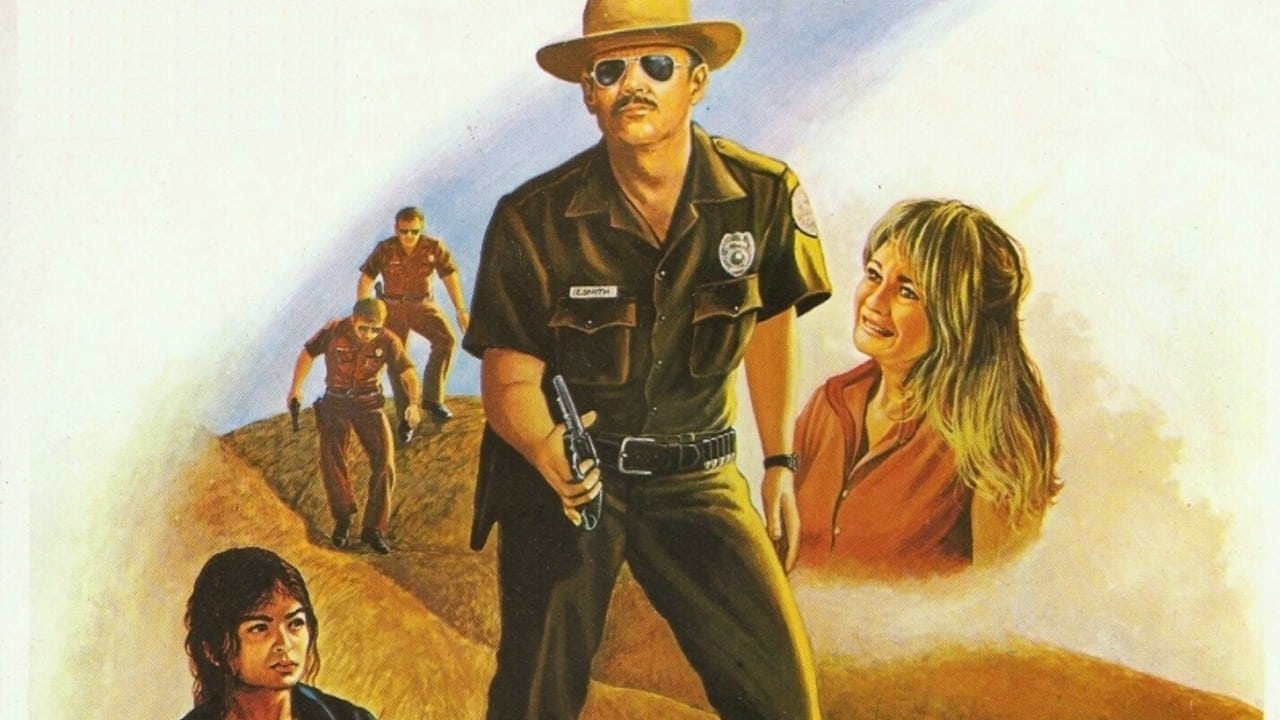
We're dropped into the life of Charlie Smith, played by Jack Nicholson in a performance that feels worlds away from the manic energy many associate with him from this era. Charlie's a new U.S. Border Patrol agent transferred to Texas, hoping for a fresh start with his wife, Marcy (Valerie Perrine). Marcy dreams of swimming pools and suburban comfort, aspirations fueled by a lifestyle they clearly can't afford on Charlie's salary. Right there, the stage is set. How far will someone bend to achieve the flimsy promise of the American Dream, especially when opportunity – dirty opportunity – comes knocking?
That knock comes primarily in the form of Cat, Charlie’s partner, brought to life with a chillingly casual amorality by Harvey Keitel. Cat is already neck-deep in a smuggling operation, facilitating illegal border crossings and skimming profits alongside other agents. It’s presented not as some grand conspiracy, but as a mundane, accepted part of the job in this specific place, at this specific time. The film excels at portraying this systemic rot, how easily it becomes normalized when survival, or just wanting more, takes precedence over principles.
Nicholson Against Type
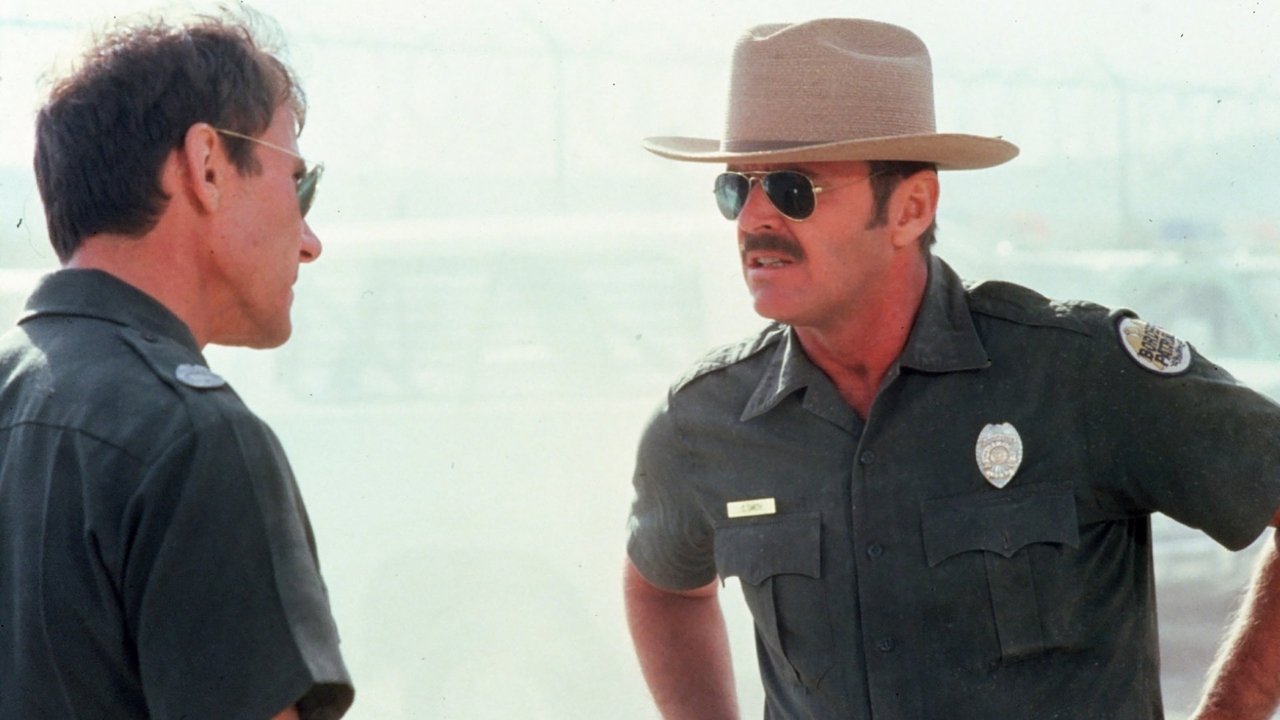
What truly anchors The Border is Nicholson. Coming off iconic roles like One Flew Over the Cuckoo's Nest (1975) and The Shining (1980), audiences might have expected something grander, more explosive. Instead, Nicholson delivers something far more potent: restraint. His Charlie Smith is weary, observant, his growing disgust mostly internalized. You see the conflict playing out in his eyes, the slight shifts in his posture, the quiet simmering beneath his usual charismatic surface. He’s a man trying desperately to hold onto a moral compass in a place where everyone else seems to have thrown theirs away. It's rumored Nicholson felt so strongly about the script, penned by heavyweights like Deric Washburn (The Deer Hunter) and Walon Green (The Wild Bunch), that he took a significant pay cut just to ensure the film got made. Watching his performance, you can understand why; it feels like a role he needed to inhabit.
More Than Just a Dusty Thriller

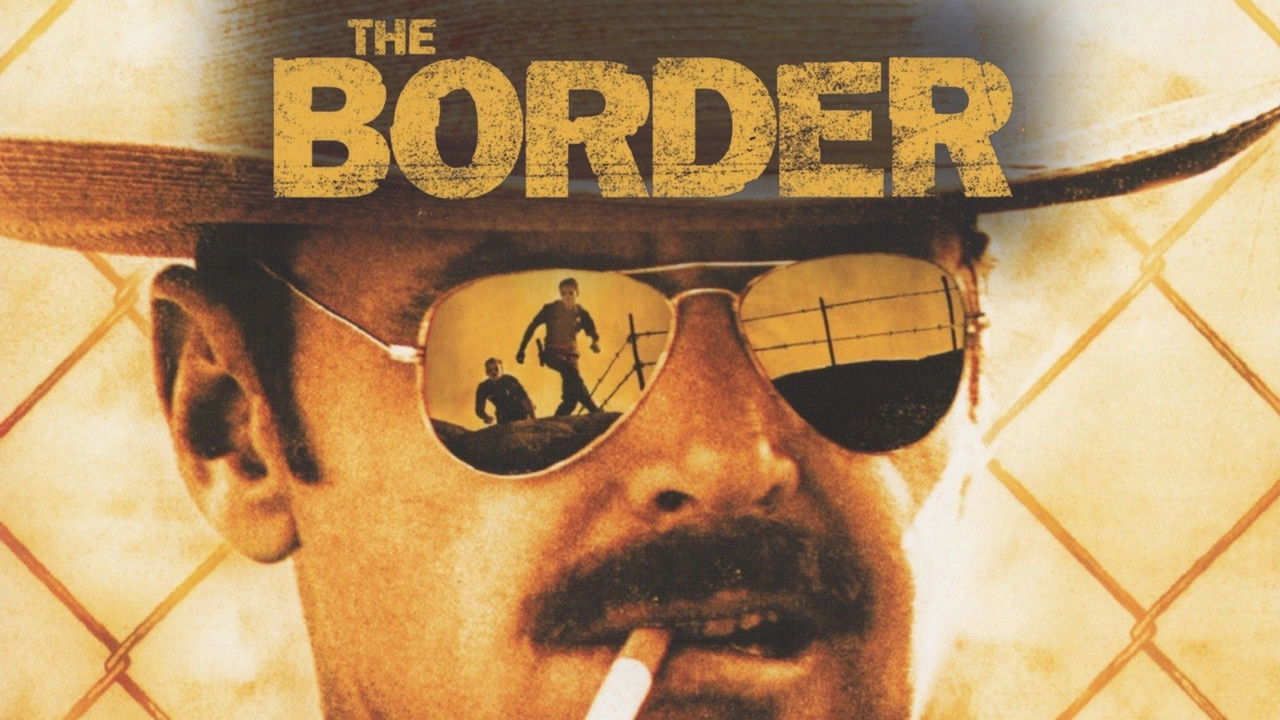
Directed by Tony Richardson, a filmmaker perhaps better known for British social realism films like Look Back in Anger (1959) or the exuberant Tom Jones (1963), The Border benefits from his outsider's eye. He captures the harsh beauty and simultaneous ugliness of the borderlands – the vast, indifferent landscapes juxtaposed with the squalor and desperation. The film doesn't shy away from the human cost of the corruption, particularly focusing on a young mother, Maria (Elpidia Carrillo), whose plight becomes the catalyst for Charlie's eventual breaking point. Filming on location in the sweltering heat of El Paso, Texas, and across the border in Ciudad Juárez, Mexico, lends an undeniable authenticity that permeates every frame. You can almost feel the grit under your fingernails.
While Valerie Perrine’s Marcy can sometimes feel like a caricature of materialistic desire, her character serves a crucial function, representing the societal pressures pushing Charlie towards compromise. She's the voice constantly reminding him of what they don't have, making the lure of easy money offered by Keitel's pragmatic Cat all the more tempting. It’s a dynamic that feels painfully real, even if her character lacks the nuance afforded to Charlie.
A Slow Burn Legacy
The Border wasn't a huge hit upon release. Its bleak tone and morally complex narrative likely didn't align with the escapism many sought in the early 80s. Watching it now, though, feels different. There's a prescience to its depiction of border tensions, exploitation, and the ease with which individuals can become complicit in corrupt systems. It doesn’t offer easy answers or neat resolutions. The atmosphere is thick with disillusionment, a hangover from the cynicism of the 70s bleeding into the new decade.
It's a film that asks difficult questions: Where do you draw the line? What happens when the systems meant to uphold order are themselves compromised? And what does it take for one person to finally say "enough"? The tension builds not through elaborate action sequences (though there are moments of sharp violence), but through the slow tightening of the moral vise around Charlie.
Final Thoughts
The Border is a potent, character-driven drama masquerading as a simple crime thriller. It’s a film that lingers, leaving you contemplating the dusty, morally ambiguous landscape it portrays. Anchored by one of Jack Nicholson's most underrated and compellingly subdued performances, and crafted with a gritty realism that feels earned, it’s a standout piece of early 80s cinema that deserves its place on the shelf alongside more celebrated classics. It might not have the feel-good factor of other tapes from the era, but its quiet intensity and uncomfortable truths resonate deeply.
Rating: 8/10
This score reflects the film's powerful lead performance, its suffocating atmosphere, its unflinching look at corruption, and its thematic depth. While Perrine's character feels somewhat underdeveloped, the core story and Nicholson's portrayal elevate it significantly, making it a truly compelling piece of filmmaking that feels startlingly relevant even today.