There's a specific kind of quiet dread that sinks in with a good submarine movie, isn't there? It's not the explosive chaos of space battles or the frantic chase of an action thriller. It's the slow creep of pressure, the dwindling oxygen, the metallic groans of a steel hull protesting against the immense, indifferent weight of the ocean. Watching Gray Lady Down again after all these years, likely on a well-worn tape pulled from a dusty shelf somewhere in memory, that feeling washes right back over you. It’s a film that doesn’t shout its dangers; it lets them seep into the cramped confines of the USS Neptune.
Under Pressure, Under Water
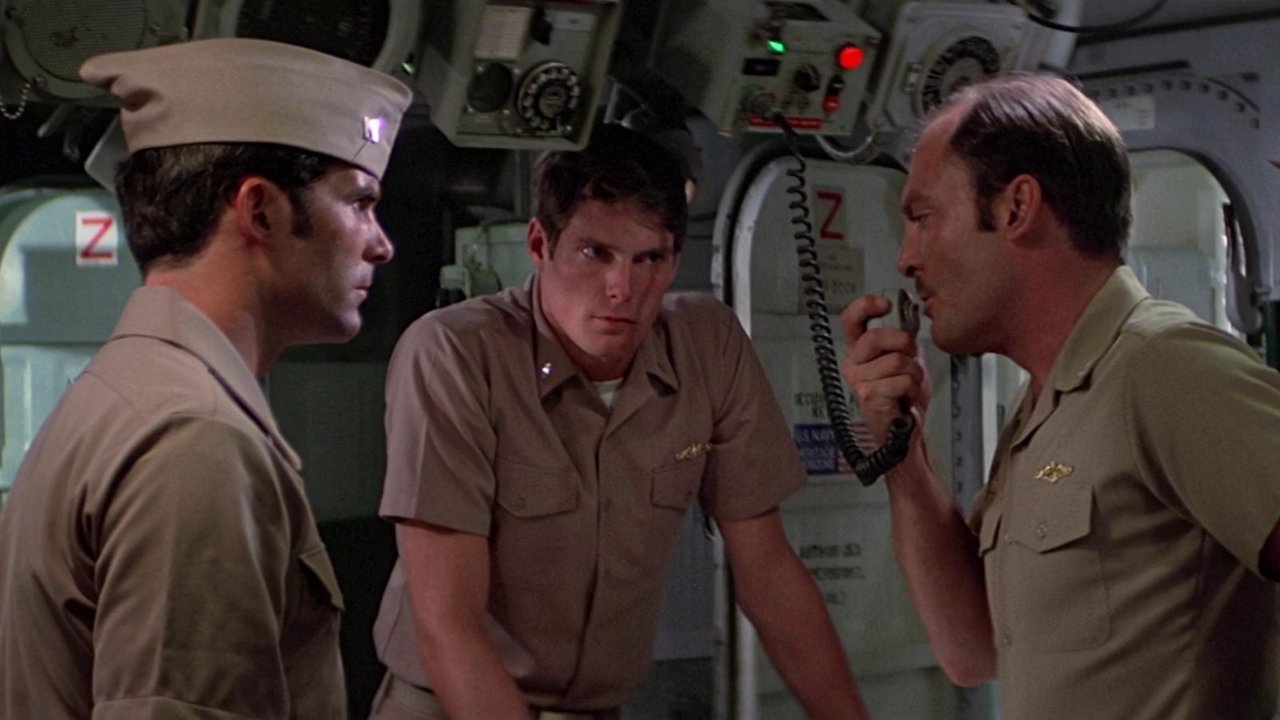
Released in 1978, Gray Lady Down caught the tail end of the 70s disaster movie wave, but it possesses a different, more grounded flavour than the star-studded infernos and capsized liners often associated with the era. Directed by David Greene, it presents a scenario chillingly plausible: the nuclear submarine USS Neptune, captained with stoic resolve by Charlton Heston as Paul Blanchard, collides with a Norwegian freighter in dense fog and sinks perilously close to the crush depth limit off the coast of Connecticut. It’s a race against time, dwindling air, and the terrifying physics of the deep sea. The premise is simple, stark, and immediately effective. You feel the cold, the damp, the rising panic held tightly in check by naval discipline.
Heston at the Helm
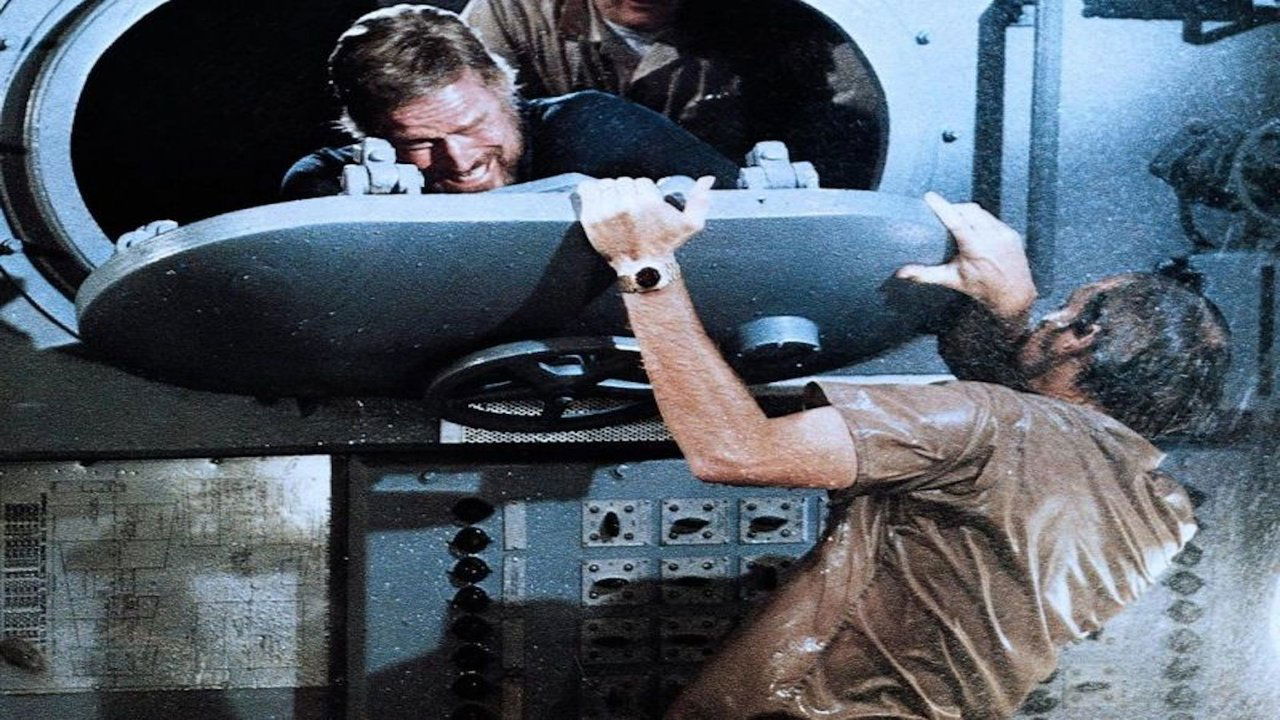
Charlton Heston is, well, Heston. He embodies authority like few actors ever could. As Captain Blanchard, he’s the rock upon which the crew’s fading hopes depend. There’s no grandstanding, just the quiet, burdened competence of a man facing impossible choices. It's a performance built on subtle shifts in expression, the weight of command visible in his eyes. We’ve seen Heston command chariots and part seas, but here, trapped in a steel tube on the verge of implosion, his authority feels intensely human and vulnerable. It’s a performance that anchors the film, providing the necessary gravity (pun perhaps intended) for the unfolding drama.
An Odd Couple to the Rescue
The rescue effort brings together two fascinatingly contrasting characters. Stacy Keach plays Captain Bennett, a Navy officer clinging perhaps too tightly to regulations but driven by a fierce determination to save the Neptune. His controlled desperation forms a compelling counterpoint to the film's most intriguing figure: Captain Don Gates, played with unconventional flair by David Carradine. Gates is the maverick designer and pilot of the Snark, a small, experimental deep-submergence rescue vehicle (DSRV). Carradine, perhaps best known then for Kung Fu and later for Quentin Tarantino's Kill Bill, brings a laid-back, almost counter-culture energy to the role. He’s the long-haired inventor clashing with the spit-and-polish Navy brass, yet he holds the only real key to salvation. It's a casting choice that feels slightly unexpected but works surprisingly well, injecting a different kind of tension into the surface-level operations. The dynamic between the pragmatic Keach and the slightly eccentric Carradine adds a layer of character drama to the technical challenges of the rescue.
Crafting the Crush Depth
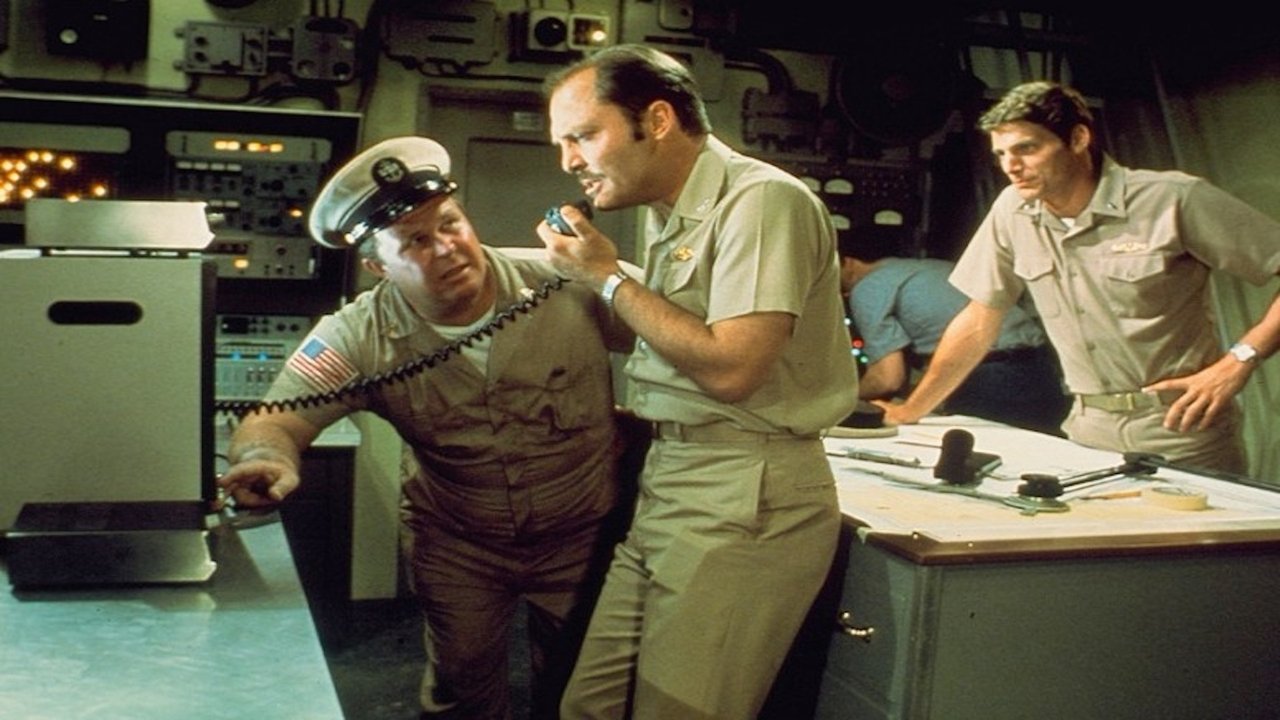
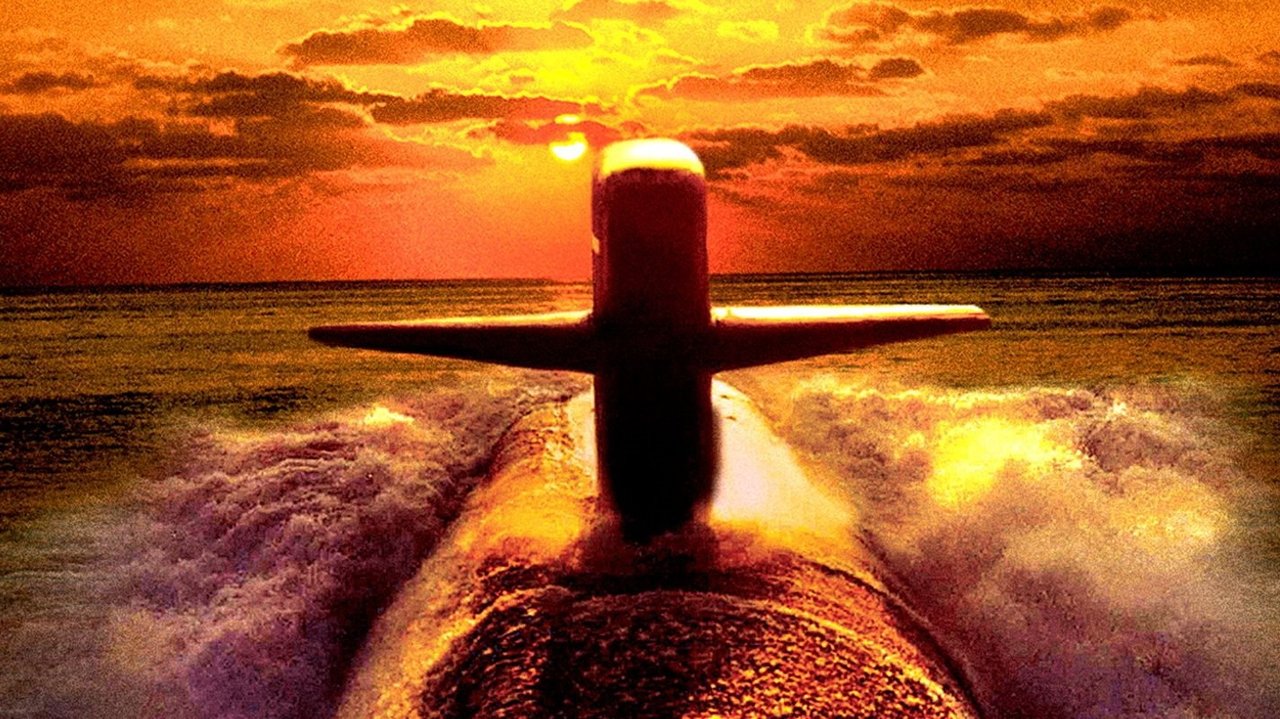
What stands out watching Gray Lady Down now is its commitment to a certain kind of procedural realism, especially for its time. While the model work might show its age compared to modern CGI, there's a tactile quality to the underwater sequences and the claustrophobic submarine interiors. Director David Greene uses the confined spaces effectively, emphasizing the precariousness of the situation. The film benefited greatly from cooperation with the U.S. Navy, lending an air of authenticity often missing in more fantastical disaster flicks. You get a real sense of the complex machinery, the specific jargon, the protocols – elements that ground the suspense. The steady build-up of tension, punctuated by the ominous creaks and groans of the Neptune's hull, is genuinely effective. It’s less about spectacle and more about sustained suspense. Interestingly, the film is based on the novel Event 1000 by David Lavallee, and it retains that novel's focus on the technical and human aspects of the crisis.
A Solid Sub-Genre Entry
Does Gray Lady Down reinvent the wheel? Perhaps not. It follows certain conventions of the disaster genre and the submarine thriller. We have the stalwart captain, the desperate crew, the ticking clock, the risky rescue attempt. Yet, it executes these elements with a level of competence and sincerity that makes it endure. Solid support from familiar faces like Ned Beatty and Ronny Cox further bolsters the ensemble. It lacks the sheer iconic status of Das Boot or the Cold War paranoia of The Hunt for Red October, but it carves out its own respectable niche. It feels like a serious attempt to portray a specific kind of naval disaster, valuing tension and character over melodrama. For those of us who remember scanning the shelves at Blockbuster or the local mom-and-pop video store, Gray Lady Down might have been one of those titles you picked up after exhausting the bigger blockbusters, only to be pleasantly surprised by its gripping, well-crafted narrative. It represents a certain kind of sturdy, unpretentious filmmaking that feels increasingly rare.
Rating: 7/10
Gray Lady Down earns its rating through solid performances, particularly from Heston and Carradine, effective tension-building, and a commitment to procedural detail that grounds its dramatic premise. While perhaps not a landmark film, it’s a thoroughly engaging and well-executed submarine thriller that holds up remarkably well. It successfully captures the claustrophobia and high stakes of its underwater setting without resorting to excessive theatrics.
What lingers after the credits roll isn't necessarily a single iconic moment, but rather the sustained atmosphere of quiet professionalism under duress, a testament to the human element amidst the cold, crushing indifference of the deep. A worthy rental, then and now.