Rudolph and Frosty's Christmas in July
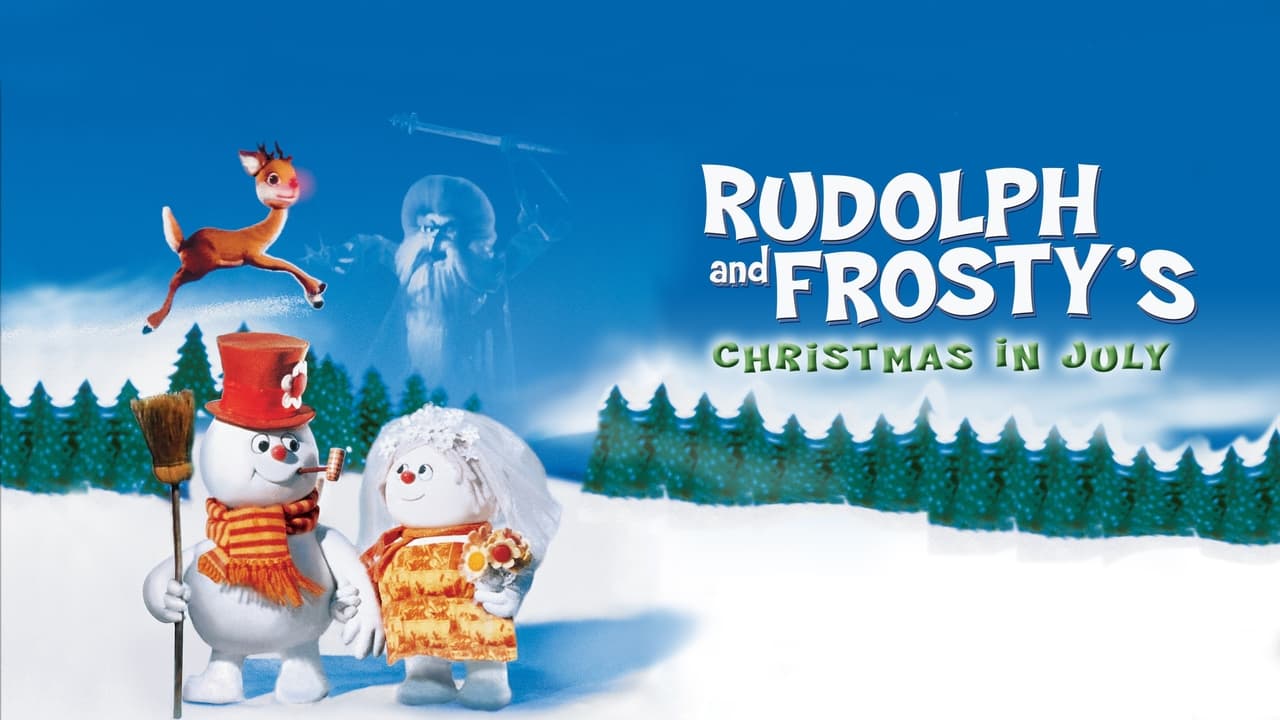
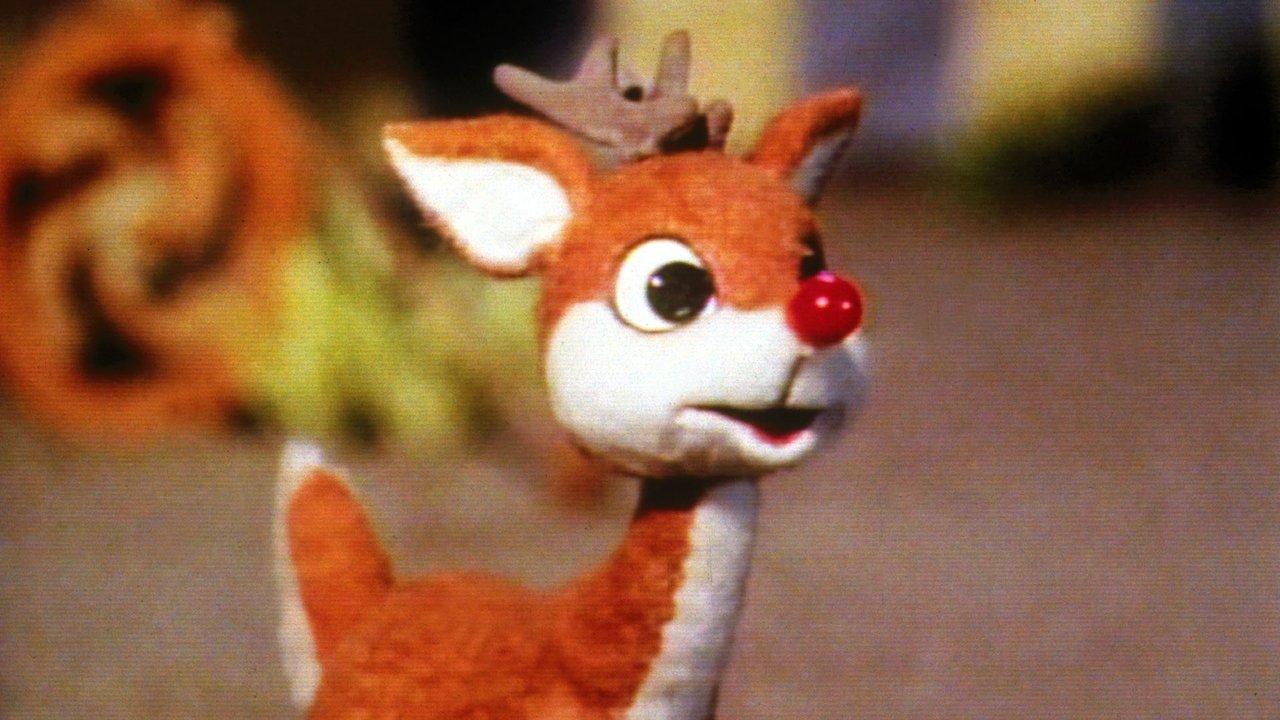
Alright, fellow tape-travelers, let’s rewind to a time when holiday specials weren’t just confined to December. Remember that slightly bewildering, yet utterly captivating, feeling when two North Pole titans teamed up for a summer vacation adventure? I’m talking about the ambitious, feature-length stop-motion spectacle: Rudolph and Frosty's Christmas in July from 1979. It wasn’t just another festive rerun; this was a full-blown crossover event, dropping our beloved reindeer and snowman into a seaside circus, battling a frosty new menace under the July sun. It felt… different. Bigger, stranger, and maybe just a little bit epic in that uniquely Rankin/Bass way.
### Animagic Ambition
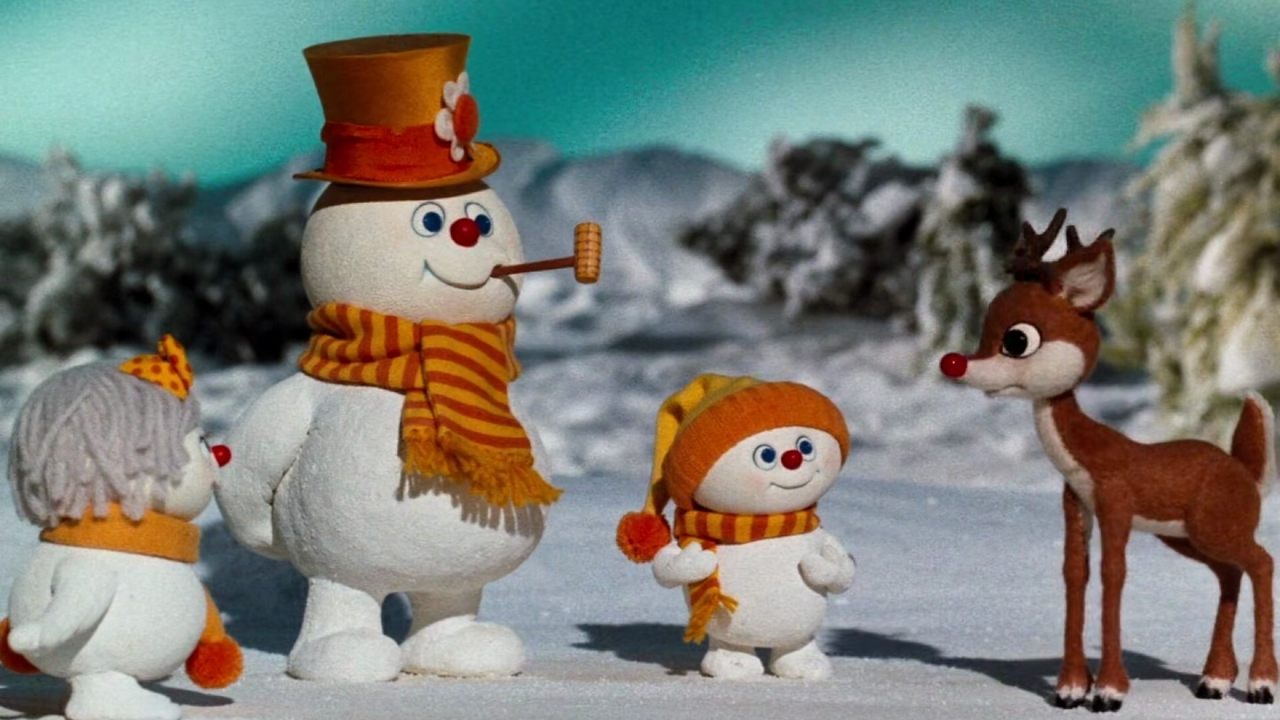
The masterminds Arthur Rankin Jr. and Jules Bass were, by this point, seasoned veterans of holiday magic, having already gifted us the perennial classics Rudolph the Red-Nosed Reindeer (1964) and Frosty the Snowman (1969). Their signature "Animagic" stop-motion style, with its slightly jerky movements and doll-like characters, had become synonymous with cozy Christmas viewing. This time, joined again by writer Romeo Muller (who penned many of their most beloved specials), they aimed for something grander. Originally conceived for a theatrical release before premiering on ABC television, Christmas in July feels denser, its plot weaving together multiple threads – Rudolph losing his glow, Frosty and family risking meltdown, a struggling circus, and an ancient wizard bent on plunging the world into a new Ice Age. It’s a lot to pack into one story, feeling less like a contained special and more like an animated fantasy epic squeezed onto the small screen.
### A Villain Worthy of Winter
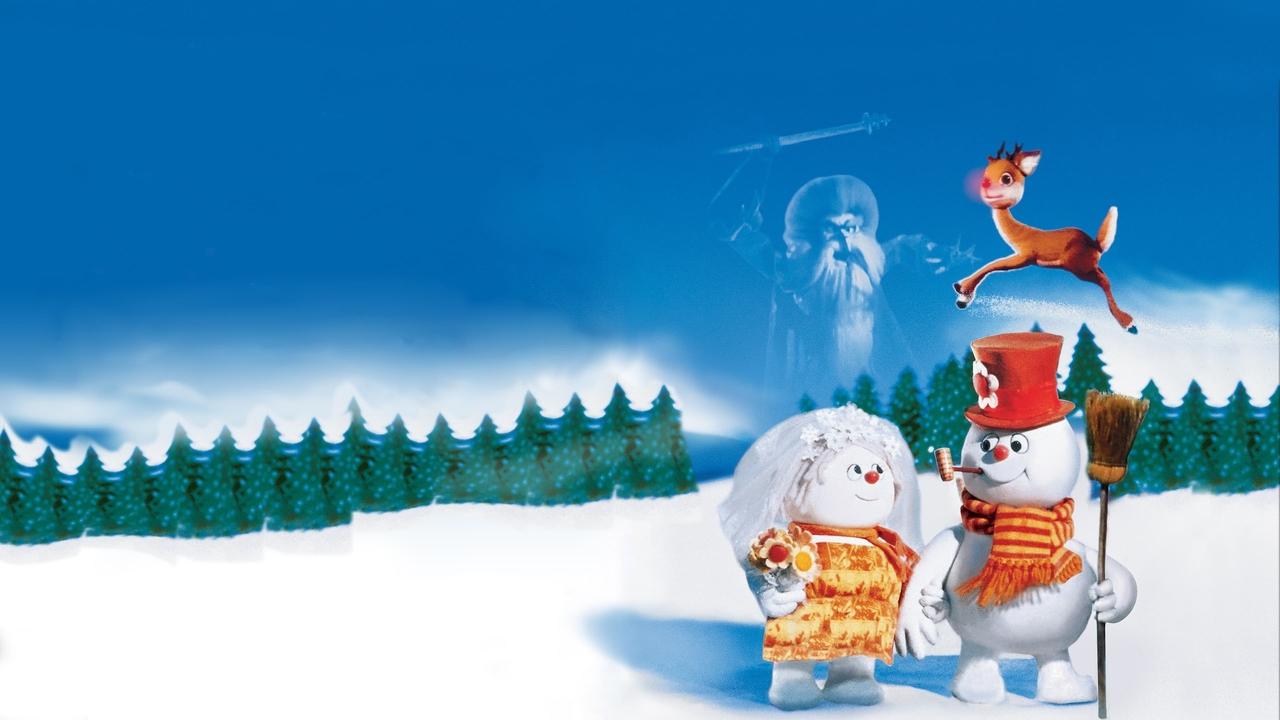
Forget the bouncing Bumble or the comical Professor Hinkle. Christmas in July introduces Winterbolt, a malevolent ice wizard with a backstory connected to the Aurora Borealis and a serious grudge against Santa Claus (and by extension, Rudolph). Voiced with chilling authority, Winterbolt wasn't just misguided; he was powerful and genuinely menacing, ruling from an ice castle, wielding a fearsome Ice Scepter, and commanding ice dragons and a reluctant Genie of the Ice. I recall finding him genuinely imposing as a kid – his design, his cold voice, the sheer scale of his powers felt like a significant step up in stakes for our familiar heroes. He aimed not just to stop Christmas, but to usurp Lady Boreal and extinguish all warmth, making Rudolph's potentially fading nose a crucial plot point rather than just a source of light. This added a layer of darkness and complexity that set it apart from its predecessors, perhaps making it slightly less suitable for the very youngest viewers but captivating for those ready for a bit more adventure.
### Star Voices and Seaside Attractions
Part of the magic of Rankin/Bass productions was always the stellar voice talent they attracted. Here, we get the legendary Mickey Rooney reprising his iconic role as Rudolph, bringing that familiar earnestness and warmth. Jackie Vernon also returns, lending his uniquely gentle tones to Frosty the Snowman. But the real casting coup, the one that elevates this special into pure nostalgic curiosity, is the Broadway dynamo Ethel Merman as Lilly Loraine, the big-hearted (and big-voiced) ringmaster of the Circus by the Sea. Hearing Merman belt out tunes like "Chicken Today and Feathers Tomorrow" amidst stop-motion puppets is a wonderfully surreal slice of late-70s entertainment. Add in the charming Red Buttons as Milton, the ice cream vendor who dreams of flying with Rudolph, and you have a voice cast brimming with personality. It's reported that Merman recorded her entire part, songs and dialogue, in a single day – a testament to her legendary professionalism!
### More Than Just Snow Cones
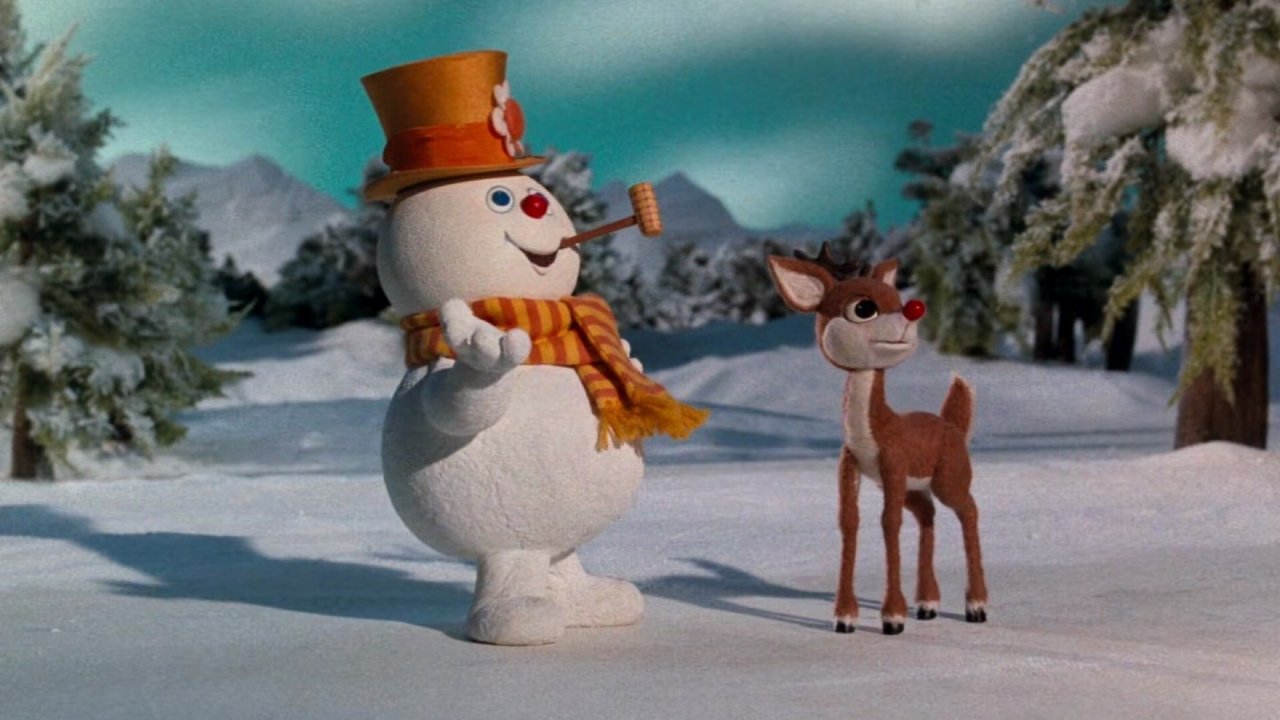
The plot, admittedly, gets a bit tangled. We have Winterbolt's overarching scheme, Rudolph needing to save the circus from bankruptcy by July 4th (hence the title!), Frosty and his family needing magical amulets to survive the heat, Santa trying to intervene, Scratcher the naughty reindeer causing trouble… it’s a whirlwind tour. Yet, amidst the narrative complexity, there are moments of pure Rankin/Bass charm. The design of the seaside circus, the look of Winterbolt's icy domain, and characters like the surprisingly polite ice dragons stick in the memory. The stop-motion animation, while perhaps showing its age compared to modern CGI, possesses that tactile, hand-crafted quality that feels increasingly precious. You can almost feel the texture of the puppets, the miniature sets lovingly built. It's a visual style that immediately transports you back to watching specials huddled around the TV, maybe even one recorded onto a chunky VHS tape labeled in careful handwriting.
One fascinating tidbit: Winterbolt's plan involves creating a massive snowstorm on the Fourth of July. To achieve this, he extinguishes the light of the Aurora Borealis, which, according to this special's lore, is also the source of Rudolph's nose-glow. This clever (if scientifically dubious) link between the villain's plot and the hero's famous attribute adds a nice touch of internal logic to the fantastical proceedings.
### A Curious Classic on the Shelf
Rudolph and Frosty's Christmas in July might not hold the same hallowed place in holiday tradition as the original Rudolph or Frosty. Its plot is arguably overstuffed, some songs less instantly memorable, and the "Christmas in July" concept remains charmingly bizarre. But it possesses a unique ambition and a darker edge that makes it stand out. It attempted to build a larger mythology around these beloved characters, giving them a formidable foe and higher stakes. For those of us who caught it back in the day, perhaps on a summer rerun or a treasured VHS copy, it remains a fascinating piece of the Rankin/Bass puzzle – a feature-length oddity brimming with nostalgic charm, impressive villainy, and the unforgettable sound of Ethel Merman singing about poultry. It’s a reminder that sometimes, the strangest combinations create the most enduring memories.
Rating: 7/10
This score reflects the special's undeniable ambition, the strength of its villain, the nostalgic power of the Rankin/Bass style, and the sheer novelty of its premise and star power (Ethel Merman!). It loses a few points for a somewhat convoluted plot and songs that don't quite reach the iconic status of its predecessors, but its unique charm and memorable moments earn it a solid place in the retro animation hall of fame.
It’s the kind of special that proves holiday magic isn’t just for December – sometimes, all you need is a glowing reindeer, a talking snowman, and a Broadway legend to make even the Fourth of July feel festive. A true curio from the tail-end of the Animagic era.