### The Whisper of the Zone
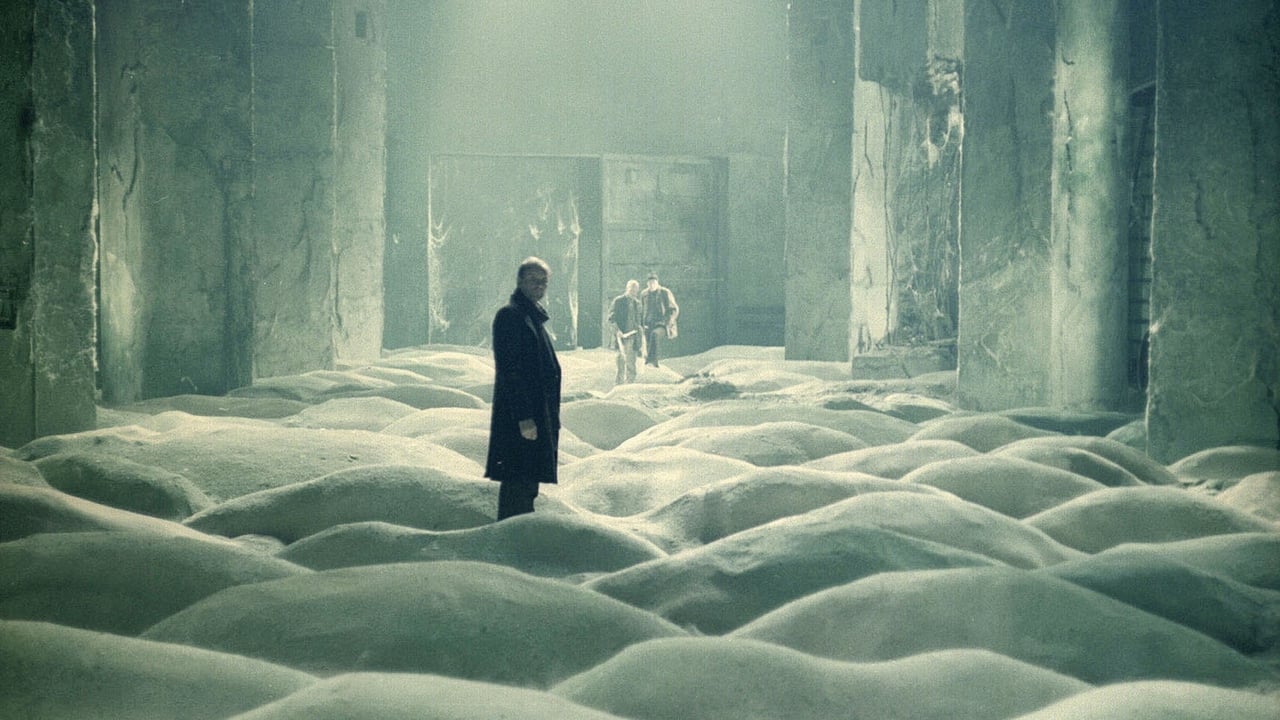
Some films don't just play on screen; they seep into the environment, altering the very air you breathe while watching. Andrei Tarkovsky's Stalker (1979) is such a film. It doesn't grab you with explosions or chase scenes – staples of the era we often celebrate here at VHS Heaven. Instead, it draws you in with a quiet, hypnotic pull, a slow journey into a place that feels both strangely familiar and utterly alien. Watching it, perhaps on a well-worn tape retrieved from the back of a dusty shelf, feels less like entertainment and more like stepping into a waking dream, heavy with unspoken questions.
Into the Forbidden Heart
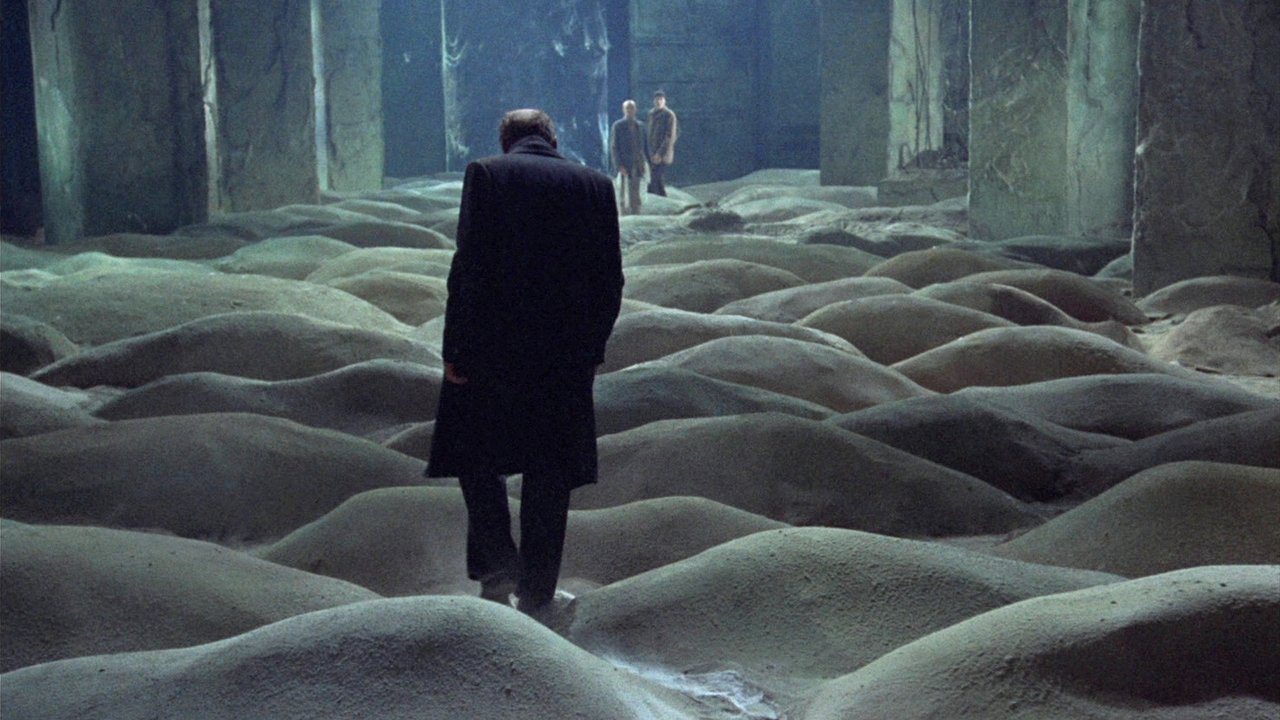
The premise, adapted loosely by Arkady and Boris Strugatsky from their own novel Roadside Picnic, is deceptively simple. In a bleak, seemingly post-industrial landscape, exists the Zone – an area cordoned off by the military, rumored to contain phenomena defying known physics. At its heart lies the Room, a place said to grant the innermost desires of anyone who reaches it. Our guides are three men: the Stalker (Aleksandr Kaydanovskiy), a guide who risks imprisonment to lead people into the Zone, believing deeply in its spiritual power; the Writer (Anatoliy Solonitsyn, a frequent Tarkovsky collaborator), cynical and searching for inspiration; and the Professor (Nikolay Grinko, another Tarkovsky regular), seemingly driven by scientific curiosity, though carrying a hidden agenda. Their journey through the treacherous, beautiful, and psychologically demanding Zone forms the film's narrative thread.
Breathing Atmosphere
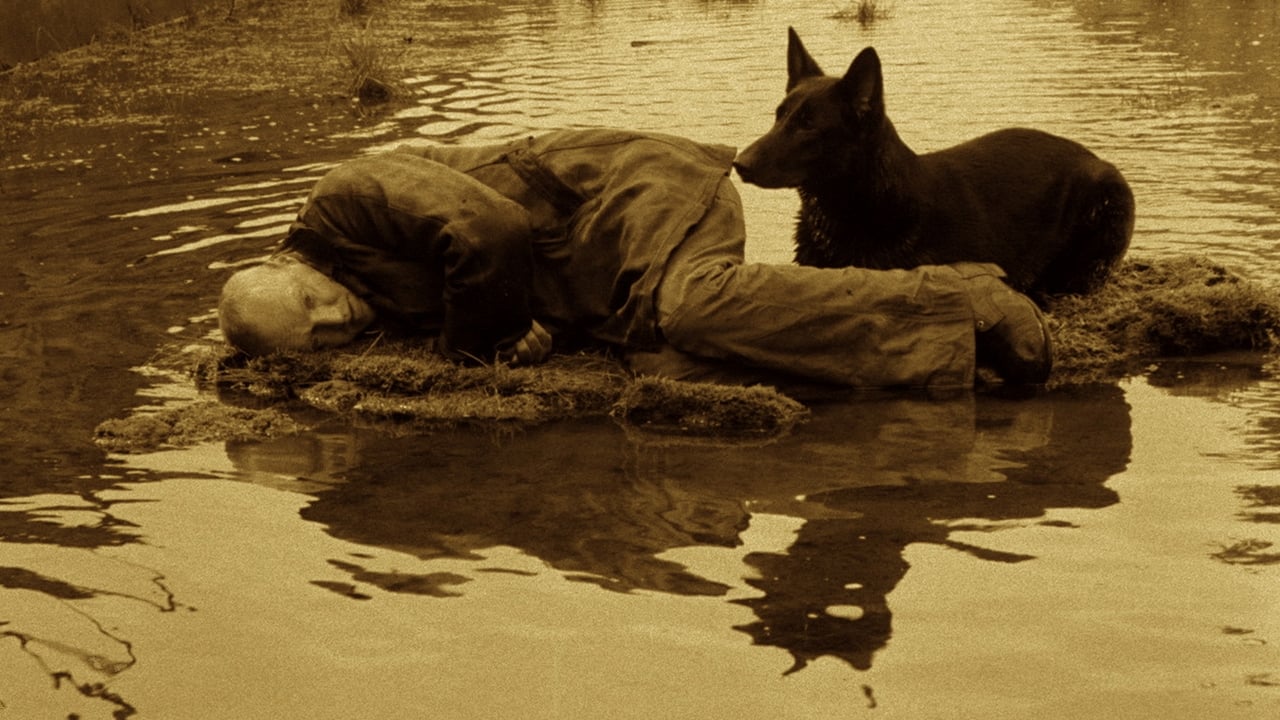
What truly defines Stalker is its overwhelming atmosphere. Andrei Tarkovsky, a master craftsman of mood, uses long, meditative takes, allowing the camera to linger on dripping water, rusting metal, overgrown foliage, and the expressive faces of his actors. The transition from the stark, sepia-toned world outside the Zone to the lush, damp, unnervingly vibrant greens and browns within is a masterful visual stroke. It’s not just a change of scenery; it feels like crossing into another state of being. The sound design is equally crucial – the constant presence of nature, the distant, ambiguous sounds, the unsettling quiet – all contribute to a sense of profound mystery and latent danger. This isn't the quick-cut stimulation we often got from 80s blockbusters; it demands patience, inviting contemplation. Watching this on a CRT, the grain of the film stock, the muted glow – it somehow felt right, enhancing the film's textured, almost tactile quality.
Trials by Nature, Trials by Film
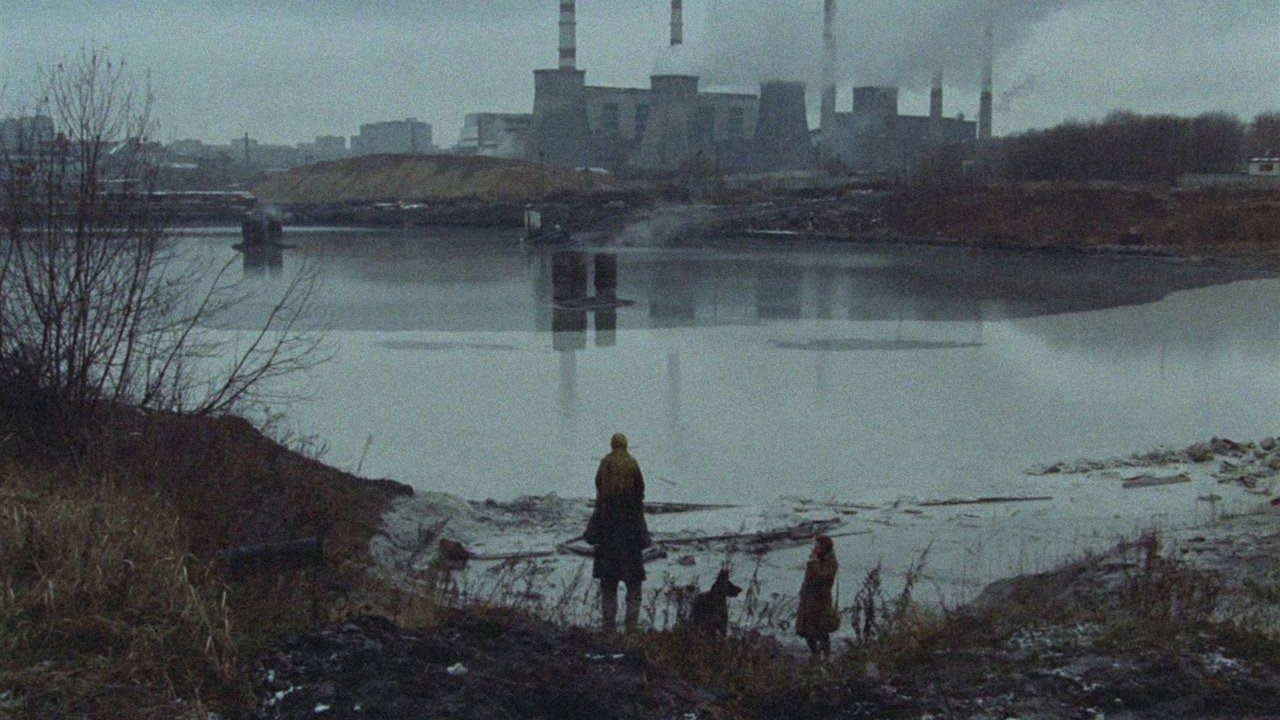
The making of Stalker is almost as legendary and fraught as the journey depicted within it. It's a piece of trivia that truly illuminates the director's obsessive vision and the sheer difficulty of the production. Tarkovsky reportedly shot the film almost entirely twice. The first version, filmed outdoors over a year, was allegedly lost due to improper processing of the negative at the Mosfilm labs – a devastating blow. Undeterred, Tarkovsky secured further funding (a significant feat in the Soviet system) and reshot the film largely indoors and on different film stock, resulting in the version we know today. The shooting locations themselves, primarily near Tallinn, Estonia, around defunct power plants and industrial areas, have fueled persistent, tragic speculation. Some believe the chemical pollution in these areas contributed to the later deaths from cancer of Tarkovsky himself, his wife and assistant director Larisa Tarkovskaya, and actor Anatoliy Solonitsyn. While definitive proof remains elusive, the palpable sense of decay and potential toxicity onscreen feels chillingly real in light of these stories. It lends a tragic weight to the Stalker's reverence for the Zone, even as it seems to poison those who enter.
Portraits of Searching Souls
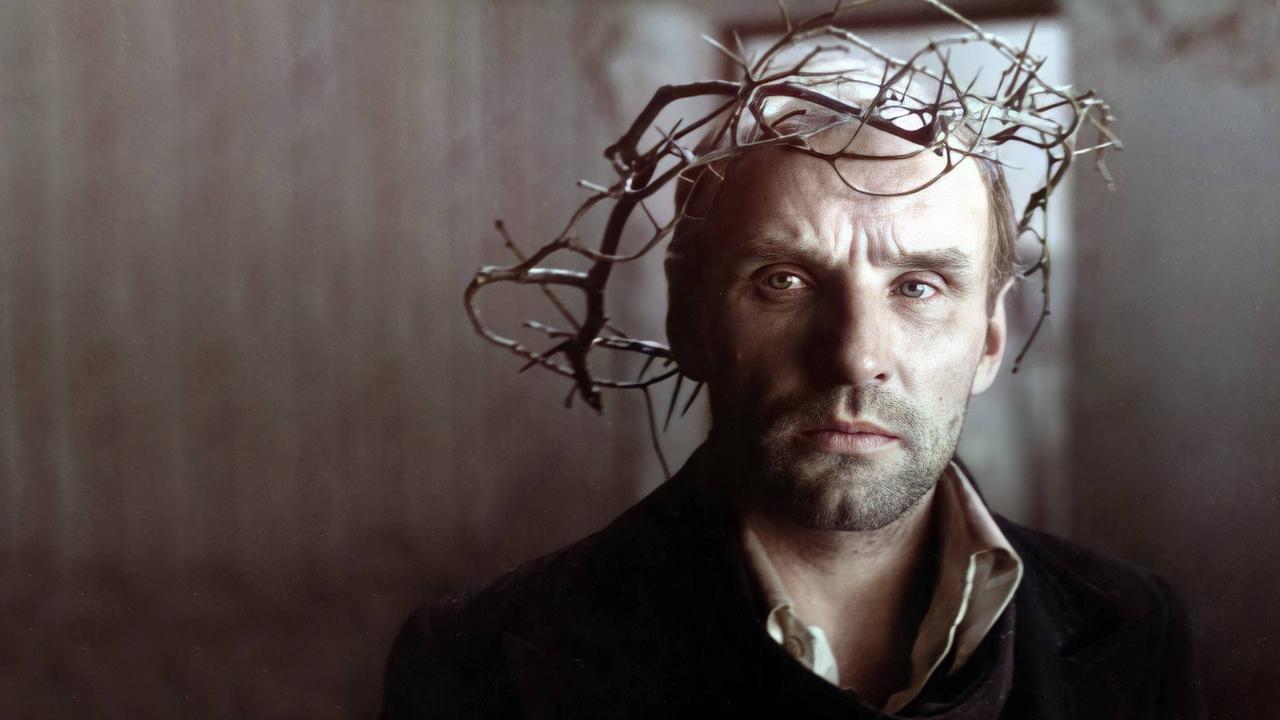
The performances are central to the film's power. Aleksandr Kaydanovskiy is unforgettable as the Stalker, his face a canvas of ragged faith, desperation, and profound weariness. He moves through the Zone with a ritualistic caution that borders on religious fervor. His belief is the film's fragile anchor. Anatoliy Solonitsyn, as the Writer, embodies intellectual arrogance masking deep-seated despair and creative impotence. His verbal sparring and existential angst provide much of the philosophical meat. Nikolay Grinko's Professor is initially the most rational, yet his motivations become increasingly complex and troubling. There are no easy heroes or villains here, just flawed men grappling with their deepest fears and desires, stripped bare by the Zone's psychological crucible. Their quiet intensity feels utterly authentic, drawing you into their internal struggles.
The Unanswered Question
Stalker offers no easy answers. What is the Zone? Is the Room real, or merely a catalyst for self-reflection? What would you truly wish for if your deepest, perhaps unconscious, desire was laid bare and granted? The film masterfully uses its ambiguous narrative to explore profound themes: the nature of faith in a faithless world, the limitations of art and science in grasping the ultimate truths, the terrifying prospect of confronting one's own soul. Does the Zone grant wishes, or does it simply reveal the emptiness or danger within those who seek its power? These questions linger long after the haunting final scenes. It’s a film that doesn't conclude so much as it resonates, leaving the viewer in a state of thoughtful unease.
Rating: 9/10
Stalker is not an easy watch. Its deliberate pace and philosophical weight demand engagement and patience. For some, it might feel impenetrable. Yet, for those willing to journey with it, the reward is immense. Its atmospheric power, haunting visuals, profound questions, and the sheer resilience embedded in its troubled creation make it a towering achievement of Soviet cinema and a unique, unforgettable experience. The 9/10 rating reflects its undeniable artistic mastery and enduring impact, acknowledging that its challenging nature makes it a specialized taste, albeit a deeply rewarding one.
It’s one of those rare films that feels less like something you watched and more like somewhere you’ve been; a place you might hesitate to return to, but whose strange beauty and unsettling whispers stay with you forever.