Dust motes dance in the projector beam of memory, illuminating a screen flickering not with vibrant colour, but with the bruised ochre and grey despair of a world utterly broken. Some films you stumble upon in the dim aisles of the video store feel different from the moment the tape slides into the VCR. Dead Man's Letters (Pisma myortvogo cheloveka) is one such film – a chilling transmission from a possible future, smuggled out of the late Soviet era, that burns itself onto your psyche. This isn't your typical post-apocalyptic fare; forget the leather-clad road warriors. This is something far more profound, far more unsettling.
### A Museum at the End of the World
The premise is stark: following an accidental nuclear holocaust, survivors huddle in the damp, decaying basement bunker of a former museum. Among them is Larsen (Rolan Bykov), a Nobel laureate physicist wrestling with guilt and the shreds of his humanity. He writes letters to his dead son, Eric, letters that will never be sent, pouring out his observations, fears, and desperate hopes into the void. Directed by Konstantin Lopushansky, who notably served as an assistant to the legendary Andrei Tarkovsky on Stalker (a film itself based on a novel by the Strugatsky brothers, who also co-wrote this screenplay), Dead Man's Letters shares a kinship with that masterpiece's meditative gloom and philosophical weight. The influence is palpable, not just in the deliberate pacing but in the crushing beauty found within utter devastation.
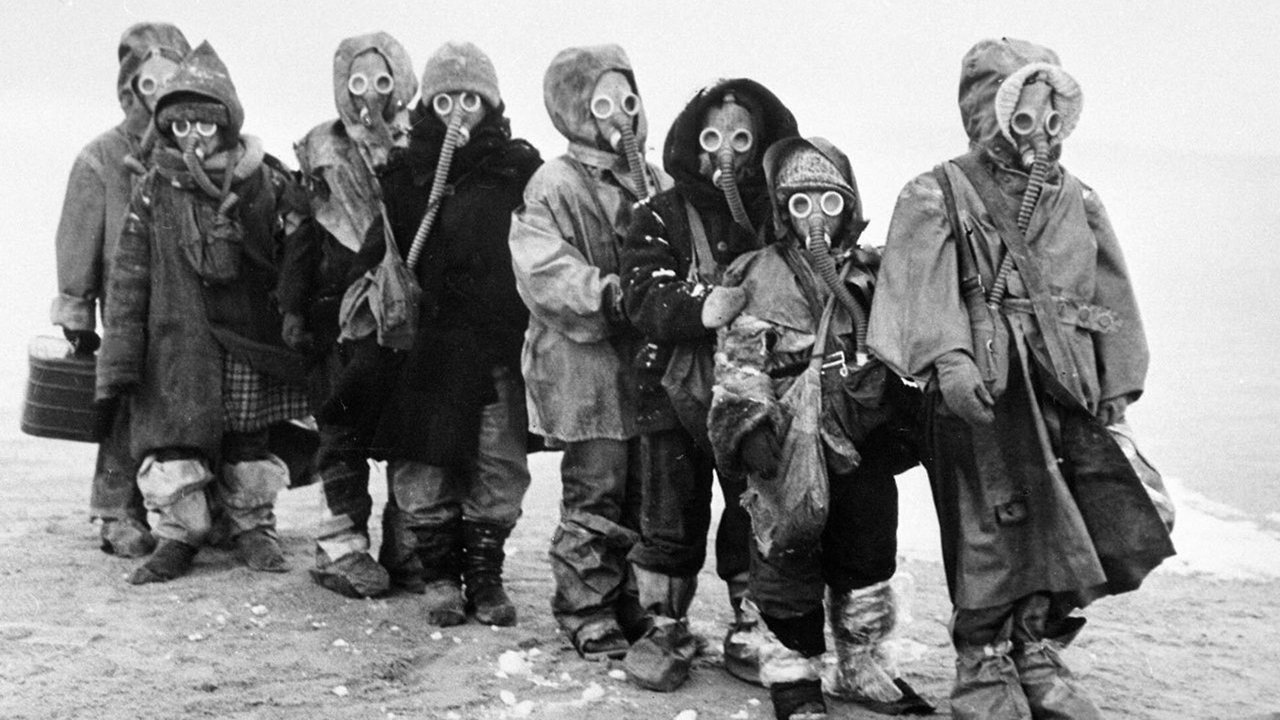
The atmosphere Lopushansky conjures is suffocating. Shot predominantly in unsettling sepia tones and decaying monochromes, the film immerses you in a perpetual twilight. The bunker isn't just a setting; it's a tomb, filled with the ghosts of culture – scientific instruments, books, artifacts – now rendered tragically useless. Water drips incessantly, the air feels thick with radiation and despair, and the sound design amplifies the claustrophobia, focusing on murmurs, coughs, and the distant, mournful winds of the poisoned surface world. It’s a masterclass in environmental storytelling, making the world outside feel terrifyingly real without needing elaborate special effects.
### Echoes of Reality
You cannot discuss Dead Man's Letters without acknowledging the chilling timing of its release. Filmed before the Chernobyl disaster, it premiered in the USSR mere months after the real-world nuclear catastrophe in April 1986. This accident lent the film an almost unbearable prescience, transforming its speculative horror into something terrifyingly immediate for contemporary audiences. Imagine the weight of that viewing experience. One wonders about the hushed conversations, the shared anxieties sparked by Lopushansky’s vision hitting screens while the Exclusion Zone was still being established. It’s a stark reminder of how fiction can sometimes hold a terrifyingly clear mirror to reality. The fact that Lopushansky managed to get such a profoundly bleak and critical film made within the Soviet system, even in the slightly thawing mid-80s, speaks volumes about the power of its artistic vision – and perhaps, a shared undercurrent of nuclear anxiety already present.
### Humanity in the Rubble
While the backdrop is overwhelming, the film's heart lies with Larsen, portrayed with heartbreaking weariness and intellectual fire by Rolan Bykov. He's not an action hero; he's an aging academic trying to preserve not just life, but the meaning of life, nurturing a small group of orphaned, mute children in the bunker's depths. His interactions with them, his attempts to offer comfort and knowledge in the face of annihilation, provide the film's few, fragile glimmers of light. The performances across the board feel devastatingly authentic, capturing the numbness, the desperation, and the small acts of kindness that persist even at the end of all things. There are no easy answers here, no triumphant survival narrative. The film forces you to confront uncomfortable questions about responsibility, hope, and what truly matters when civilization crumbles. Did that final, ambiguous journey into the poisoned unknown offer Larsen and the children salvation, or just a different kind of ending? The film leaves you pondering long after the credits roll.
### Lasting Power of Bleakness
Unlike many Western post-apocalyptic films of the era, which often focused on action and resource wars (Mad Max 2: The Road Warrior comes to mind), Dead Man's Letters offers a deeply philosophical and interior journey. It's less concerned with the mechanics of survival and more with the survival of the human spirit against impossible odds. Its unflinching bleakness can be challenging; this is not a film you put on for light entertainment. I remember finding a worn NTSC copy, likely a dupe passed between enthusiasts, tucked away in a specialty video store back in the day. It felt like discovering forbidden knowledge, something utterly different from the usual blockbuster VHS tapes lining the shelves. Its power hasn't diminished; if anything, its themes feel depressingly relevant today. The commitment to practical sets and atmosphere over flashy effects gives it a timeless, tangible quality that CGI-heavy modern films often lack. The dust, the decay, the sheer oppressive weight of the environment – it all feels chillingly real.
---
VHS Heaven Rating: 9/10
Justification: Dead Man's Letters earns this high score for its masterful creation of atmosphere, its profound philosophical depth, Rolan Bykov's stunning central performance, and its unwavering artistic vision. It's a challenging, demanding film, and its deliberate pace and overwhelming bleakness might deter some viewers expecting conventional thrills. However, as a piece of meditative, haunting science fiction that stares unflinchingly into the abyss, it is nearly unparalleled. The points docked are merely an acknowledgement that its slow, oppressive nature makes it less universally accessible than more action-oriented genre entries.
Final Thought: This isn't just a movie; it's an experience – a haunting, unforgettable journey into the darkest corners of human potential for destruction and resilience. It's a rare Soviet gem from the VHS era that reminds us how potent and disturbing cinema can be, lingering like radioactive fallout in the mind.