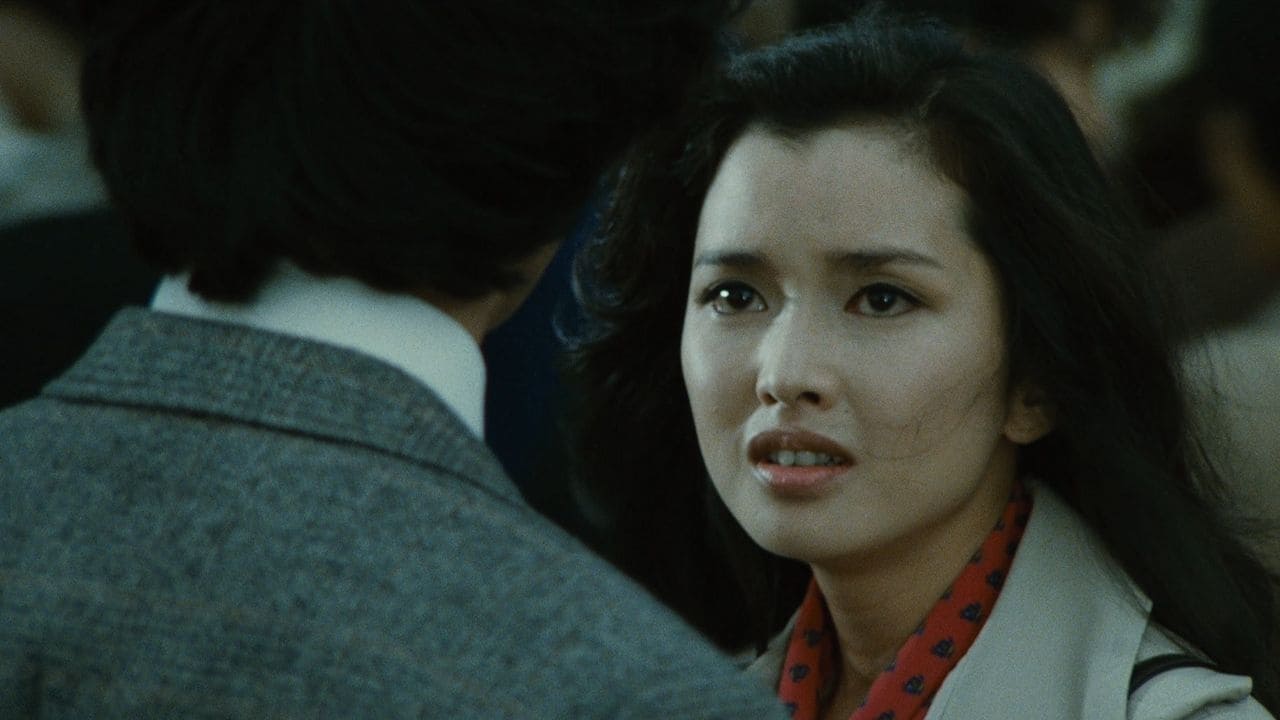
The silence after the end of the world. That's the sound, the feeling, that sticks with you long after the static hiss returns to the screen following Kinji Fukasaku's sprawling 1980 epic, Virus (often found lurking on rental shelves as Day of Resurrection). This wasn't your typical Friday night popcorn fare; this was a film that demanded your attention, pulled you into its chillingly plausible nightmare, and left you contemplating the fragility of it all as the VCR clock blinked into the early morning hours. It aimed for the bleak grandeur of films like On the Beach, filtered through a distinctly late-70s/early-80s lens of global paranoia.
Echoes of Extinction
The premise is pure Cold War terror amplified to apocalyptic levels: a deadly virus, accidentally unleashed, wipes out almost all human life. The only survivors are the personnel of several international research stations in Antarctica, blissfully unaware until the radio silence becomes deafening. As if a global pandemic wasn't enough, the automatic Doomsday devices of the superpowers remain active, threatening to finish the job with nuclear annihilation when seismic activity inevitably triggers them. It’s a countdown clock layered onto utter desolation, a scenario that felt terrifyingly potent in an era still living under the shadow of mutually assured destruction. Watching it now, the setup still carries a potent, grim weight – the sheer inevitability of the cascade of disasters stemming from human error and hubris.
A Global Gamble on Celluloid
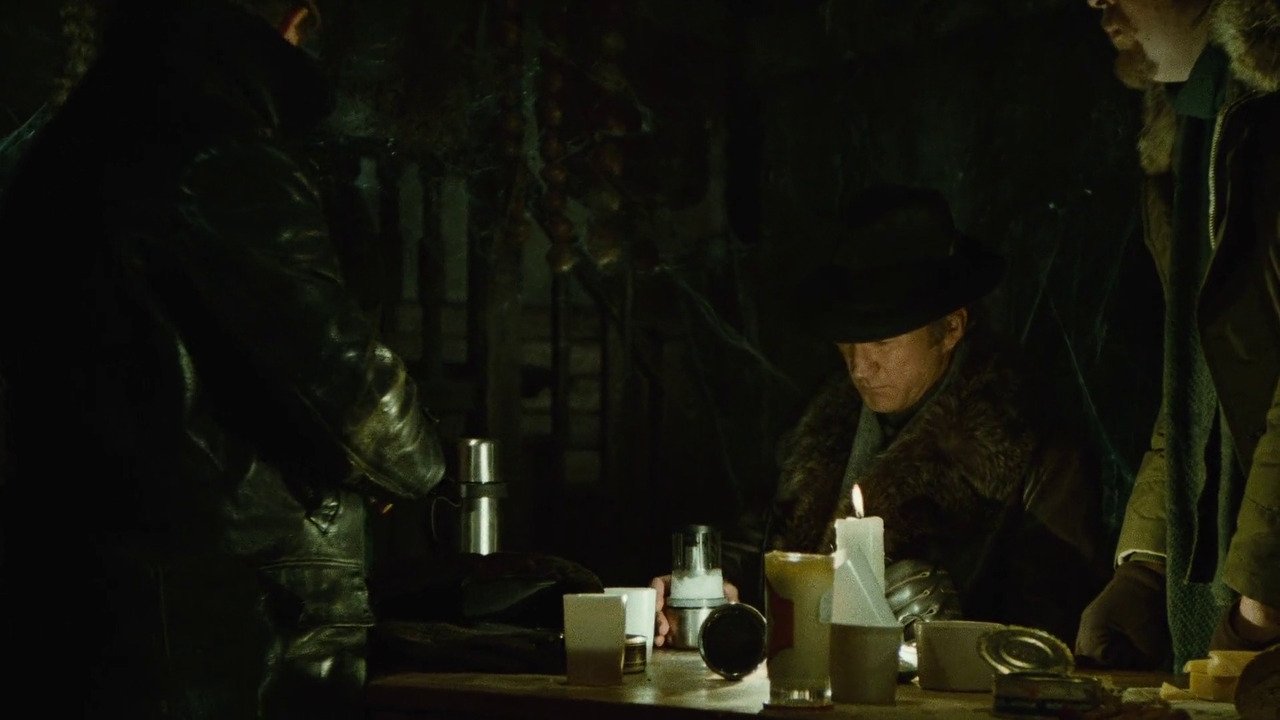
Virus was a colossal undertaking for Japanese cinema at the time, reportedly one of the most expensive films ever made there. Helmed by the legendary Kinji Fukasaku, a director who could navigate gritty Yakuza tales (Battles Without Honor and Humanity) and later redefine cinematic brutality with Battle Royale, this was his swing at a truly international blockbuster. The ambition is palpable on screen. You see it in the globe-trotting narrative, hopping from tense submarine interiors to sterile labs, and most impressively, to the stark, beautiful, and unforgiving landscapes of Antarctica itself. Fukasaku and his crew actually filmed extensively on location, lending the film an authenticity and scale that models and backlots just couldn't replicate. You feel the cold, the isolation, the crushing vastness of the environment mirroring the survivors' despair.
This international flavour extended to the cast, a fascinating mix of Japanese stars and familiar Western faces. We have the stoic lead Masao Kusakari grappling with his past and the future of humanity, alongside the always magnetic Sonny Chiba in a more grounded role than his usual martial arts fare. Sharing the screen are Hollywood veterans like Glenn Ford as the US President (a brief but pivotal role), George Kennedy as a pragmatic admiral, Robert Vaughn as a conflicted senator, and even Olivia Hussey as one of the Antarctic survivors. This blend sometimes feels a little disjointed, a common quirk of these international co-productions, but it also underscores the film’s theme: this is a global catastrophe, erasing borders even as the remnants of old nationalisms threaten final destruction.
The Antarctic Chill and Pacing Perils
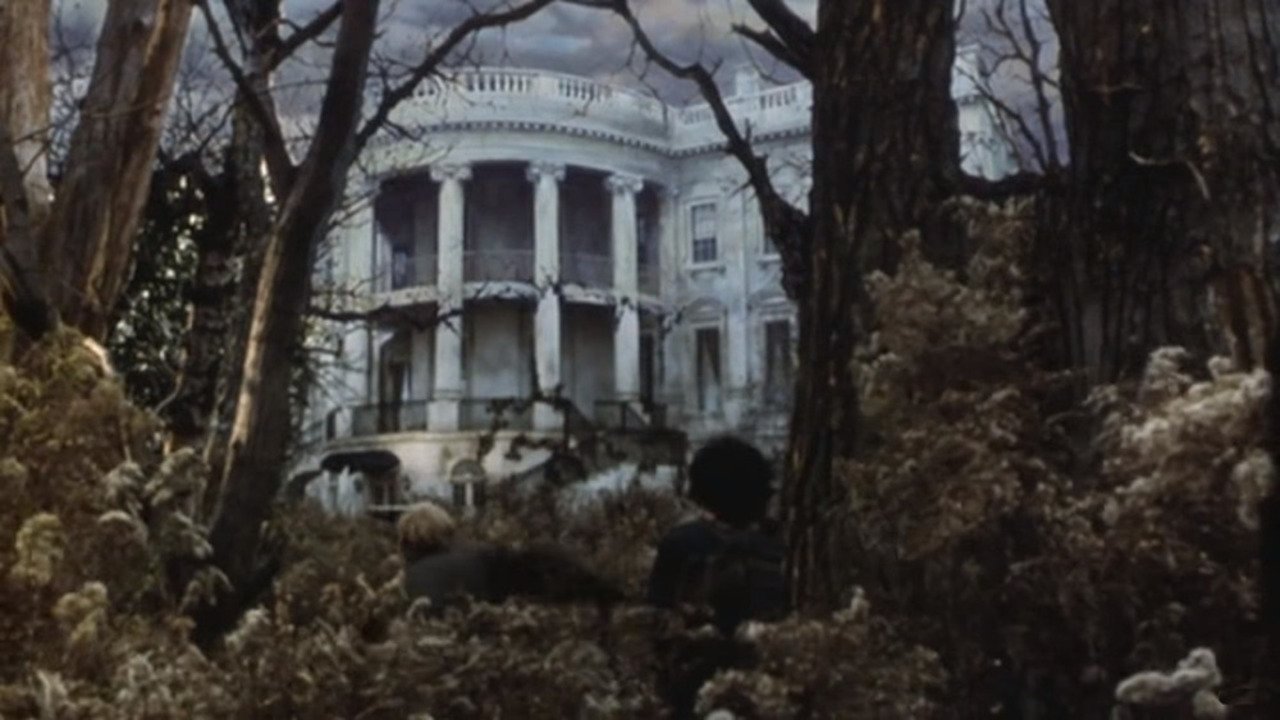
Where Virus truly excels is in capturing the atmosphere of its Antarctic refuge. The stark white landscapes, the claustrophobia of the research stations, the dwindling hope reflected in the characters' eyes – Fukasaku crafts moments of profound quiet and existential dread. The score often complements this beautifully, emphasizing the loneliness and the immense stakes. However, the film's ambition is also tied to its most significant challenge, especially for viewers discovering the full Japanese cut, which clocks in at a daunting two-and-a-half hours plus. My own well-worn tape felt like it needed a halftime break. The pacing can be glacial at times, dwelling perhaps a little too long on political maneuvering or submarine protocols before returning to the core human drama. The shorter US theatrical cut, while losing some nuance, arguably offered a tighter, if less epic, experience for audiences back then. Doesn't that runtime alone feel like a relic of a different viewing era?
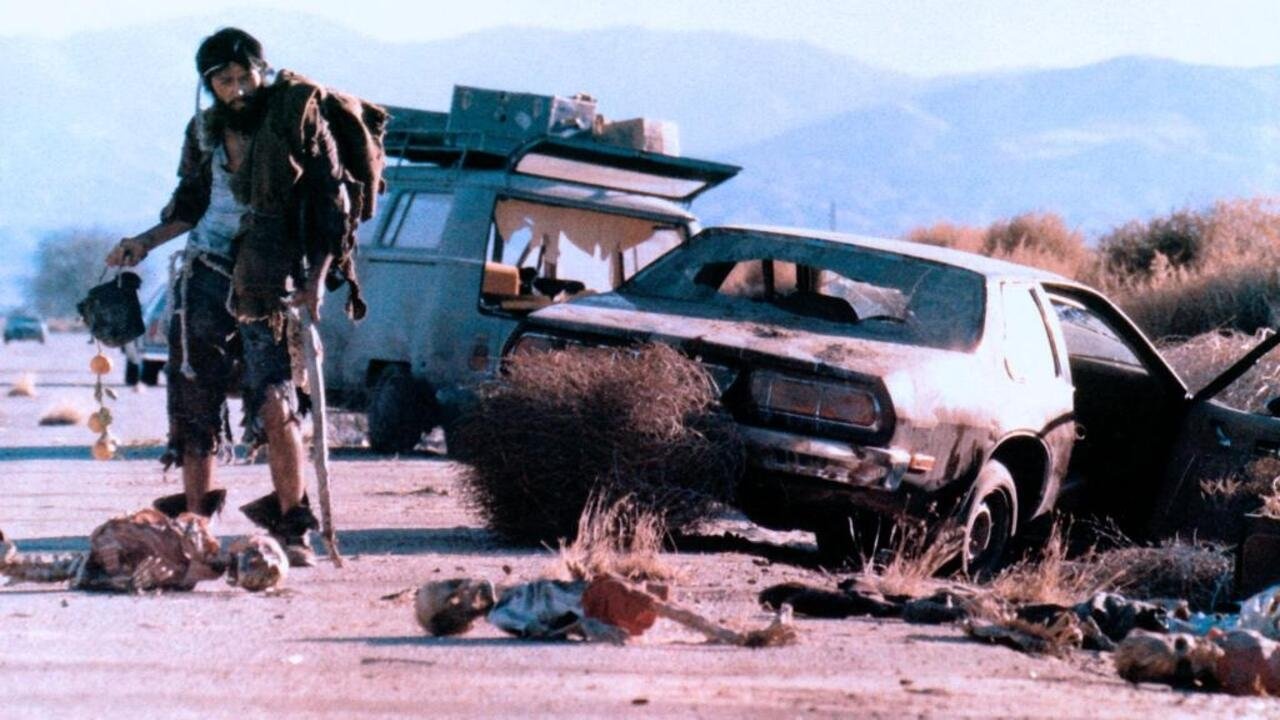
The practical effects, depicting the swift, gruesome end brought by the virus "MM88," have that distinct 80s feel. They might not hold up perfectly under modern scrutiny, but viewed through the fuzz of a CRT, they possessed a chilling finality. There’s a grimness to the depiction of mass death that avoids exploitation but doesn't shy away from the horror of the situation. It aimed for realism within its fantastical premise, a hallmark that makes it resonate more deeply than purely sensationalist disaster flicks.
Legacy of the Last Day
Virus wasn't a massive hit globally, perhaps hampered by its length, bleakness, and the logistical challenges of its international release. Yet, it remains a fascinating and often powerful piece of large-scale sci-fi filmmaking from an era just before digital effects would change the game. It’s a film brimming with ideas – about survival, leadership, the legacy we leave behind, and the terrifying potential for self-destruction baked into our geopolitical systems. It asks uncomfortable questions and refuses easy answers, opting instead for a sobering, almost elegiac tone.
For fans of ambitious, atmospheric sci-fi, especially those with a taste for the downbeat disaster epics of the 70s and early 80s, Virus is a significant, if sometimes demanding, watch. It’s a film that feels both grand and intimate, capturing the end of the world not just through spectacle, but through the quiet desperation in the survivors' faces against an unforgiving Antarctic backdrop.
Rating: 7/10
Justification: Virus earns points for its sheer ambition, impressive location work, palpable atmosphere of dread, and Fukasaku's assured direction handling a complex international production. The core concept remains chillingly effective. It loses points primarily for its significant pacing issues, particularly in the longer cut, and a slightly uneven feel resulting from the mixed international cast. Some elements inevitably feel dated.
Final Thought: More than just a disaster movie, Virus is a haunting elegy for a world on the brink, a reminder from the VHS era that sometimes the biggest threats are the ones we create ourselves, and the coldest chill comes not from the Antarctic ice, but from the silence that follows our mistakes.