### A Static-Filled Broadcast from a Future That Never Quite Arrived
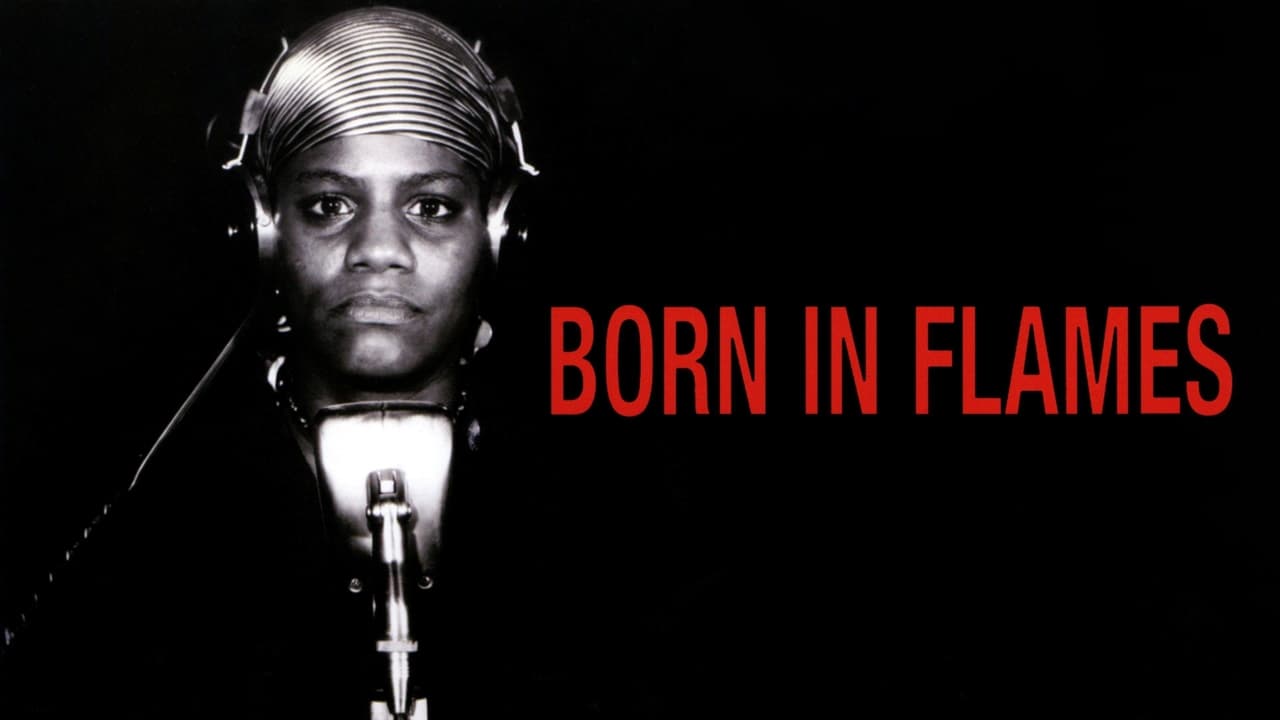
There's a particular thrill, isn't there, in unearthing a film from the stacks that feels less like polished entertainment and more like intercepted code? Pulling Lizzie Borden's Born in Flames (1983) from its worn sleeve always felt like that – tuning into something raw, urgent, and unapologetically messy. It doesn't gently invite you in; it throws you headfirst into the crackling static of a revolution simmering just beneath the surface of a supposedly reformed society. Forget slick sci-fi dystopias; this film hits differently, like a grainy news report beamed directly from the front lines of a struggle that feels disturbingly familiar.
### The Unfinished Revolution
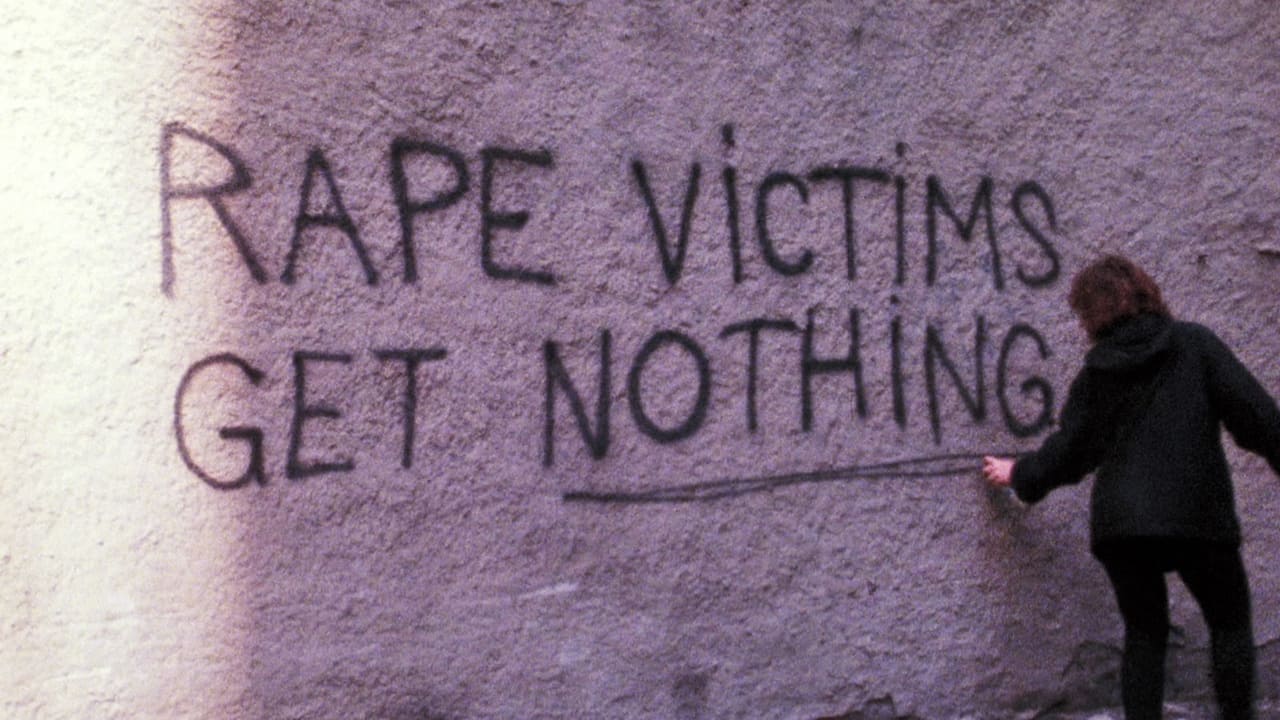
The premise itself is potent: ten years after a peaceful socialist democratic revolution in the United States, the promised equality remains elusive, particularly for women, people of color, and queer communities. What unfolds isn't a straightforward narrative but a fragmented mosaic – news clips, surveillance footage, talk shows, intercepted communications, and intimate glimpses into the lives of women organizing resistance. It’s a deliberate choice by writer-director Lizzie Borden, crafting a pseudo-documentary style that lends the film an unsettling authenticity. Watching it now, decades later, the grainy 16mm footage and rough-around-the-edges production don't feel like limitations; they feel like truth. This is what resistance might look like – fragmented, underfunded, broadcast from the margins. I distinctly remember renting this on a whim, drawn by the stark cover art, expecting maybe a punk rock adventure, and being utterly floored by its political ferocity and formal experimentation.
### Voices from the Underground
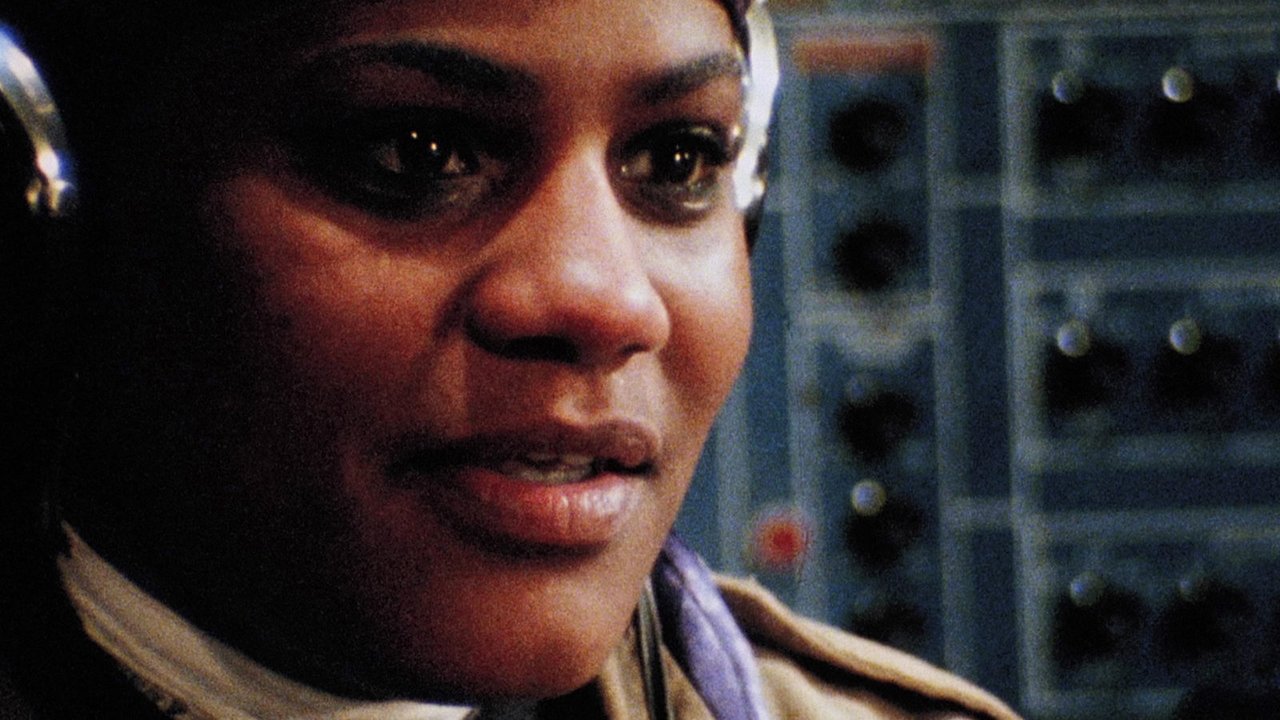
At the heart of the film are the pirate radio stations, broadcasting defiance against the state-controlled media. Honey, playing the broadcaster Honey, runs Phoenix Radio, her voice a calm, steady beacon calling for unity and action amongst women of color. Across the dial, Adele Bertei (a real figure from the NYC No Wave scene, fronting The Contortions) crackles with punk energy as Isabel, the face of Radio Ragazza. Their differing styles and the sometimes-tense alliances between various feminist factions – including the militant Women's Army led by the formidable Jeanne Satterfield as Adelaide Norris – form the film's complex core. There’s a bracing honesty in how Born in Flames portrays the internal debates and disagreements within the movement; it refuses easy answers or monolithic representation. The performances, often by non-professional actors drawn from activist and artistic circles, possess a raw conviction that transcends typical acting. They aren't just playing roles; they seem to be living the struggle, lending the film an electrifying immediacy that trained actors might struggle to replicate.
### Forged in Fire, Funded by Passion
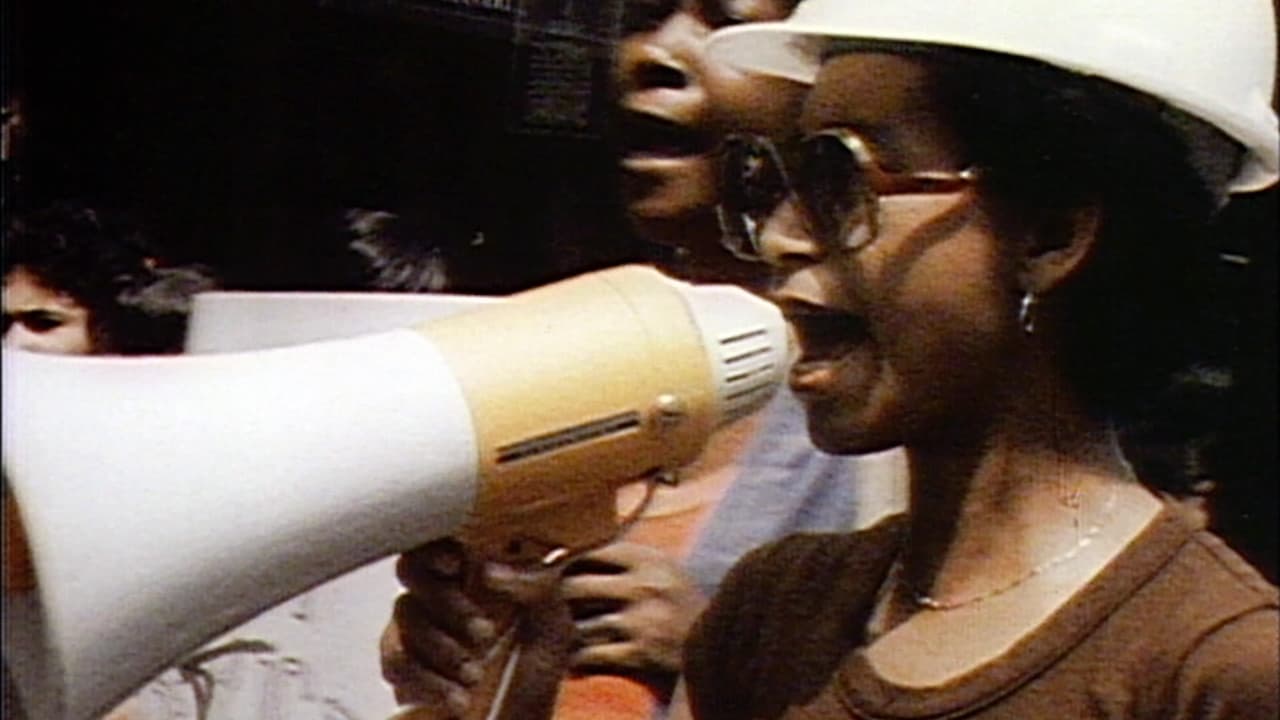
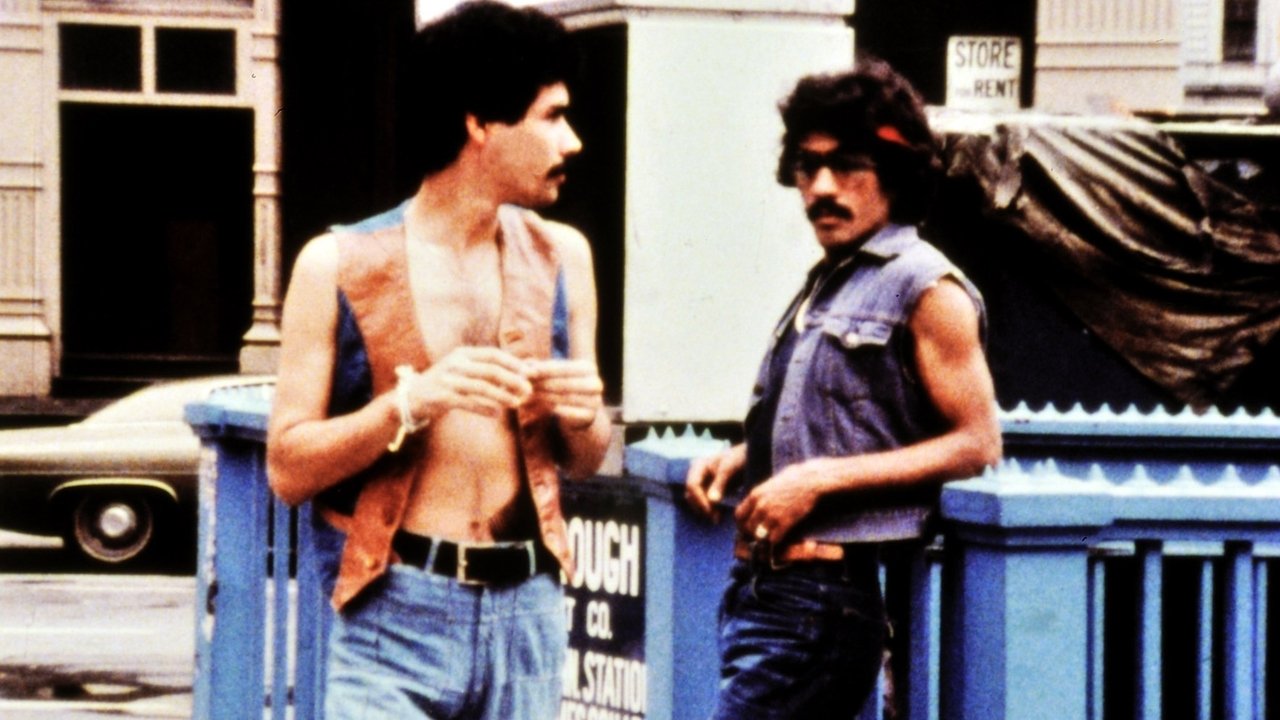
Understanding the context of Born in Flames' creation only deepens its impact. Lizzie Borden (who, fascinatingly, took her name from the infamous alleged axe-murderer as a statement) spent over five years bringing this vision to life, cobbling together a shoestring budget reported to be around $40,000. That's roughly $120,000 today – practically microscopic for a feature film, especially one tackling science fiction elements and complex action sequences, like the takeover of broadcast towers. This wasn't a studio picture; it was guerrilla filmmaking born from sheer will and community effort. You can feel the resourcefulness in every frame – the use of real locations, the integration of actual news footage, the palpable energy captured in scenes depicting meetings and protests. It premiered at the Berlin International Film Festival, finding acclaim abroad before slowly building its legendary cult status back home. It’s a testament to what passionate, politically engaged art can achieve outside the mainstream system.
### Questions That Still Burn
What truly elevates Born in Flames beyond a mere political statement is its enduring relevance. It probes questions we're still grappling with today. When peaceful means fail, what tactics are justifiable? How does media shape perception and control dissent? How do struggles for liberation intersect across lines of race, class, and sexuality? The film doesn't offer easy answers. Its depiction of a future where socialist ideals haven't eradicated sexism or racism feels depressingly prescient. Doesn't the film's portrayal of fragmented movements struggling to unite against a pervasive system resonate uncomfortably with contemporary challenges? It forces you to confront the complexities of resistance and the slow, often frustrating, path toward genuine change. The film culminates in a shocking act of violence (Spoiler Alert! The bombing of the World Trade Center antenna, years before 9/11, which hits with an entirely different resonance now), a controversial choice that starkly poses the question of whether systemic oppression can ever be dismantled without resorting to the tools of the oppressor.
### An Essential Transmission
Born in Flames isn't a comfortable watch. It's challenging, sometimes abrasive, and its low-budget origins are undeniable. But its raw power, intellectual depth, and radical vision make it utterly essential viewing, especially for anyone interested in feminist cinema, political filmmaking, or the untamed spirit of independent cinema from the 80s. It’s a film that crackles with the energy of its time yet speaks volumes to our own.
Rating: 9/10
This score reflects the film's profound thematic depth, groundbreaking formal experimentation, and fierce political integrity. While its low-budget aesthetic might be jarring for some, it’s intrinsically linked to its power and authenticity. Born in Flames is a vital, challenging piece of cinematic history that achieved so much with so little, earning its place as a landmark of feminist and independent film.
It leaves you not with easy answers, but with a lingering static hum – the sound of questions still demanding to be heard, urging you to keep listening for those voices broadcasting from the margins.