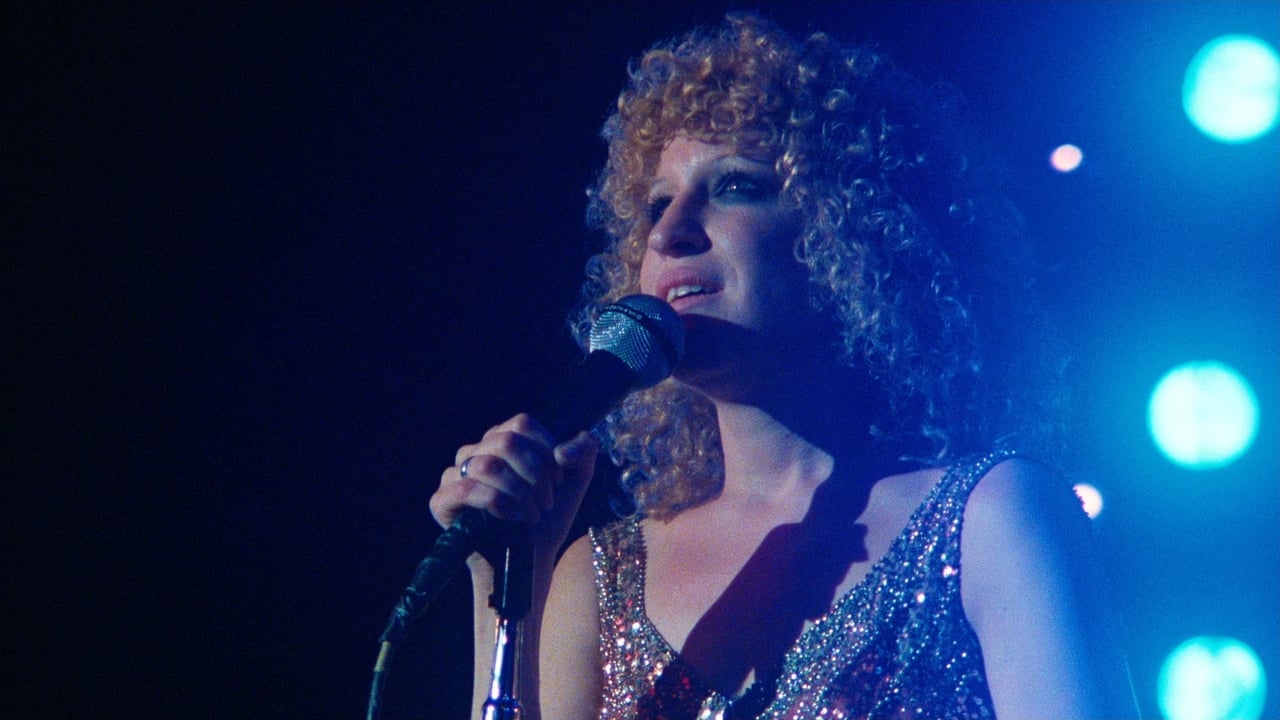
It's hard to shake the image of Mary Rose Foster, eyes wide, voice cracking, utterly spent yet still somehow defiant, standing alone under the glare of stage lights that offer illumination but no warmth. Mark Rydell's The Rose (1979) isn't just a film; it's an emotional excavation, a raw, unflinching look at the blinding highs and devastating lows of rock superstardom, anchored by a performance that feels less like acting and more like channeling a whirlwind. Watching it again now, decades after first sliding that well-worn VHS tape into the VCR, its power hasn't diminished – if anything, the intervening years have only sharpened its tragic resonance.
A Star's Descent
The story follows Rose (Bette Midler in a staggering feature film debut), a rock 'n' roll singer burning the candle at both ends and down the middle during a grueling tour. Exhausted, self-destructive, and desperate for genuine connection, she's surrounded by people yet achingly alone. Her relentless manager, Rudge Campbell (Alan Bates), pushes her relentlessly towards a hometown comeback show she dreads, seeing her less as a person and more as a commodity. A fleeting chance at something real seems possible with Huston Dyer (Frederic Forrest), a chauffeur who goes AWOL, but even that relationship becomes fraught with the pressures and baggage Rose carries. The film charts her chaotic journey, fueled by booze, drugs, and an almost unbearable need for validation, hurtling towards an inevitable, heartbreaking conclusion.
The Divine Miss M Unleashed
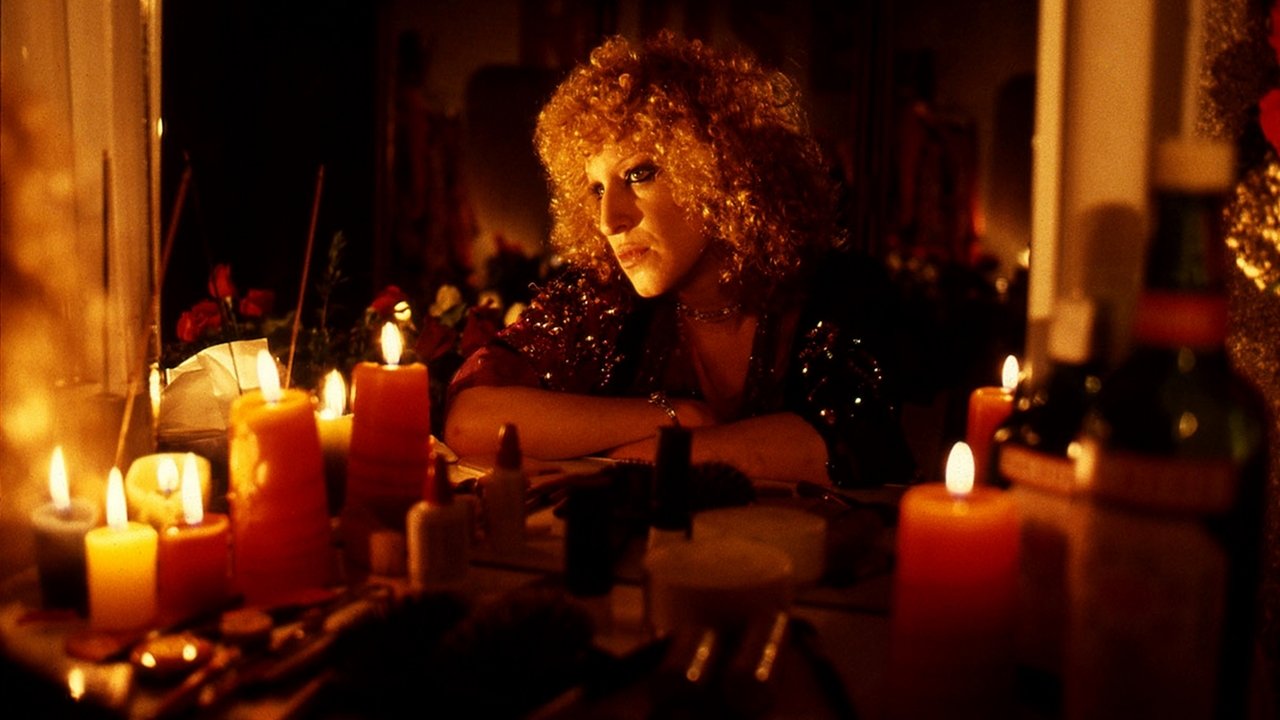
Let's be clear: The Rose belongs entirely to Bette Midler. Fresh off her electrifying stage persona, she doesn't just play Rose; she inhabits her. It’s a performance of astonishing vulnerability and ferocious power. One minute she's belting out bluesy rock anthems with sweat-drenched abandon, commanding thousands; the next, she's fragile, lost, desperately seeking comfort in all the wrong places. There's no vanity here, only raw, exposed nerve endings. Midler captures the paradox perfectly: the magnetic performer who craves the spotlight but is simultaneously consumed by it. You understand why people are drawn to her fire, even as you watch her get burned. It earned her a well-deserved Academy Award nomination, and it remains one of the most potent big-screen debuts imaginable. I remember seeing this for the first time, perhaps rented from the 'Drama' section of the local video store, and being utterly unprepared for the emotional wallop Midler delivered. It felt dangerous, authentic, worlds away from typical Hollywood fare.
Orbiting Forces and Gritty Realism
Supporting Midler are two crucial performances. Alan Bates is chillingly effective as Rudge, the manager whose motivations blur the line between professional duty and parasitic control. He embodies the industry machine that chews artists up and spits them out, his calm demeanor barely masking a ruthless pragmatism. Is he evil, or just a product of a brutal system? The film leaves that unsettling question hanging. Frederic Forrest, also earning an Oscar nomination, brings a quiet intensity to Huston. He offers Rose a glimpse of escape, a different kind of life, but he's also flawed, perhaps unable to handle the sheer force of nature she represents. Their scenes together crackle with a desperate, uncertain energy.
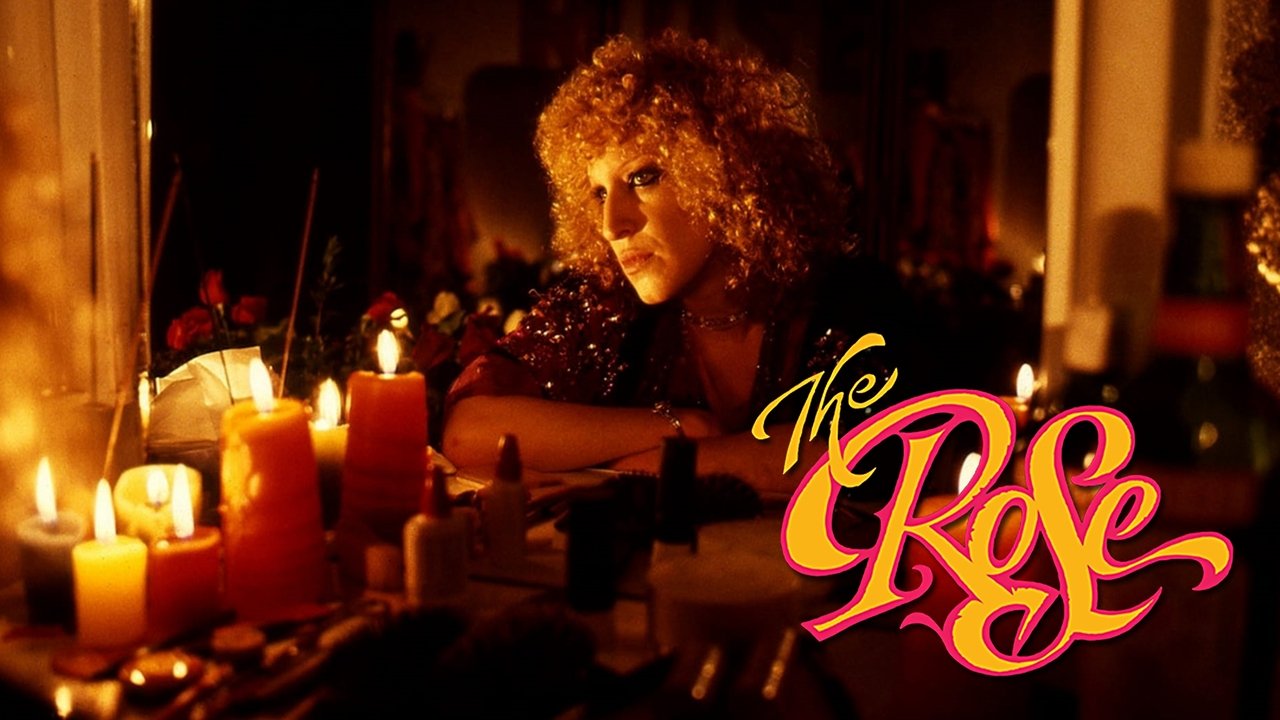

Director Mark Rydell, who would later give us the much gentler On Golden Pond (1981), masterfully captures the chaos and grit of the late 70s rock scene. The concert sequences, filmed with multiple cameras often running for extended takes in real venues like LA's Wiltern Theatre and Shrine Auditorium, feel thrillingly immediate and immersive. Rydell reportedly pushed Midler to perform full-out, take after take, capturing the physical and emotional toll of performance – you feel Rose's exhaustion seep through the screen. This commitment to authenticity permeates the entire film, giving it a raw, almost documentary-like quality at times.
Echoes of Janis and Production Notes
It's impossible to discuss The Rose without acknowledging its origins. The project began life as "Pearl," a planned biopic of Janis Joplin, but securing the life rights proved difficult. Screenwriter Bo Goldman (who penned One Flew Over the Cuckoo's Nest) was brought in to rework Bill Kerby's initial script, transforming it into a fictionalized story heavily inspired by Joplin's meteoric rise and tragic fall, but distinct enough to stand on its own. While Midler and the filmmakers downplayed direct comparisons, the parallels are undeniable, adding another layer of poignant realism.
The film itself was a significant undertaking. Made for around $8-9 million, its gritty realism and intense themes earned it an R rating. Yet, it connected with audiences, grossing over $29 million domestically (that's roughly $120 million in today's money – a solid hit) and spawning a massively successful soundtrack album. Midler won a Grammy for the title track, Amanda McBroom's haunting ballad "The Rose," which, ironically, wasn't initially favored by the producers but became an enduring standard. Think about that – a song almost cut became the film's most lasting musical legacy outside of Midler's fiery rock performances.
Still Resonating After All These Years
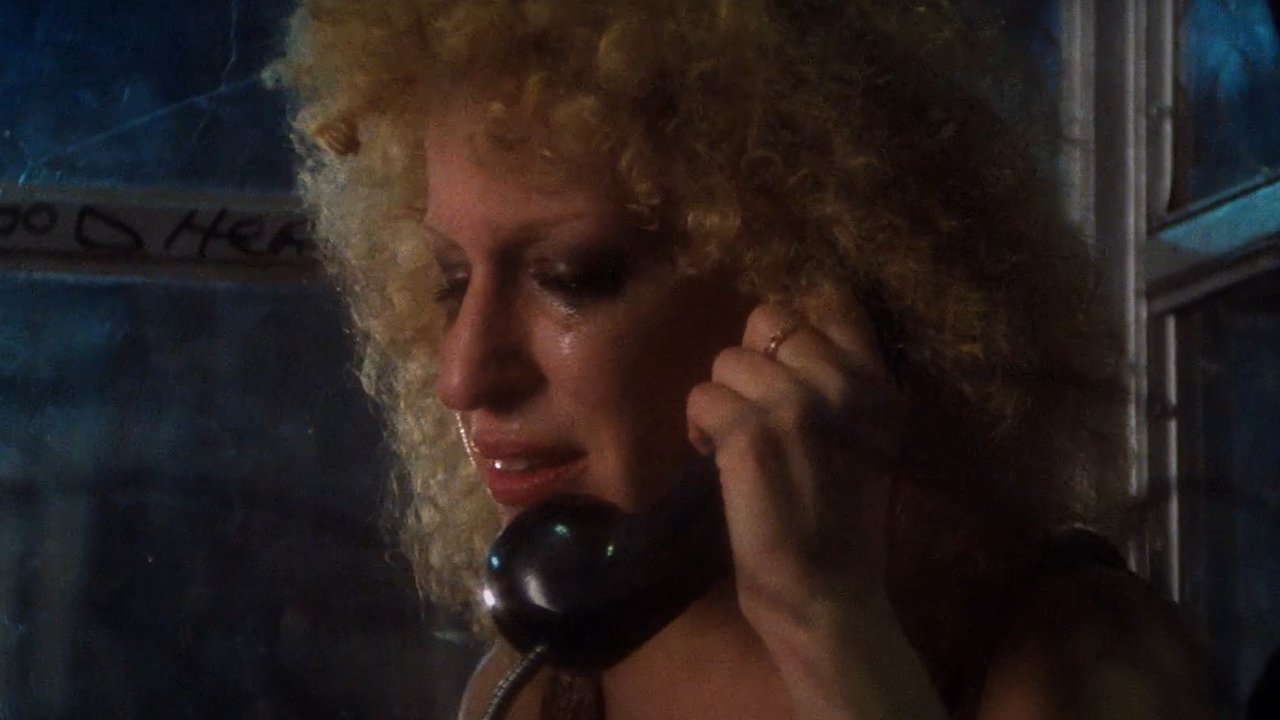
What makes The Rose endure isn't just the powerhouse performance or the killer soundtrack. It's the film's brutal honesty about the human cost of fame, the loneliness that can exist within a cheering crowd, and the desperate search for love and acceptance. It avoids easy answers or romanticizing self-destruction. Rose is deeply flawed, often making terrible choices, yet Midler makes us empathize with her pain, her yearning, her brief moments of defiant joy. Doesn't the pressure Rose faces – the relentless demand for more, the struggle for control over her own life and art – echo challenges artists still grapple with today? It feels depressingly timeless.
Rating: 9/10
This rating reflects the sheer, undeniable power of Bette Midler's performance, which remains one of the all-time greats. Coupled with Mark Rydell's immersive direction, strong supporting turns from Alan Bates and Frederic Forrest, and an unflinching script, The Rose achieves a level of raw emotional honesty rarely seen in films about the music industry. It's draining, intense, and unforgettable.
The Rose is more than just a movie remembered on a faded VHS cover; it's a searing portrait of talent and torment that stays with you long after the final, devastating frame. It asks profound questions about art, sacrifice, and the desperate human need to be truly seen, even when blinded by the spotlight.