Okay, fellow travelers in the land of magnetic tape and tracking adjustments, let’s dim the lights and slide a cassette into the VCR. Tonight, we’re looking back at a film that arrived like a shimmering, neon mirage in 1982, only to evaporate almost instantly at the box office, leaving behind whispers of ruin and audacious dreams. I’m talking about Francis Ford Coppola’s One from the Heart.
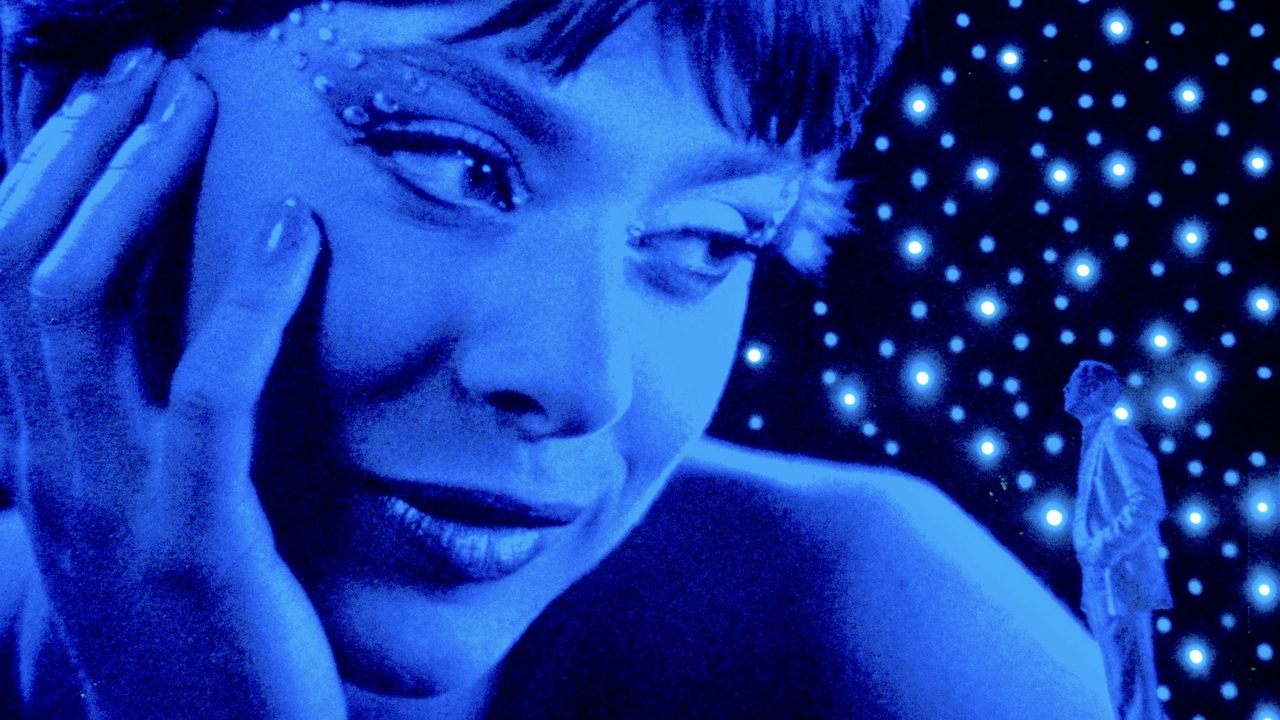
Does anyone else remember the almost mythic status this film attained, not necessarily for being seen, but for being heard about? It was Coppola, the titan behind The Godfather (1972) and Apocalypse Now (1979), betting the entire farm – his brand new Zoetrope Studios – on a small-scale romance blown up into an epic, studio-bound musical fantasy. The stories of its troubled production and financial implosion were almost more famous than the film itself. Watching it now, on a format perhaps more forgiving than the unforgiving glare of its initial release, feels like excavating a fascinating, beautiful artifact.
A Vegas Built on Dreams and Soundstages
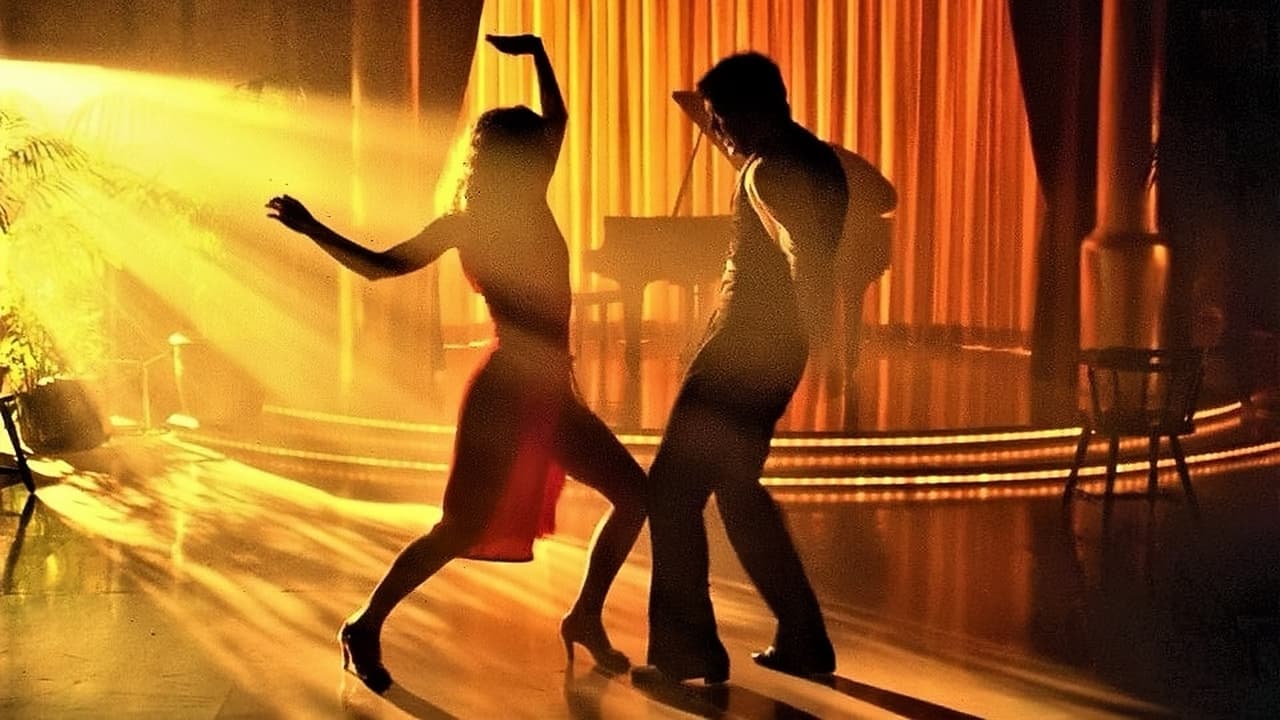
The premise is deceptively simple: Hank (Frederic Forrest) and Frannie (Teri Garr), a couple living together in Las Vegas, break up during a bitter Fourth of July argument. Over one long, dazzling night, they each pursue their romantic fantasies – Hank with the alluring circus performer Leila (Nastassja Kinski) and Frannie with the suave singer/waiter Ray (Raul Julia). The setting isn't the real Las Vegas, though. It's a breathtakingly artificial construct, built entirely on Zoetrope's soundstages by legendary production designer Dean Tavoularis. Every streetlamp, every storefront, every impossibly perfect sunset feels meticulously crafted, less a location and more a state of mind. It's a choice that immediately distances the film from gritty realism, plunging us headfirst into a world governed by heightened emotion and theatrical flair.
Coppola's Audacious Gamble
You simply can't discuss One from the Heart without acknowledging the monumental ambition – and risk – behind it. Coppola envisioned Zoetrope Studios as a new kind of dream factory, embracing cutting-edge technology. He pioneered the use of 'electronic cinema', essentially using video playback extensively during filming to pre-visualize and edit, a technique common now but revolutionary then. The goal was artistic freedom, but the price tag was immense. The budget, initially pegged around $2 million, famously ballooned to over $26 million (that's roughly $82 million in today's money – staggering!). When the film opened to critical confusion and audience indifference, grossing a catastrophic $637,000 (around $2 million today), it effectively bankrupted the studio and sent Coppola into a decade of more commercially-minded filmmaking to pay off the debts. It stands as one of Hollywood's most potent cautionary tales about unchecked artistic vision meeting financial reality. But knowing this backstory, doesn't it add a layer of poignancy to the film's very themes of chasing elusive dreams?
Bathed in Neon, Sung by Tom Waits
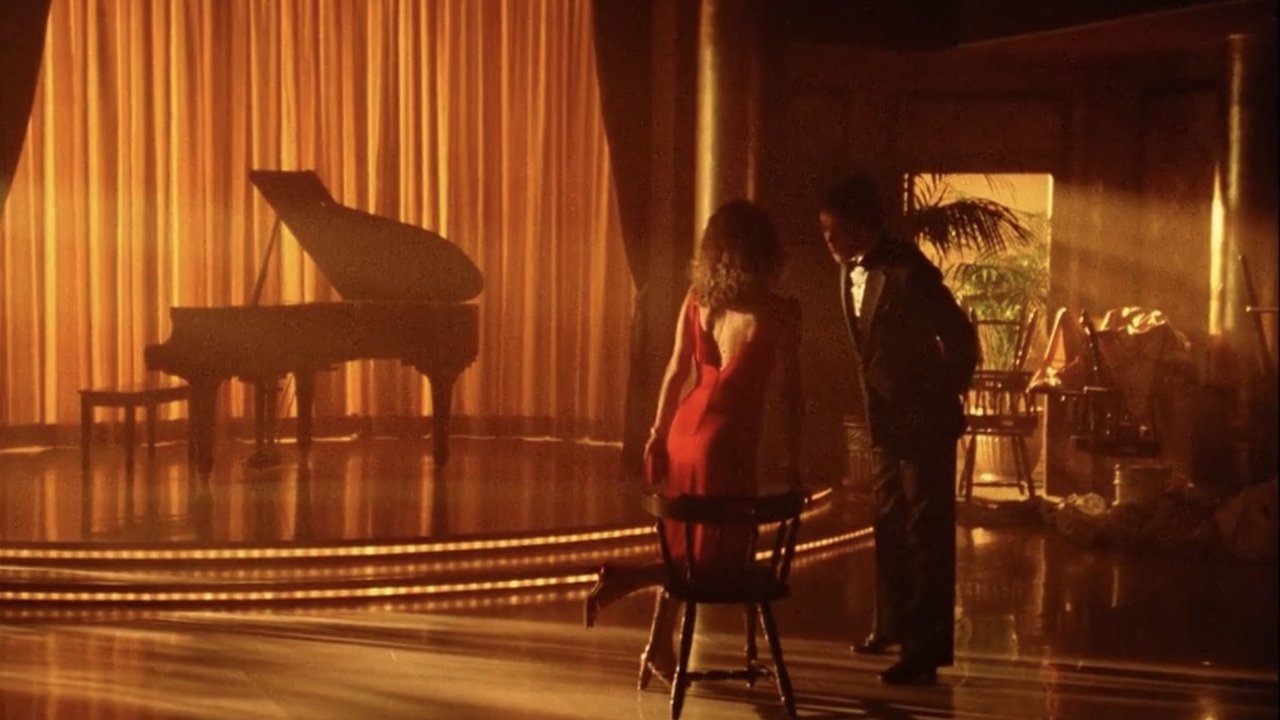
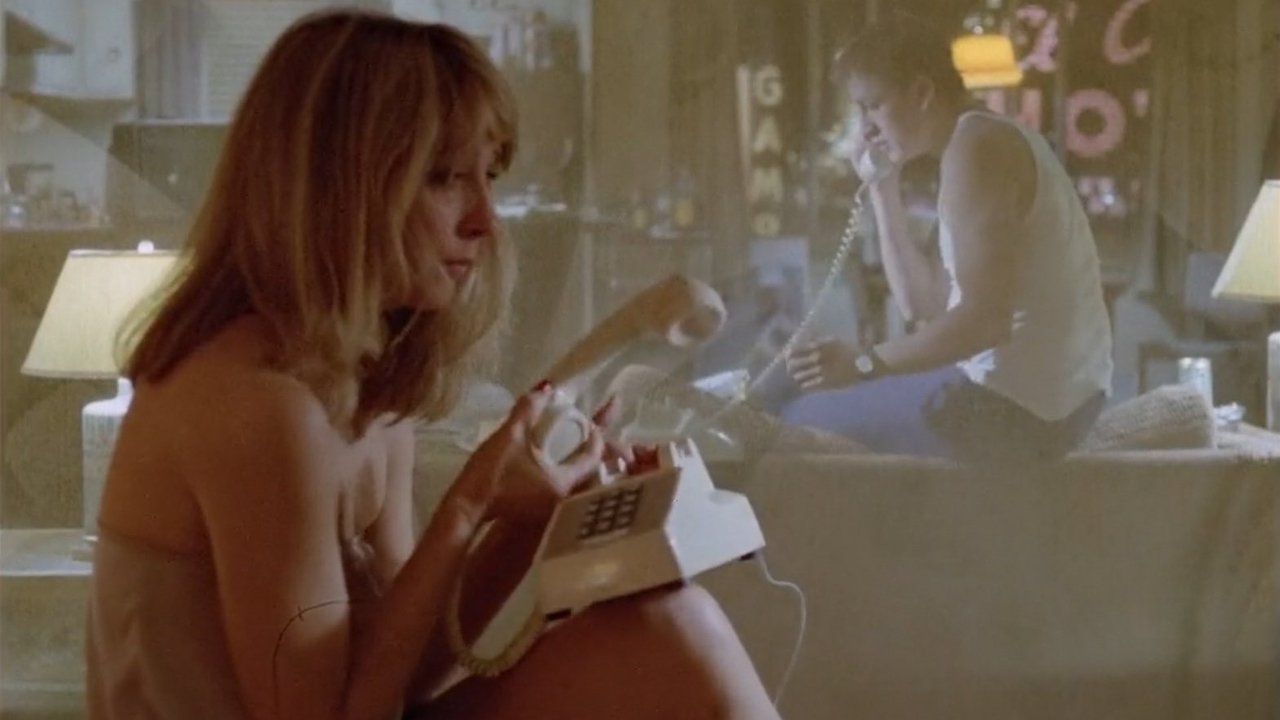
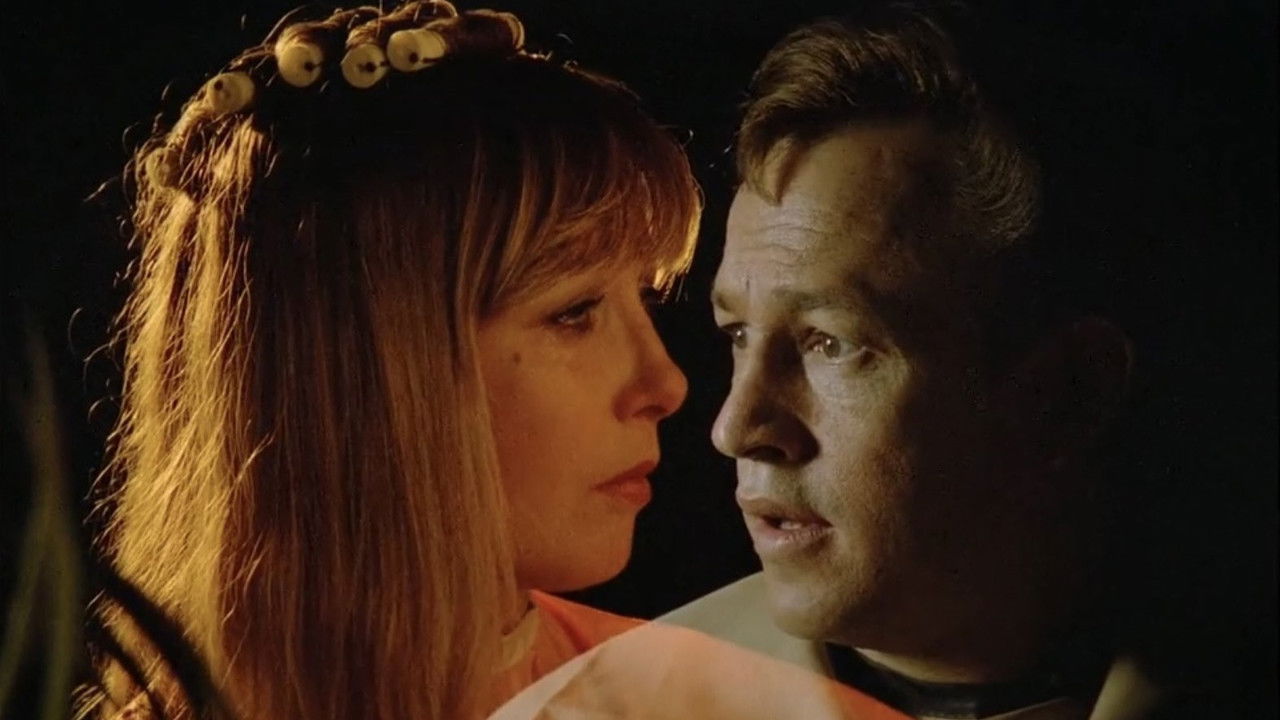
Visually, the film is an absolute feast. Vittorio Storaro’s cinematography is painterly, bathing scenes in saturated blues, reds, and golds. The camera glides, dissolves seem to melt scenes together like memories, and the lighting often emphasizes the theatricality of it all. It feels less like a movie and more like an elaborate stage musical captured on film, an effect amplified by the score. The music, oh, the music! The gravelly voice of Tom Waits duetting with the crystal clarity of Crystal Gayle provides the film’s soul. Their songs aren’t just background; they function almost as a Greek chorus, commenting on Hank and Frannie’s inner turmoil, articulating the longing and regret they often struggle to express themselves. It's a unique and integral part of the film's DNA, arguably one of its most successful experiments. I still find myself humming "Picking Up After You" days after watching it.
Anchors in a Sea of Style
Amidst this deliberate artifice, the performances provide the crucial human element. Frederic Forrest and Teri Garr are perfectly cast as the central couple. They aren't glamorous movie stars; they feel like real people, flawed and relatable, wrestling with dissatisfaction and the gap between romantic ideals and mundane reality. Forrest’s Hank is gruff, insecure, prone to misplaced pride, while Garr’s Frannie radiates a yearning for something more, a spark that seems to have faded. Their grounded portrayals prevent the film from floating away entirely into its own stylization. Raul Julia, dripping with charisma, embodies the Latin lover fantasy figure Frannie seeks, while Nastassja Kinski brings an ethereal, otherworldly quality to Leila, Hank’s fleeting escape. They represent the idealized alternatives, the shimmering possibilities just out of reach. Their effectiveness lies in how they contrast with the lived-in authenticity of Hank and Frannie.
A Flawed Diamond's Lasting Gleam
So, does One from the Heart ultimately succeed? It depends on what you're looking for. If you demand straightforward narrative drive and conventional romance, you might find it frustratingly languid or emotionally cool. The deliberate artificiality can sometimes create distance. But if you surrender to its unique aesthetic, its intoxicating atmosphere, and its heartfelt exploration of love's complexities – the desire for fantasy versus the comfort of flawed reality – it offers rich rewards. It’s a film that feels handcrafted, deeply personal, and utterly unique. It wasn't the hit Coppola needed, but its visual invention and emotional honesty have allowed it to endure, finding a devoted audience on VHS and beyond, appreciated now for the very boldness that initially doomed it. It asks us, perhaps, to consider the beauty in imperfection, both in relationships and in cinema itself.
Rating: 7/10
Justification: While the narrative can feel slight and the deliberate artifice might alienate some, the sheer visual artistry, the unforgettable Tom Waits/Crystal Gayle soundtrack, the committed performances by Forrest and Garr, and Coppola's audacious, if financially ruinous, vision make One from the Heart a compelling and unique piece of cinema. Its technical innovation and ambitious production design deserve recognition, even if the emotional connection isn't always as strong as the style. It earns a 7 for being a fascinating, beautiful experiment that dared to dream differently, even if it stumbled.
Final Thought: One from the Heart remains a shimmering testament to a particular kind of cinematic dream – extravagant, flawed, but undeniably heartfelt, a fascinating echo from an era when a major director could truly bet it all on a single, dazzling roll of the dice.