Stepping into the world of The Wanderers feels less like watching a movie and more like cracking open a time capsule unearthed from the concrete heart of the 1963 Bronx. There's a raw, restless energy pulsing through this film, a sense that something seismic is shifting just beneath the surface of jukebox tunes and teenage bravado. It wasn't a blockbuster that everyone saw opening weekend; for many of us, finding The Wanderers was probably a lucky grab from the "Cult Classics" shelf at the video store, a discovery that felt both thrillingly authentic and strangely dreamlike.

Welcome to the Neighborhood
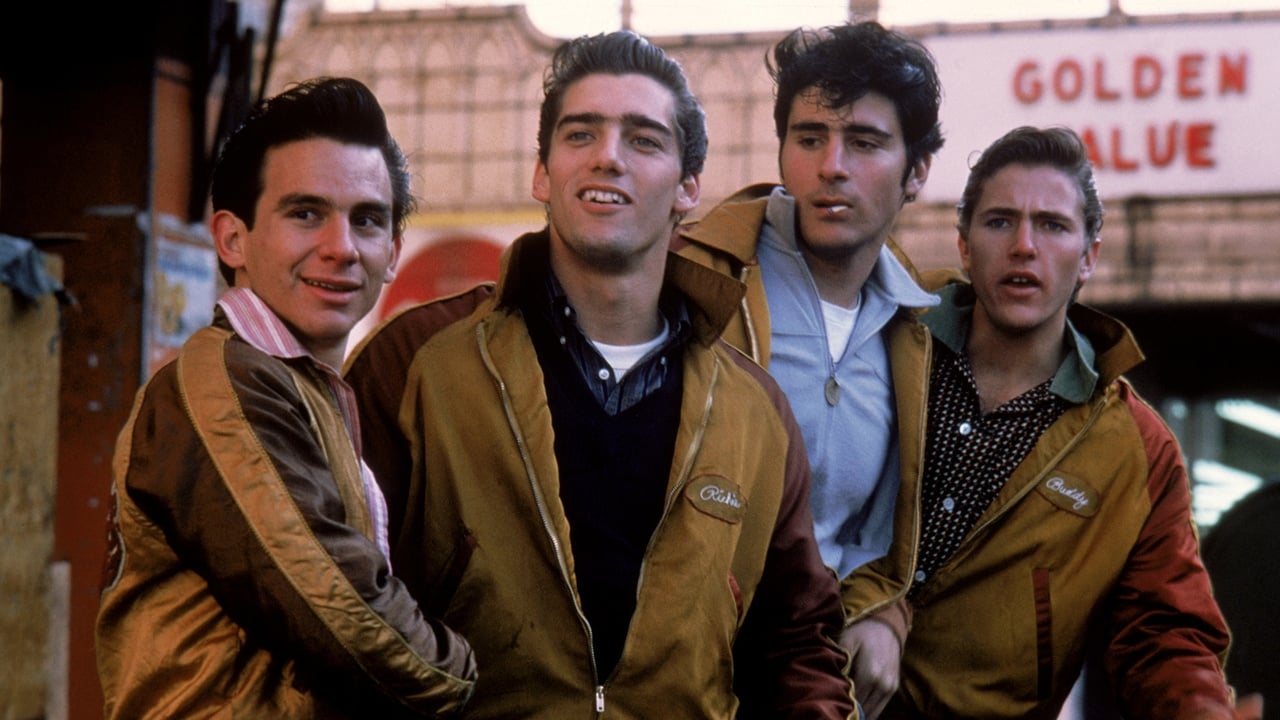
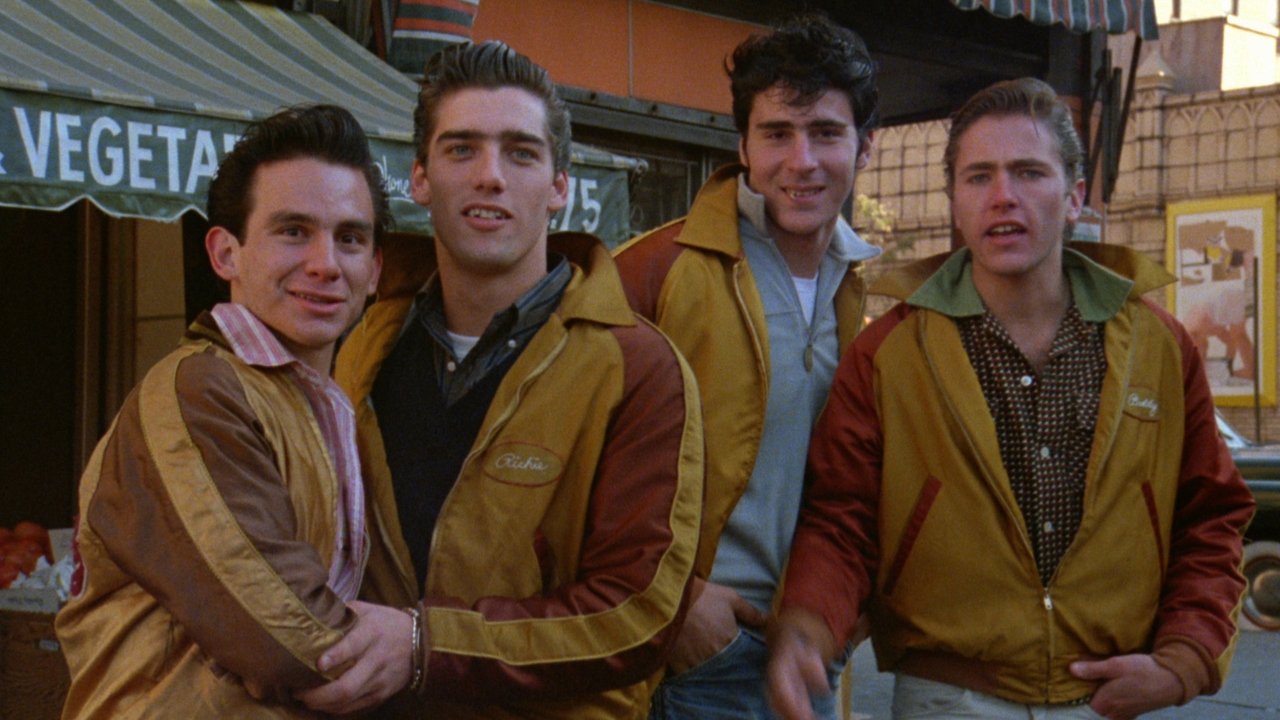
Directed and co-written by Philip Kaufman (who would later give us the soaring epic The Right Stuff), alongside his wife Rose Kaufman, and adapted from Richard Price's novel, the film plunges us headfirst into the lives of the Wanderers, an Italian-American street gang navigating the treacherous currents of adolescence. It's 1963, rock 'n' roll rules the airwaves, and the streets are carved up into territories fiercely defended by rival gangs. Our main crew – the smooth-talking Richie (Ken Wahl in a magnetic debut), the thoughtful Joey (John Friedrich), and the hulking Perry (Tony Ganios) – are just trying to figure things out: girls, school, avoiding beatdowns, and what comes next.
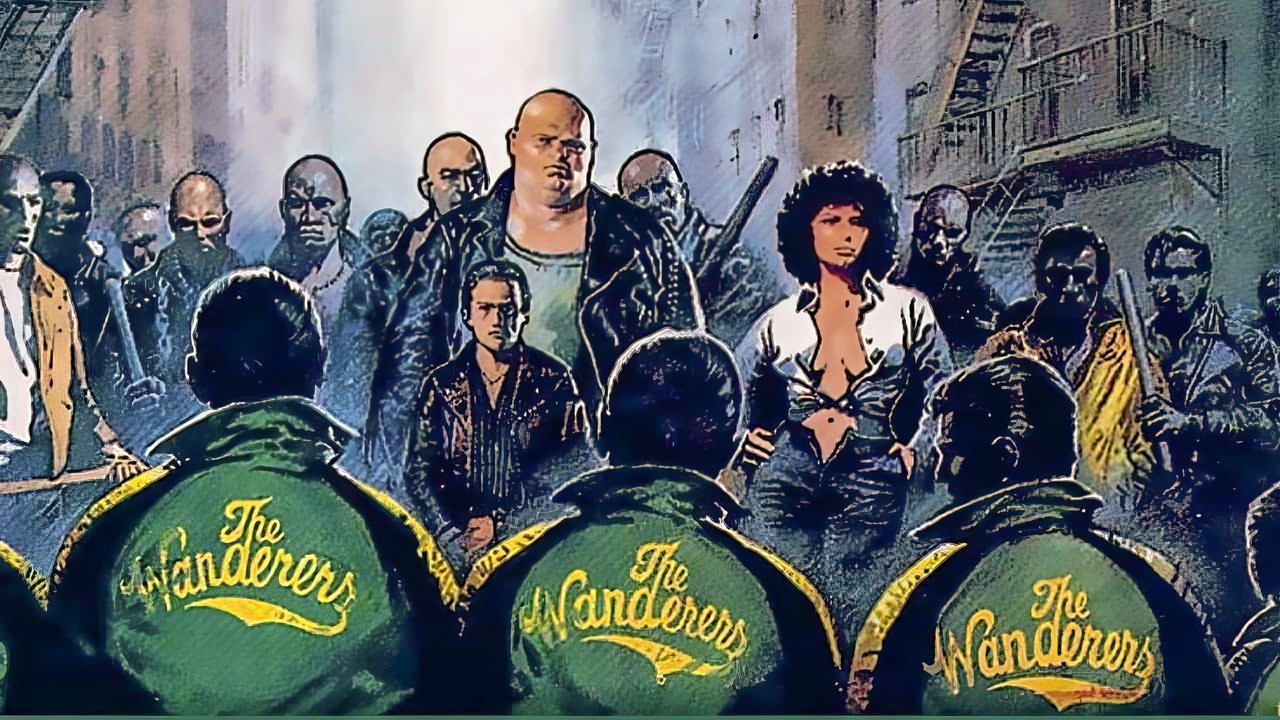
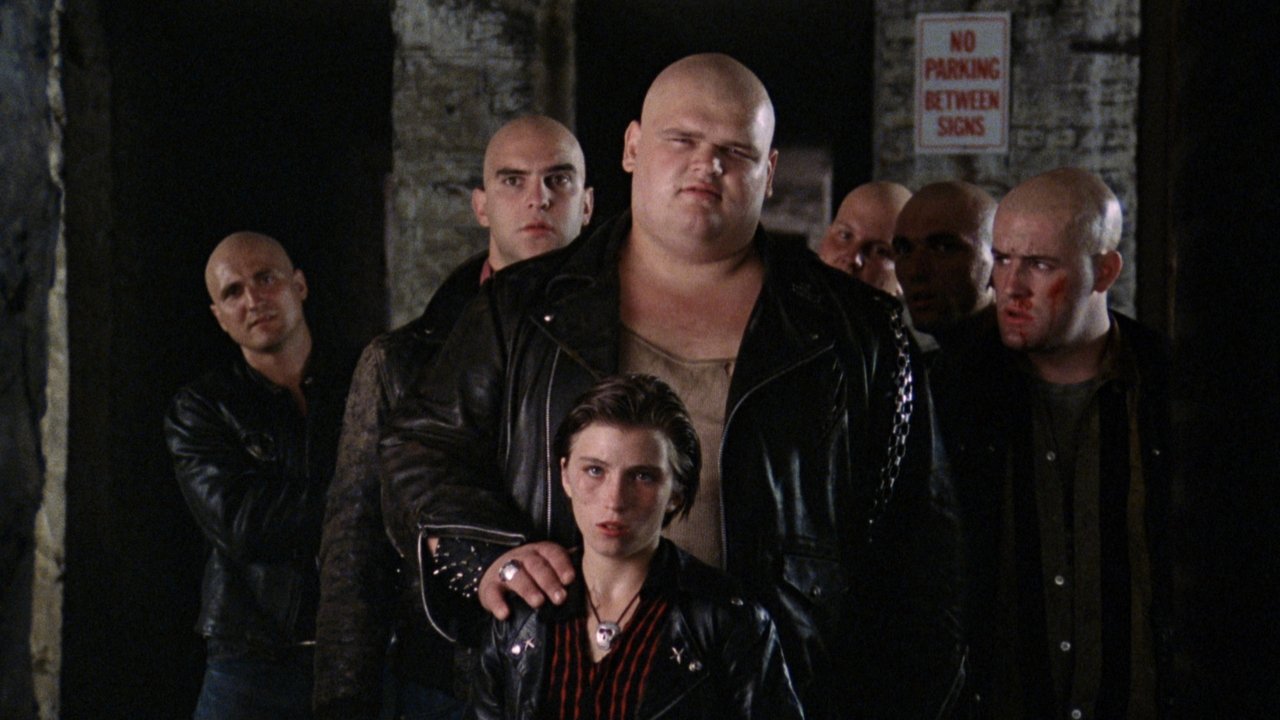
The film doesn't really have a tight, conventional plot. Instead, it drifts through a series of vignettes, capturing the rhythms and rituals of their lives. There are tense confrontations with the Fordham Baldies (led by the intimidating Terror, played by Erland Van Lidth), unnerving encounters with the near-mythical, silent Ducky Boys, and comical run-ins with the all-black Del Bombers and the martial arts-wielding Wongs. It’s a vivid tapestry of urban youth culture on the cusp of major change.
Faces in the Crowd
What truly makes The Wanderers stick with you are the characters and the performances. Ken Wahl, reportedly discovered while working delivering pizzas, embodies Richie's swagger and underlying vulnerability perfectly. He’s the charismatic leader, trying to navigate his relationship with Despie (Toni Kalem) while being tempted by Nina (Karen Allen, radiating charm just before she found the Ark of the Covenant in Raiders of the Lost Ark). John Friedrich as Joey provides the film's conscience, observing the chaos with a more melancholic eye.
And who could forget the supporting players? Linda Manz as Peewee, Terror's tiny, tough-talking girlfriend, steals every scene she’s in with a performance that feels utterly genuine and unforgettable. The rival gangs aren't just faceless threats; they possess distinct, often bizarre personalities – the almost supernatural presence of the Ducky Boys, stalking through the fog, remains one of the film's most haunting images. Kaufman manages to make these groups feel both menacing and, at times, absurdly comical.
Sounds and Sights of '63 (Retro Fun Facts)
Shot on location in the Bronx, Philip Kaufman masterfully recreates the atmosphere of 1963. The film looks and feels authentic, from the greasy spoons to the dimly lit bowling alleys. A significant part of this immersion comes from the killer soundtrack – a non-stop parade of Dion, The Four Seasons, The Shirelles, and other golden oldies that aren’t just background noise; they’re the heartbeat of the era. Interestingly, the film had a relatively modest budget (around $4 million), forcing Kaufman to be resourceful. This often enhances the gritty realism.
While based on Richard Price's acclaimed novel, the film takes liberties, shifting towards a more nostalgic, sometimes slightly romanticized tone compared to the book's harsher realism – a point Price himself was reportedly not thrilled about initially. Another fun tidbit: the legendary final football game sequence against the Del Bombers wasn’t just choreographed action; it feels chaotic and real, partly because many of the extras were actual neighborhood guys, adding to the authentic energy (and probably a few genuine bumps and bruises!). The scene where the Baldies interrupt the game is pure, unadulterated cinematic mayhem.
Growing Pains and Enduring Echoes
Beneath the rumbles and the rock 'n' roll, The Wanderers is a poignant coming-of-age story. It explores themes of loyalty, friendship breaking apart, the casual racism of the era, and the anxieties of facing an uncertain future. The characters grapple with expectations – from their families, their peers, and themselves. There's a melancholic undercurrent running through the film, a sense that this specific world, this way of life, is fading. The looming shadow of the Vietnam War and the shattering news of JFK's assassination towards the film's end mark a definitive end to innocence, both for the characters and the country.
It’s this blend of rowdy energy, genuine heart, and historical awareness that elevates The Wanderers beyond a simple gang flick. It captures that fleeting moment between boyhood and manhood with honesty and style.
Why It Still Loiters in Our Hearts
The Wanderers wasn't a massive hit upon its 1979 release, often getting a limited run. But like so many beloved films from this era, it found its true audience on home video and late-night television screenings. Renting that tape felt like uncovering a hidden gem, a film buzzing with life and attitude. It's rough around the edges, sure, but that's part of its enduring charm. It doesn't offer easy answers or neat resolutions, much like life itself. It perfectly captures a specific time and place, yet its themes of friendship, change, and finding your way resonate across generations.
---
Rating: 8.5/10
The Wanderers earns this score for its unforgettable characters, vibrant atmosphere, killer soundtrack, and masterful blend of raw energy and poignant nostalgia. Philip Kaufman crafted a cult classic that feels both specific to its 1963 setting and timeless in its exploration of youth in transition. While perhaps less polished than some contemporaries, its authenticity and heart shine through, making it a standout piece of late-70s filmmaking that truly found its stride in the VHS era.
Final Thought: Like a faded leather jacket, The Wanderers carries the scent of rebellion, the sound of classic rock 'n' roll, and the bittersweet ache of memories from a world that’s gone but not forgotten. Wander on.