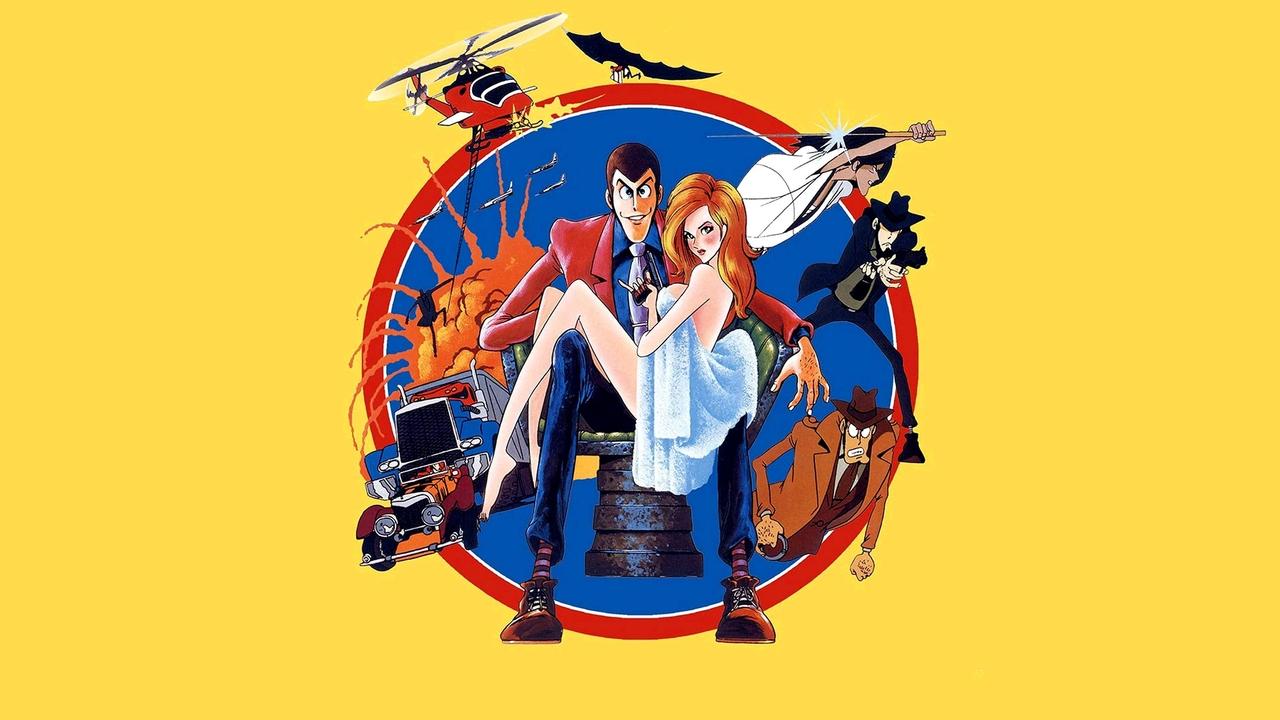
Alright fellow tape travellers, let’s rewind to a corner of the anime shelf that sometimes felt a bit… different. Maybe you stumbled upon it tucked between the more brightly-coloured boxes, perhaps drawn in by a name you vaguely recognised but animation that looked wilder, scratchier, somehow more adult. I'm talking about the first-ever theatrical outing for Japan's favourite master thief: Lupin the Third: The Mystery of Mamo (sometimes known as The Secret of Mamo), a 1978 whirlwind that likely hit many of our Western VCRs much later, offering a potent, sometimes baffling, shot of pure, uncut Lupin.
### Not Quite the Gentleman Thief We Expected?
Forget the suave, almost family-friendly adventurer Miyazaki would later give us in Castle of Cagliostro. This Lupin, brought to life under the direction of Sōji Yoshikawa (who co-wrote the screenplay with Eiichi Yamamoto, working from Monkey Punch's original concepts), is closer to the anarchic, morally ambiguous rogue from the manga's earliest days. The film kicks off with the apparent execution of Lupin III – a bold start! – only for our hero (voiced with irreplaceable swagger by the legendary Yasuo Yamada) to pop up very much alive, immediately plunging into a globe-trotting race against, well, everyone. He’s chasing immortality, sparring with the eternally enigmatic Fujiko Mine (Eiko Masuyama, capturing her allure and treachery perfectly), dodging the relentless Inspector Zenigata, and trying to unravel the secrets of the Howard Hughes-esque eccentric, Mamo. Oh, and Mamo claims to be God. Or at least, a 10,000-year-old clone who holds the key to eternal life. It gets weird. Gloriously weird.
### A Psychedelic Trip Around the World
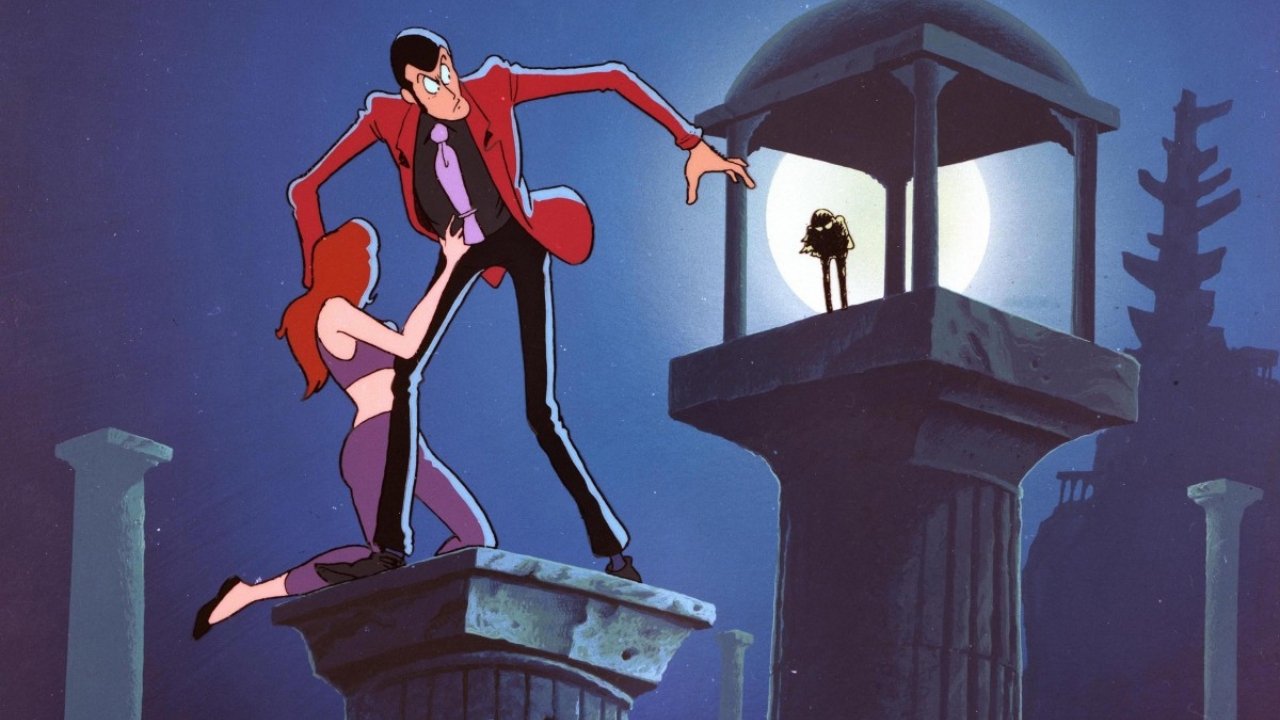
What immediately strikes you about Mamo is its sheer, unadulterated energy and its distinct visual style. The animation feels looser, more expressive, and occasionally veers into outright psychedelia, particularly during Mamo's bizarre monologues or the film's climax. It’s a far cry from the cleaner lines of the later TV specials or films, possessing a raw quality that feels incredibly dynamic, even decades later. The plot, frankly, is bonkers – leaping from Egypt to Colombia to Mamo's kaleidoscopic island fortress – but it serves as a fantastic framework for blistering action sequences, car chases that defy physics, and Lupin deploying gadgets that feel both ingenious and utterly absurd. Remember that feeling of watching something on a flickering CRT, the colours slightly oversaturated, and just being swept away by the sheer audacity of it all? Mamo bottled that lightning.
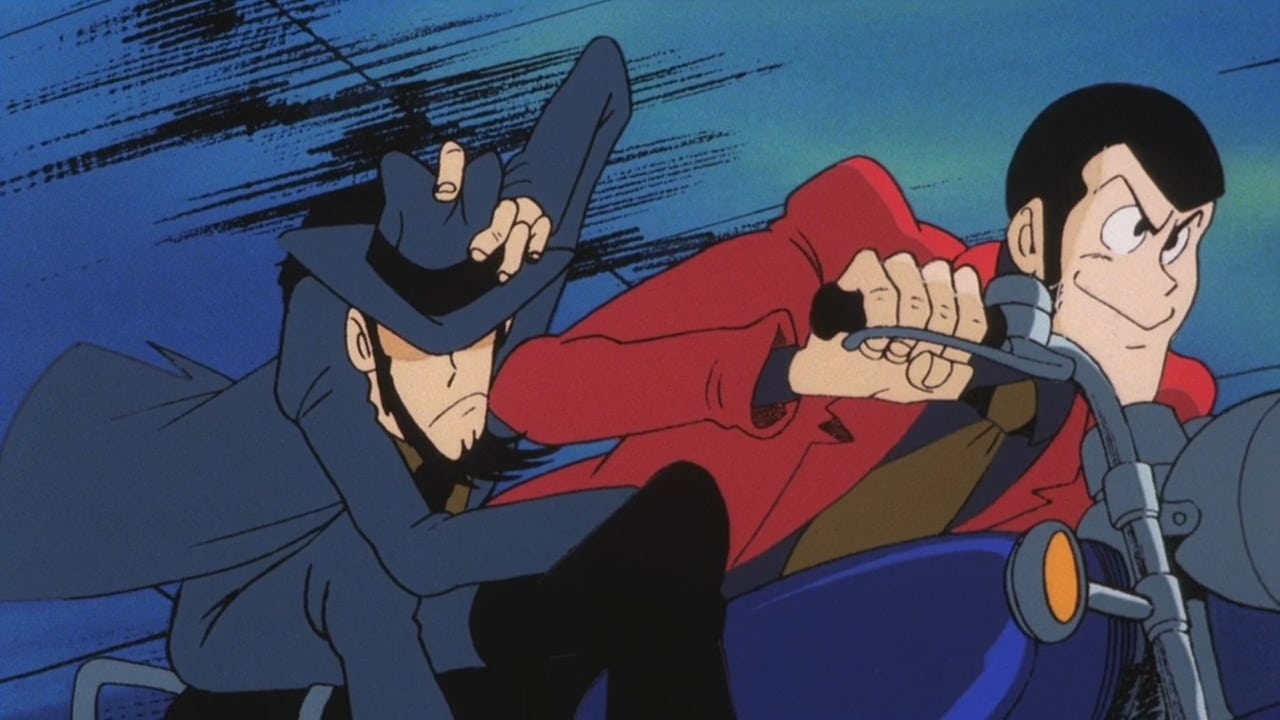
This film pulls no punches. Characters bleed, motivations are murky, and Fujiko's complex relationship with Lupin feels far more charged and dangerous than in many other iterations. There’s a surprisingly mature undercurrent exploring themes of identity, mortality, and the corrupting nature of absolute power, all wrapped up in a package that also includes Lupin trying to steal the Philosopher’s Stone from a giant replica of Michelangelo's David. It’s a tonal rollercoaster, swinging from slapstick comedy to surprisingly dark territory, sometimes within the same scene. It's the kind of film where you might chuckle at Goemon (Kiyoshi Kobayashi lending his stoic baritone) slicing a helicopter in half one minute, and then feel genuinely unnerved by Mamo's existential pronouncements the next.
### Retro Fun Facts: Cracking Mamo's Code
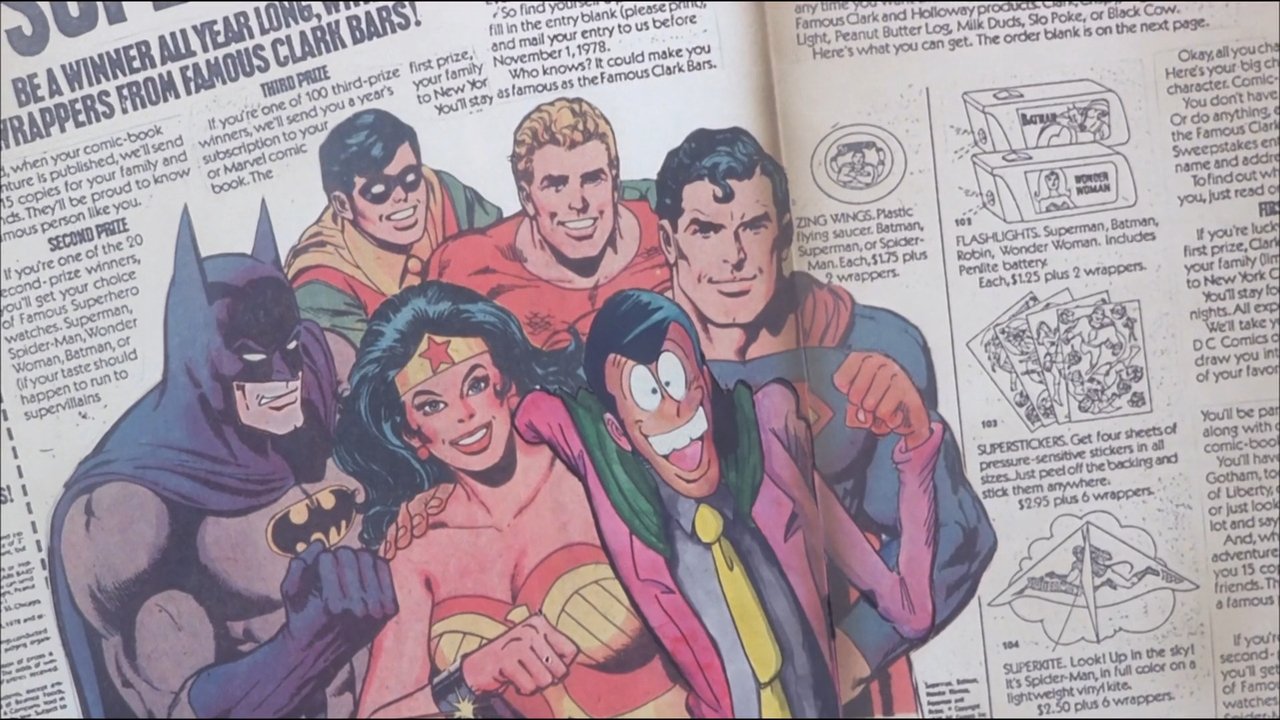
Digging this one out of the video store archives often came with its own mysteries, namely which version you were getting. The Mystery of Mamo became notorious among Western fans for its multiple English dubs released across VHS and DVD eras (Streamline Pictures, Manga Entertainment, Geneon), each with significantly different scripts, voice actors, and even alterations to character names or plot points! Finding the "right" dub became a quest in itself for dedicated fans, a truly retro home video experience. Did you get the one that tried to make it slightly funnier, or the one that leaned into the darker, more philosophical aspects?
Its status as the first Lupin theatrical feature is also key. It was a significant hit in Japan, reportedly earning around 980 million yen (a solid figure for 1978 anime!), paving the way for Cagliostro just a year later and proving Lupin could thrive on the big screen. Yet, its edgier content, including brief nudity and more graphic violence, made it a trickier sell internationally compared to its more famous successor. Watching it now feels like unearthing a slightly dangerous, alternate-universe version of the Lupin crew, one deeply rooted in Monkey Punch's original, chaotic vision. You can almost feel the creative team stretching their legs, pushing the boundaries of what an animated "adventure" could be.
### Not for Everyone, But Unforgettable
Let’s be clear: The Mystery of Mamo isn't the most polished or easily digestible Lupin adventure. Its plot is labyrinthine, its tone is wildly inconsistent, and some elements definitely feel like products of their time. If your main Lupin experience is the charming Castle of Cagliostro, diving into Mamo can feel like jumping into the deep end of a very strange pool.
But therein lies its enduring magic. It’s ambitious, visually inventive, and utterly fearless in its weirdness. It captures a raw, untamed energy that few other animated films of the era dared to attempt. It’s Lupin unfiltered, a shot of pure, chaotic pulp adventure that grabs you by the collar and drags you along for a ride you won’t soon forget. It’s the kind of film that might have blown your young mind wide open if you stumbled across it on a late-night TV broadcast or a dusty rental tape, leaving you wondering, "What did I just watch?" – in the best possible way.

Rating: 8.5/10
Why this score? The Mystery of Mamo earns its high marks for its historical significance as the first Lupin movie, its bold and unique visual style, its surprisingly mature themes, and its sheer, unadulterated pulp energy. It perfectly captures the wilder side of Monkey Punch's creation. It loses a point or so for its sometimes jarring tonal shifts and a plot that can feel overly convoluted, making it less universally accessible than some other Lupin entries, but its ambition and weirdness are undeniable strengths for fans seeking something different.
For those brave enough to track down this slice of anime history, Mamo remains a fascinating, frantic, and utterly unique adventure – a true gem from the weirder shelves of VHS Heaven.