Okay, settle in, maybe grab something strong. We're pulling a particular tape off the shelf today, one that might not have been on the main display wall at Blockbuster but held a potent, smoky allure for those browsing the deeper cuts: Alexandre Arcady's 1982 French crime saga, Le Grand Pardon (often found simply as The Big Pardon on those chunky rental cassettes). Forget the sun-drenched vineyards of Corleone; this is gangsterdom Parisian style, drenched in Gitanes smoke and the simmering tensions of a very specific community.
### Not Quite the Seine, Not Quite Sicily
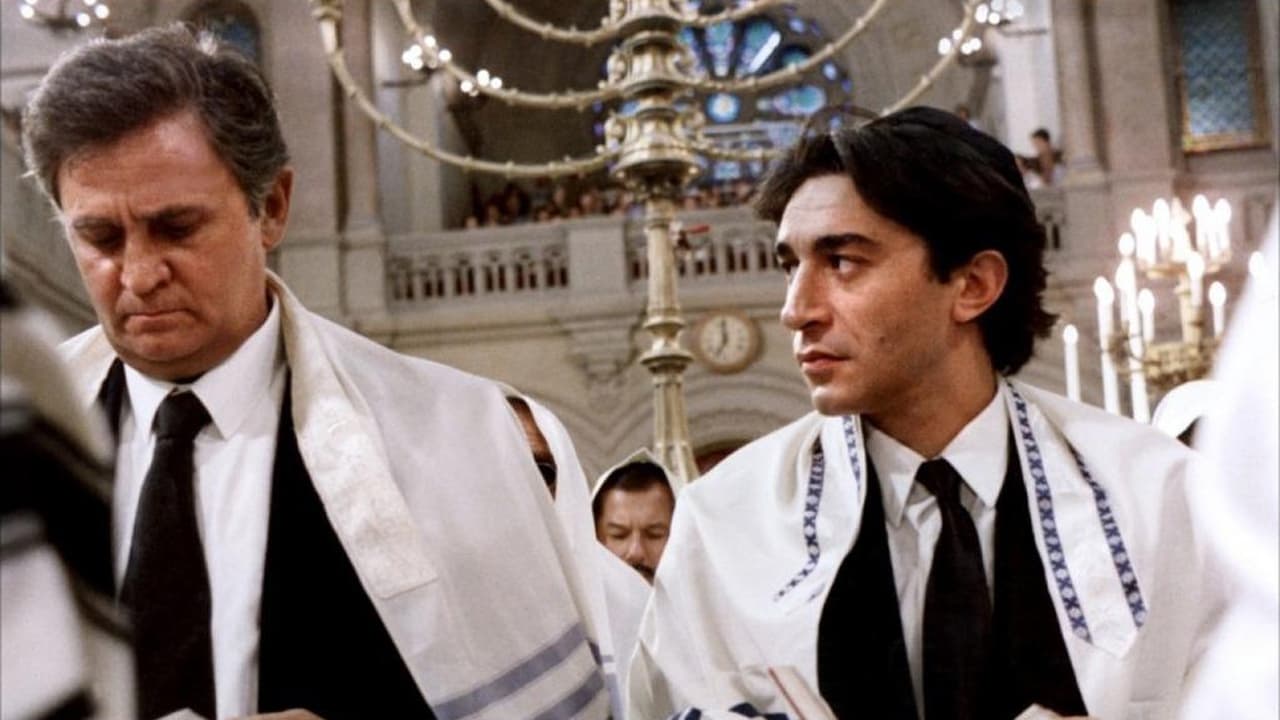
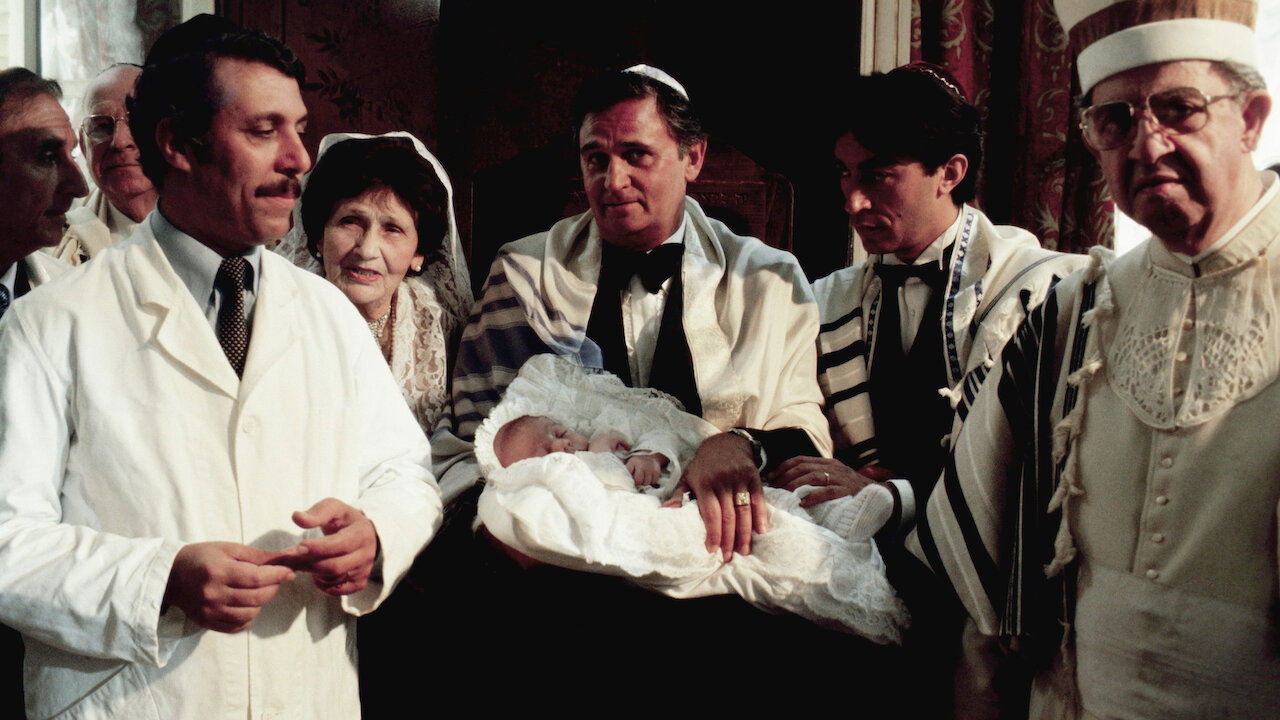
What strikes you first, revisiting The Big Pardon after all these years, isn't just the familiar rhythm of a family crime epic – the loyalty, the betrayal, the sudden eruptions of violence – but its distinct cultural heartbeat. Director Alexandre Arcady, who would often explore the Franco-Algerian Pied-Noir experience in films like Le Coup de Sirocco (1979), anchors this story firmly within that community transplanted to Paris. The Bettoun family, led by the imposing patriarch Raymond (Roger Hanin), isn't just a crime family; they are a Pied-Noir crime family, clinging fiercely to their traditions, codes, and power base in the face of rival Arab gangs and the intrusions of the modern world. It gives the film an texture, a specificity, that sets it apart from its American counterparts, even as the echoes of Coppola are undeniable.
### The Lion of Paris
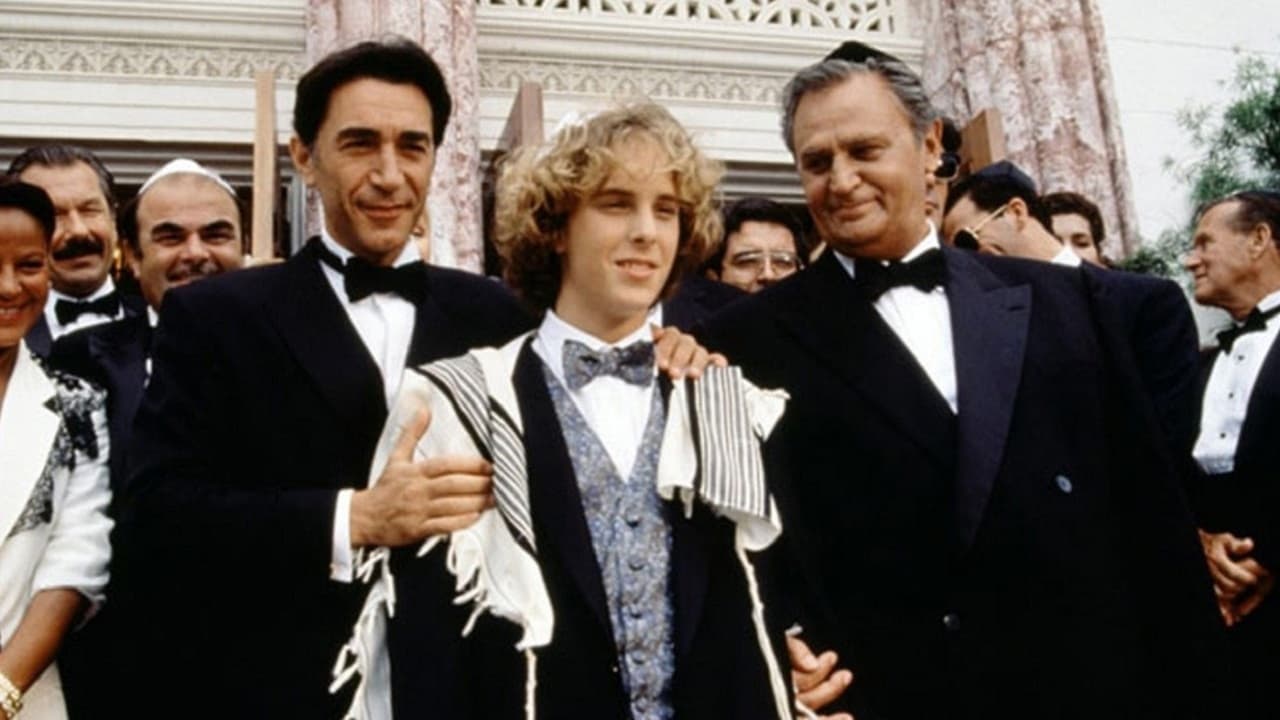
At the center of this world, absolutely dominating the screen, is Roger Hanin as Raymond Bettoun. Hanin, who became forever linked with this role in France, doesn't just play a crime boss; he embodies a certain kind of old-world authority – fiercely protective of his family ("la famille" is everything), capable of sudden, shocking brutality, yet operating under a strict, if self-serving, code of honor. It's a performance built on presence: the gravelly voice, the steady gaze that misses nothing, the weight he carries in every scene. You believe utterly in his power and the fear he inspires. I recall renting this, expecting perhaps a slicker Euro-crime thriller, and being completely captivated by Hanin's raw, grounded portrayal. He feels less like a movie gangster and more like a dangerous man you absolutely wouldn't want to cross. It was a performance that resonated deeply in France, turning the film into a massive domestic hit, drawing over two million people to cinemas – a significant number for the time.
### Heirs and Graces, Bullets and Blood
Surrounding Raymond is the family, the core of the narrative's tension. His son, Maurice (Bernard Giraudeau, bringing a compelling mix of loyalty and frustrated ambition), struggles under his father's shadow, yearning to prove himself while navigating the treacherous currents of the underworld. Giraudeau, a charismatic actor equally adept at charm and intensity (remember him in Patrice Leconte's Ridicule years later?), provides the perfect counterpoint to Hanin's immovable force. Then there's Viviane, Maurice's wife, played by Clio Goldsmith (niece of financier Sir James Goldsmith), who brings a cool glamour but also represents the potential vulnerabilities within the family structure. The film excels in depicting these intricate relationships – the unspoken resentments, the fierce loyalties tested by greed and external threats. Arcady takes his time, letting these dynamics simmer before inevitably boiling over.
### Crafting the Underworld
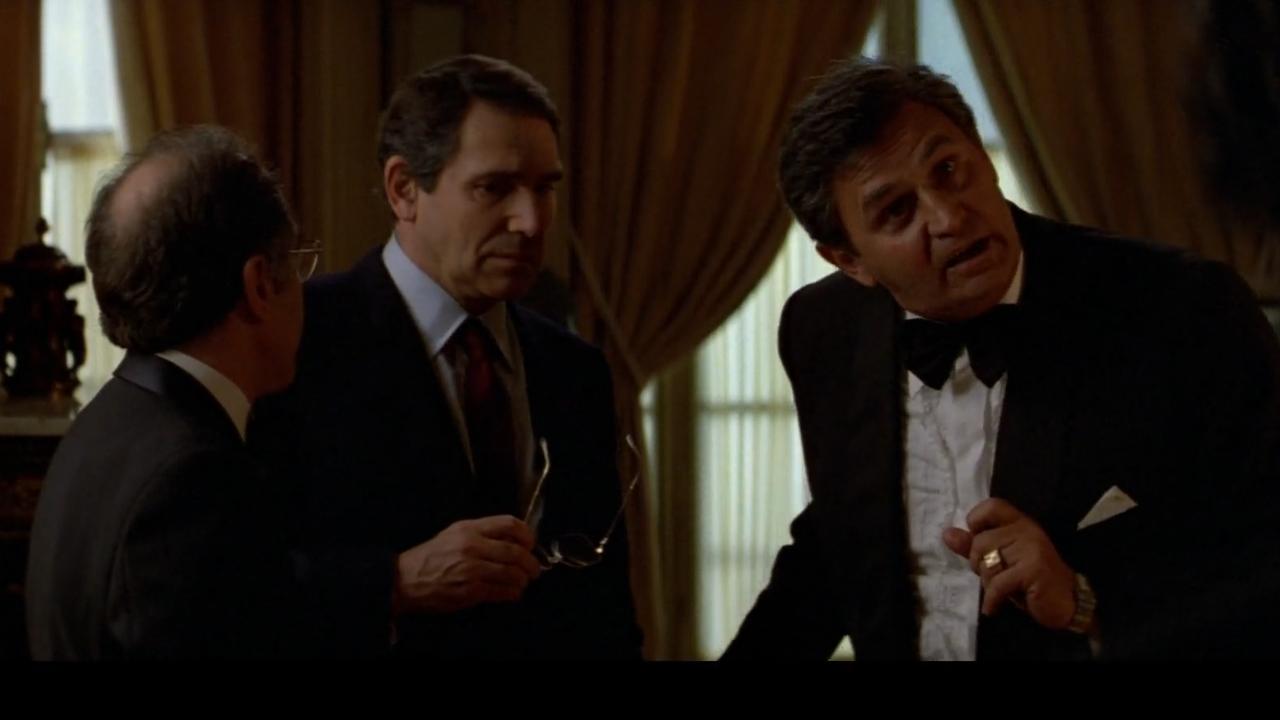
Alexandre Arcady directs with a steady, unflashy hand, focusing on character and atmosphere over stylistic pyrotechnics. The Paris depicted here isn't the romantic city of postcards; it's a grittier landscape of back alleys, smoky nightclubs, and tense confrontations. The violence, when it comes, is often sudden and brutal, lacking the operatic quality sometimes found in American gangster films, feeling more grounded and shocking. One memorable aspect, looking back from our digital age, is the tangible feel of the era – the cars, the clothes, the smoky interiors captured on film stock that just feels different from today's crisp HD. Arcady knew this world, or certainly how to portray it, and it lends the film an air of authenticity. It wasn't trying to be The Godfather goes to France; it was telling its own story rooted in its own cultural soil, even if the genre parallels are impossible to ignore.
### Legacy in Lines and Sequels
The Big Pardon wasn't just a one-off success. Its impact in France was significant enough to warrant a sequel a decade later, Le Grand Pardon II (1992), which reunited much of the cast, including Hanin and Giraudeau, transplanting the family saga partly to Miami. While perhaps lacking the raw impact of the original, its existence speaks volumes about the first film's hold on the French cinematic consciousness. For many outside France, though, the original remained a cult discovery on VHS – a potent slice of Euro-crime that delivered familiar genre thrills with a unique flavour. Finding it nestled on the rental shelf felt like unearthing something substantial, something with real dramatic weight amidst the more disposable action flicks of the era.
Rating: 7.5/10
Why 7.5? The Big Pardon is a strong, compelling crime drama anchored by a towering central performance and a distinct sense of place. Roger Hanin is magnificent, and the family dynamics are well-drawn and engaging. It successfully creates a gritty, believable underworld specific to its Parisian Pied-Noir setting. However, it does tread narrative ground familiar from other, arguably greater, gangster epics, and some plot mechanics feel a little conventional within the genre framework. It doesn't reinvent the wheel, but it rolls with considerable power and undeniable French style.
Ultimately, The Big Pardon remains a potent piece of 80s crime cinema, especially for those who appreciate the genre beyond its Hollywood confines. It's a film that lingers – not just for its bursts of violence, but for the weight of family, tradition, and the undeniable presence of Raymond Bettoun, a patriarch ruling his Parisian kingdom from a throne built on loyalty and fear. Definitely worth tracking down if you missed it back in the day, or revisiting if that worn VHS cover sparks a flicker of recognition.