There are some films that don't just occupy space on a dusty VHS shelf; they seem to emanate a kind of gravitational pull, a warning and an invitation. Pixote (full title: Pixote: a Lei do Mais Fraco, 1980) was one such tape. Its cover art, often stark and unsettling, hinted at something far removed from the escapist fantasies that filled most video stores in the 80s. Seeing it felt like discovering a hidden, forbidden text. What unfolds when you press play is not easily shaken – a film that stares unflinchingly into the abyss of childhood lost, leaving an imprint long after the screen fades to static.
### The Unvarnished Lens
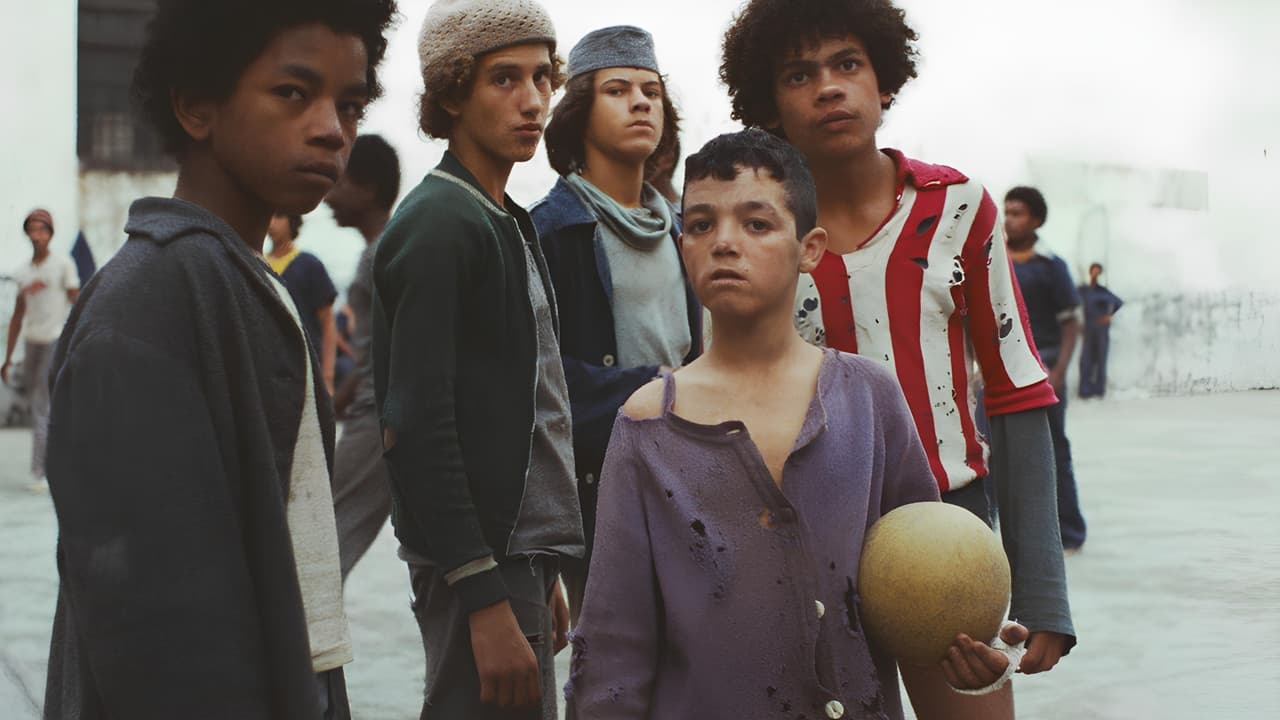
Directed by the Argentine-Brazilian filmmaker Héctor Babenco (who would later give us the acclaimed Kiss of the Spider Woman (1985) and Ironweed (1987)), Pixote plunges us into the brutal reality of São Paulo's street children. Based loosely on the book Infância dos Mortos by José Louzeiro, the film follows the titular character, a diminutive, wide-eyed boy navigating a horrifying landscape of corrupt police, abusive reformatories, petty crime, drug dealing, and exploitation. There’s no gloss here, no Hollywood sentimentality softening the edges. Babenco employs a style bordering on documentary, a neo-realism that feels raw and immediate, stripping away artifice to expose the nerve endings of existence for these forgotten kids.
The film's power lies significantly in its casting. Babenco famously used non-professional actors, many plucked directly from the streets or impoverished backgrounds they were portraying. This wasn't stunt casting; it was a deliberate choice to capture an unvarnished truth. You sense it in every interaction, every weary glance, every sudden burst of desperate energy. These aren't actors merely playing roles; they are embodying experiences terrifyingly close to their own reality. This approach lends the film an authenticity that is both its greatest strength and the source of its profound discomfort. It forces us to confront the humanity behind the statistics, the individual faces swallowed by systemic failure.
### The Boy Who Carried the Weight
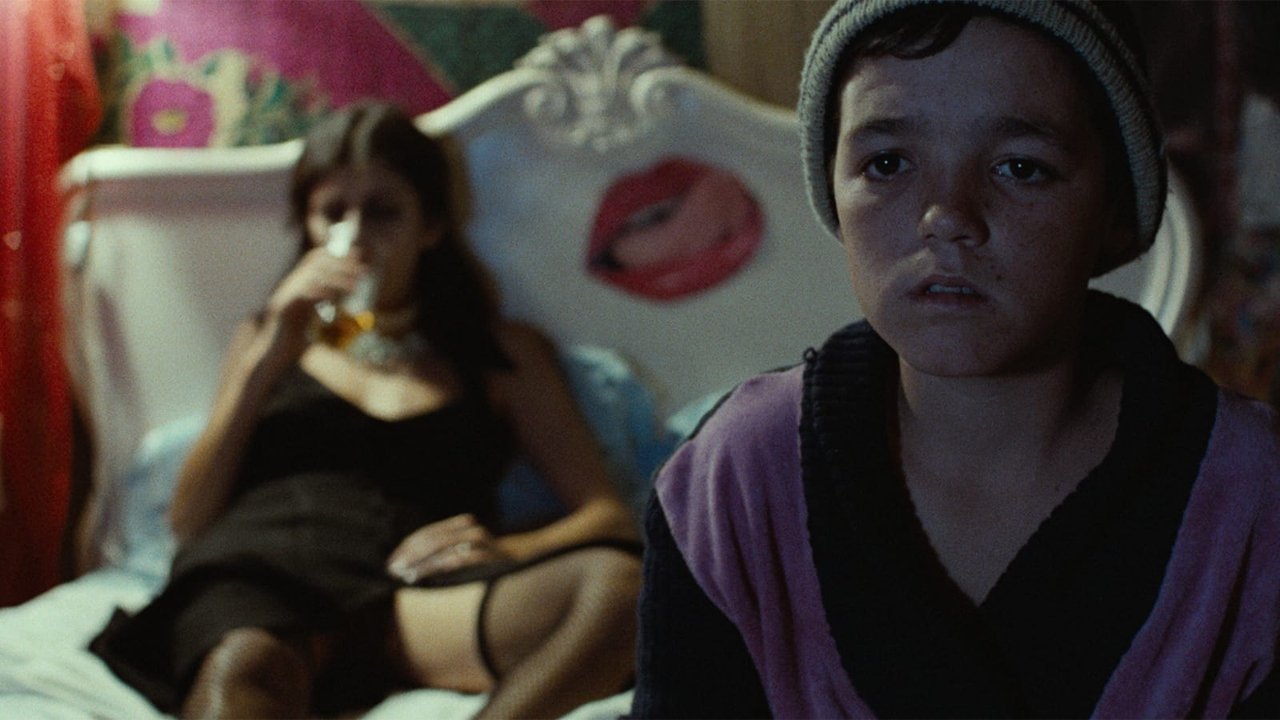
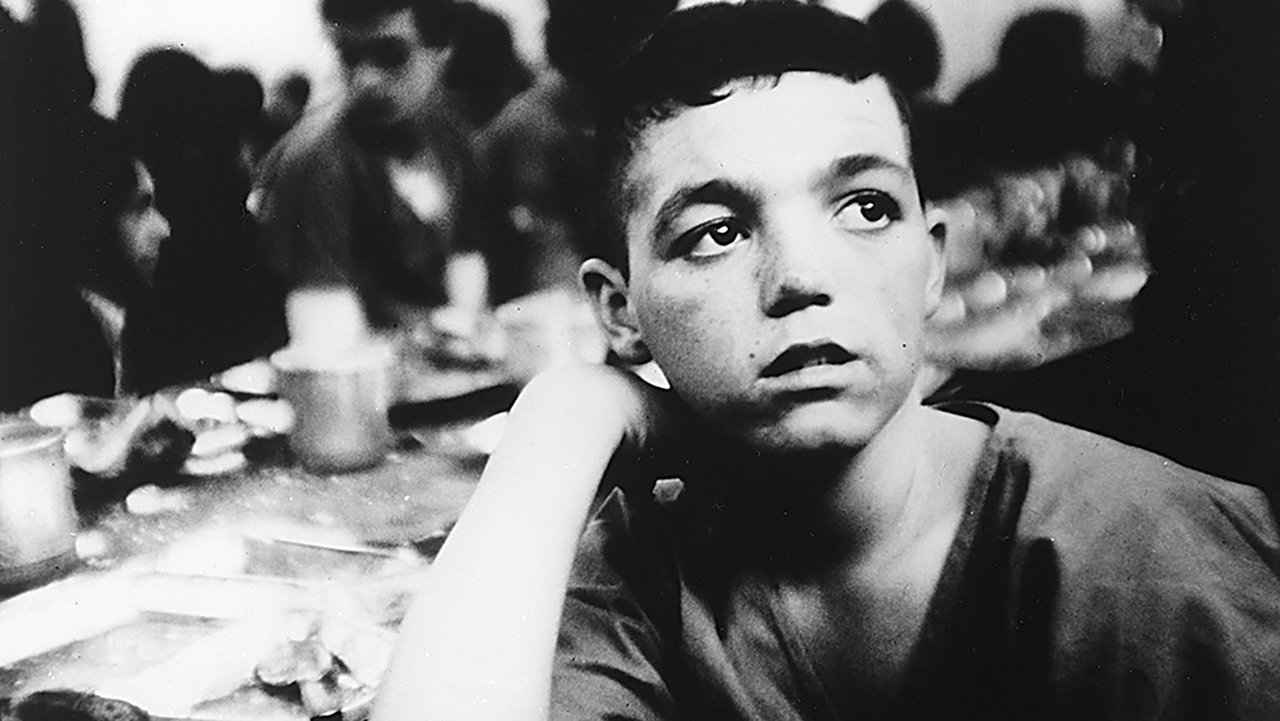
At the heart of it all is Fernando Ramos da Silva as Pixote. It's difficult to even call it a 'performance'. Da Silva simply is Pixote. His face, often quiet and watchful, becomes a canvas reflecting the horrors around him – confusion, fear, fleeting moments of childlike vulnerability, and a hardening resilience born of necessity. There's a scene involving Pixote comforting a dying friend that remains one of the most devastatingly authentic portrayals of grief I've ever witnessed on screen. It's achieved without histrionics, relying purely on the raw emotion etched onto da Silva's young face.
The tragic postscript to da Silva's own life casts a long, dark shadow over the film, making it almost unbearably poignant. Struggling to escape the poverty depicted on screen, he was killed by police in São Paulo in 1987 under controversial circumstances, aged just 19. Knowing this adds an inescapable layer of weight to viewing Pixote. It underscores the film's central thesis: for children like Pixote, the cycle of violence and neglect is incredibly difficult, often impossible, to break. The line between the fiction Babenco crafted and the reality these children lived was tragically thin. Babenco himself reportedly struggled with the ethical implications, providing support for da Silva for a time, but ultimately, the system the film critiques claimed its young star.
### More Than Misery
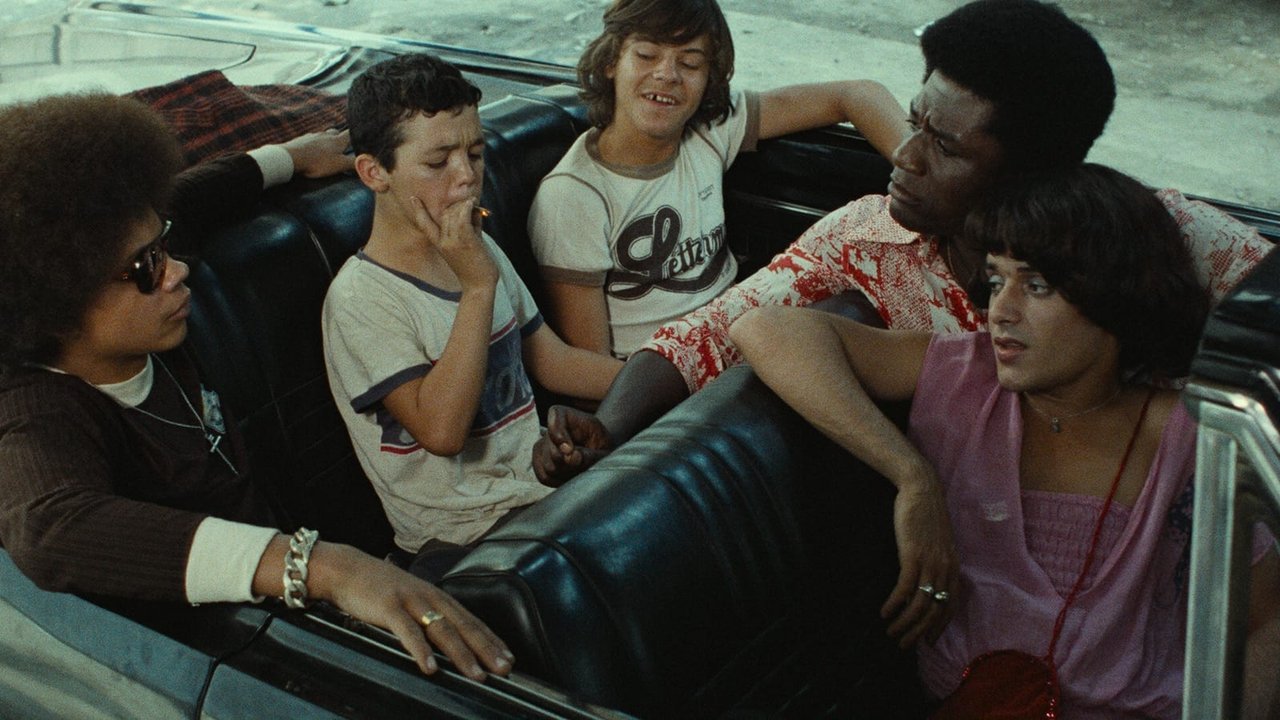
Is Pixote merely an exercise in depicting suffering? I don't believe so. While undeniably bleak, it's also a powerful indictment of societal indifference and institutional corruption. It doesn't offer easy answers or catharsis. Instead, it forces difficult questions: What responsibility do we bear for children living on the margins? How does a society allow innocence to be so brutally extinguished? The film depicts horrific acts – violence, exploitation, abuse – not for shock value, but as the grim texture of daily life for its characters. There's a desperate camaraderie amongst the boys, fragile bonds formed in the face of constant threat, but even these are ultimately ground down by the harsh realities they face.
Finding this tape nestled amongst the action flicks and comedies back in the day was always a bit jarring. I remember renting it, perhaps drawn by its stark cover or whispers of its controversial reputation. It wasn't the kind of movie you watched casually. It demanded attention, burrowing under your skin. Unlike the often sanitized dangers of Hollywood thrillers, the threats in Pixote felt chillingly real, the stakes devastatingly high. It was the kind of film that reminded you of cinema's power not just to entertain, but to confront, to disturb, and perhaps, to awaken a necessary empathy.
***
Rating: 9/10
Pixote is a landmark of Brazilian cinema and a profoundly affecting piece of filmmaking. Its power stems directly from its unflinching realism, Héctor Babenco's sensitive yet brutal direction, and the unforgettable presence of Fernando Ramos da Silva. It earns its high rating through its sheer artistic integrity, its courage in tackling difficult subject matter with honesty, and its lasting impact. It's not an 'enjoyable' watch in the conventional sense, but its importance and the truth it conveys are undeniable. The slight deduction acknowledges its unrelenting bleakness, which can make it an emotionally taxing experience.
It's a film that stays with you, a haunting reminder of the fragility of childhood and the devastating consequences when society looks away. What lingers most, perhaps, is the echo of Pixote's gaze – a silent accusation and a plea that resonates decades later.