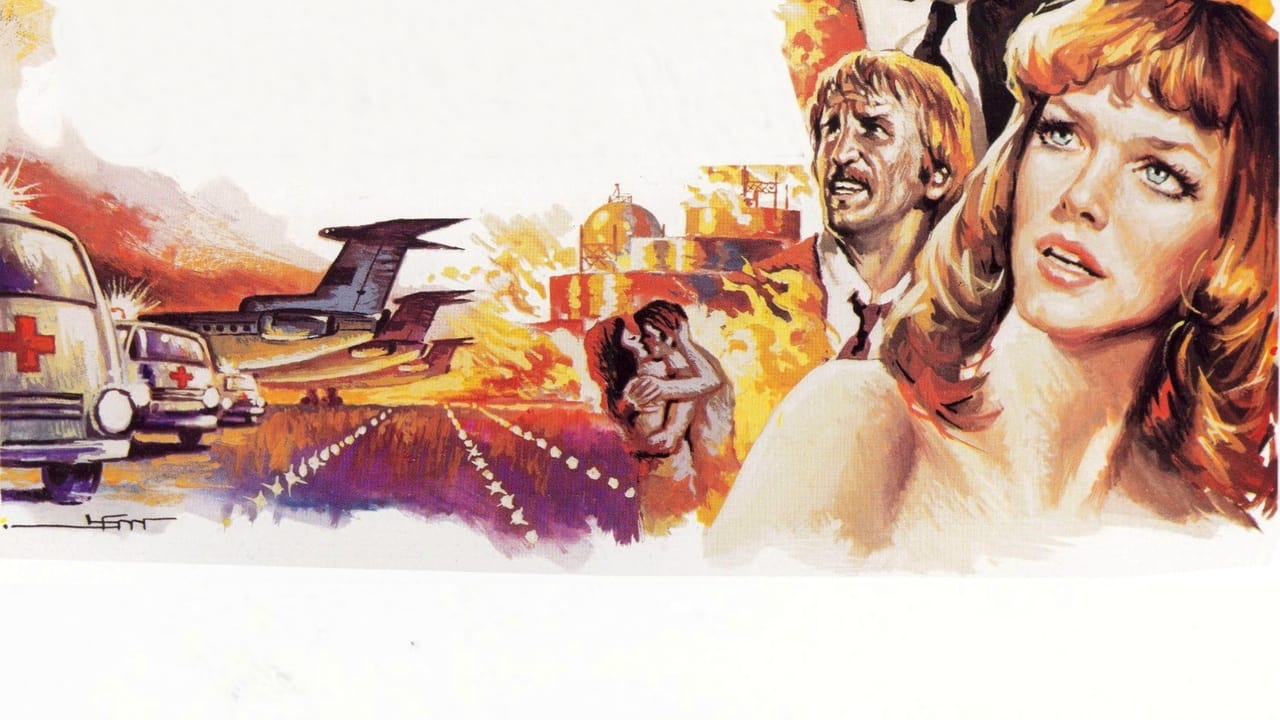
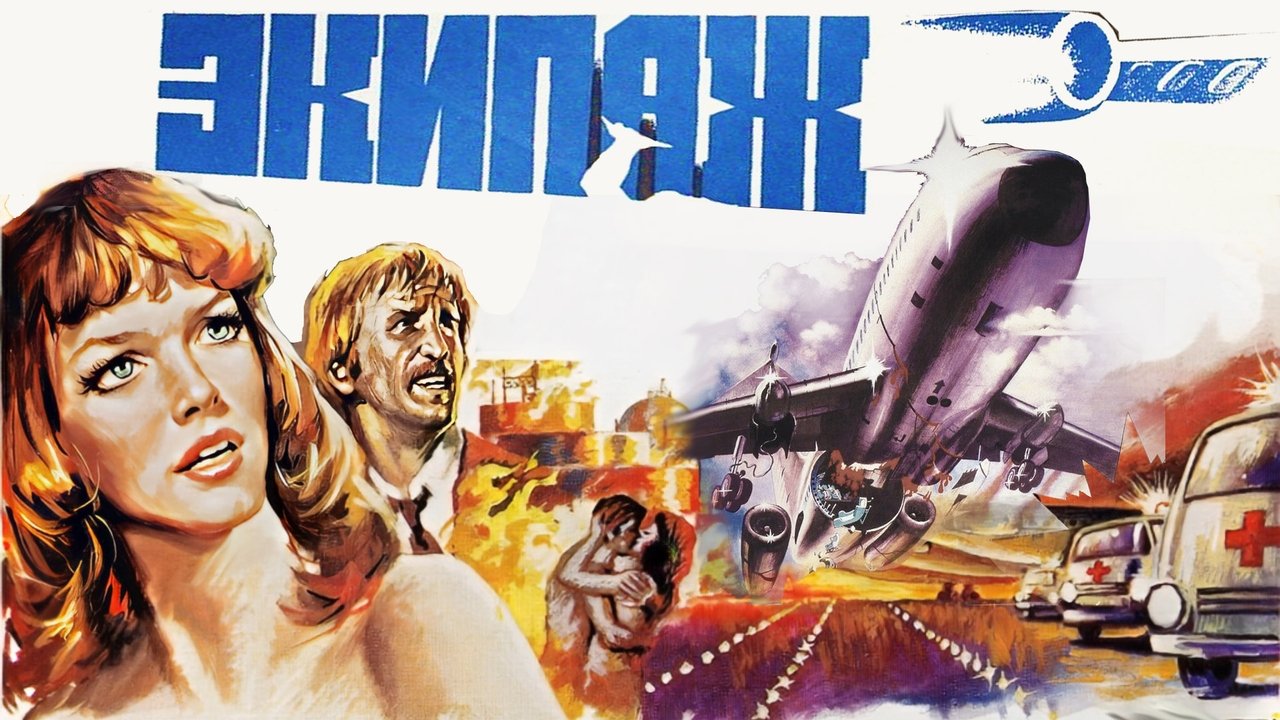
Alright, fellow tapeheads, gather ‘round the flickering glow of the trusty CRT. Tonight, we’re dusting off a truly unique cassette, one that might have initially looked like just another serious Soviet drama on the shelf, but buckle up – because 1980's Air Crew (or Ekipazh / Экипаж if you snagged a rarer copy) morphs into something unexpectedly spectacular: the USSR's very first, and incredibly intense, disaster movie blockbuster. Forget slick Hollywood polish for a moment; this one feels raw, grounded, and surprisingly thrilling.
### More Than Just Turbulence
Now, let's be honest. Popping this tape in, the first hour or so feels distinctly… Soviet. Director Aleksandr Mitta, working from a script co-written with Yuri Nagibin and others, dedicates significant time to the personal lives and complicated relationships of our Aeroflot crew. We meet the stern, principled Captain Andrei Timchenko (Georgi Zhzhyonov, a veteran presence even then), the womanizing, rule-bending co-pilot Valentin Nenarokov (Leonid Filatov, radiating rogue charm), and the earnest, lovelorn flight engineer Igor Skvortsov (Anatoly Vasilev). There’s family drama, infidelity, workplace friction – it’s all very human, laying groundwork that might test the patience of someone purely seeking explosions. Retro Fun Fact: This character-heavy first half was apparently crucial for Mitta to even get the film greenlit; Soviet authorities weren't exactly keen on showcasing large-scale disasters, so grounding it in relatable human stories was key.
### All Hell Breaks Loose in Bidri
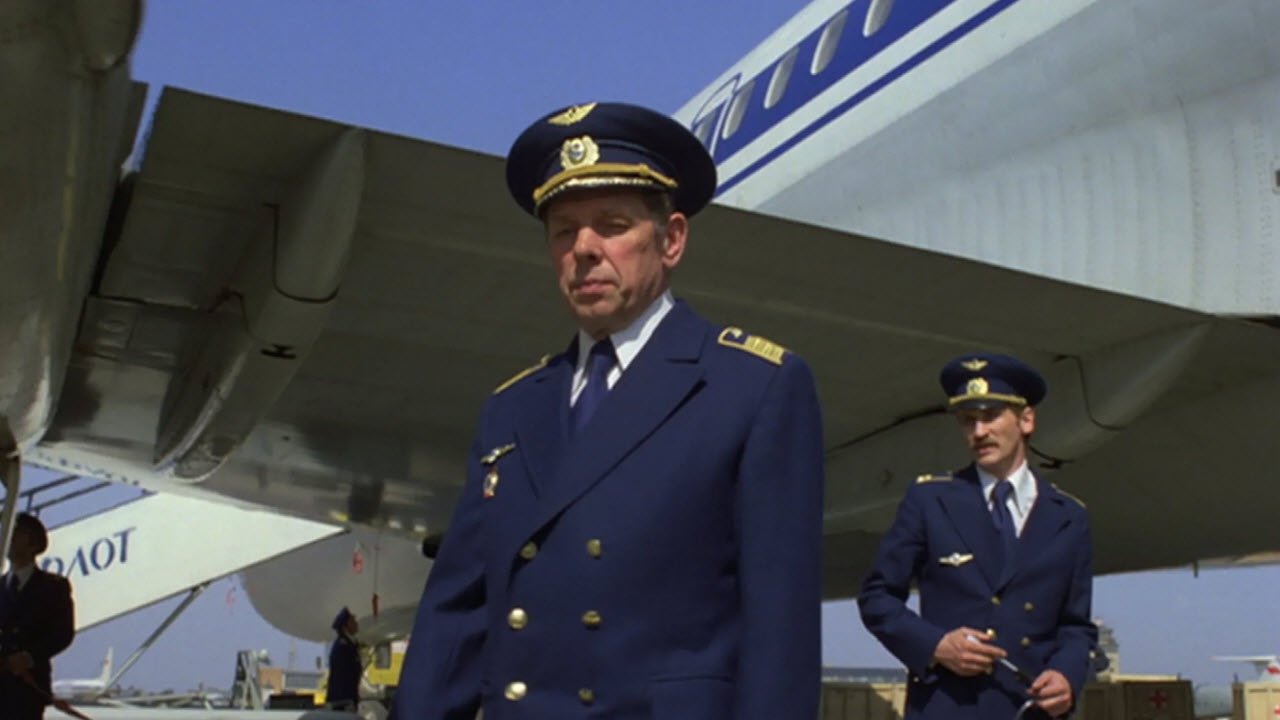
But then, the Tupolev Tu-154 lands in the fictional, earthquake-prone city of Bidri, and Air Crew transforms entirely. Forget the kitchen sink drama; suddenly, we're thrust into absolute chaos. An earthquake devastates the region, the airport runway cracks, an oil refinery explodes – and our crew has to evacuate terrified civilians aboard their already damaged plane. This is where the film truly earns its cult status among action and disaster junkies. The sheer practicality of the mayhem is staggering for its time and place. We see buildings crumble (likely miniatures, but convincingly shot), oil tanks erupt in very real fireballs, and the desperate takeoff sequence from a fractured, burning runway feels genuinely perilous. Remember how real fire looked on screen back then, before CGI sanitised everything? Air Crew delivers that visceral heat. Retro Fun Fact: To achieve this realism, the production actually acquired several decommissioned Tu-154 airframes, which were used for static shots, interior scenes, and, crucially, some of the destructive sequences, adding an unparalleled layer of authenticity.
### Mid-Air Mayhem, Soviet Style
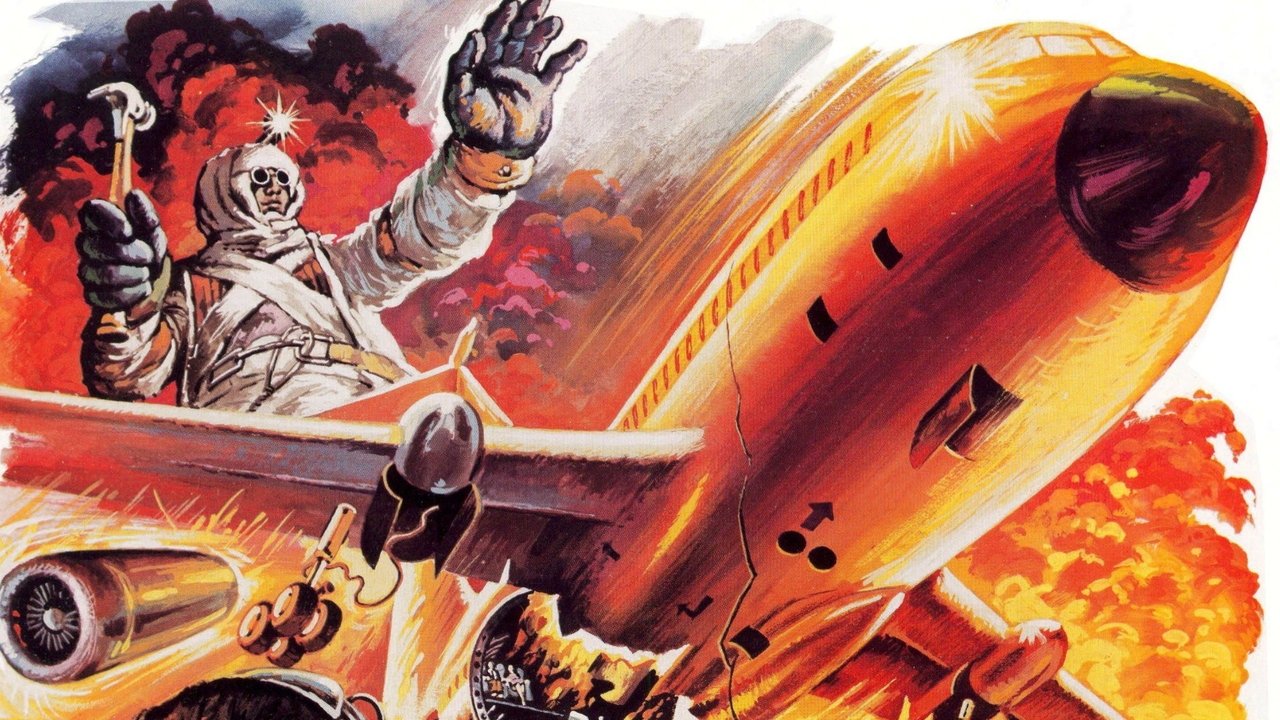
The spectacle doesn't stop once they're airborne. The damaged plane suffers structural failures, leading to some truly white-knuckle sequences. The attempts to patch a hull breach from the outside at high altitude, the perilous transfer of passengers via bosun's chair between sections of the plane – these scenes are executed with a gritty intensity. You feel the wind, the cold, the sheer desperation. While model work is certainly employed for the wider shots (and expertly done for the era), the close-ups and the actors’ committed performances sell the life-or-death stakes. It’s a testament to the ingenuity of the Soviet film industry, achieving Hollywood-level thrills on what was, comparatively, a different scale of resources. The tension is palpable, far removed from the often weightless feel of modern digital effects. Didn't that whole sequence trying to fix the tail feel impossibly dangerous?
### A Legacy Forged in Fire
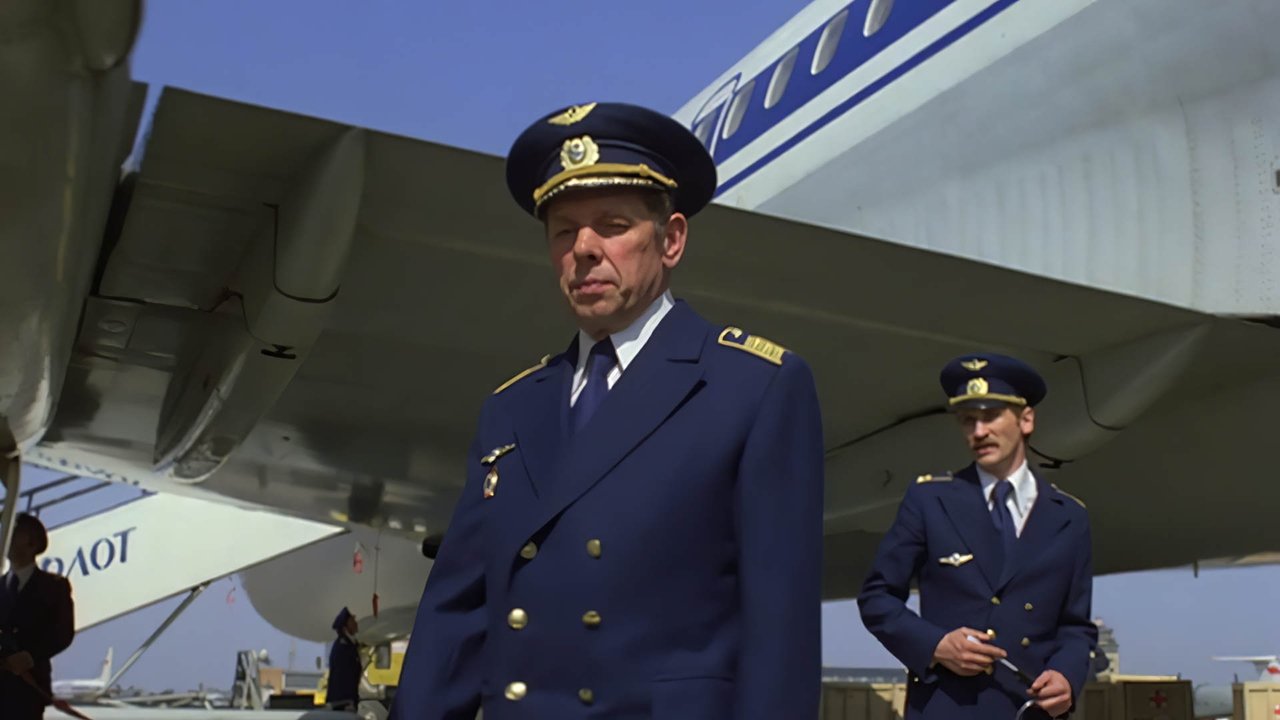
Air Crew wasn't just a movie in the USSR; it was a phenomenon. Reportedly selling over 70 million tickets, it became one of the highest-grossing Soviet films ever. Audiences, perhaps starved for this kind of large-scale spectacle mixed with relatable heroism, flocked to see it. While the initial melodrama might feel a touch dated or heavy-handed to modern eyes, it pays off by making you care about the crew facing impossible odds. The performances are uniformly strong, grounding the extraordinary events. Georgi Zhzhyonov's quiet authority is the anchor, while Leonid Filatov's journey from arrogant hotshot to selfless hero provides the core character arc. The film proved that Soviet cinema could compete in the global language of the disaster epic, albeit with its own distinct flavour – less gloss, perhaps, but arguably more grit.
Rating: 8/10
This score reflects Air Crew's groundbreaking status within Soviet cinema and its genuinely thrilling, practically achieved disaster sequences in the second half. The effects work, for 1980, is outstanding and holds up remarkably well in its visceral impact. Points are slightly deducted for the occasionally slow pacing and heavy melodrama of the first act, which might not resonate with all viewers today, but it remains essential context for the nail-biting payoff.
Final Thought: Air Crew is a fascinating time capsule – a Soviet blockbuster that delivers high-stakes, practical-effects-driven disaster thrills with surprising intensity. It’s proof that you didn’t need Hollywood budgets to create edge-of-your-seat cinema back in the VHS glory days, just guts, ingenuity, and maybe a few decommissioned airplanes. A must-see for disaster flick fans and retro collectors seeking something truly different.