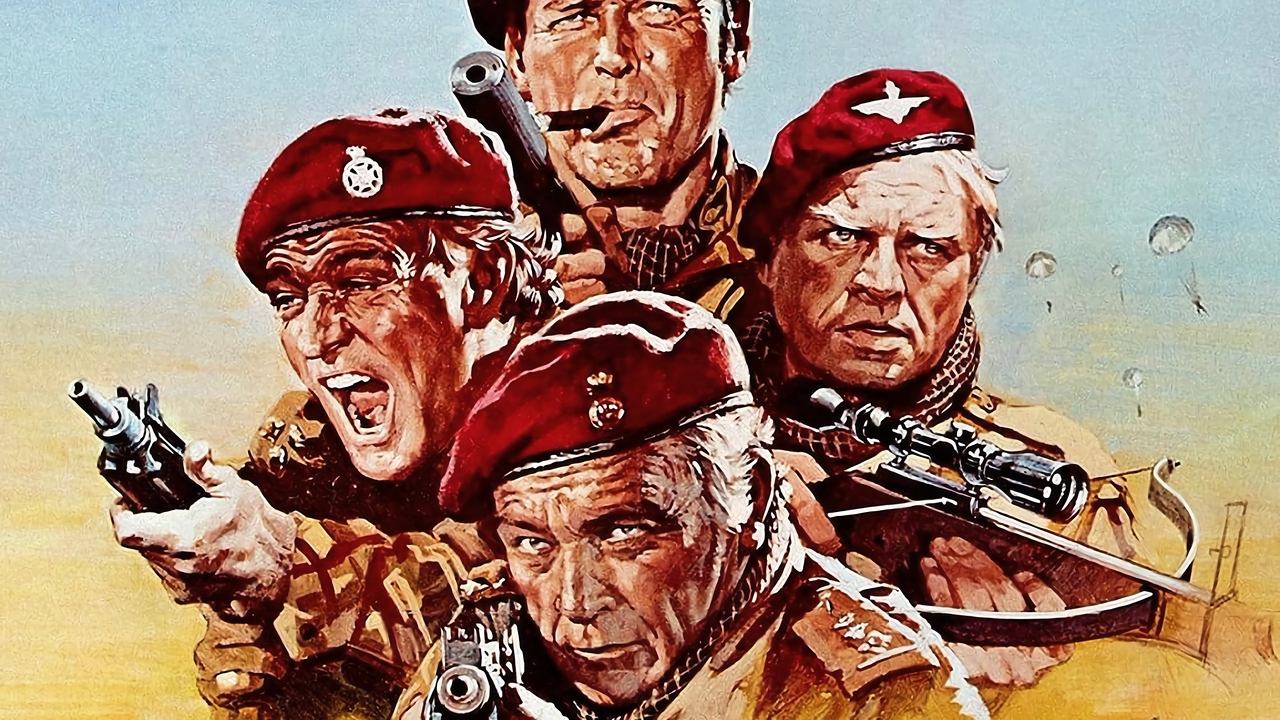
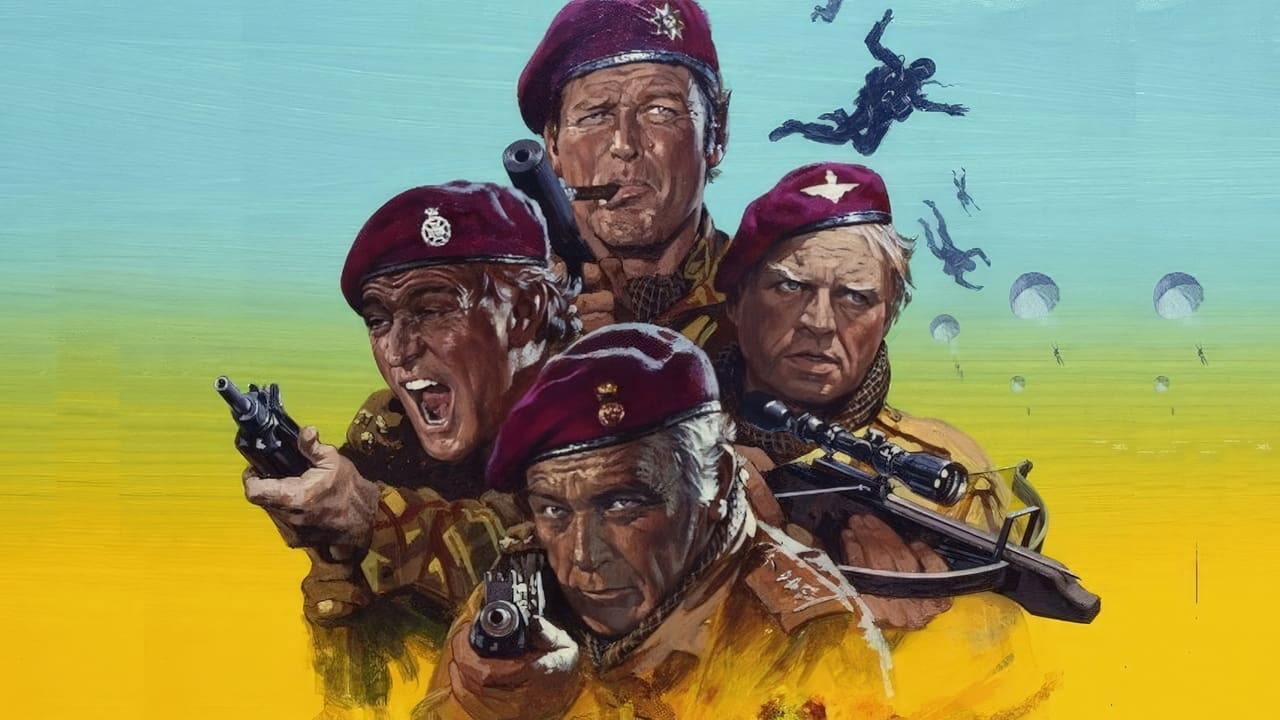
Forget the suave spy for a moment; remember when Roger Moore picked up a crossbow, sported a truly magnificent moustache, and got his hands properly dirty alongside grizzled screen titans? That image alone captures some of the unexpected, rugged charm of The Wild Geese (1978), a film that landed just before the 80s action boom but felt right at home on VHS shelves throughout the decade. It wasn't slick, it wasn't overly stylized, but it had something potent: a palpable sense of weary experience embodied by its legendary leads, tackling a mission doomed from the start.
A Gathering of Legends
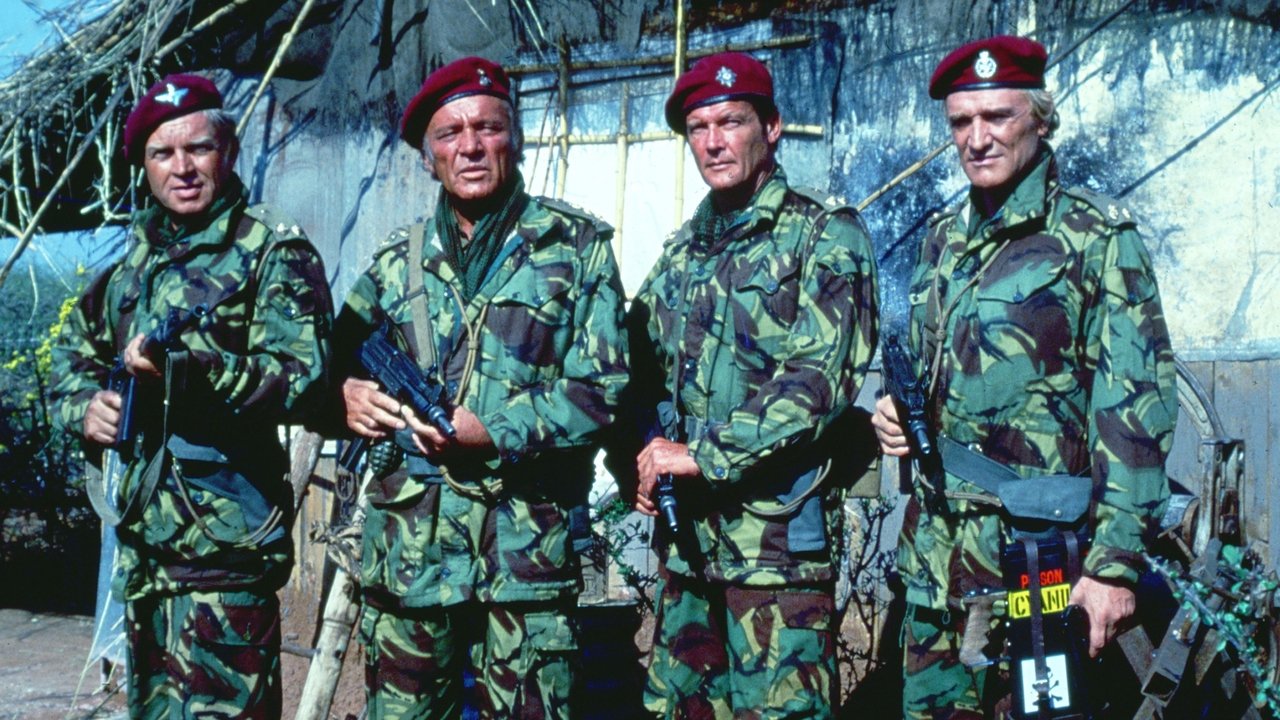
The premise is pure pulp adventure: a British tycoon hires a crack team of aging mercenaries, led by the formidable Colonel Allen Faulkner (Richard Burton), to rescue a deposed African leader from a ruthless dictator. Faulkner recruits his old comrades: the calculating strategist Rafer Janders (Richard Harris) and the pragmatic pilot Shawn Fynn (Roger Moore), alongside the stoic Afrikaner Pieter Coetzee (Hardy Krüger). What could possibly go wrong? Well, in the world of mercenaries and corporate double-dealing, just about everything.
What elevates The Wild Geese beyond a standard men-on-a-mission flick is the sheer weight of its cast. Burton, looking every bit the hard-living soldier nearing his end, brings a profound melancholy to Faulkner. His voice, that incredible instrument, conveys years of regret and battlefield weariness beneath the gruff exterior. You believe this man has seen too much, commanded too many lost causes. It’s a performance etched with authenticity, reportedly drawing inspiration from the real-life mercenary leader Mike Hoare, who served as a technical advisor on the film – a connection that lent a layer of controversial credibility to the proceedings.
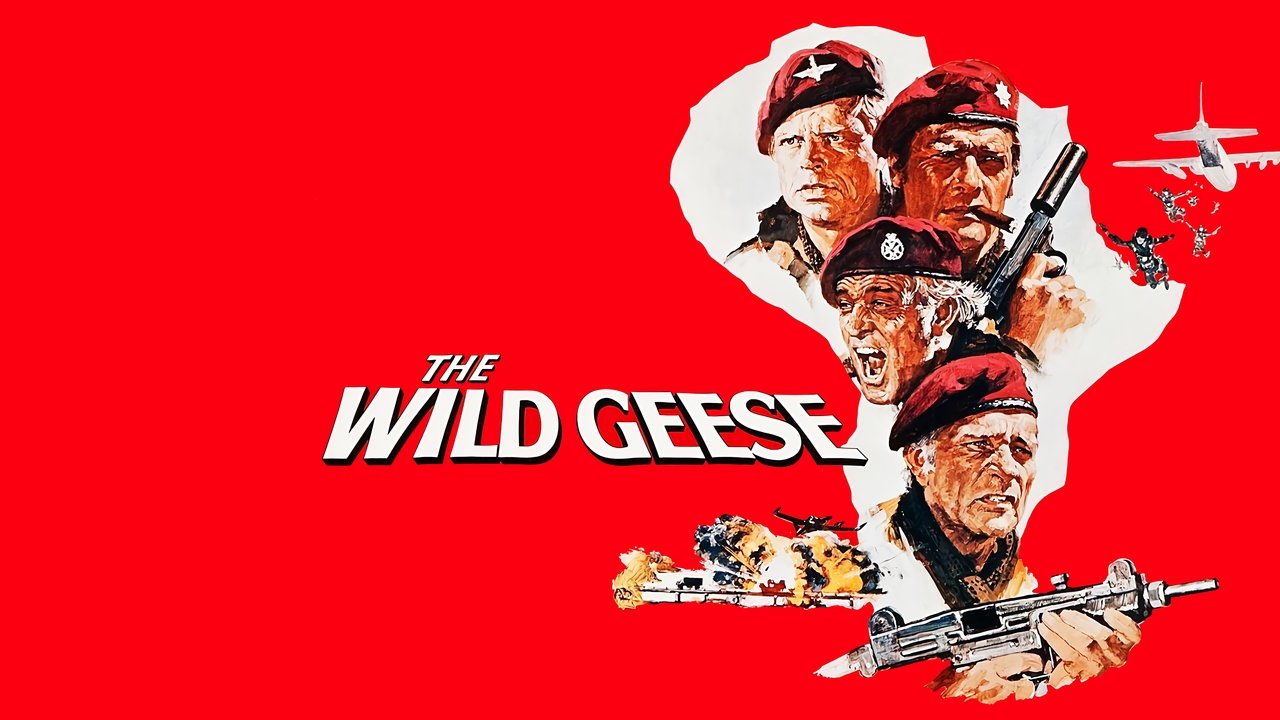
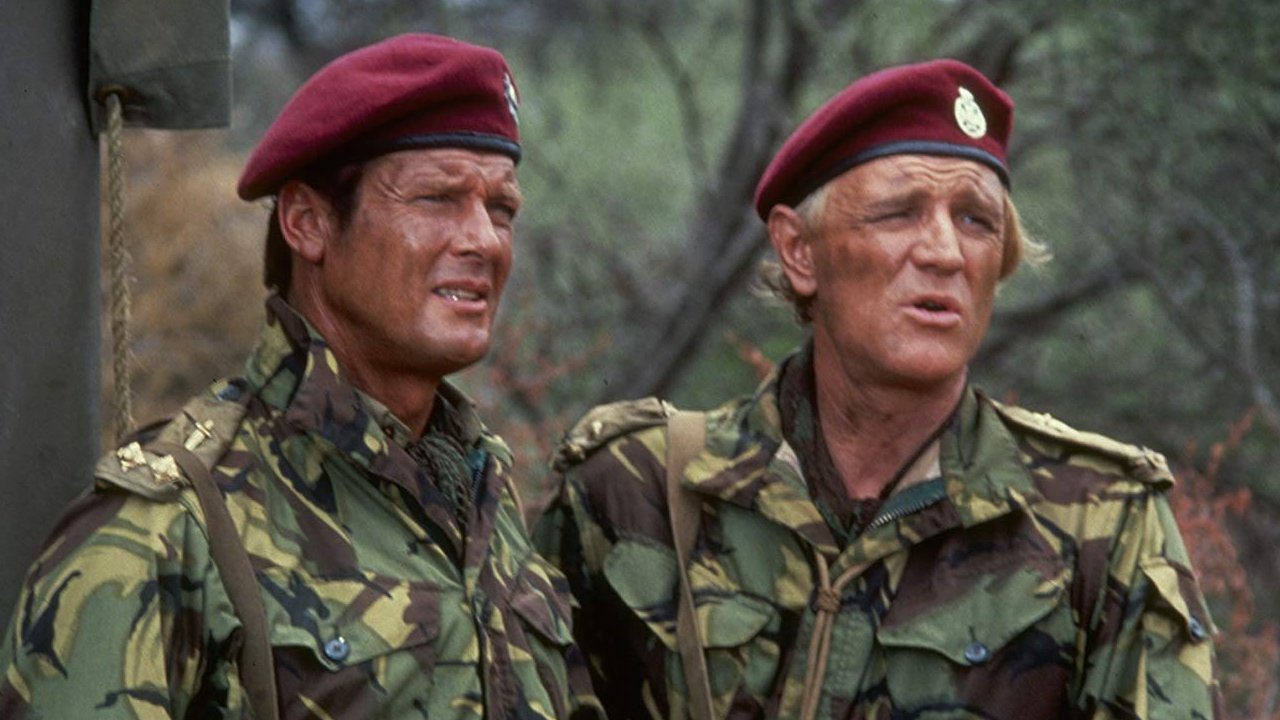
Then there’s Richard Harris as Janders, the thoughtful counterpoint to Faulkner’s blunt force. Harris imbues Janders with a quiet intelligence and a deep paternal love that becomes the film's emotional anchor. His desperation to secure a future for his son fuels his participation in this one last, dangerous job. And Roger Moore, stepping away from the Bond persona, is a revelation. As Fynn, he’s cynical, ruthless when necessary, yet possesses a core loyalty that surfaces under pressure. Seeing him dispatch enemies with brutal efficiency, far removed from 007's gadgets and quips, was genuinely startling back then, a reminder of his range.
Grit Beneath the Gloss
Directed by veteran action/western craftsman Andrew V. McLaglen (McLintock!, The Devil's Brigade), the film has a distinctly grounded feel. While McLaglen wasn't known for high artistry, he knew how to stage convincing action. The training sequences feel rigorous, the parachute drop tense, and the final extended battle sequence is a masterclass in practical effects and explosive choreography for its time. There's a visceral quality to the firefights and hand-to-hand combat that feels earned, not gratuitous. Remember the satisfying thwack of Fynn's crossbow bolts finding their mark? Pure, unadulterated 70s action cinema.
The production itself was something of an underdog story. Financed independently by producer Euan Lloyd after major studios balked, it was a gamble that paid off handsomely, becoming a significant international hit. Filming primarily in South Africa (specifically Tshipise, Northern Transvaal) during the apartheid era added another layer of complexity and, looking back, undeniable discomfort, though the film itself avoids overt political statements, focusing instead on the soldiers' perspective. Interestingly, the novel it was based on, Daniel Carney's "The Thin White Line," was initially banned in South Africa, adding a touch of irony to the location choice.
More Than Just Bangs and Bucks
Beyond the explosions and star power, The Wild Geese touches upon themes that resonate. Loyalty among thieves (or mercenaries, in this case) is paramount. The bond between Faulkner, Janders, and Fynn feels genuine, forged in past conflicts and tested under fire. There's also a potent critique of the cynical powers – corporate and political – that exploit soldiers as disposable pawns. The betrayal that inevitably comes isn't just a plot twist; it feels like a grim statement on the nature of their profession. Doesn't that cold calculation still feel chillingly relevant today?
The film isn't perfect, of course. The pacing occasionally sags, particularly in the middle act, and some supporting characters feel underdeveloped. Yet, the strengths far outweigh the weaknesses. Roy Budd’s score, particularly that stirring, unforgettable main theme, perfectly captures the blend of adventure and melancholy. It’s the kind of theme music that gets under your skin and stays there, instantly evoking images of dusty fatigues and sun-baked landscapes. And how about the fact that the film’s title itself is a reference to Irish mercenary soldiers fighting abroad in the 17th and 18th centuries? A nice historical touch lending Faulkner’s crew a sense of legacy.
Rating Justification and Final Thoughts
The Wild Geese lands solidly for me as an 8/10. It earns this score through the sheer magnetic power of its legendary cast, particularly the dynamic between Burton, Harris, and Moore, who deliver performances rich with nuance and weary charisma. The practical action sequences remain genuinely thrilling and well-staged, providing visceral excitement. Roy Budd's iconic score elevates the material significantly, and the underlying themes of loyalty, betrayal, and the cost of a mercenary life add unexpected depth. While the pacing can be uneven and some aspects feel dated, the film’s gritty authenticity and the palpable chemistry of its leads make it a standout entry in the genre, transcending its late-70s origins to become a beloved staple of the VHS action era.
What lingers most after the credits roll isn't just the memory of the action, but the faces of these aging warriors, caught in a deadly game they’re almost too old to play. It’s a film that reminds us that even in the pulpiest of adventures, there can be a core of affecting humanity, a poignant look at camaraderie found in the most dangerous of professions. It remains a testament to a certain kind of tough, star-driven filmmaking that feels increasingly rare.