The hum of the VCR, the click of the tape slotting home... some films just feel like they belong to the night, watched under the flickering glow of a CRT screen. There's a certain dread that clings to Cannibal Apocalypse (1980), a film that feels less like a straightforward cannibal exploitation flick and more like a fever dream born from the anxieties of its time. It doesn't just depict violence; it suggests a sickness spreading, an infection bubbling beneath the surface of normalcy, waiting to erupt.

Directed by the prolific Italian journeyman Antonio Margheriti (often credited as Anthony M. Dawson, who helmed everything from sci-fi oddities like Wild, Wild Planet (1966) to Gothic chillers), Cannibal Apocalypse (also known under the lurid titles Apocalypse Domani and Invasion of the Flesh Hunters) takes a sharp detour from the jungle settings typical of its cannibal subgenre contemporaries. It begins in the humid hell of Vietnam, where Norman Hopper (John Saxon) witnesses his men succumb to something more insidious than enemy fire – a primal urge unleashed after being bitten by POWs infected with a mysterious virus. Back home in Atlanta, Georgia – a location choice that gives the film a uniquely gritty, urban American decay often missing from Italian horror – Hopper tries to readjust, but his infected comrades, Charlie Bukowski (Giovanni Lombardo Radice) and Tom Thompson (Tony King), bring the nightmare stateside.
More Than Just a Bite
What sets Cannibal Apocalypse apart is its attempt, however pulpy, to tie the cannibalism to a communicable disease, framing it almost like a zombie plague triggered by PTSD and violence. The infection manifests as an uncontrollable desire to bite and consume human flesh. This isn't the ritualistic cannibalism of jungle tribes often sensationalized in films like Cannibal Holocaust (1980), but a desperate, contagious madness born from the trauma of war and spilling into the streets. The dread comes not just from the gore, but from the idea of this hidden contamination spreading through familiar urban environments – a shopping mall, a quiet suburban home, the grimy city sewers.
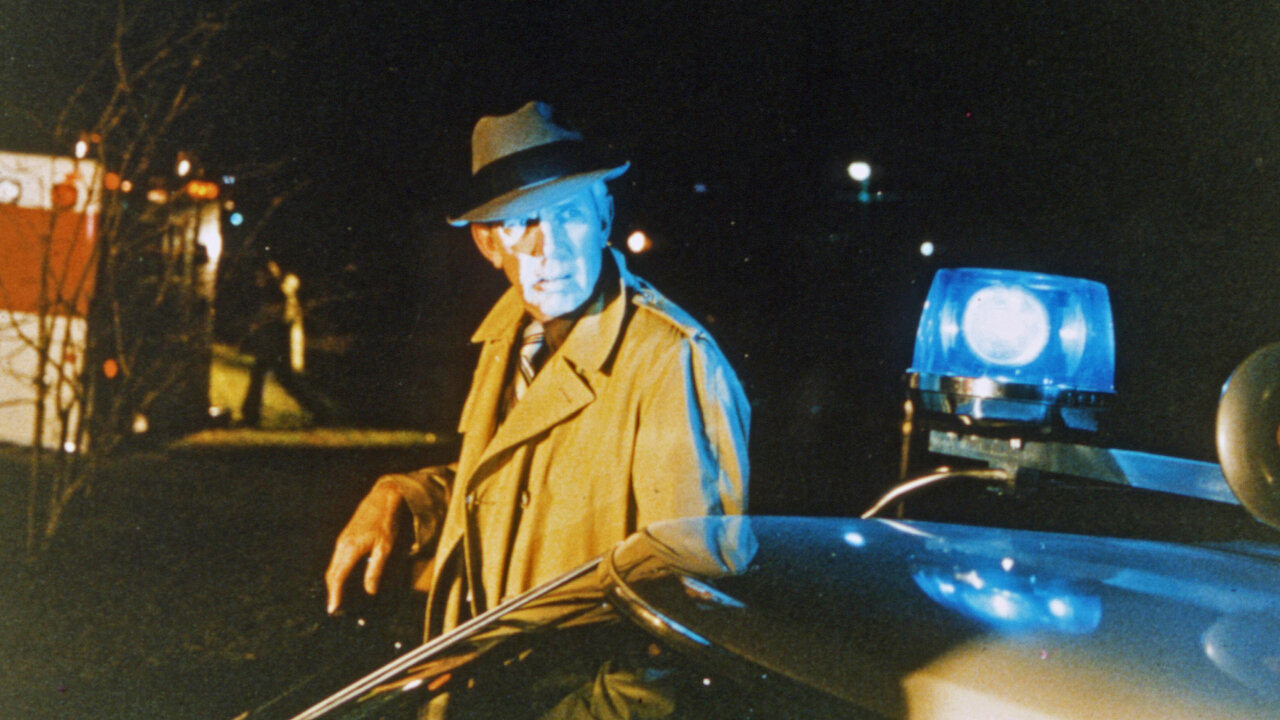
Saxon Grounded, Radice Unhinged
Having a recognizable face like John Saxon aboard lends the proceedings a certain weight. Fresh off films like Enter the Dragon (1973) and appearing concurrently in genre fare like Battle Beyond the Stars (1980), Saxon brings his characteristic stoicism to Hopper, a man haunted by what he saw and terrified of what he might become. He’s our anchor in the escalating chaos, even if the script doesn't always give him the depth the character potentially warrants. Legend has it Saxon wasn't fully aware of just how graphic the film would be until shooting began, adding an extra layer to his character's unease.
Opposite him, Giovanni Lombardo Radice (credited here as John Morghen), practically Italian horror royalty known for his unforgettable, often gruesome demises in films like City of the Living Dead (1980) and Cannibal Ferox (1981), is perfectly cast as the volatile Charlie Bukowski. Radice didn't just act; he also co-wrote the screenplay (with Dardano Sacchetti, a frequent collaborator of Fulci and Argento), reportedly crafting the Bukowski character (pointedly named after the hard-living author) specifically for himself. He embodies the film's tragic core – a victim consumed by a violence he can no longer control, lashing out with savage intensity. His performance is raw, disturbing, and ultimately quite pitiful.
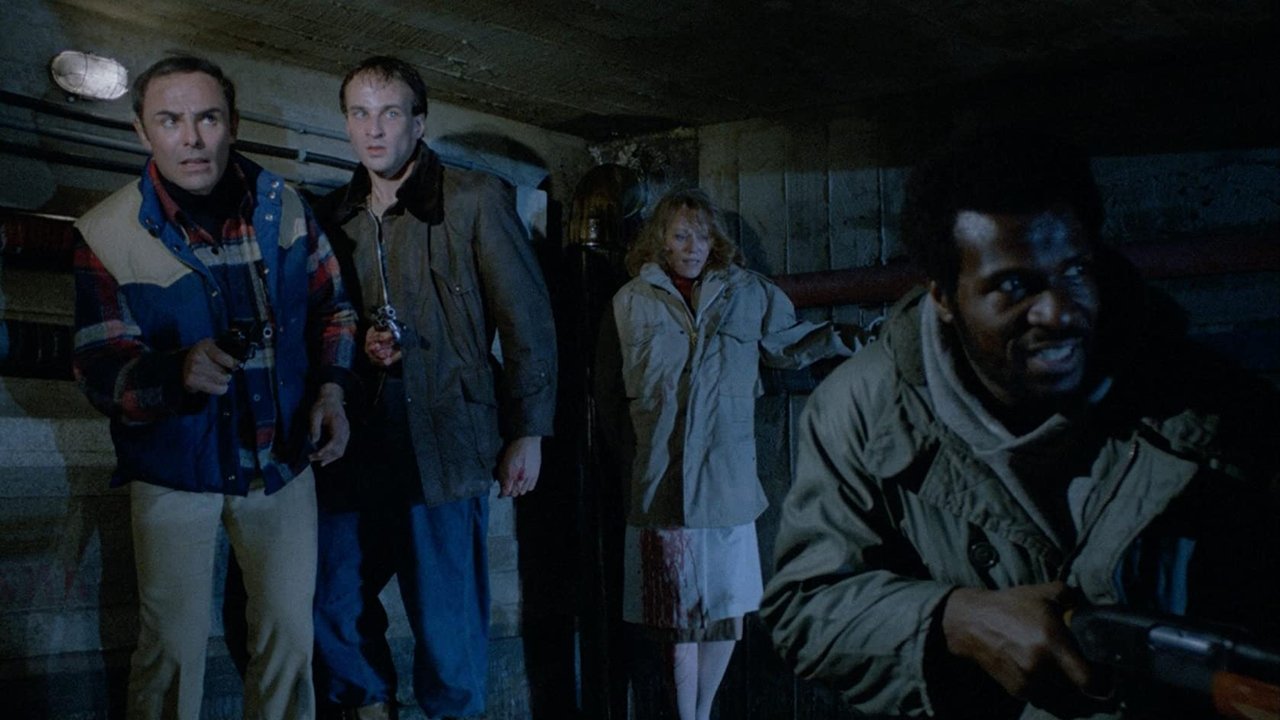

Grindhouse Grit and Practical Gore
Margheriti directs with a workmanlike efficiency, blending Vietnam flashbacks, police procedural elements, and outright horror sequences. The film isn't subtle; the shifts can be jarring, moving from moments of quiet tension to sudden bursts of shocking violence. But there's an undeniable atmosphere, aided by Alexander Blonksteiner's effectively moody synthesizer score, which alternates between melancholic themes and pulsing dread.
And then there are the effects. Oh, the effects! This was the golden age of practical gore, and Cannibal Apocalypse delivers with stomach-churning enthusiasm. The bites are wet and messy, the flesh-tearing visceral. One infamous scene involving a shotgun blast to the gut remains disturbingly effective, showcasing the kind of graphic detail that landed the film squarely on the UK's notorious "Video Nasty" list back in the day. It might look rubbery by today's standards, but wasn't there a unique kind of horror to those tangible, physical effects that felt so distressingly real on grainy VHS? The sewer chase sequence, grimy and claustrophobic, is another standout, feeling like a desperate scramble through the city's infected underbelly.
A Different Kind of Contagion
Despite its B-movie credentials and sometimes uneven pacing, Cannibal Apocalypse burrows under your skin. It’s not just about the gore; it’s the bleakness, the sense of inevitable decay, both physical and societal. The idea of soldiers returning home irrevocably changed, carrying a literal infection alongside their psychological scars, felt particularly potent in the post-Vietnam era. The film never fully explores these themes with nuance, opting instead for exploitation thrills, but the core concept remains unsettling. I distinctly remember renting this from a local store with a particularly lurid cover, drawn in by the promise of carnage, but finding something slightly stranger, sadder, and more atmospheric than expected.
It’s a messy film, no doubt. The plot logic can be questionable, and some performances outside the leads are stiff. Yet, its unique blend of war trauma, viral horror, and urban grit makes it a fascinating outlier in the often repetitive Italian horror cycle. It feels less nihilistic than Ruggero Deodato's jungle epics, possessing a strange, mournful quality beneath the bloodshed.

VHS Heaven Rating: 7/10
The rating reflects the film's undeniable cult status, its effective atmosphere, standout performances from Saxon and Radice, and gloriously gruesome practical effects that are a hallmark of the era. It loses points for uneven pacing, occasional narrative clumsiness, and not fully developing its intriguing thematic potential. However, it delivers exactly what fans of gritty 80s Italian horror expect, and then some.
Cannibal Apocalypse remains a potent dose of Reagan-era anxiety filtered through a uniquely Italian lens – a grimy, unsettling slice of urban horror that still packs a visceral punch long after the tape stops rolling. It’s a reminder that sometimes the most frightening monsters aren't in the jungle, but right next door, hidden behind a seemingly normal face.