The salt spray seems to cling to the celluloid itself. There’s a desolate beauty to the sun-bleached Greek island in Anthropophagous (1980), but it’s a beauty quickly curdled by silence, by emptiness. You arrive with the doomed tourists, stepping onto shores that feel fundamentally wrong. It’s the kind of quiet that precedes a scream, the kind that settled deep in your bones when you first slid that forbidden, often unlabeled tape into the VCR late at night. This wasn't just a movie; for many who encountered it during the wild days of video rental, it felt like unearthing something genuinely transgressive.
Whispers on a Deserted Shore
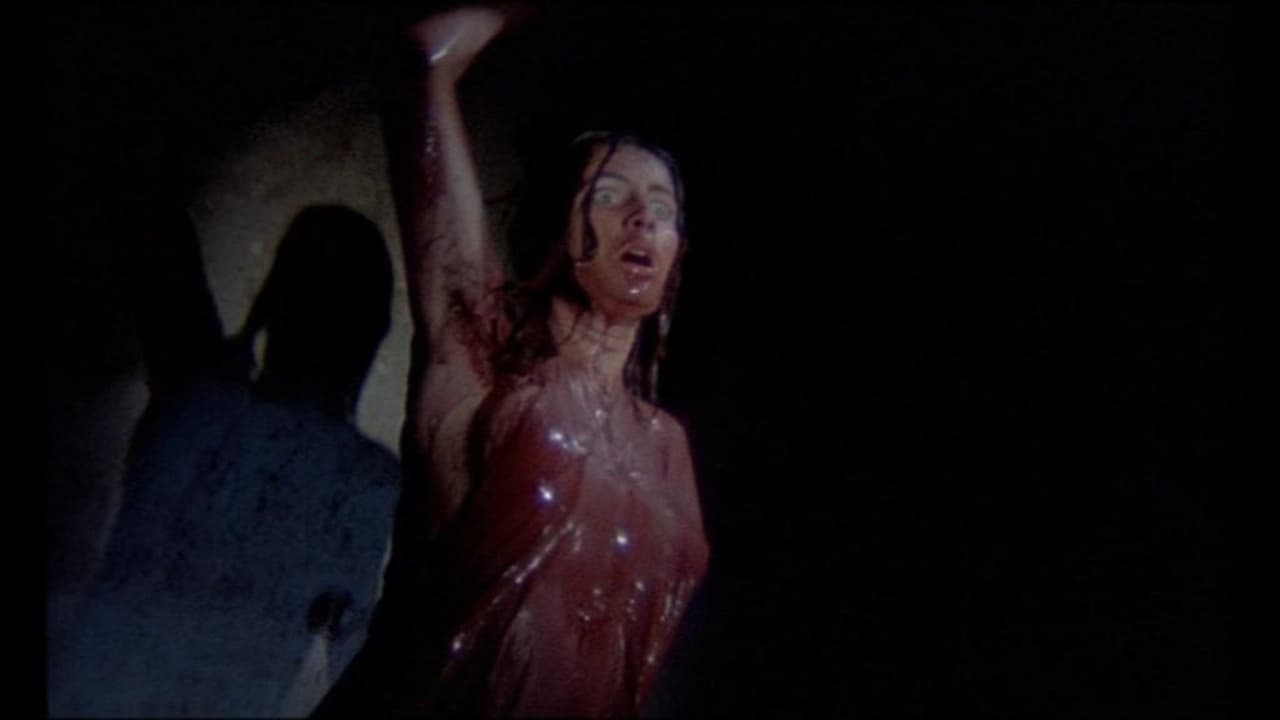
Director Joe D'Amato (a name synonymous with Italian exploitation, often working under pseudonyms like Aristide Massaccesi) doesn't rush the dread. He lets the isolation work on you. A group of tourists, including Julie (Tisa Farrow, Mia's sister, fresh off her harrowing ordeal in Lucio Fulci's Zombi 2 from 1979), finds their idyllic boat trip turning sour when they land on a small, seemingly abandoned island. Doors hang open, meals sit half-eaten, but there are no people. Only unsettling clues: a bloodstained shawl, a frantic blind girl hidden away, and the chilling legend of Klaus Wortmann. The score by Marcello Giombini underscores the growing unease, less a traditional horror soundtrack and more a persistent, atmospheric thrum of impending doom. It’s surprisingly effective, adding a layer of almost melancholic dread to the sun-drenched decay.
The Shape in the Shadows

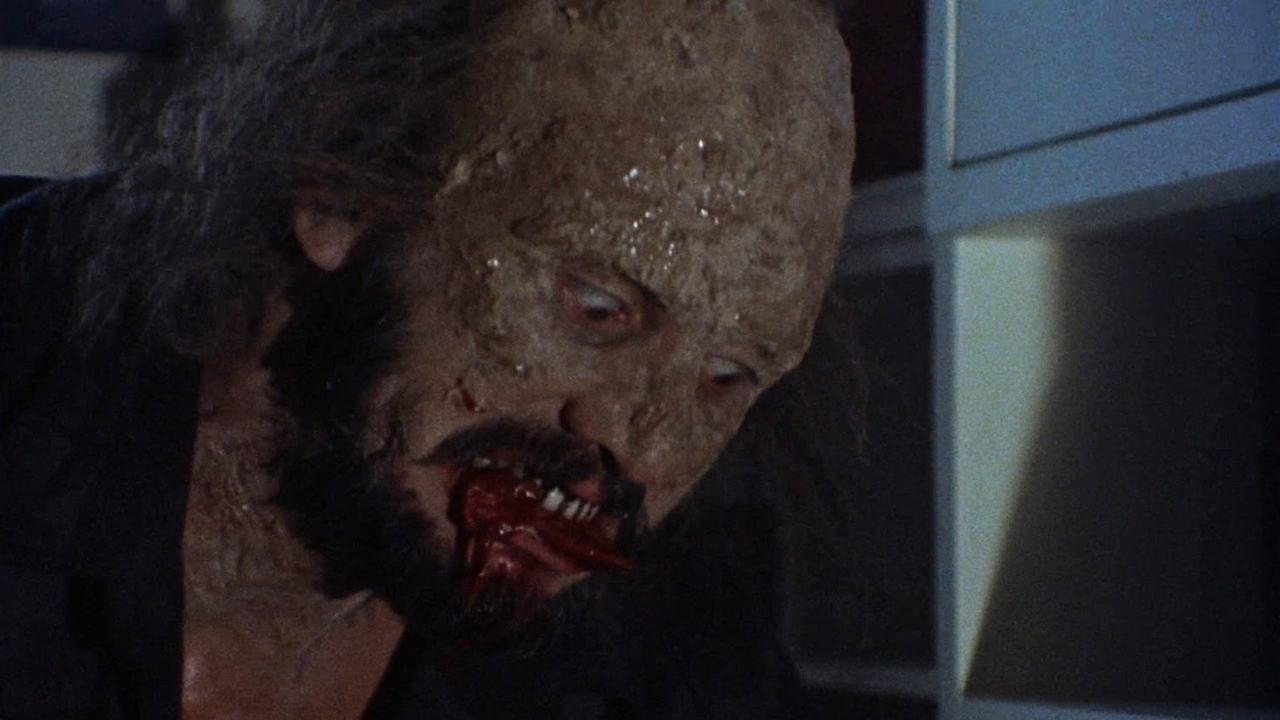
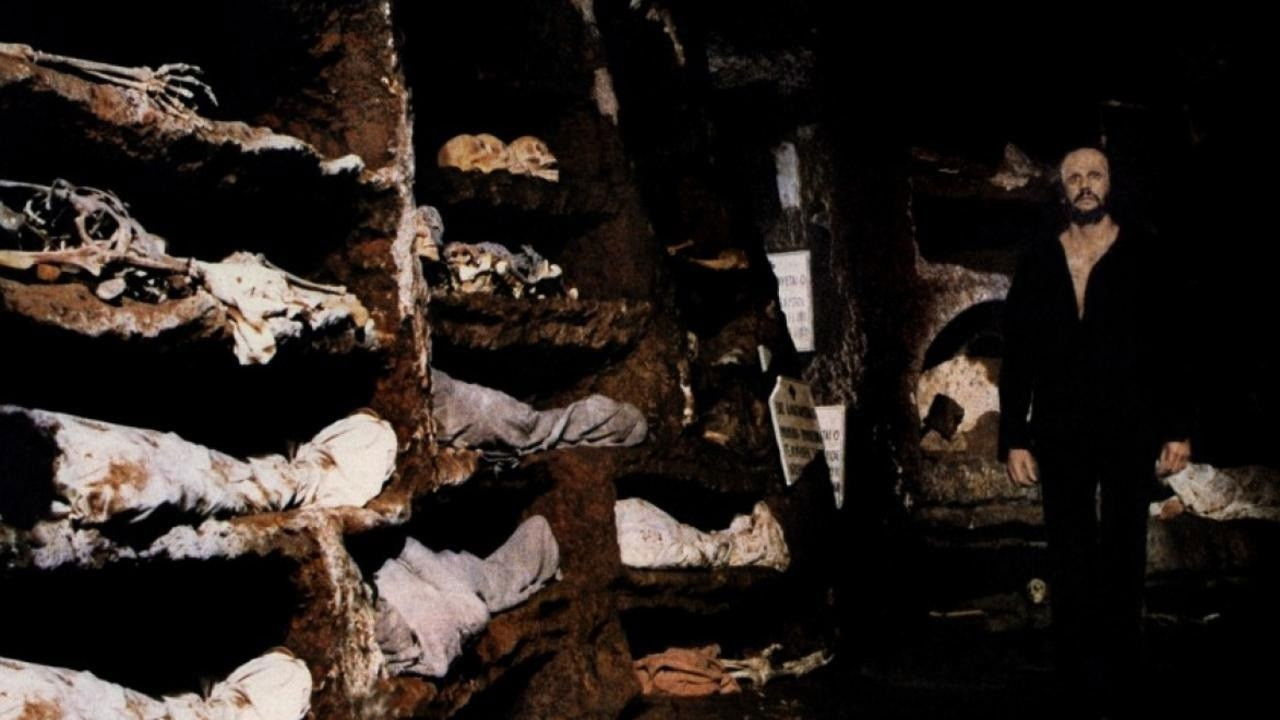
Then, he appears. Klaus Wortmann, the titular Anthropophagous (or The Grim Reaper, as some UK tapes ominously called it), played with unnerving physical presence by co-writer George Eastman (real name Luigi Montefiori). Eastman isn't just playing a monster; he is the landscape's horror made flesh. Gaunt, shambling, with a face locked in a rictus of perpetual agony and hunger, his presence is genuinely disturbing. D'Amato wisely keeps him lurking in the periphery initially, a suggestion of movement, a silhouette against the ancient ruins. Eastman, a towering figure already, reportedly relished the physicality, crafting a creature born of unimaginable trauma – a man who, shipwrecked with his family, was driven to consume them to survive, losing his mind in the process. It's a backstory delivered with grim simplicity, adding a layer of tragic horror beneath the eventual carnage.
Acts Beyond Forgiveness
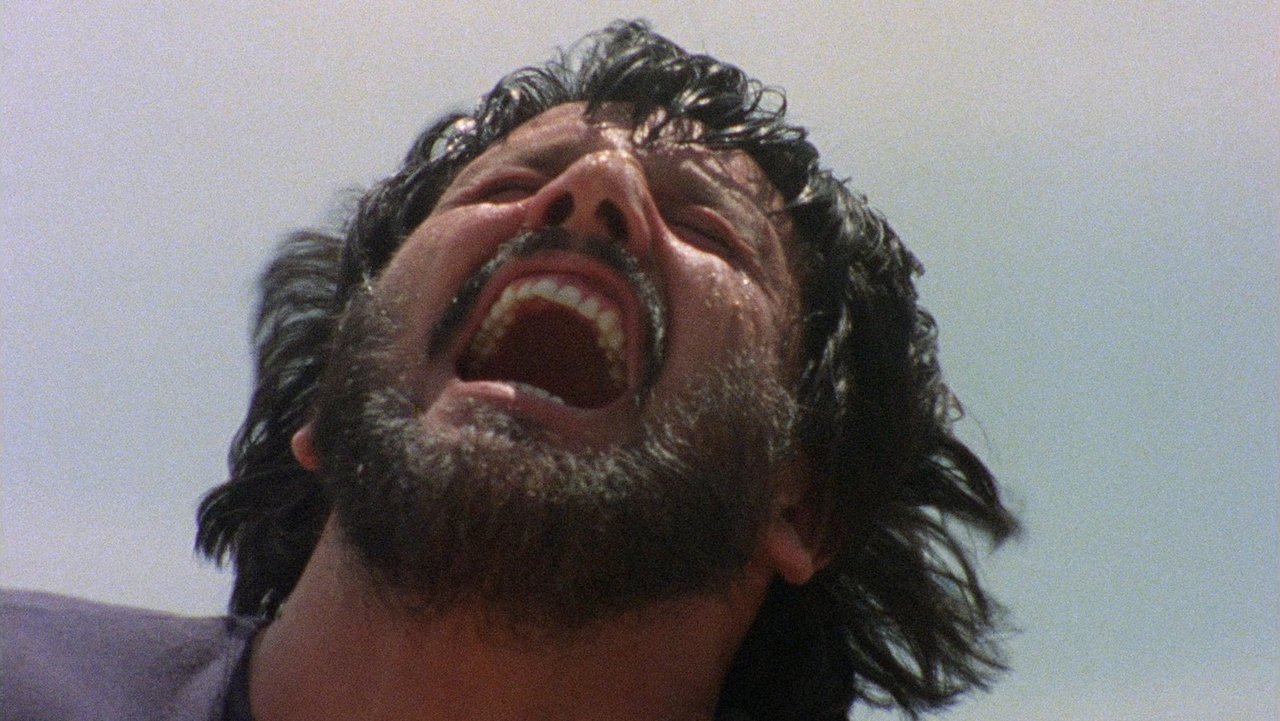
Let's be blunt: Anthropophagous earned its notorious place on the UK's "Video Nasty" list primarily for two sequences. Even now, viewed through decades of desensitization, they retain a raw, ugly power. The infamous scene involving a pregnant character and the unborn fetus remains deeply shocking. Whispers and playground legends surrounded this moment back in the day – was it real? Of course not. D'Amato and his effects team achieved the sickening effect using animal offal (reportedly rabbit and pig), but its sheer audacity and violation of taboo cemented the film's dark reputation. It wasn't just gore; it felt personal, violating. Similarly, the film's climax, involving Wortmann confronting his own ruined body, is legendarily visceral. Rumors persisted for years that George Eastman actually consumed real animal intestines on camera for the shot – a testament to the scene's grim effectiveness and the lengths Italian horror filmmakers would go to for a reaction. These moments aren't subtle, they are sledgehammer blows, designed purely to revolt, and in that, they succeed unequivocally.
D'Amato's Grimy Artistry
Filmed largely in Sperlonga, Italy, convincingly doubling for the Greek isles, Anthropophagous showcases Joe D'Amato's knack for creating potent atmosphere on meager resources. He wasn't Dario Argento, crafting baroque nightmares, nor was he Lucio Fulci, wallowing in poetic decay. D'Amato's style here is blunter, more focused on sustained tension and sudden, brutal shocks. The pacing is deliberate, some might say slow, but it allows the island's oppressive silence and the characters' mounting fear to fester. While performances outside of Eastman and Tisa Farrow are typical for the genre, Farrow brings a believable vulnerability that grounds the escalating horror. The film sits firmly within that golden, gory era of Italian horror, alongside contemporaries that pushed boundaries and censors alike. D'Amato and Eastman would even re-team for a spiritual sequel, Absurd (1981), pushing the stalk-and-slash elements even further.
The Lingering Stain on the Tape
Watching Anthropophagous today is a curious experience. The grainy transfer inherent to old VHS copies almost enhances its griminess. The deliberate pace can test modern attention spans, and some of the acting feels decidedly of its time. Yet, the core dread remains potent. The isolation feels real, Eastman's performance is genuinely unsettling, and those infamous gore scenes... well, they still have the power to make you look away. It's a film intrinsically tied to the VHS era – the thrill of finding something forbidden, the shared whispers about that scene, the feeling that you were watching something dangerous. Does the sheer shock value translate perfectly? Maybe not entirely, but the memory of its impact certainly does. I remember renting this from a dusty corner shelf, the lurid cover art promising something extreme, and D'Amato certainly delivered on that promise.
Rating: 6/10
Justification: Anthropophagous is undeniably rough around the edges – the pacing drags in spots, and the supporting cast is uneven. However, its strengths lie in its oppressive atmosphere, George Eastman's truly unnerving portrayal of the cannibal, and its legendary, boundary-pushing gore sequences. It fully earns its cult status as a prime example of shocking Italian exploitation cinema and a notorious "Video Nasty." The 6 reflects its effectiveness within its specific, grimy niche and its historical impact, acknowledging its flaws but respecting its raw power to disturb, which hasn't entirely faded.
Final Thought: More than just a gore-fest, Anthropophagous is a potent slice of sun-drenched dread, a reminder of a time when horror films discovered on worn-out tapes felt genuinely capable of leaving a mark long after the static kicked in.