## The Dangerous Comfort of Chaos: Reflecting on Pialat's "Loulou"
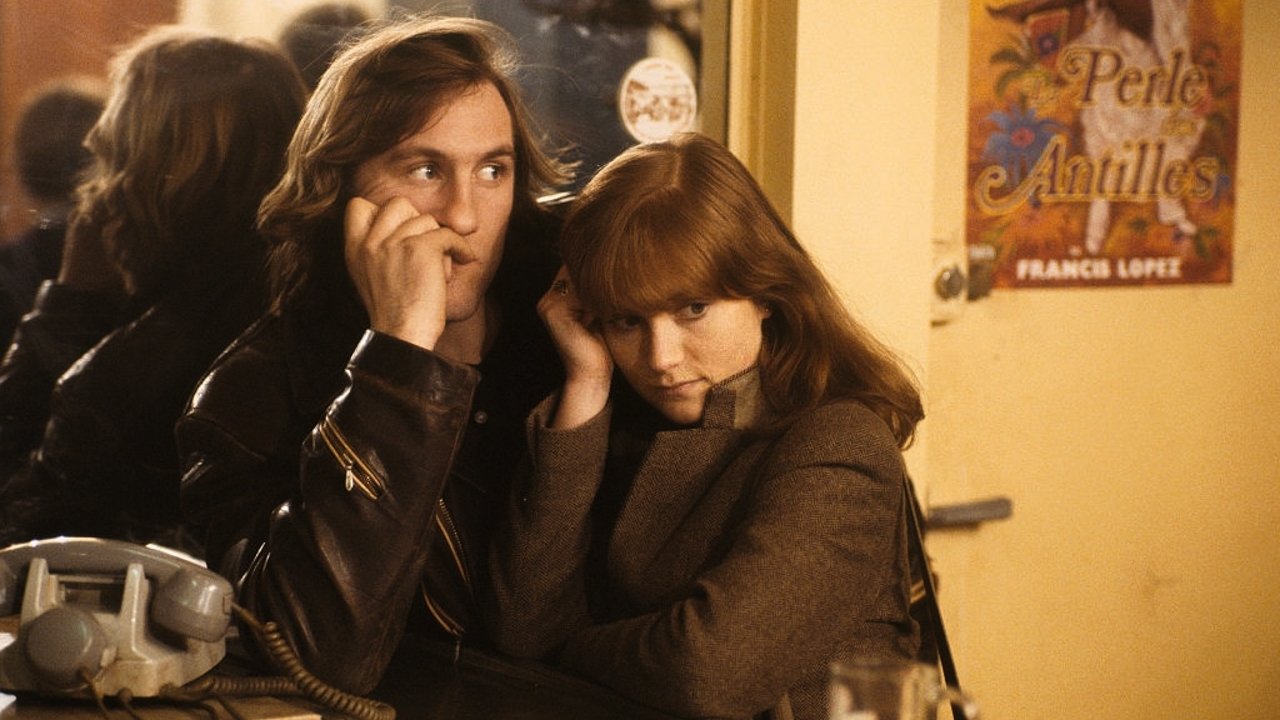
There are films that wash over you, comfortable and familiar like a well-worn armchair. And then there are films like Maurice Pialat's Loulou (1980). This one doesn't offer easy comfort. Instead, it drops you squarely into the messy, exhilarating, and often frustrating reality of a relationship fueled by raw attraction and stark class differences. Watching it again, decades after perhaps first encountering its challenging honesty on a grainy VHS tape, feels less like revisiting a movie and more like eavesdropping on lives unfolding with an almost unsettling lack of artifice. It forces you to ask: what truly draws people together, and can pure passion ever be enough?
A Collision of Worlds
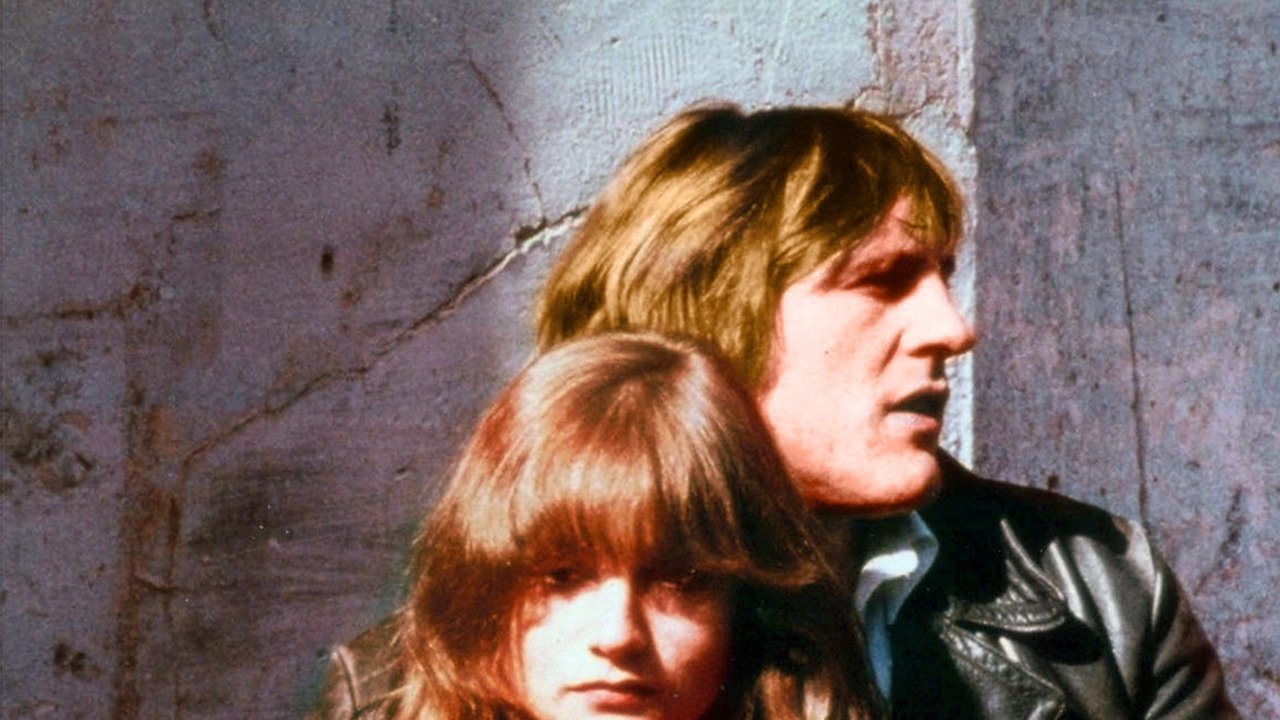
The premise is deceptively simple: Nelly (Isabelle Huppert), educated and married to the stable, somewhat possessive advertising executive André (Guy Marchand), finds herself irresistibly drawn to Loulou (Gérard Depardieu). Loulou is everything André isn't – unemployed, coarse, recently out of prison, living life with a primal immediacy. Nelly leaves her bourgeois life for him, moving into a squalid little room, embracing a world of casual sex, drinking, petty crime, and precarious living.
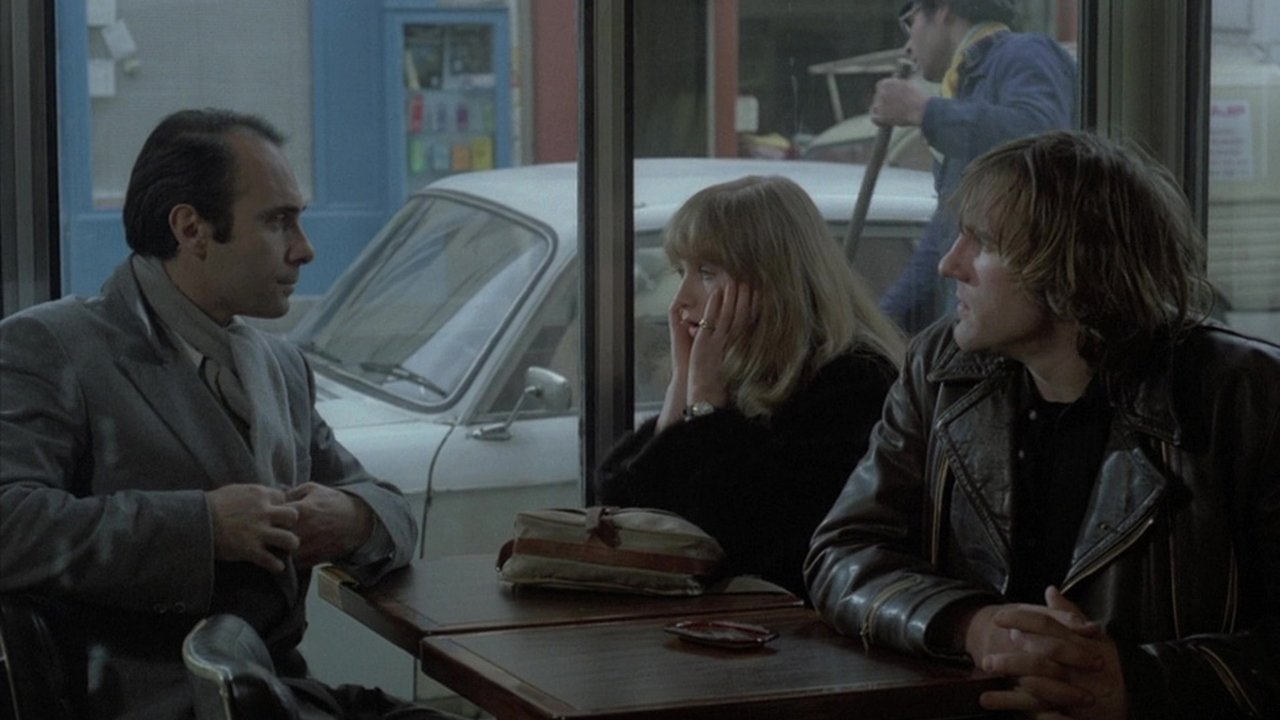
What makes Loulou burrow under your skin isn't a complex plot, but Pialat's radical commitment to realism. Known for his demanding, sometimes confrontational directing style – often encouraging improvisation and pushing his actors relentlessly – Pialat crafts scenes that feel captured rather than staged. Conversations overlap, characters drift in and out, motivations remain ambiguous, much like life itself. There’s a distinct lack of sentimentality here; this isn't a romanticized tale of slumming it for love. It’s a raw, unflinching look at the intoxicating, yet potentially destructive, allure of the untamed. I recall renting this back in the day, nestled amongst more conventional dramas, and being struck by how different it felt – less polished, more like peering through a slightly grimy window into someone else's complicated existence.
Fire and Ice: Huppert and Depardieu
At the heart of the film are the astonishing performances from Isabelle Huppert and Gérard Depardieu. Already rising stars in French cinema – Depardieu having made waves in Bertrand Blier's Going Places (Les Valseuses, 1974) and Huppert impressing in films like Claude Goretta's The Lacemaker (1977) – their chemistry here is volatile and utterly believable. Huppert, as Nelly, is fascinatingly opaque. She observes, absorbs, and reacts with a quiet intensity that hints at deep, perhaps even contradictory, desires. Is she seeking liberation, self-destruction, or simply something real? Huppert never gives us an easy answer, portraying Nelly's internal conflict with subtle shifts in expression and body language. It's a performance of incredible control amidst the surrounding chaos.
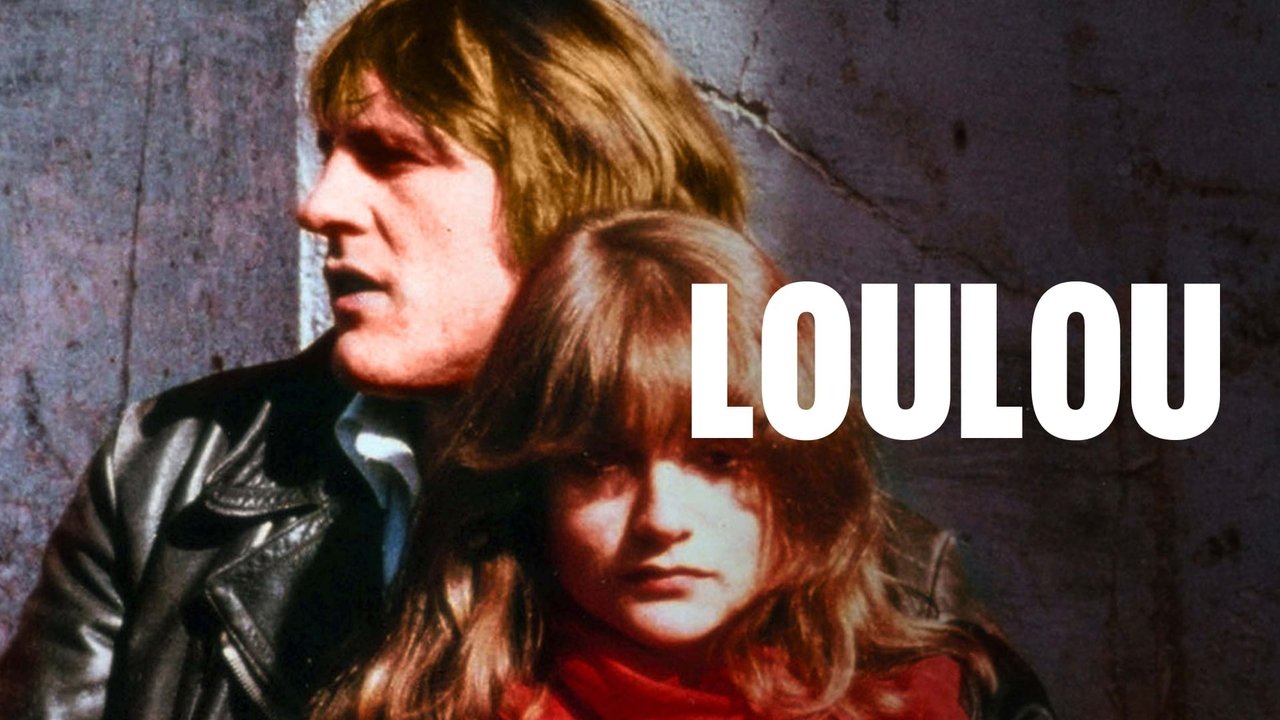
Depardieu, embodying the titular Loulou, is a force of nature. He’s charismatic and magnetic, yet simultaneously lazy, unreliable, and prone to casual violence. Depardieu doesn't shy away from Loulou's less appealing traits; he presents him whole, a man living entirely in the moment, seemingly incapable of long-term planning or profound self-reflection. There's a scene where Nelly announces she's pregnant, and Loulou's reaction is so casually self-absorbed it’s almost breathtaking. It's this unvarnished portrayal, warts and all, that makes the character, and Depardieu's performance, so compelling. The palpable energy between Huppert and Depardieu, a mix of tenderness and friction, powers the entire film. Reportedly, Pialat's method involved shooting extensive takes, encouraging improvisation, sometimes creating tension on set to elicit these raw, authentic moments – a process that clearly paid off, even if it wasn’t always easy for the actors.
The Unvarnished Truth
Pialat, alongside co-writer Arlette Langmann, refuses to judge these characters or offer simple resolutions. The film doesn't condemn Nelly for leaving her comfortable life, nor does it romanticize Loulou's destructive tendencies. It simply presents their situation, exploring the complex interplay of class, desire, and individual freedom. André, the spurned husband played with a wounded dignity by Guy Marchand (a well-known singer and actor in France), isn't a simple villain either; he represents a security and intellectual connection that Nelly consciously rejects, but perhaps still misses.
The film's visual style complements its thematic concerns. The cinematography often feels observational, almost documentary-like. Settings – the cramped apartments, smoky bars, nondescript streets – feel lived-in and authentic, reinforcing the sense of realism. There’s no glamorous filter here. This approach earned Loulou a nomination for the prestigious Palme d'Or at the 1980 Cannes Film Festival, signaling its arrival as a significant, if challenging, piece of French cinema. It stood out then, and perhaps even more now, for its refusal to conform to conventional narrative arcs or offer easy emotional payoffs.
Lingering Questions
What stays with you after watching Loulou isn't a tidy ending, but a lingering sense of ambiguity. Can a connection based purely on physical passion and a rejection of convention sustain itself? Does Nelly truly find freedom, or just a different kind of cage? Pialat leaves us pondering these questions, immersing us in the texture of these lives without providing neat answers. It’s a film that rewards patience and observation, revealing its depths through nuance and behaviour rather than exposition. It might not have been the tape you reached for every Friday night at the video store, but discovering it felt like unearthing something potent and true.
Rating: 8.5/10
Loulou earns this high score for its fearless commitment to realism, the powerhouse performances from Huppert and Depardieu that crackle with authenticity, and Pialat's uncompromising directorial vision. It captures the messy, often contradictory nature of desire and class dynamics with rare honesty. It loses a point or so simply because its deliberate pacing and lack of conventional resolution might test the patience of some viewers expecting a more traditional narrative. It’s not an ‘easy’ watch, but it’s a deeply rewarding one.
Final Thought: A raw, essential slice of French cinema that reminds us how potent and unsettling truthful portrayals of human relationships can be, long after the VCR has been retired.