Some films arrive like a familiar friend, comfortable and predictable. Others land like a punch to the gut, leaving you breathless and wrestling with uncomfortable truths long after the tape spools to its end. Maurice Pialat's Police (1985) belongs firmly in the latter category. Forget the slick car chases, explosive shootouts, and quippy one-liners that defined so many American cop thrillers crowding the shelves of our beloved video stores back then. This is something else entirely: a raw, abrasive, and deeply human dive into the murky depths of police work and the tangled relationships forged in its shadow.
Into the Mire
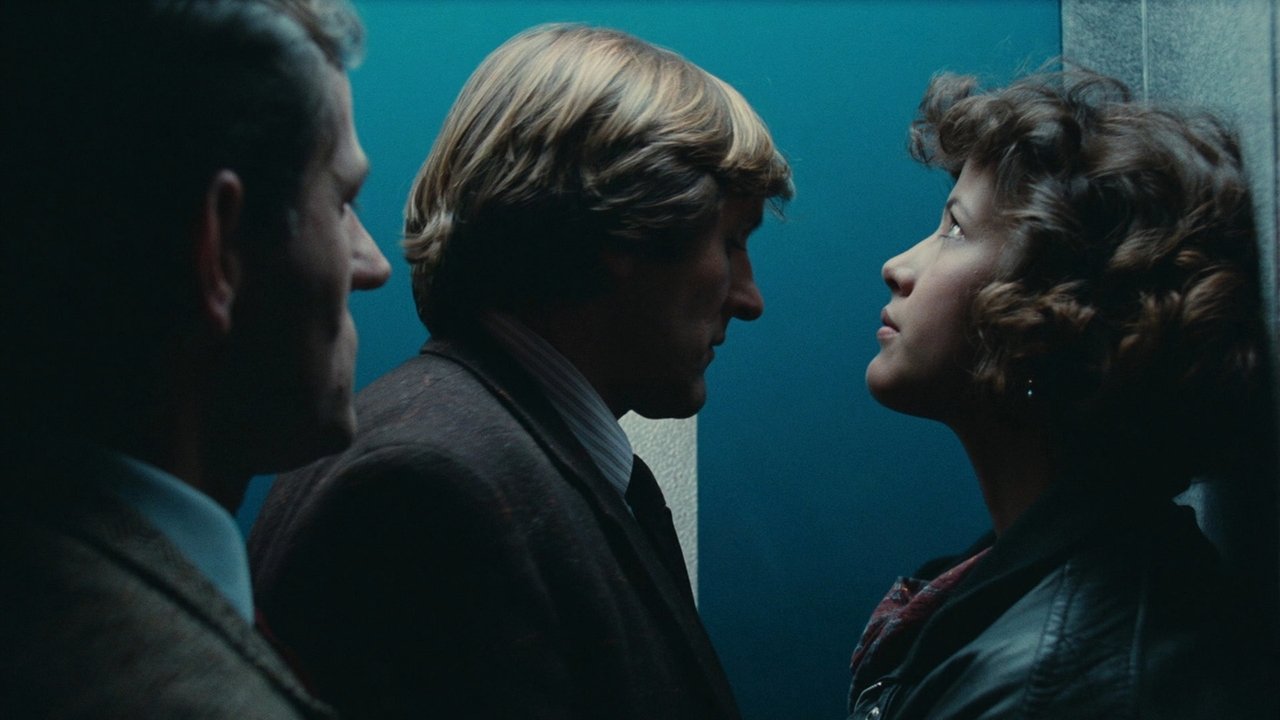
From the opening frames, Pialat throws us headfirst into the weary, unglamorous world of Inspector Louis Mangin, portrayed with monumental force by Gérard Depardieu. There's no easing in; we're immediately immersed in the interrogation rooms, the cramped offices, the late-night stakeouts. Pialat, known for his uncompromising realism and often confrontational style (a reputation sometimes extending to his interactions with actors), strips away any semblance of cinematic artifice. The camera often feels observational, almost documentary-like, capturing the mundane frustrations and sudden bursts of violence that punctuate Mangin's days. Co-written with the provocative Catherine Breillat (who would later direct controversial films like Romance (1999)), the script refuses easy answers or clear moral judgments.
A Force of Nature Named Mangin
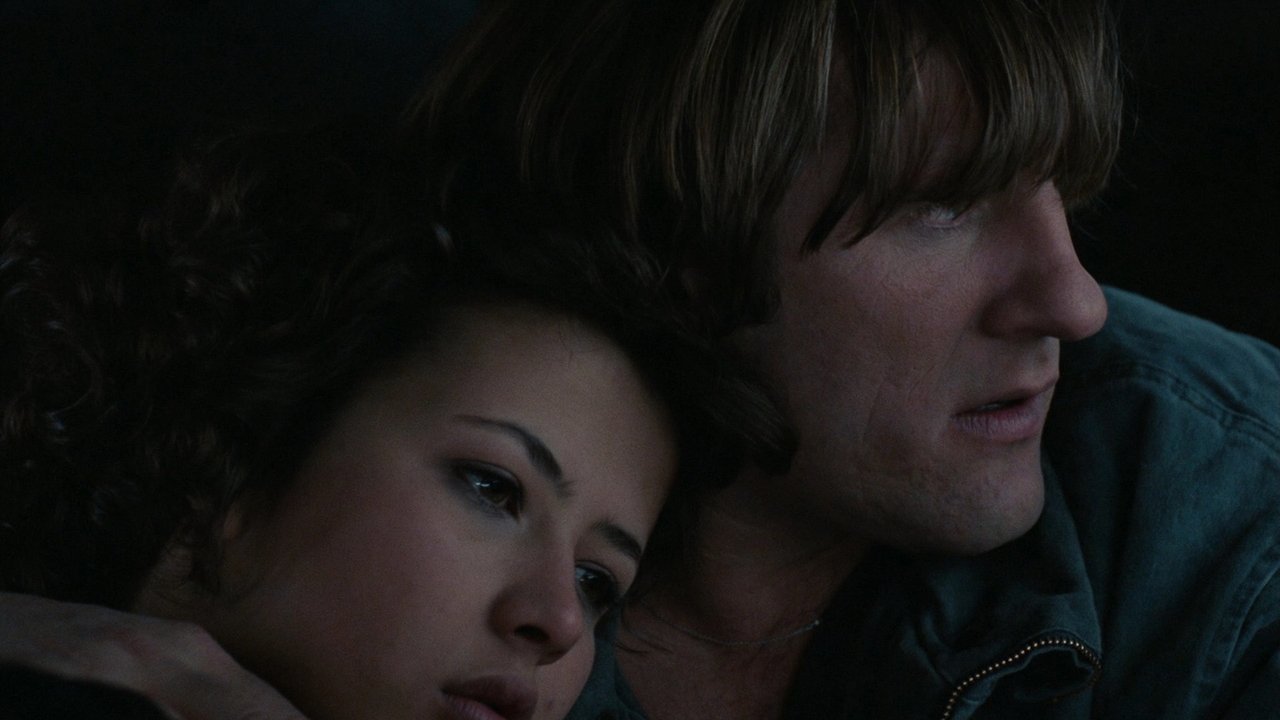
At the heart of it all is Depardieu. This isn't the charming rogue or gentle giant we saw in some other roles. His Mangin is a complex, contradictory beast – brutal and volatile one moment, surprisingly tender and vulnerable the next. He bullies suspects, bends rules, and carries the weight of the job etched onto his face. Yet, Depardieu infuses him with a raw humanity that makes him utterly compelling, even when his methods are questionable. It’s a performance of immense physical presence and emotional depth, rightfully earning Depardieu the César Award for Best Actor. You believe this man exists, burdened and compromised by the world he navigates. You get the sense that Pialat wasn't just directing Depardieu; he was capturing a storm contained within a man.
The Enigma of Noria
Into Mangin's bleak world steps Noria, played by a young Sophie Marceau. This was a significant departure for Marceau, who many audiences primarily knew from the lighter, hugely popular teen romance La Boum (1980). Here, she's captivatingly ambiguous – a drug mule tangled with dangerous Tunisian dealers, possibly playing Mangin, possibly genuinely falling for him, perhaps manipulating everyone including herself. Marceau holds her own against Depardieu's intensity, conveying Noria's fear, desperation, and shrewdness with subtle glances and guarded vulnerability. Their scenes together crackle with an unsettling chemistry, a dance of suspicion and attraction. It’s reported that Pialat pushed Marceau hard, aiming for that raw authenticity, and the results are undeniable, earning her a César nomination for Most Promising Actress. She feels less like a traditional femme fatale and more like a desperate survivor caught in a web far larger than herself.

No Easy Answers, No Tidy Endings
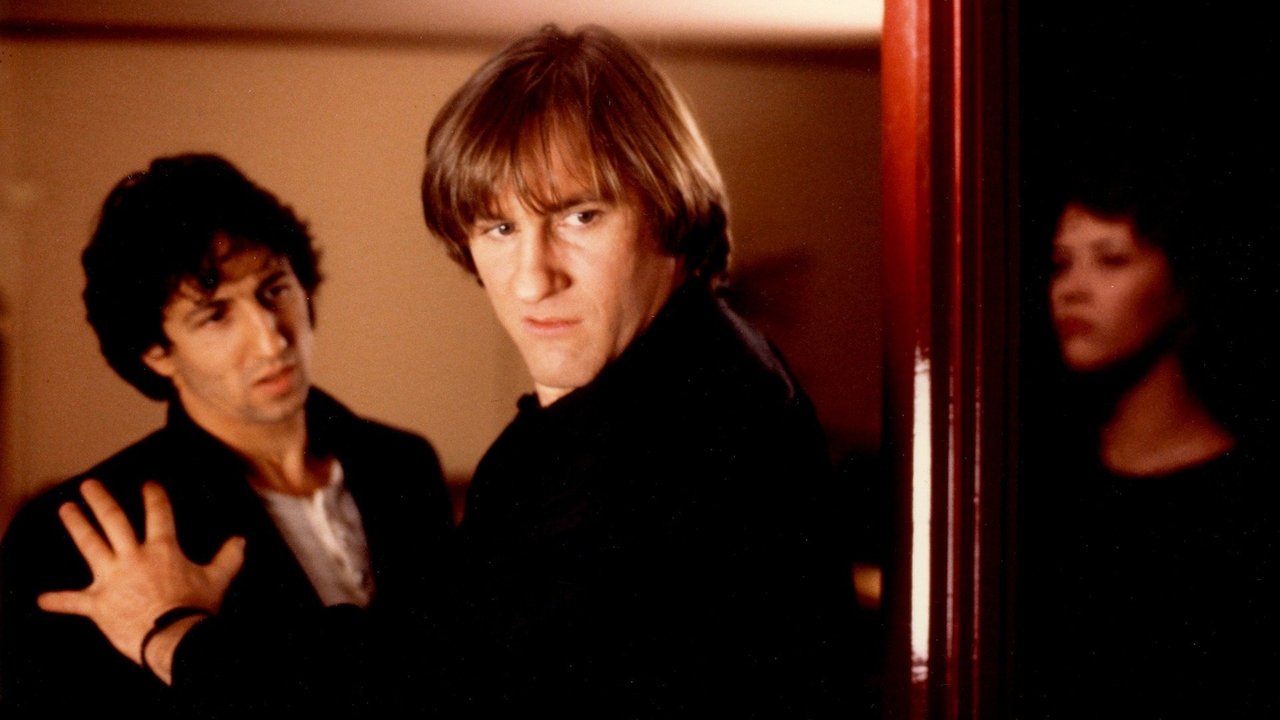
What makes Police linger is its refusal to offer simple resolutions. The plot, involving drug trafficking and betrayal, serves more as a framework for exploring character and moral ambiguity. Supporting players like Richard Anconina as Mangin's conflicted partner Lambert add layers to the weary ecosystem of the precinct. There are no heroes here, just flawed people making difficult choices in impossible situations. The film doesn't shy away from the casual racism and brutality that can fester within law enforcement, nor does it ignore the genuine dangers and pressures officers face. It presents a world painted in shades of grey, forcing us to confront uncomfortable questions about justice, loyalty, and the compromises we make. Watching this back in the day, perhaps on a slightly grainy VHS tape rented from the 'Foreign Film' section, felt like stumbling onto something intensely real, a stark contrast to the escapism often sought on a Friday night.
The pacing is deliberate, sometimes meandering, mirroring the often-tedious nature of police work itself, punctuated by moments of startling intensity. There's little traditional score; the soundtrack is the ambient noise of the city, the harsh fluorescent hum of the station, the strained silences between characters. It demands patience, attention, and a willingness to sit with discomfort.
Rating: 8/10
Police is undeniably challenging, a demanding piece of cinema that offers few concessions to audience comfort. It’s gritty, morally complex, and anchored by towering performances, particularly from Depardieu and Marceau playing startlingly against type. The rating reflects its artistic merit, its uncompromising realism, and the sheer power of its central portrayals. It's not a film you 'enjoy' in the conventional sense, but its raw honesty and Pialat’s unflinching gaze make it a vital, unforgettable piece of 80s French filmmaking that burrows under your skin.
It leaves you pondering the corrosive nature of the world Mangin inhabits, and perhaps questioning just how much separates the enforcers from the enforced in the desperate scramble of life. A truly potent find from the deeper cuts section of the video store archives.