There's a stillness that settles over Alan J. Pakula’s Comes a Horseman (1978), a quiet tension carried on the vast, windswept Montana plains where the film unfolds. It’s not the boisterous energy of many Westerns we might have grabbed off the rental shelf back in the day; instead, it’s a more contemplative, almost elegiac mood that permeates the screen, reminiscent perhaps of Pakula's other great works of the 70s like Klute (1971) or All the President's Men (1976), though transplanted to a starkly different landscape. Watching it again now, maybe on a format far removed from the slightly worn VHS tape I first saw it on, that deliberate pace and atmosphere feel even more pronounced, pulling you into a world where change is coming, wanted or not.
The Weight of the Land
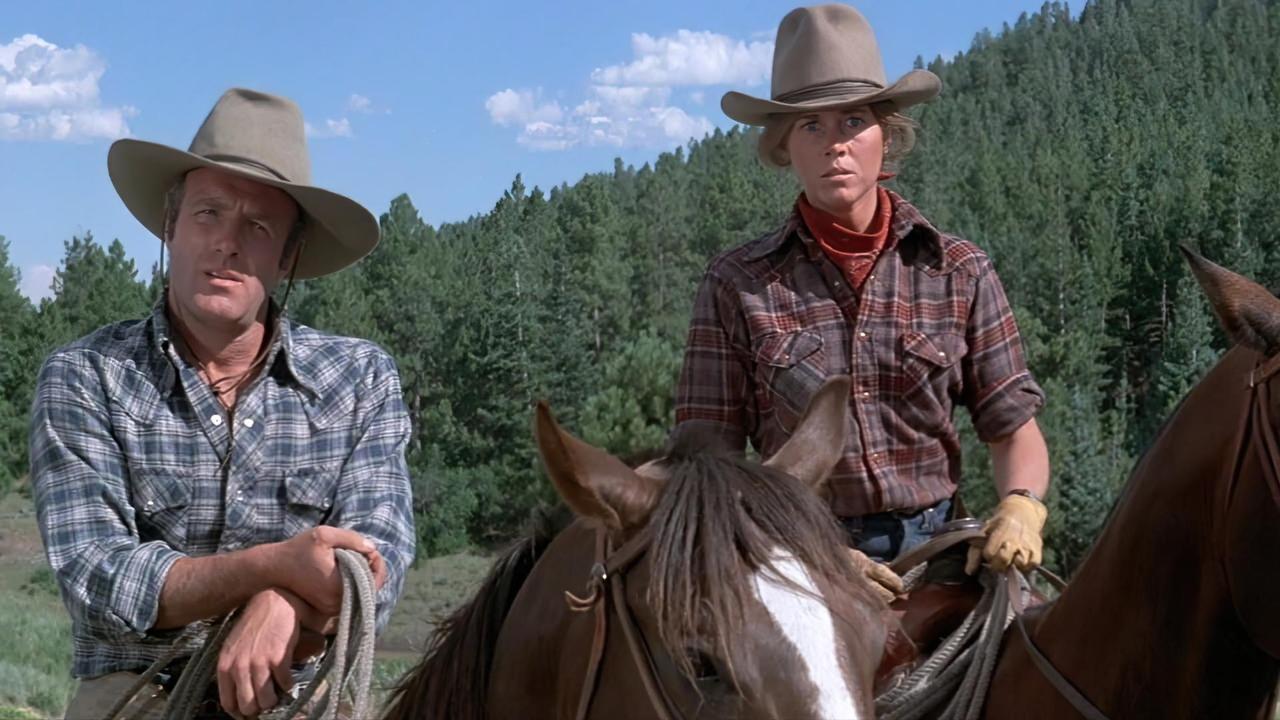
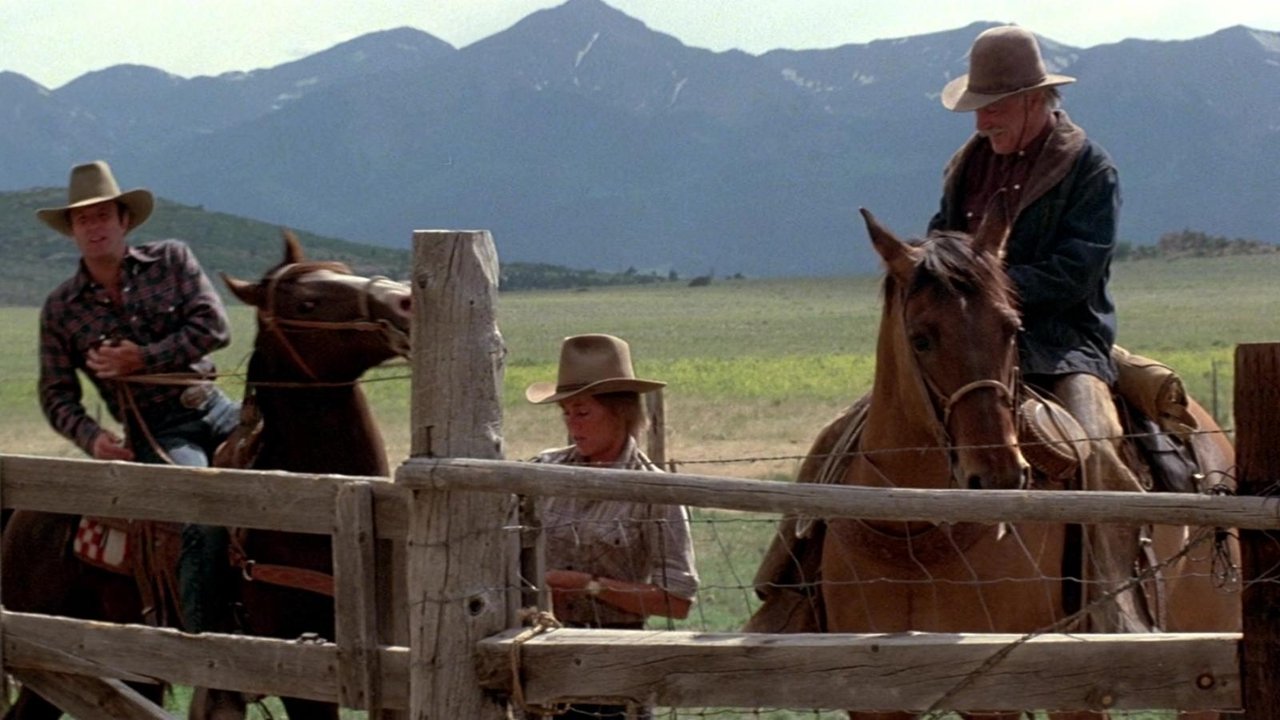
The story itself is deceptively simple, rooted in the classic conflict between rugged individualism and encroaching corporate power. Jane Fonda, as Ella Connors, is a fiercely independent rancher struggling to keep her small patch of land afloat. Her neighbour, Frank Athearn, played by James Caan, is a World War II veteran haunted by his past, returning to work the land alongside her. Their shared struggle for survival puts them directly in the crosshairs of Jacob "J.W." Ewing (Jason Robards), a wealthy cattle baron – and Ella’s former lover – who embodies the relentless force of "progress" and acquisition, determined to consolidate all the surrounding territory under his control. There's a raw beauty to the cinematography by the legendary Gordon Willis (known for The Godfather films), capturing both the allure and the harshness of this environment. The land isn't just a backdrop; it feels like a character, shaping the destinies of those who live on it.
Quiet Power in Performance
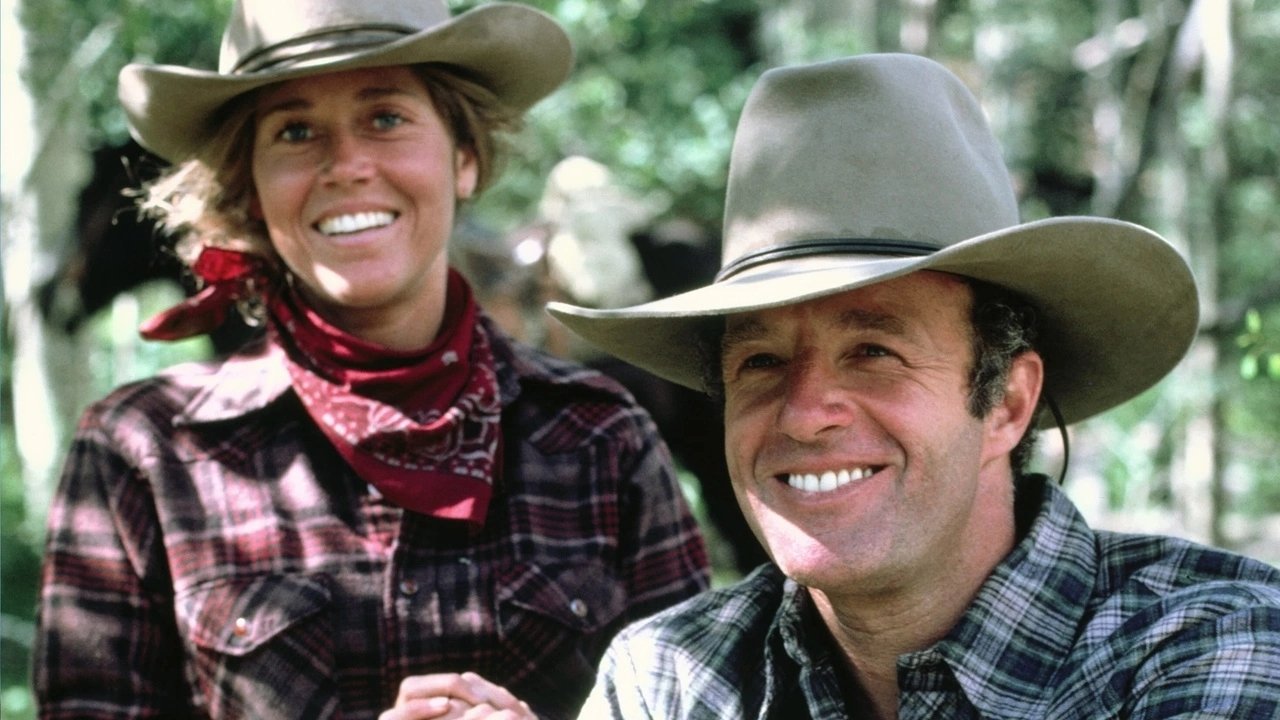
What truly elevates Comes a Horseman beyond a standard range war narrative are the performances, particularly their understated authenticity. Fonda, already a two-time Oscar winner by this point, brings a steely determination to Ella. There's no vanity, just grit and exhaustion etched onto her face. You believe her connection to the land, her refusal to yield. James Caan, fresh off roles like Sonny Corleone in The Godfather (1972), is equally compelling as Frank. He’s a man of few words, carrying visible and invisible scars. It’s worth remembering that Caan was an experienced rodeo rider in real life, lending an effortless physicality and credibility to his scenes on horseback – no stunt double needed for much of his riding, adding a layer of realism that feels palpable even decades later.
But it's perhaps Jason Robards, another titan of the screen who collaborated with Pakula on All the President's Men, who leaves the most indelible mark. His J.W. Ewing isn't a moustache-twirling villain. He's presented with a chilling pragmatism, a man who believes his vision for the valley is inevitable, even righteous. There’s a weariness about him, too, hinting at the personal cost of his ambition. The complex history between J.W. and Ella adds another layer of emotional weight, making their conflict feel deeply personal, not just ideological. The quiet moments between these actors, the unspoken tensions and shared histories, resonate far more than any explosive gunfight might.
Echoes of a Changing West
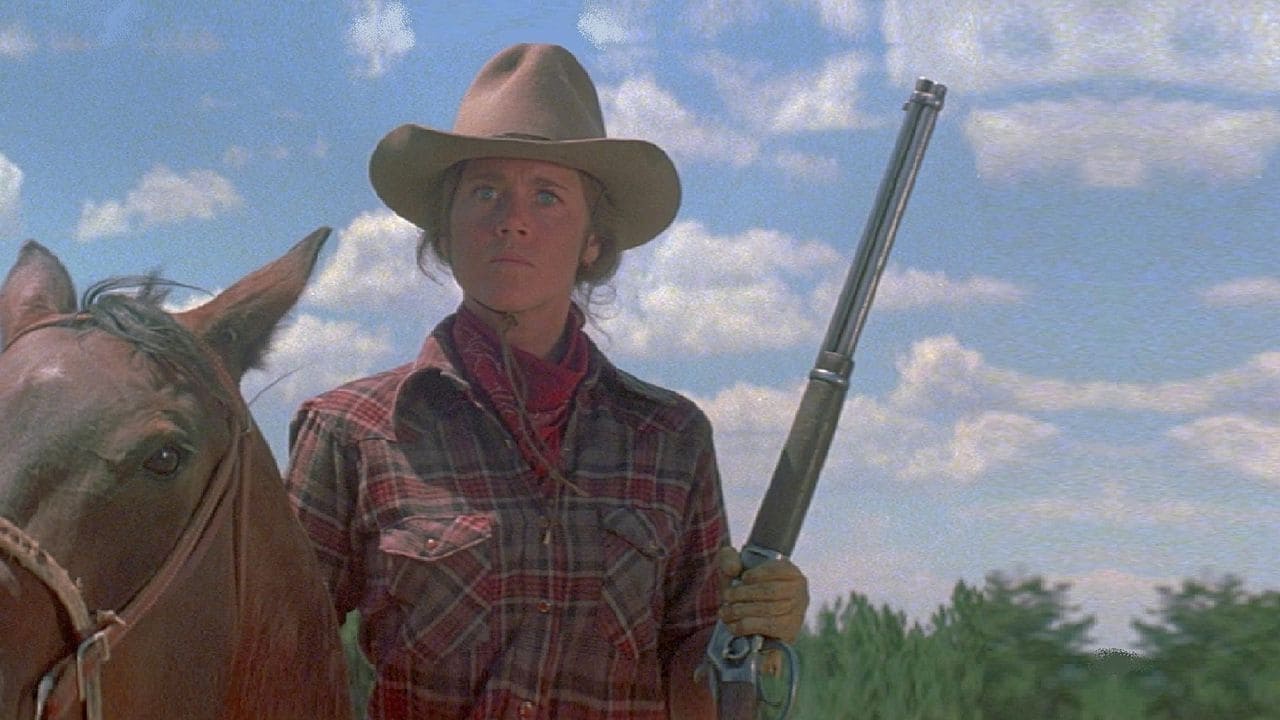
Beneath the surface narrative, the film explores potent themes. It’s a story about the end of an era, the slow erosion of the old ways by mechanization and corporate consolidation. Ewing’s plans involve oil drilling, a stark contrast to the cattle ranching traditions Ella and Frank cling to. Doesn't this tension between preservation and profit feel remarkably relevant even today? The film doesn’t offer easy answers, presenting the conflict with a kind of melancholic inevitability.
The production itself faced its share of challenges, mirroring the ruggedness depicted on screen. Filming on location in the Wet Mountain Valley of Colorado (standing in for Montana) presented logistical hurdles. There's a famous, tragic story involving a stuntman, Jim Sheppard, who was sadly killed during the filming of the climactic scene when the horse dragging him veered off course. It’s a somber note that underscores the real dangers involved in creating even fictional portrayals of the West. Pakula, known for his meticulous approach, allows these harsh realities to seep into the film's texture. He doesn't rush; he lets scenes breathe, emphasizing the quiet dignity and resilience of his characters against the imposing landscape and the encroaching threats.
A Slow Burn Worth Savouring
Comes a Horseman isn't a film that grabs you by the collar immediately. It requires patience, an appreciation for nuance and atmosphere over action spectacle. Some might find its pacing too deliberate, its tone too muted compared to the more action-packed Westerns or the high-concept blockbusters that would come to dominate the video store shelves in the following decade. But that deliberate pacing is precisely its strength. It allows the viewer to soak in the environment, to understand the stakes not just in terms of land ownership, but in terms of identity and heritage.
It’s a film that feels like it was made by adults, for adults, tackling complex themes with a quiet intelligence. While maybe not the first tape you'd grab for a Friday night pizza party, it’s the kind of film that rewards thoughtful viewing, leaving you pondering the cost of progress and the enduring spirit of those who resist it.
Rating: 8/10
This score reflects the film's powerful performances, particularly from the central trio, Pakula's masterful direction in creating a palpable atmosphere, and Willis's stunning cinematography. The deliberate pacing and understated narrative won't appeal to everyone, preventing a higher score, but its thematic depth and authentic portrayal of its characters and setting make it a truly rewarding, if somber, experience. It's a potent reminder that sometimes the quietest conflicts carry the most weight, a slow-burn Western that lingers long after the screen fades to black. What stays with you most isn't the gunfire, but the vast silence of the plains and the determined set of Jane Fonda's jaw.