There's a particular kind of chill that settles in the air during François Truffaut's The Last Metro (Le Dernier Métro, 1980), one that seeps deeper than the Parisian winter depicted. It's the cold grip of fear under Nazi occupation, a pervasive dread that forces life, love, and even art itself underground. The film opens not with grandeur, but with the hurried footsteps of Parisians rushing for that final metro train before curfew – a nightly reminder of constraint, of a city holding its breath. It immediately establishes the paradox that fuels the narrative: the show must go on, even when freedom has been cancelled.
Theatre as Sanctuary, Theatre as Prison
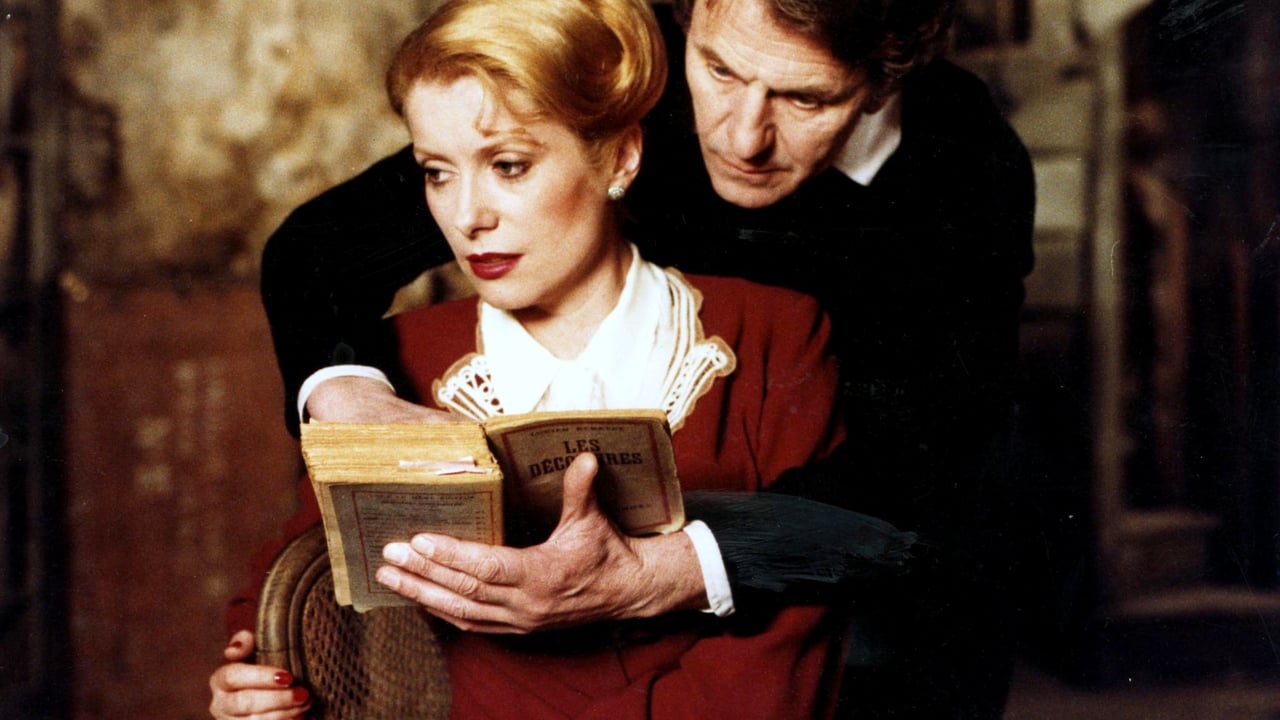
At the heart of it all is the Théâtre Montmartre, run by the luminous Marion Steiner (Catherine Deneuve). Her Jewish husband and the theatre's brilliant director, Lucas Steiner (Heinz Bennent, not Jean Poiret who plays Jean-Loup Cottins), is presumed fled to South America but is, in fact, hiding in the theatre's cellar – a cramped, subterranean existence from which he attempts to direct both his wife and the new production by listening through heating vents. It’s a potent metaphor: the artist, the soul of the theatre, literally driven underground, his voice muffled but persistent. Marion becomes his public face, navigating treacherous waters with occupying forces and collaborators, her poise a fragile shield against constant scrutiny.
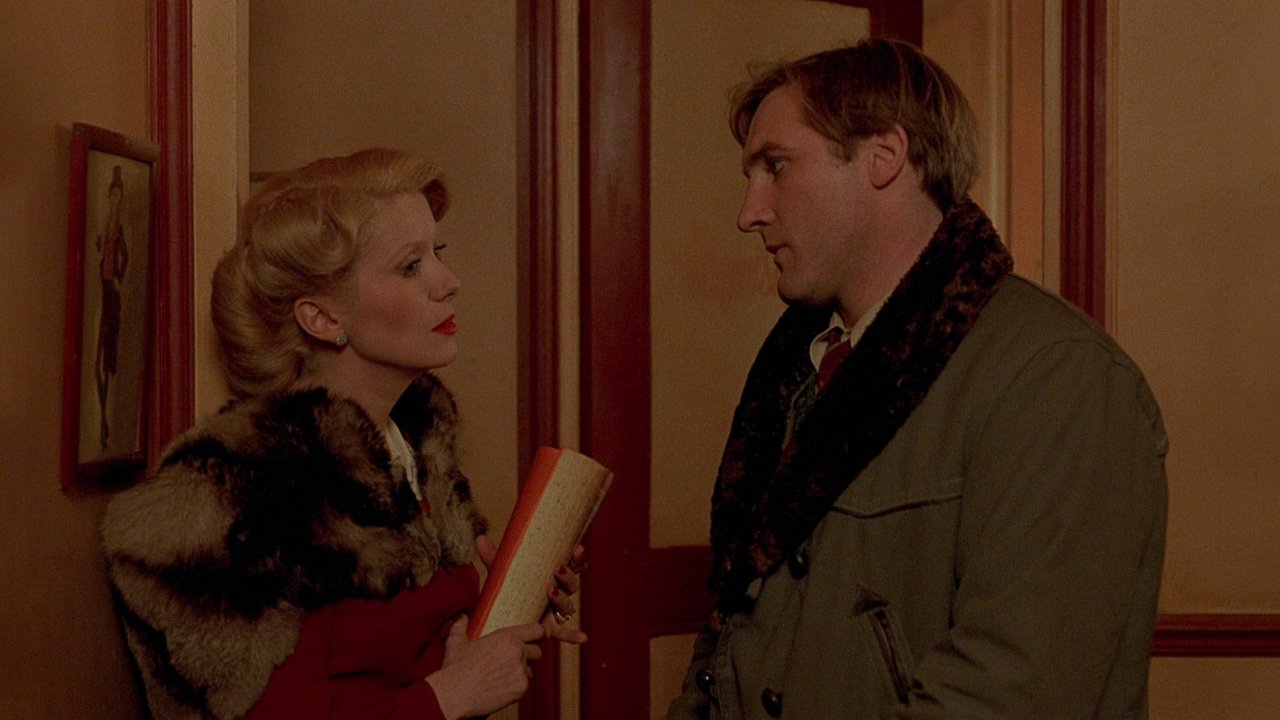
Into this tense ecosystem steps Bernard Granger (Gérard Depardieu), a charismatic new leading man with secrets of his own. The dynamic between Marion and Bernard crackles – an attraction complicated by circumstance, loyalty, and the unspoken dangers swirling around them. Their scenes together, particularly during rehearsals for the Scandinavian play that mirrors their own predicament, are charged with a potent blend of artistic passion and personal longing. We watch them perform love and defiance on stage, while off-stage, their real emotions simmer beneath layers of necessary deception.
A Master's Controlled Hand
This isn't the freewheeling energy often associated with François Truffaut's earlier New Wave work. Instead, The Last Metro showcases a more classical, controlled style, fitting for its subject matter. Truffaut, who also co-wrote the script with Suzanne Schiffman, crafts a world rich in period detail but focused intently on the human drama within the theatre's walls. He masterfully uses the confined space – the stage, the dressing rooms, the hidden cellar – to amplify the sense of claustrophobia and simmering tension. There’s a warmth here, too, particularly in the camaraderie of the theatre troupe, a small pocket of humanity striving for normalcy and beauty in abnormal times. Truffaut himself, in his familiar narrative voiceover, guides us through this world, adding a layer of intimacy and reflection. He reportedly saw the film as a companion piece to his love letter to filmmaking, Day for Night (1973), this time exploring the resilience of theatre under duress, drawing partly from his own childhood memories of the Occupation.
Performances Under Pressure
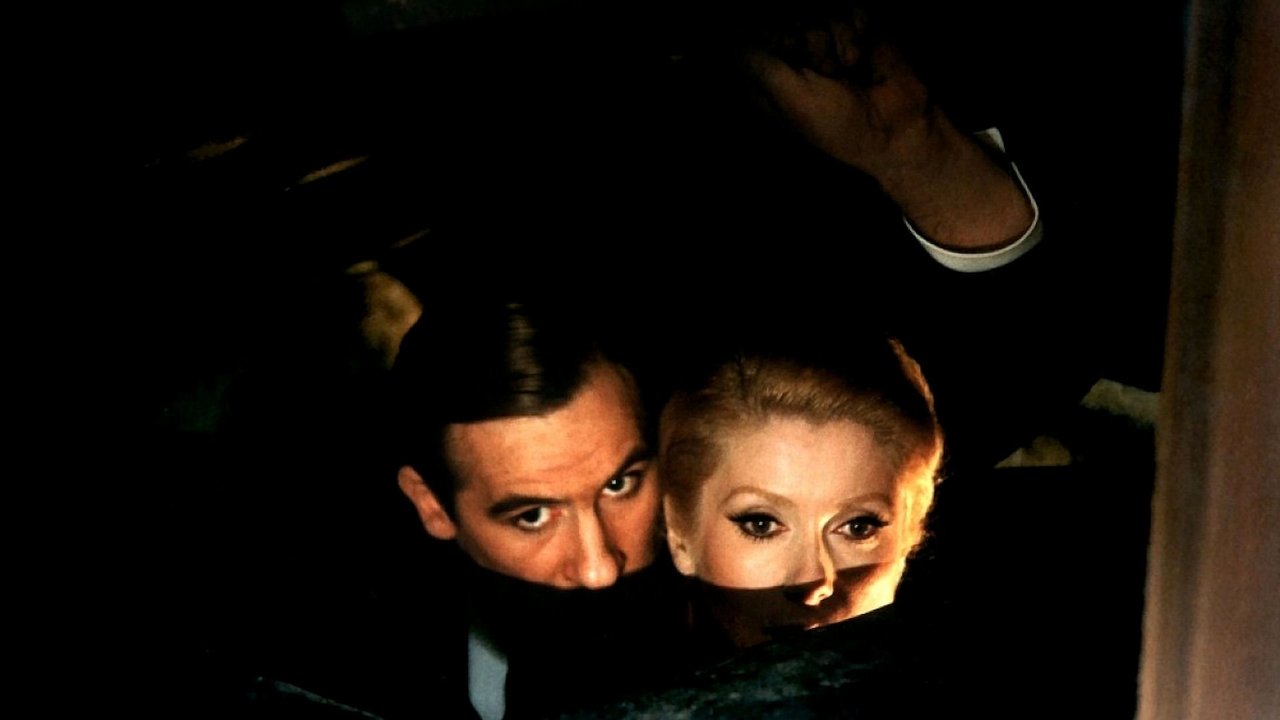
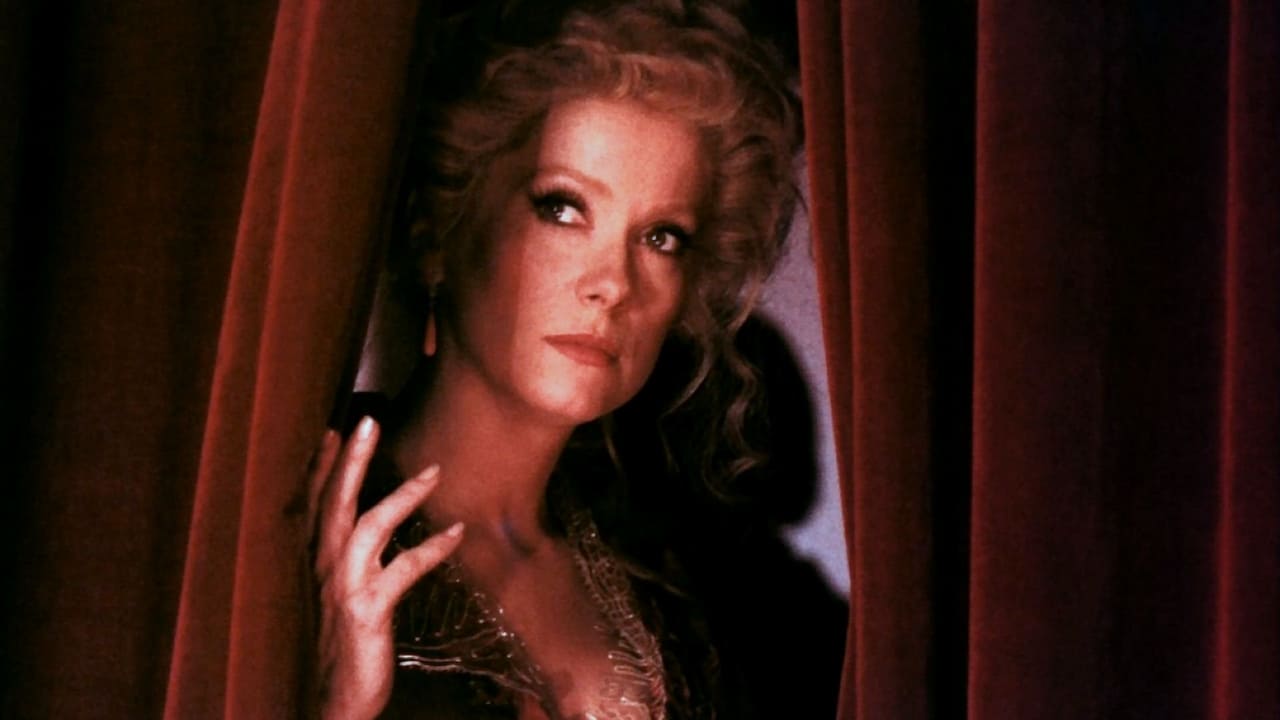
The performances are uniformly superb. Catherine Deneuve, already a screen icon, embodies Marion's strength and vulnerability perfectly. Her elegance is never just surface; it’s a survival mechanism, a way of maintaining control when everything threatens to collapse. You see the weight of her secrets in her eyes, the calculated risk in every interaction with the German authorities or the poisonous critic Daxiat (Jean-Louis Richard). Gérard Depardieu, radiating earthy charm and restless energy, captures Bernard's duality – the passionate actor and the clandestine Resistance fighter. His chemistry with Deneuve is undeniable, making their unspoken connection utterly believable. And Heinz Bennent delivers a deeply moving performance as Lucas, the trapped artist fiercely clinging to his craft, his frustration and fear palpable even from the confines of the cellar.
Retro Fun Facts: A Parisian Triumph
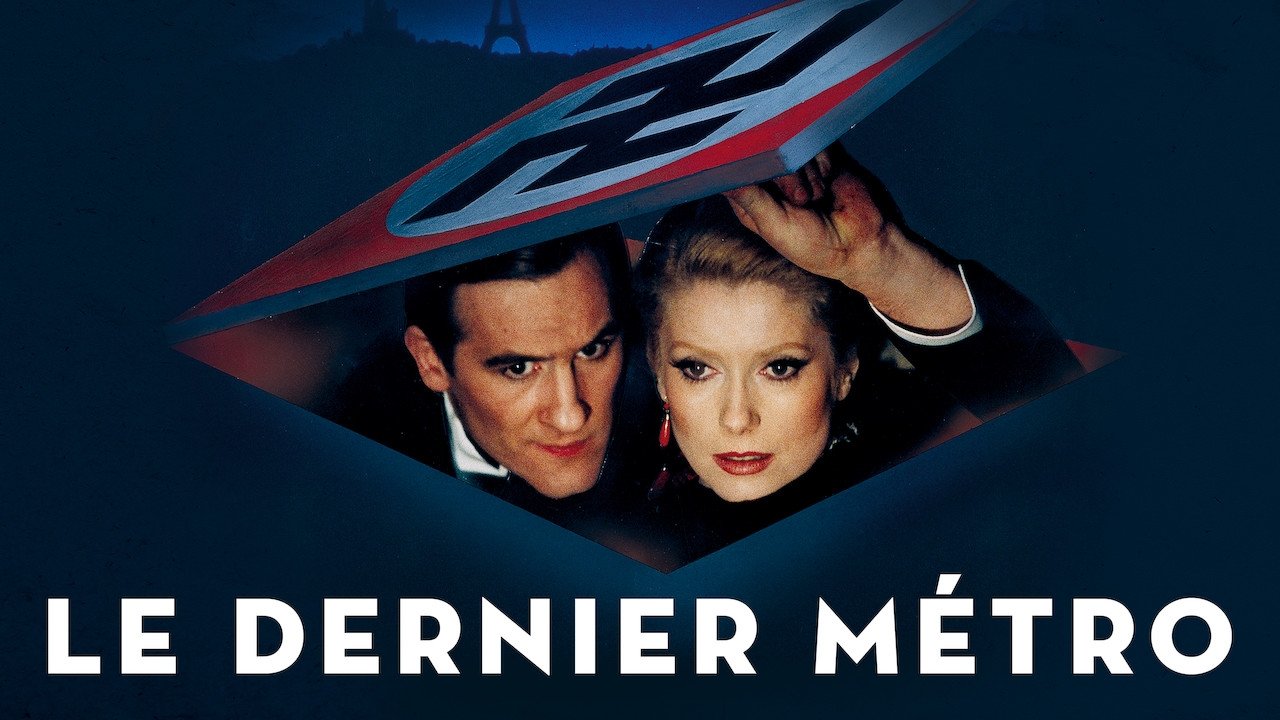
It's fascinating to look back now, perhaps pulling that distinctively designed foreign film VHS off the shelf, and realize what a monumental undertaking The Last Metro was. With a budget equivalent to around $3.7 million US dollars, it was Truffaut's most expensive film and a massive gamble in the French film industry of the time. The risk paid off spectacularly. The film was a colossal critical and commercial success in France, sweeping the César Awards (the French Oscars) with a record-breaking ten wins, including Best Film, Best Director, Best Actor for Depardieu, and Best Actress for Deneuve. Its domestic gross exceeded $10 million, proving audiences were hungry for this blend of historical drama and intimate storytelling. Truffaut meticulously recreated occupied Paris almost entirely within studio walls (Studios de Boulogne, with some exteriors shot on quiet streets like rue Berton), enhancing the feeling of a world turned inwards. The title itself, Le Dernier Métro, wasn't just evocative; it was a daily reality for Parisians under the 11 PM curfew, a constant reminder of their restricted lives.
Art as the Last Refuge?
The Last Metro doesn't offer easy answers about collaboration, resistance, or the compromises made during wartime. It presents a complex tapestry of human behavior under extreme pressure. What lingers most powerfully is the film's profound belief in the necessity of art, even – perhaps especially – in the darkest of times. The theatre becomes more than just entertainment; it's a space for coded messages, for maintaining identity, for asserting humanity against an ideology seeking to crush it. Does continuing to perform under the noses of the occupiers constitute a form of resistance, or merely a coping mechanism? Truffaut leaves us to ponder the intricate lines people walk between survival and integrity.
Rating: 9/10
This score reflects the film's masterful direction, the superb, nuanced performances from Deneuve and Depardieu, its powerful evocation of atmosphere, and its thoughtful exploration of complex themes. It avoids sentimentality while remaining deeply moving, crafting a compelling drama that feels both historically specific and universally resonant. The meticulous craft and emotional depth fully justify this high rating. It’s a standout piece of 80s world cinema that might have been a surprising find in a video store dominated by action flicks, but one that offered rich rewards.
The Last Metro reminds us that even when the world outside is descending into chaos, the stories we tell ourselves, the performances we give – both on stage and in life – can be vital acts of defiance and enduring statements of the human spirit. It’s a film that stays with you, much like the echo of footsteps hurrying towards that final train.