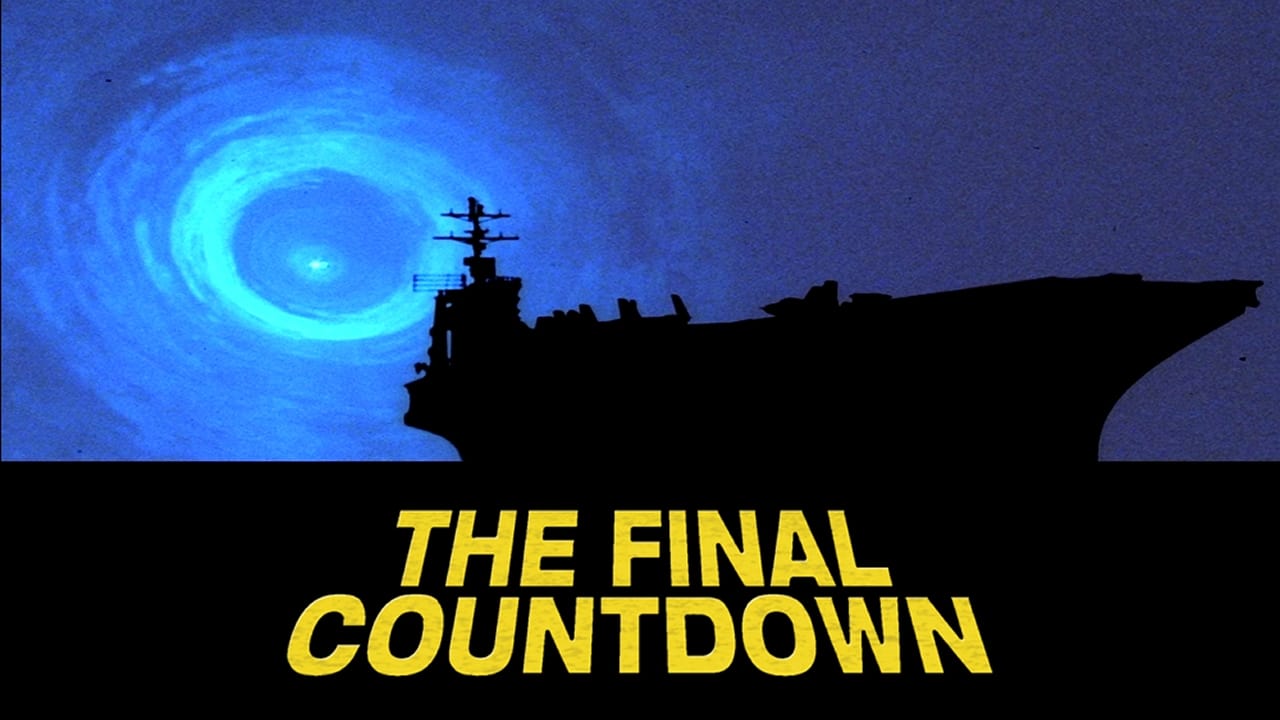
Imagine the impossible: the sleek, grey silhouette of a modern nuclear aircraft carrier slicing through the Pacific waves, only to find itself sailing directly into history – December 6th, 1941. That’s the jaw-dropping premise that anchors The Final Countdown, a film that arrived in 1980 like a bolt from the blue, fusing Cold War military might with a high-concept science-fiction scenario that probably had model kit enthusiasts and history buffs buzzing for weeks after their first rental. It wasn't just a movie; it felt like privileged access to a fantastical "what if?" documentary beamed directly onto our CRT screens.
### Anchors Aweigh Through Time
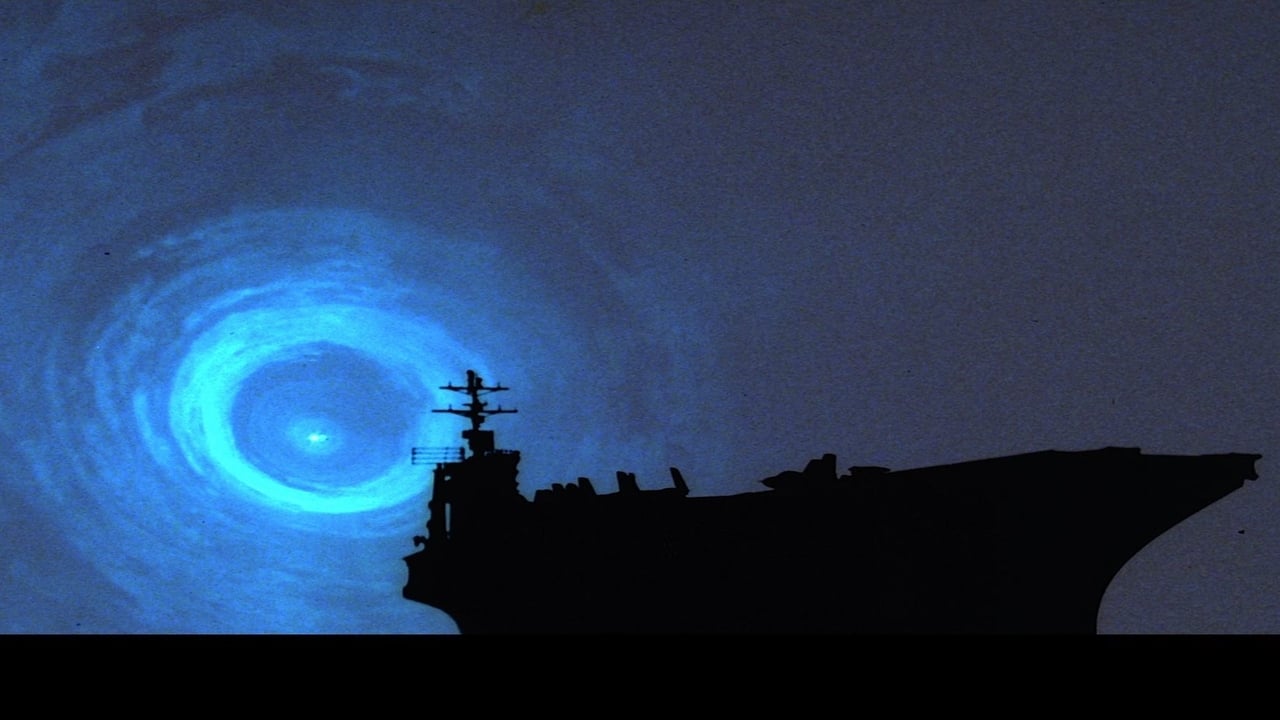
The setup is pure popcorn brilliance. The state-of-the-art USS Nimitz (CVN-68), pride of the US Navy, encounters a bizarre, electrically charged vortex at sea. Emerging on the other side, Captain Matthew Yelland (Kirk Douglas, radiating pure command presence) and his crew, along with civilian observer Warren Lasky (Martin Sheen, fresh off the intense Apocalypse Now (1979) and serving perfectly as our bewildered eyes and ears), slowly piece together the terrifying truth. Radio signals are archaic, reconnaissance planes spot vintage aircraft, and Pearl Harbor is just over the horizon, blissfully unaware of its imminent fate. Directed by Don Taylor, who had previously helmed adventures like Escape from the Planet of the Apes (1971), the film builds its central mystery with commendable patience, letting the sheer absurdity and gravity of the situation sink in for both the characters and the audience.
### Hollywood Meets the Navy: An Unprecedented Spectacle
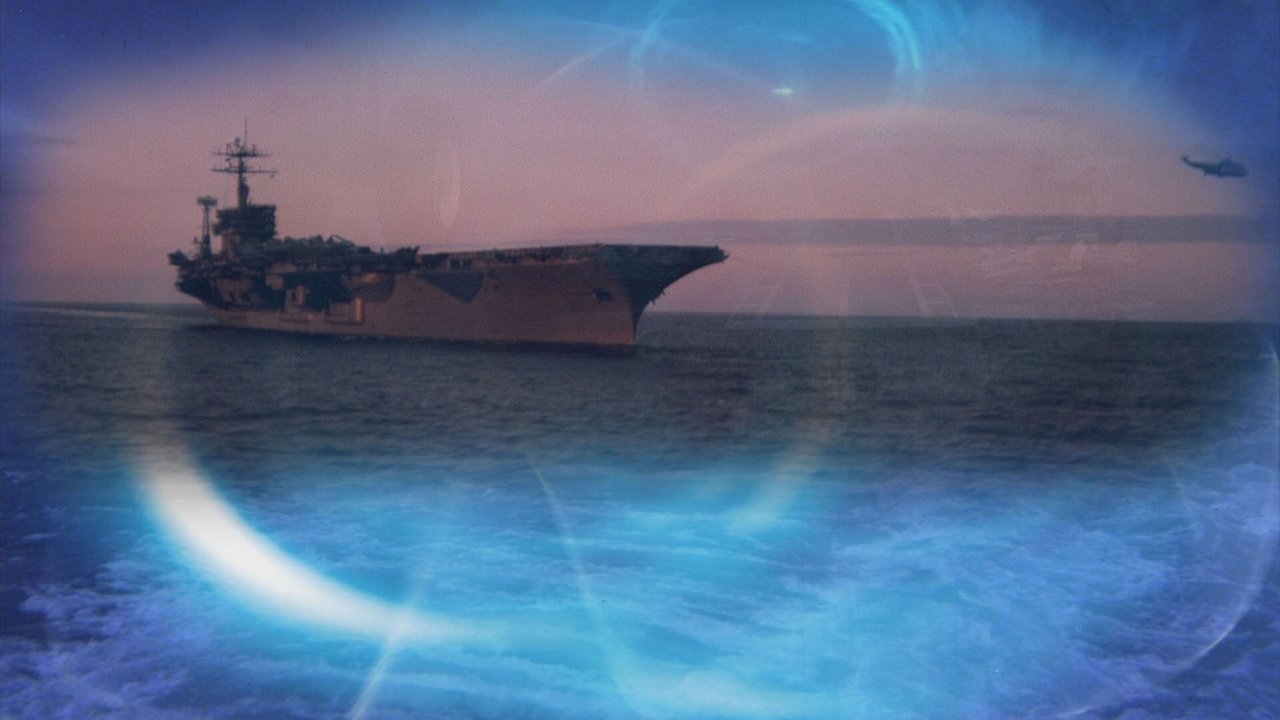
What truly sets The Final Countdown apart, especially watching it today through nostalgic eyes, is its astonishing authenticity. Forget CGI fleets; this movie was filmed extensively aboard the actual USS Nimitz during a real deployment in the Atlantic and the Caribbean. The level of access granted by the US Navy was, and remains, almost unbelievable. This wasn't just stock footage; actors performed scenes amidst the thunderous roar of actual flight operations. Those F-14 Tomcats launching and landing? Those are real pilots, real planes, real carrier decks. It lends the film an incredible sense of scale and realism that simply couldn't be faked in 1980 on its estimated $12 million budget (around $44 million today). You can almost smell the jet fuel. Apparently, the Navy saw it as a fantastic recruitment opportunity, and honestly, watching those sleek F-14s scramble, who wouldn't be tempted? It’s a stunning showcase of military hardware treated with almost documentary-like reverence. The aerial sequences, particularly the F-14s intercepting the Japanese Zeros, remain thrilling examples of practical filmmaking prowess – real aircraft, expertly choreographed.
### Legends On Deck
Leading the charge is the legendary Kirk Douglas as Captain Yelland. He embodies the tough, pragmatic leader wrestling with an unprecedented crisis. His quiet authority anchors the film, making the fantastical situation feel grounded. Opposite him, Martin Sheen provides the necessary human element, the outsider grappling with the implications. The dynamic between them, the seasoned military man and the civilian analyst, drives much of the film's tension. We also have James Farentino delivering a memorable performance as Commander Richard Owens, the Carrier Air Wing chief who also happens to be an expert on the Pearl Harbor attack (later revealed to be the mysterious, history-altering Mr. Tideman). And let's not forget Katharine Ross (The Graduate (1967), Butch Cassidy and the Sundance Kid (1969)) as Laurel Scott, adding another layer to the historical entanglement.
### The Pearl Harbor Paradox
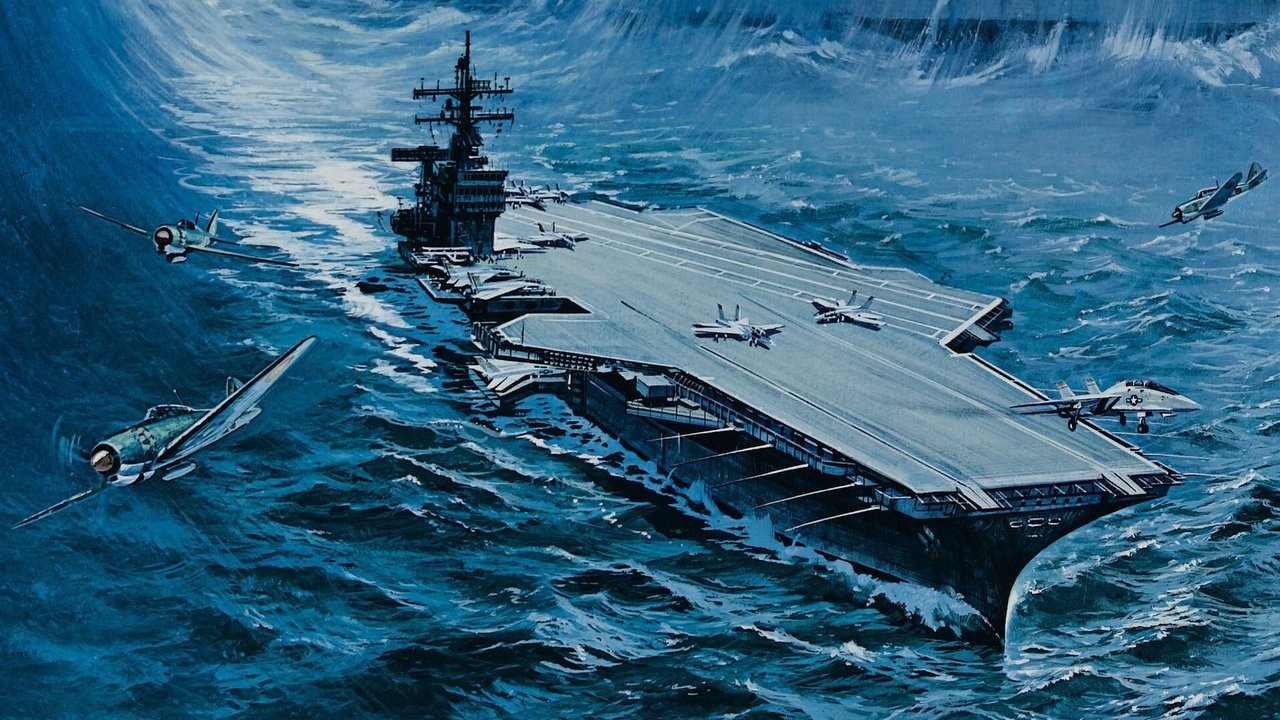
Beyond the spectacle, The Final Countdown poses a genuinely fascinating ethical dilemma: if you had the power to change one of history's greatest tragedies, should you? Could you? The film cleverly uses the discovery of Senator Samuel Chapman (played by Charles Durning), who historically died during the attack, aboard a yacht about to be strafed by Japanese Zeros, to force the Nimitz crew's hand. The tension builds beautifully as Yelland weighs the potential consequences of unleashing modern weaponry on a 1941 enemy force. (Minor Spoiler Alert!) The film ultimately sidesteps providing a definitive answer, using the return of the time storm as a convenient, if slightly frustrating, deus ex machina. Some might find this ending a cop-out, but it arguably preserves the integrity of the historical timeline while leaving the audience pondering the "what ifs". The filmmakers reportedly considered several endings, including one where the Nimitz did intervene, but decided the temporal loop provided a more intriguing and less controversial conclusion.
### Lasting Echoes on the VHS Shelf
While The Final Countdown wasn't a massive blockbuster (grossing a respectable $16.6 million domestically), it carved out a unique niche. It's a film many remember fondly from late-night TV broadcasts or that oversized rental tape sitting proudly on the shelf. It blended genres – sci-fi, military action, historical drama – in a way few films did at the time. Its premise was so strong, and the execution so visually impressive thanks to the Navy's cooperation, that it remains a compelling watch. Sure, the pacing might feel a bit leisurely by today's standards, and the resolution might irk some, but the sheer audacity of the concept and the thrill of seeing those real jets in action are undeniable. It captures a certain early 80s earnestness, treating its fantastic plot with utmost seriousness, which is part of its enduring charm.
VHS Heaven Rating: 8/10
The score reflects the film's killer high-concept premise, the genuinely impressive practical effects and unprecedented military access, and solid performances led by Kirk Douglas. It delivers thrilling action and a thought-provoking scenario. It loses a couple of points for a somewhat convenient ending and occasionally slower pacing, but the sheer spectacle and unique blend of genres make it a standout piece of early 80s filmmaking.
The Final Countdown remains a fantastic voyage back in time, both literally for its characters and nostalgically for us viewers. It’s a reminder of an era when big ideas and real hardware could create pure movie magic, a true gem gleaming on the shores of VHS history.