There's a certain quiet hum to some VHS discoveries, isn't there? Not the explosive fanfare of a blockbuster tape demanding your Friday night, but the more subdued pull of a title like Attack Force Z. Released in 1982, it arrived on rental shelves carrying the promise of wartime action, yet watching it now evokes something else – a sense of discovering unearthed potential, like finding early photographs of people who would later become household names. It’s a film less about the noise of battle and more about the tense stillness in between.
Mission Briefing
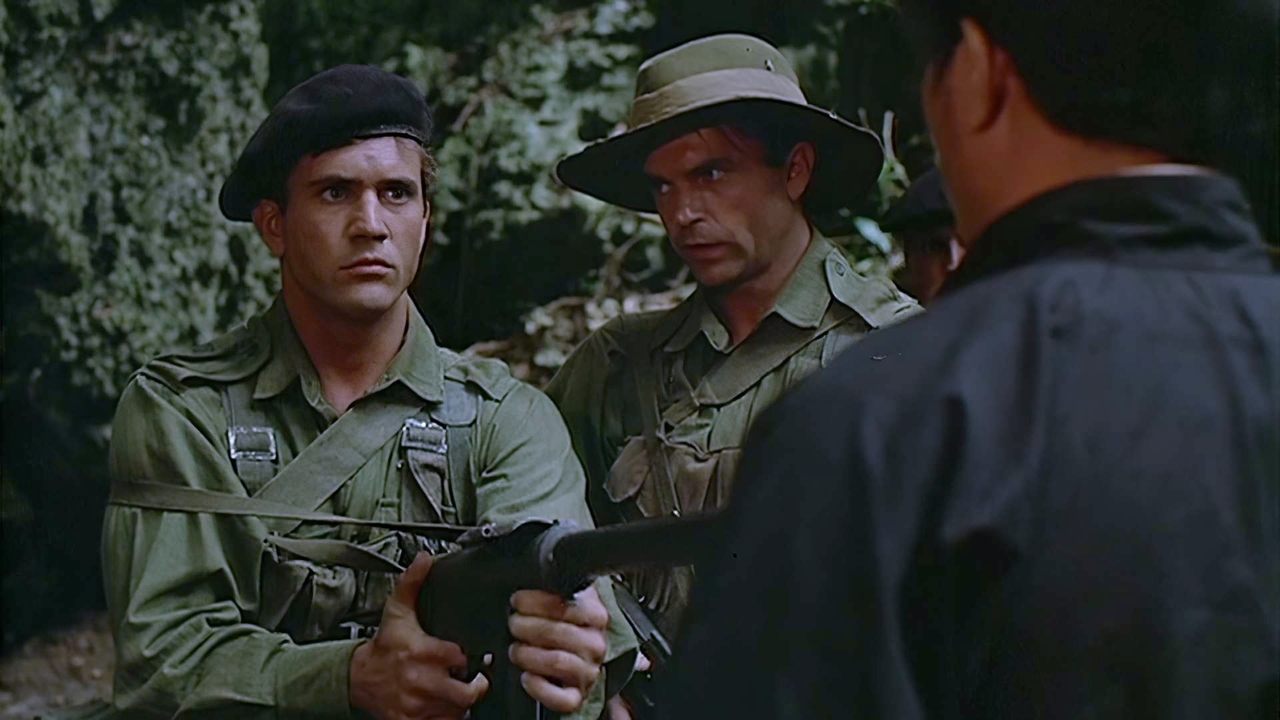
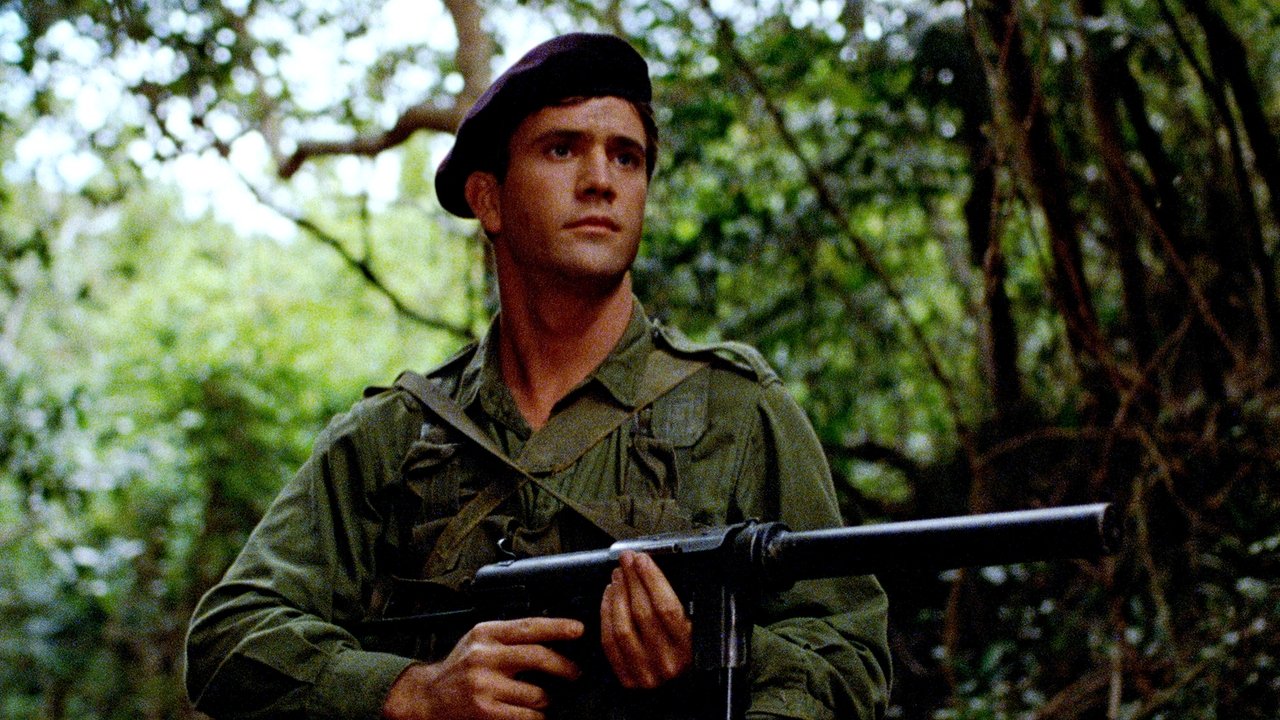
The setup is classic WWII commando fare: a crack team of Australian special forces, led by the stoic Captain P.G. Kelly (John Phillip Law, perhaps best known soaring through psychedelic skies in Barbarella (1968)), is parachuted onto a remote island near Japanese-occupied China. Their objective: locate and rescue the survivors of a downed plane carrying a high-value Japanese defector. Among Kelly's unit are two faces that practically leap off the screen for any retro film fan – a very young, pre-Mad Max rugged Mel Gibson as Lance Corporal P.J. Veitch, and an equally youthful Sam Neill as Sergeant D.J. Costello. Watching them here, before the mega-stardom, is one of the film's primary, almost archaeological, pleasures.
Boots on the Ground
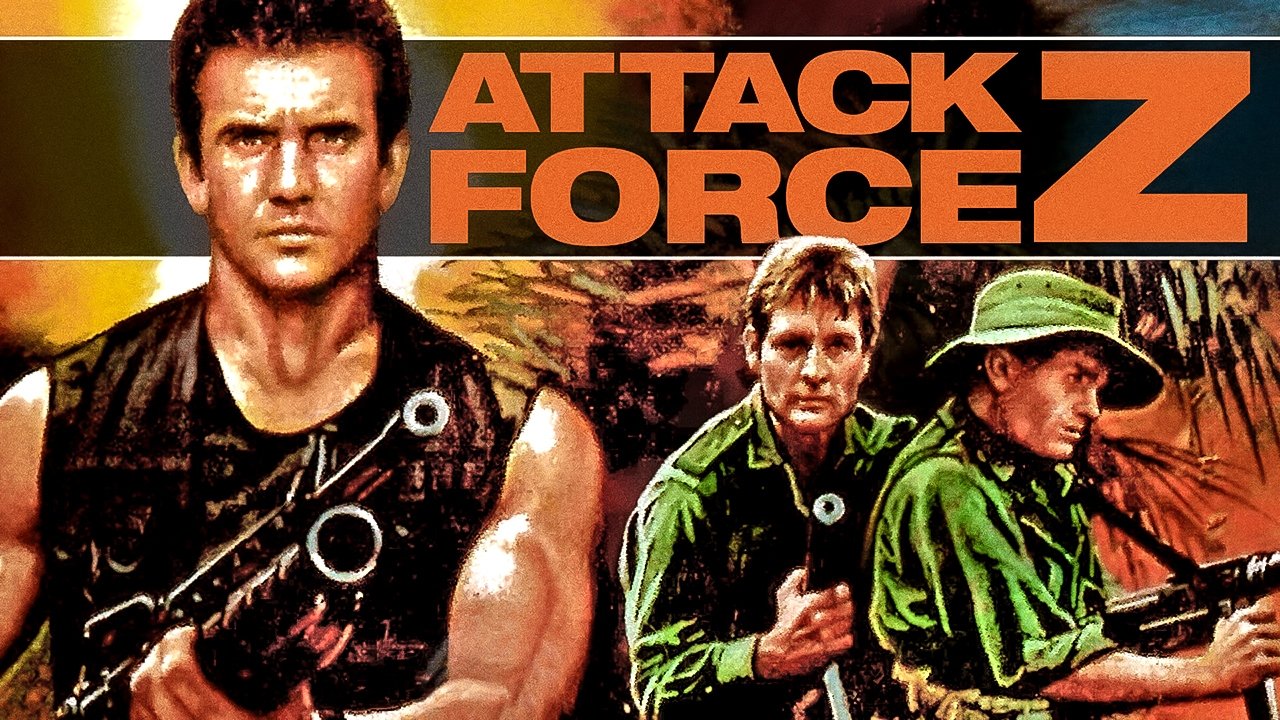
What distinguishes Attack Force Z from many of its gung-ho contemporaries is its deliberate pacing and focus on the procedural aspects of the mission. Director Tim Burstall, more renowned for character-driven Australian dramas, brings a certain grounded sensibility. The film spends considerable time depicting the careful navigation through dense jungle terrain (filmed effectively on location in Taiwan), the cautious interactions with local resistance fighters led by the compelling Lin (Sylvia Chang), and the constant, simmering tension of operating deep within enemy territory. It's less about relentless firefights and more about the strain, the waiting, the calculating of risks.
This measured approach allows the burgeoning talents of Gibson and Neill to register. Gibson, even then, possessed that live-wire intensity, a coiled energy barely contained beneath the surface. You see flashes of the charisma that would later define his action hero roles. Neill, conversely, projects a calmer, more thoughtful presence, the steady hand balancing Gibson's impulsiveness. Their dynamic, alongside Law's capable but perhaps less magnetic leadership, forms the core of the film's appeal. The dialogue isn't exactly Mamet, but the actors convey the unspoken camaraderie and friction of soldiers under immense pressure.
Retro Fun Facts: Behind the Lines
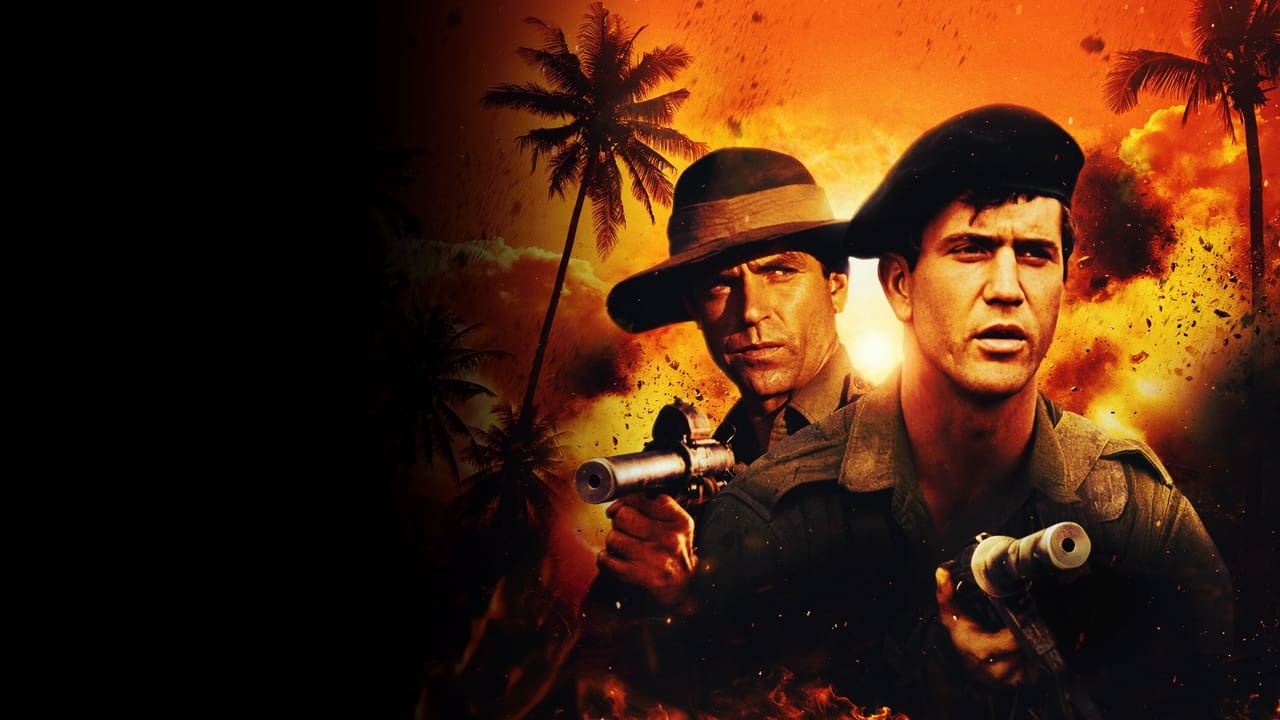
Interestingly, Attack Force Z had a somewhat difficult birth. Though filmed back in 1979 for a reported budget of around $1.6 million Australian dollars (roughly equivalent to $7-8 million AUD today, still modest), its release was held back until 1982. By then, Gibson was on the cusp of international fame thanks to Mad Max (1979) and Gallipoli (1981). Rumour has it that Gibson himself wasn't particularly fond of the finished film and even tried to prevent its wider release after his star had risen significantly – a fascinating footnote highlighting the sometimes rocky path from early roles to established careers. This delay, combined with Burstall's less action-oriented background, might explain the film's slightly uneven tone, caught somewhere between gritty realism and standard war adventure tropes. The limited budget also likely contributed to the emphasis on atmosphere and character over grand-scale pyrotechnics, a constraint that arguably works in its favour today, giving it a more intimate feel.
Beyond the Battlefield
The film subtly touches upon the complexities of war beyond simple heroics. The reliance on, and sometimes fraught relationship with, the local resistance fighters adds a layer of cultural and moral ambiguity. Decisions have consequences, alliances are fragile, and the 'good guys' aren't always presented as infallible. It doesn’t delve deeply into profound philosophical questions, but there’s an undercurrent of weariness and the human cost of conflict that resonates more than straightforward jingoism might. Doesn't the fog of war often obscure more than just the enemy?
Verdict: A Solid Rental Recon
Attack Force Z isn't a lost masterpiece, nor is it the non-stop action extravaganza its title might suggest. It’s a competently made, atmospheric WWII procedural elevated significantly by the presence of its future stars. The pacing can feel slow for those expecting Rambo-esque thrills, and the action sequences, while functional, are products of their time and budget. However, its focus on tension, the solid performances (especially from the young Gibson and Neill), and its grounded approach give it a distinct character. For fans digging through the VHS crates of 80s war movies, it offers a rewarding glimpse into the early careers of major talents and a more thoughtful take on the genre than many of its peers.
Rating: 6/10
The score reflects a film that's more interesting historically and atmospherically than it is dynamically thrilling. The early performances of Gibson and Neill are the main draw, alongside a grounded, tense approach to its WWII commando story. While its pacing might test some viewers and the action feels dated, it avoids outright cheese and offers a worthwhile watch for enthusiasts of the era and its stars.
It lingers not as an explosion, but as a humid, tense whisper from the past – a reminder that sometimes the most compelling drama happens in the quiet moments before the storm.