There's a certain kind of quiet intensity that defines some films, a weight that settles on you from the opening frames and doesn't quite lift even after the credits roll. Jim Sheridan's 1997 drama, The Boxer, carries that weight. Watching it again recently, decades after first seeing it likely on a worn rental tape, that feeling returned – the chill of a Belfast steeped in tension, the flicker of desperate hope in a man trying to outrun his past. It's a film that doesn't shout; it simmers.
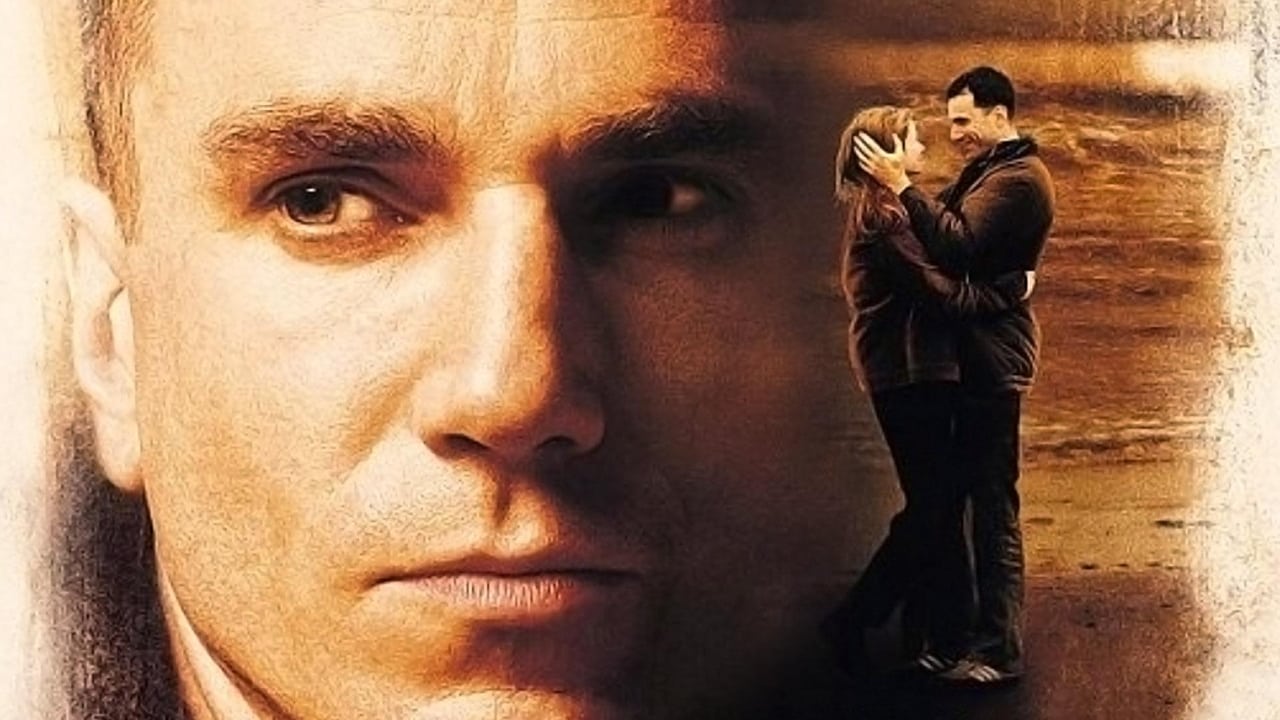
A Ghost Returns to a Haunted City
The premise is deceptively simple: Danny Flynn (Daniel Day-Lewis) returns to his old Belfast neighbourhood after 14 years in prison for IRA involvement. He wants nothing more than to go straight, reopen the local boxing club as a neutral space for Catholics and Protestants, and perhaps reconnect with his former love, Maggie (Emily Watson). But in the thick atmosphere of The Troubles, nothing is simple. Every move is watched, every intention questioned. His very presence disrupts the fragile, violent ecosystem maintained by figures like Maggie's father, Joe Hamill (Brian Cox), a weary IRA commander caught between hardliners and the whispers of peace.
This wasn't Jim Sheridan and Daniel Day-Lewis's first exploration of The Troubles, having already delivered the raw power of In the Name of the Father (1993) just a few years earlier, following their Oscar success with My Left Foot (1989). The Boxer, however, feels different. Less overtly political polemic, more intimate character study set against that same inescapable backdrop. Sheridan captures the claustrophobia brilliantly – the narrow streets, the watchful eyes behind curtains, the sudden explosions of violence that punctuate the uneasy calm. Much of the filming actually took place in Dublin's Sheriff Street area, meticulously dressed to replicate the specific textures and tensions of 90s Belfast, a necessity given the sensitivities of filming such a story on location at the time.

The Stillness of Daniel Day-Lewis
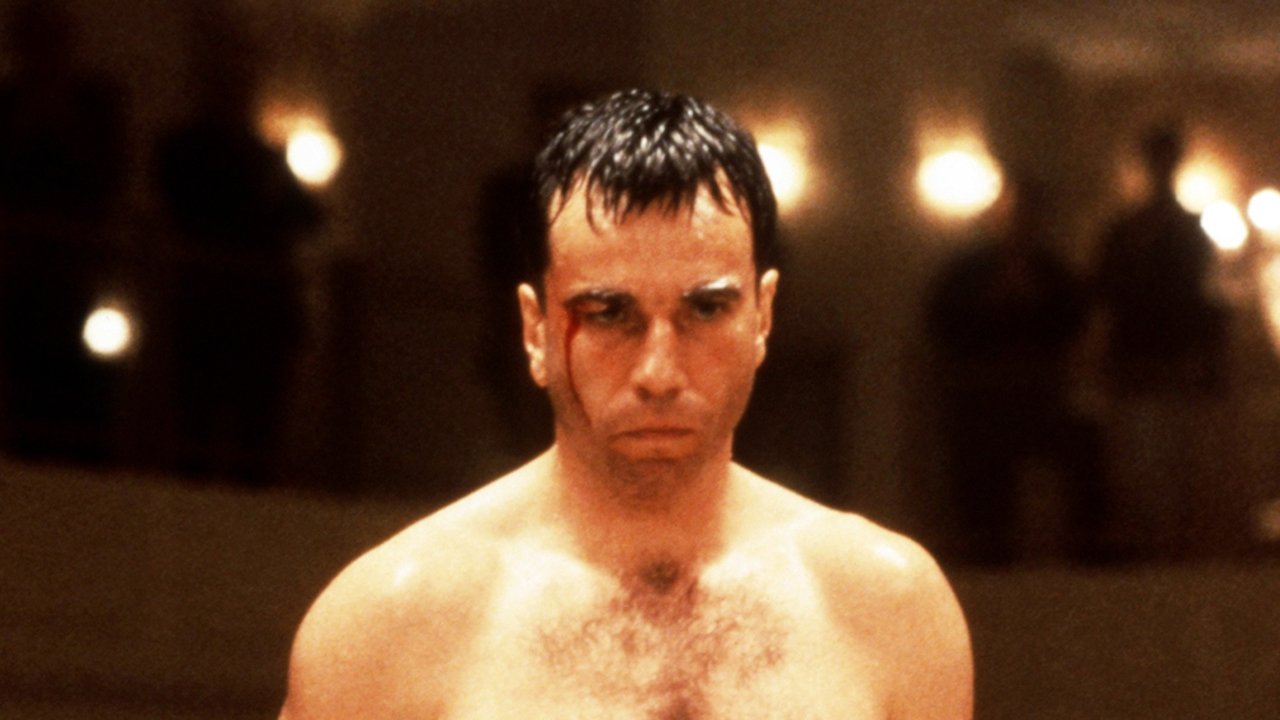
At the heart of it all is Daniel Day-Lewis. We know about his legendary commitment, and The Boxer is no exception. He reportedly trained for 18 months with former world featherweight champion Barry McGuigan, achieving a startling physical verisimilitude. But it's what's behind the eyes that truly anchors the film. Day-Lewis imbues Danny with a profound stillness, a containment born of long incarceration and a steely resolve to not be dragged back into the cycle of violence. There's anger there, yes, but it's banked, controlled. You see the effort it takes him simply to exist peacefully in a world that wants to define him by his past. It's a performance of quiet devastation and fragile hope, conveyed often through silence and subtle shifts in expression rather than grand pronouncements. Is there any actor who better embodies the sheer weight of internal struggle?
Caught in the Crossfire

Surrounding Day-Lewis are equally compelling performances. Emily Watson, who had burst onto the scene with Breaking the Waves (1996), is heartbreaking as Maggie. She’s trapped – by her marriage to Danny's imprisoned former best friend, by her loyalty to her father and community, and by the undeniable pull towards Danny and the possibility of a different life. Watson conveys Maggie’s conflict, her fear, and her quiet strength with aching vulnerability. And Brian Cox delivers a masterclass in weary authority as Joe Hamill. He’s not a simplistic villain, but a man burdened by the compromises and consequences of a lifetime dedicated to "the cause," now finding himself increasingly at odds with the more ruthless elements, embodied by Gerard McSorley's volatile Harry.
More Than Just a Boxing Movie
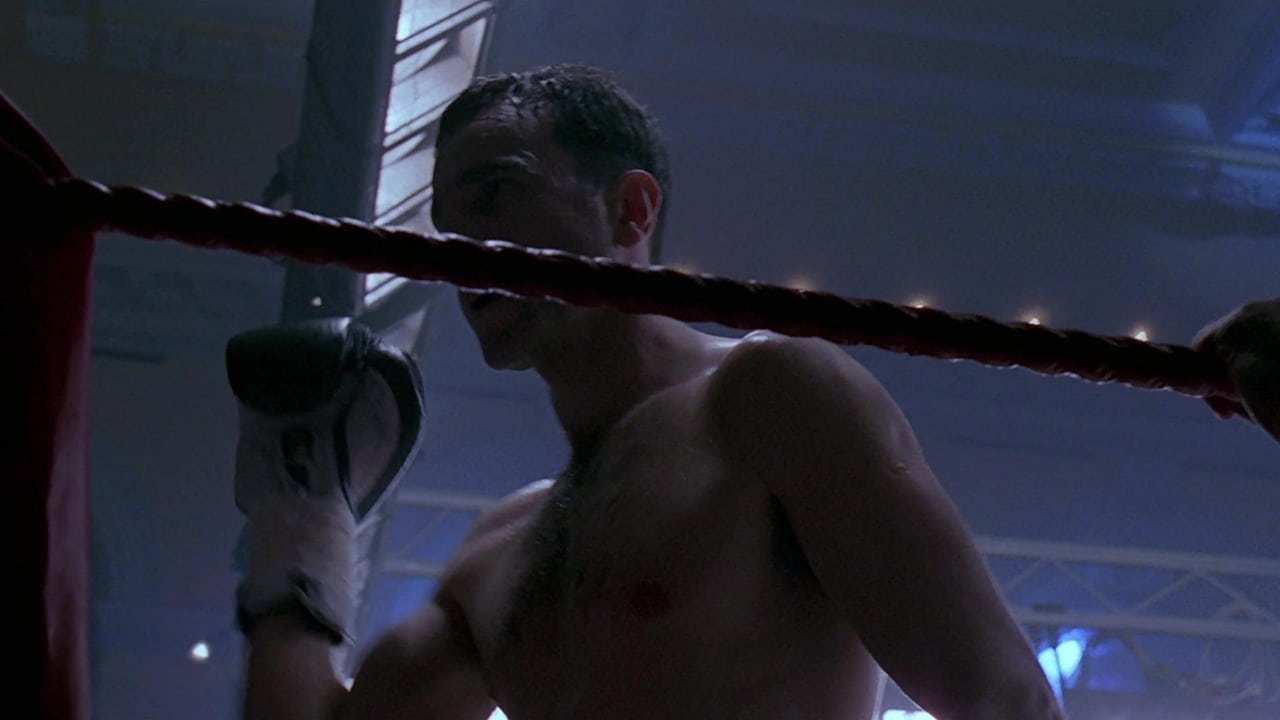
While the boxing scenes are well-staged and visceral, the sport serves primarily as a potent metaphor. The ring is the one place where Danny can exert control, where the rules are clear, even if the fight itself is brutal. His attempt to create an integrated boxing club, the 'Holy Family', becomes a microcosm of the larger, fraught peace process bubbling just beneath the surface of Northern Irish society at the time. The film doesn't shy away from the brutality – the beatings, the bombings, the constant threat – but it places its focus squarely on the human cost, the way political conflict seeps into every personal relationship, poisoning trust and limiting choices.
Interestingly, the film's release coincided with a critical juncture in the Northern Ireland peace process, leading up to the Good Friday Agreement in 1998. While respected by critics for its performances and atmosphere, The Boxer didn't quite achieve the box office impact of Sheridan and Day-Lewis's previous collaborations (earning around $16 million worldwide against a reported budget sometimes cited as high as $25 million). Perhaps its downbeat tone and complex portrayal of a conflict many audiences found bewildering made it a tougher sell. Reportedly, a bleaker alternate ending was even filmed, suggesting Sheridan wrestled with how much hope to ultimately offer. The version we have finds a fragile, uncertain glimmer, which feels right.
Rating: 8/10
This score reflects the film's powerful performances, particularly from Day-Lewis, Watson, and Cox, its thick, authentic atmosphere, and its thoughtful exploration of complex themes. It avoids easy answers and melodrama, immersing the viewer in the suffocating reality of its characters' lives. It loses a couple of points perhaps for a pace that can feel relentlessly grim and a central romance that, while well-acted, occasionally feels secondary to the crushing weight of the political situation. It’s a demanding film, requiring patience and empathy, but the rewards are significant.
The Boxer might not be the first Jim Sheridan/Daniel Day-Lewis collaboration that springs to mind, often overshadowed by its more lauded predecessors. But revisiting it reminds you of its quiet power, its nuanced portrayal of individuals striving for normalcy against the tide of history. It’s a film that lingers, asking unsettling questions about how – or even if – reconciliation is possible when the ghosts of the past refuse to stay buried.