Some VHS boxes whispered promises of terror they couldn't quite keep, their lurid covers hinting at horrors glimpsed only in fever dreams. Then there were tapes like Bloody Moon (1981). No slick promises here, just a grim title and artwork that felt... unpleasant. Forbidden, almost. Picking this one off the dusty rental shelf felt like an act of minor transgression, a portal into the grimy, less-celebrated corners of the burgeoning slasher craze, far from the summer camps of Crystal Lake.
Spanish Nights, German Engineering
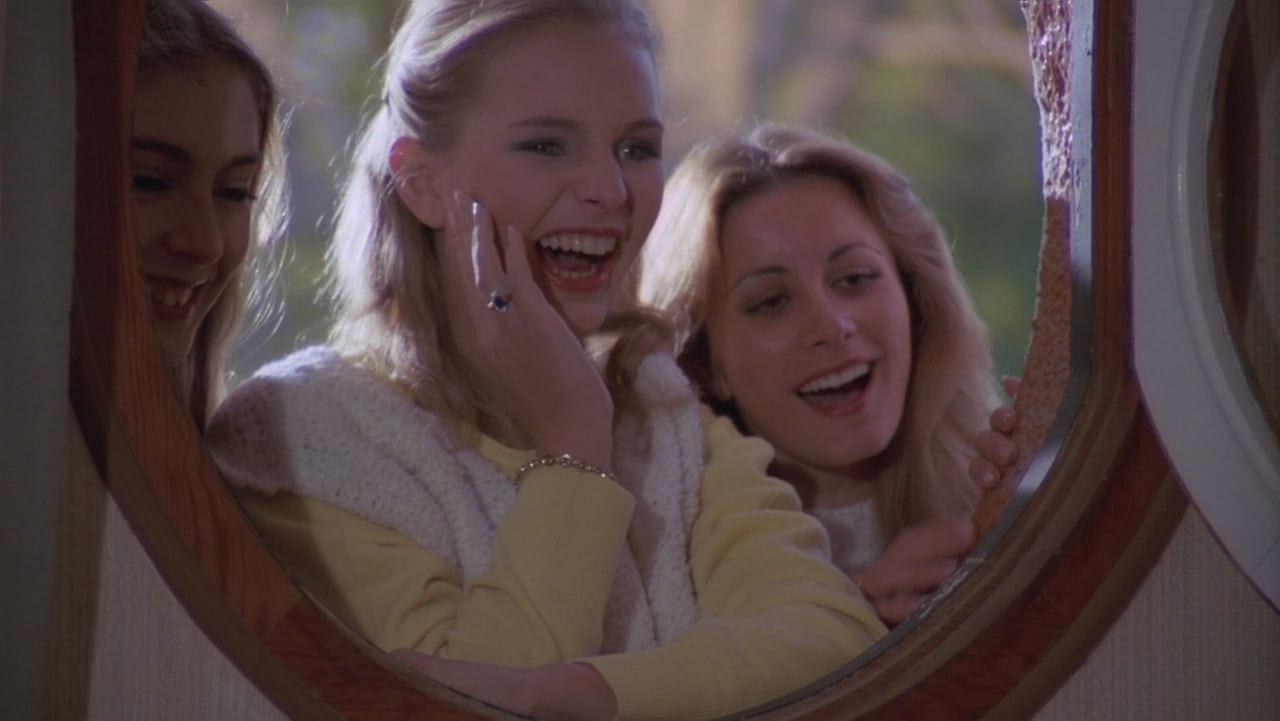
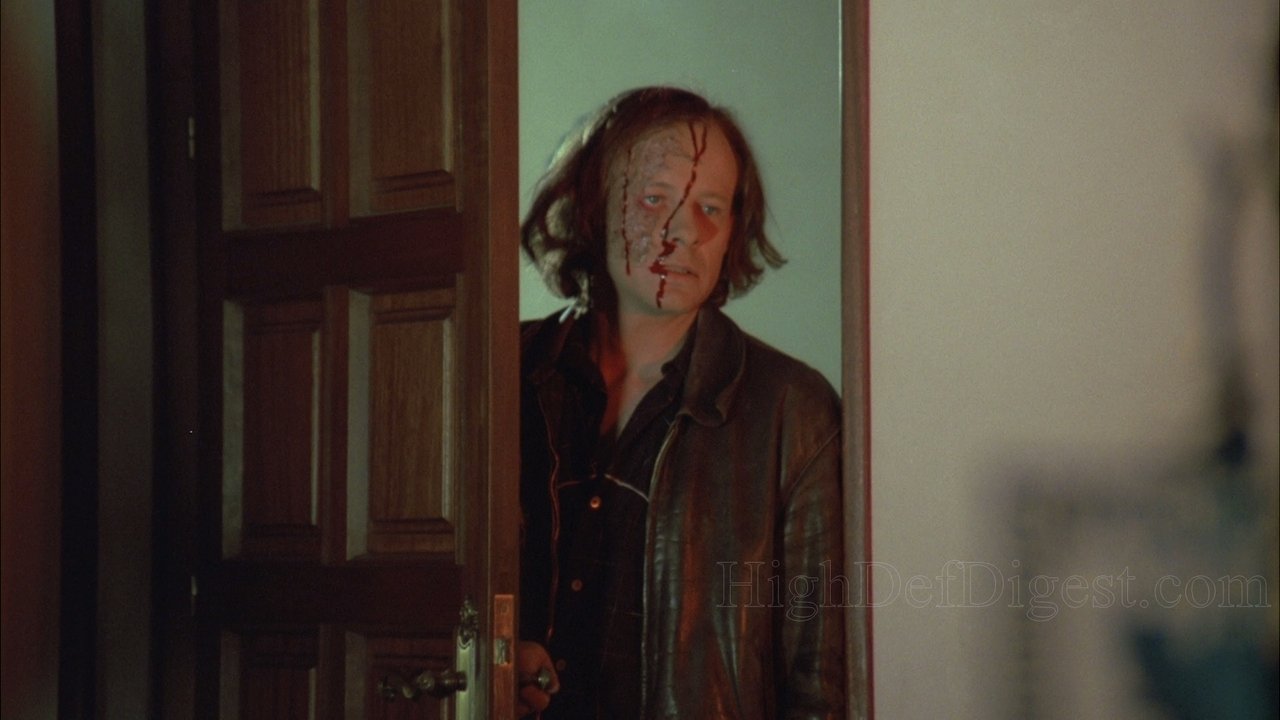
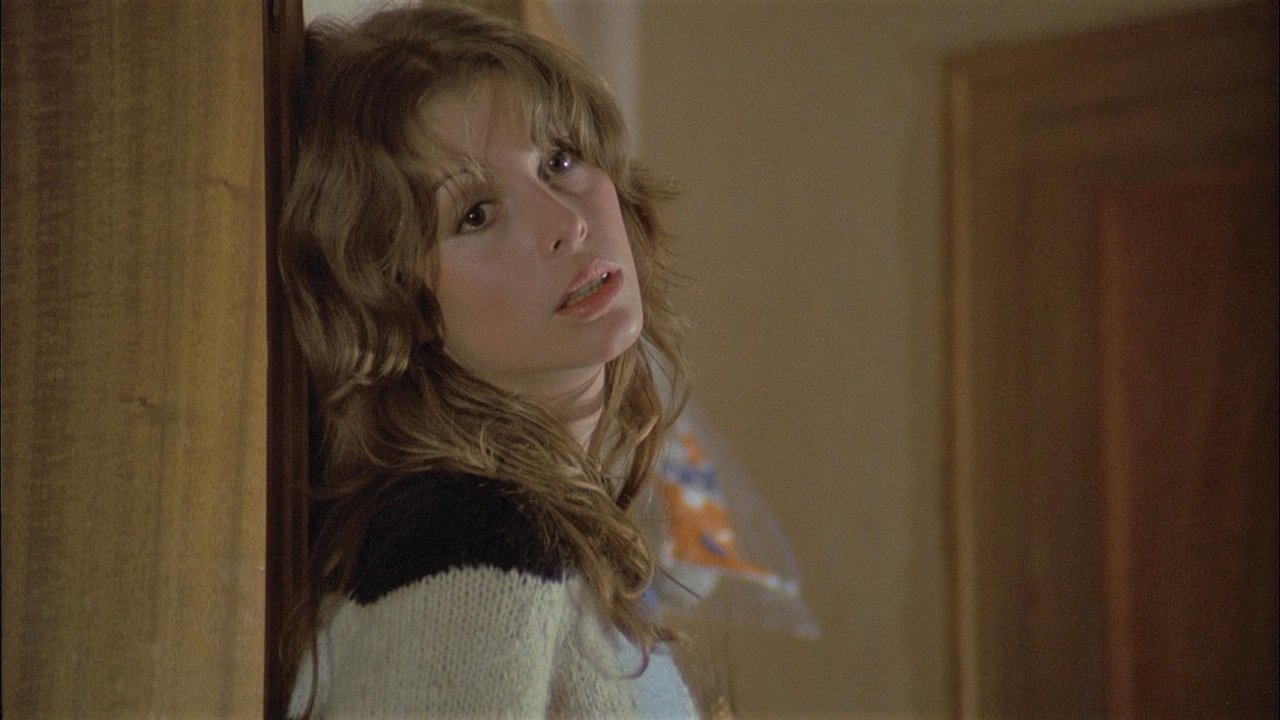
Despite the vaguely lycanthropic title (spoiler: there are no werewolves), Bloody Moon serves up a different kind of savagery. We're dropped into a seemingly idyllic Spanish international language school, a sun-drenched location soon to be drenched in something far redder. The arrival of Miguel (a genuinely unnerving Alexander Waechter in the prologue), scarred physically and mentally, sets a pall over the proceedings. His dark past connects to one of the students, Angela (Olivia Pascal), and his subsequent, inevitable escape from a nearby asylum puts everyone – students and staff alike – on a collision course with brutal, methodical violence.
This isn't your typical American slasher, slickly paced and edited for maximum jump scares. This is Euro-horror filtered through the uniquely idiosyncratic lens of Jesús "Jess" Franco. Franco, a director infamous for his staggering output (hundreds of films!) and often non-existent budgets, brings his signature style – lingering takes, sudden zooms, a certain dreamlike (or perhaps drowsy) quality – punctuated here by moments of startling cruelty. It feels less like a tightly wound thriller and more like a slow descent into a particularly nasty nightmare. You might know Franco for his psychedelic vampire flicks or nunsploitation oddities; Bloody Moon, bankrolled by German producers seeking a slice of the slasher pie, feels comparatively straightforward, yet still unmistakably Franco.
The Saw That Shocked the Censors
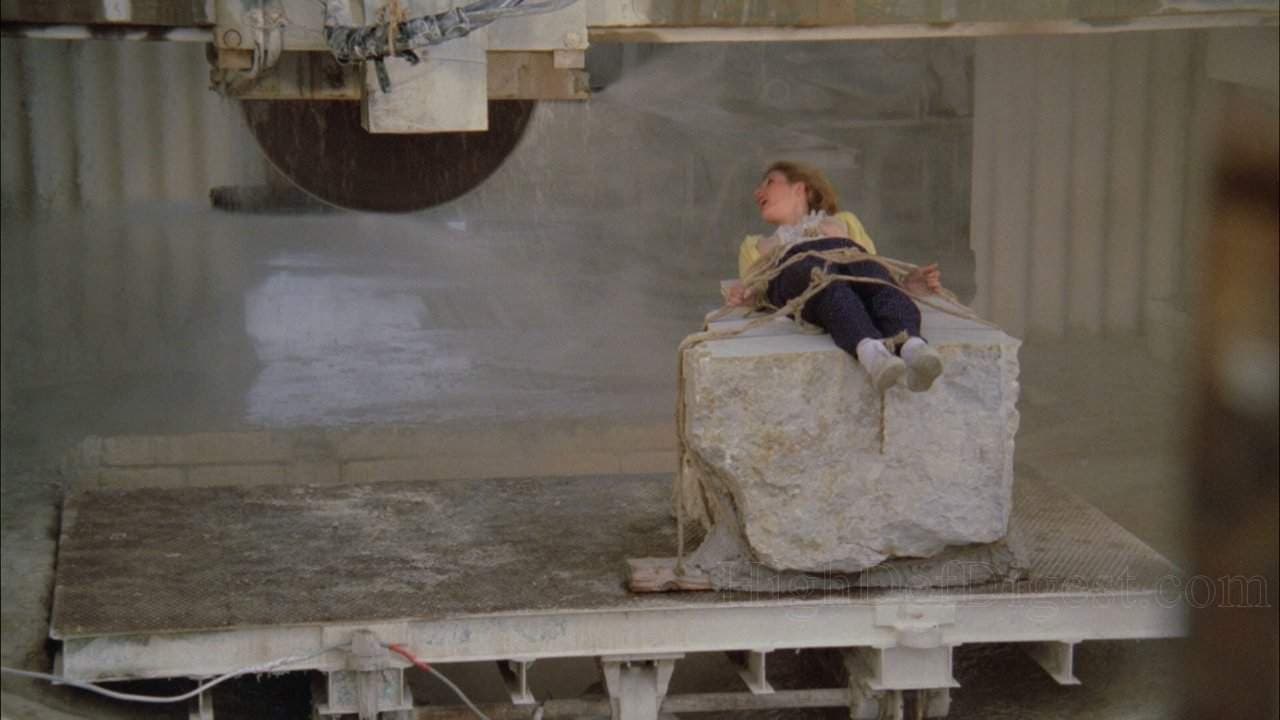
Let's not mince words: Bloody Moon earned its notoriety. If you rented this back in the day, particularly in the UK, you might remember the whispers surrounding it. This film landed squarely on the infamous "Video Nasties" list compiled by the Director of Public Prosecutions, targeted during the moral panic over home video horror. Why? Primarily for one sequence, a moment of grinding, explicit violence involving a large circular saw that leaves absolutely nothing to the imagination. It’s a scene designed purely to shock, and shock it did. The German title, Die Säge des Todes (The Saw of Death), is certainly more descriptive, if less poetic.
Watching it now, the practical effects retain a certain grim power. They lack the digital polish of modern gore, feeling tactile and distressingly messy. There's an ugliness to the violence here that feels deliberate, less about thrilling the audience and more about rubbing their faces in the sheer unpleasantness of it all. Franco, often constrained by resources, reportedly shot the film quickly, a common practice for him, relying on shock value and atmosphere over complex plotting or character development. The Spanish locations add a touch of the exotic, but mostly serve as an isolated backdrop for the inevitable carnage.
A Slasher With Rough Edges
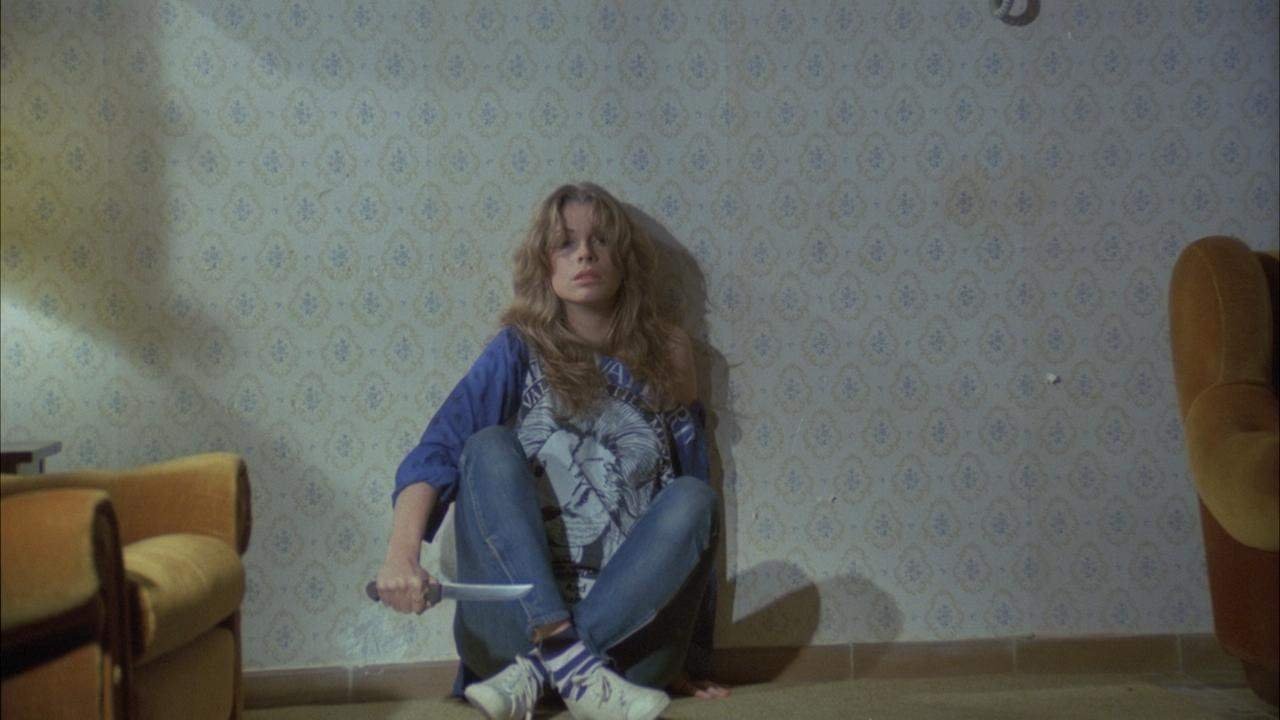
Does Bloody Moon succeed beyond its most infamous scene? It’s debatable. The pacing can be glacial, Franco’s trademark zooms sometimes feel arbitrary, and the acting ranges from serviceable (Olivia Pascal makes for a sympathetic enough final girl) to decidedly wooden. The script, penned by producer Erich Tomek, hits the expected slasher beats – nubile students engaging in pre-marital shenanigans, clueless authority figures, a relentless killer – but without the wit or suspense of the genre's best.
Yet, there's an undeniable mood here. The score often drones ominously, the night scenes feel genuinely dark, and the killer's presence, once unleashed, is handled with brutal efficiency. It lacks the mystery of a good giallo or the relentless energy of Friday the 13th (1980), carving out its own niche as a particularly mean-spirited slice of Euro-exploitation. It’s the kind of film that likely played best late at night on a fuzzy CRT, the tape perhaps slightly worn, adding another layer of grime to the viewing experience. I distinctly remember renting this from a local corner store with a surprisingly robust horror section; it felt different, somehow more illicit than the mainstream slashers lining the walls of Blockbuster.
Legacy of the Nasty
Bloody Moon isn't a cornerstone of the genre, nor is it likely to win over anyone not already predisposed to appreciating low-budget, high-gore European horror. It doesn't have the iconic killer status or franchise potential of its American cousins. Its legacy is tied almost entirely to its censorship battles and its status as a "Video Nasty" artifact. For fans of Franco, it represents one of his more graphically violent, commercially-minded efforts, albeit still infused with his peculiar directorial tics. For slasher completists, it's a necessary, if often unpleasant, watch – a stark reminder of how raw and nasty the genre could get before studio sanitization took hold.
Rating: 4/10
The score reflects its significant flaws – sluggish pacing, uneven performances, and a plot that's purely functional. However, points are awarded for its genuinely shocking gore effects (especially for the time), its undeniable historical notoriety as a "Video Nasty," and that specific, grim atmosphere only Jess Franco could conjure. It’s a rough, often unpleasant watch, but one that holds a certain grimy fascination for hardcore fans of the era's exploitation output.
It’s a film that feels less like a thrill ride and more like a cinematic endurance test, leaving you feeling slightly grubby afterwards. And sometimes, wasn't that exactly what we were looking for in those dimly lit video aisles?