Okay, pull up a beanbag chair, maybe crack open a Tab if you can still find one, because we need to talk about Roar. If you ever stumbled across this faded VHS box back in the day, maybe tucked away in the "Adventure" or perhaps even the "What Were They Thinking?" section of your local video store, you likely have no idea the sheer, unadulterated madness you were holding. Released in 1981 after an infamous production that spanned over a decade, Roar isn't just a movie; it's a document of cinematic hubris, genuine terror, and arguably the most dangerous film production in history. Forget CGI tigers – these cats were real, and they were not messing around.
### Lions and Tigers and... Oh My God!
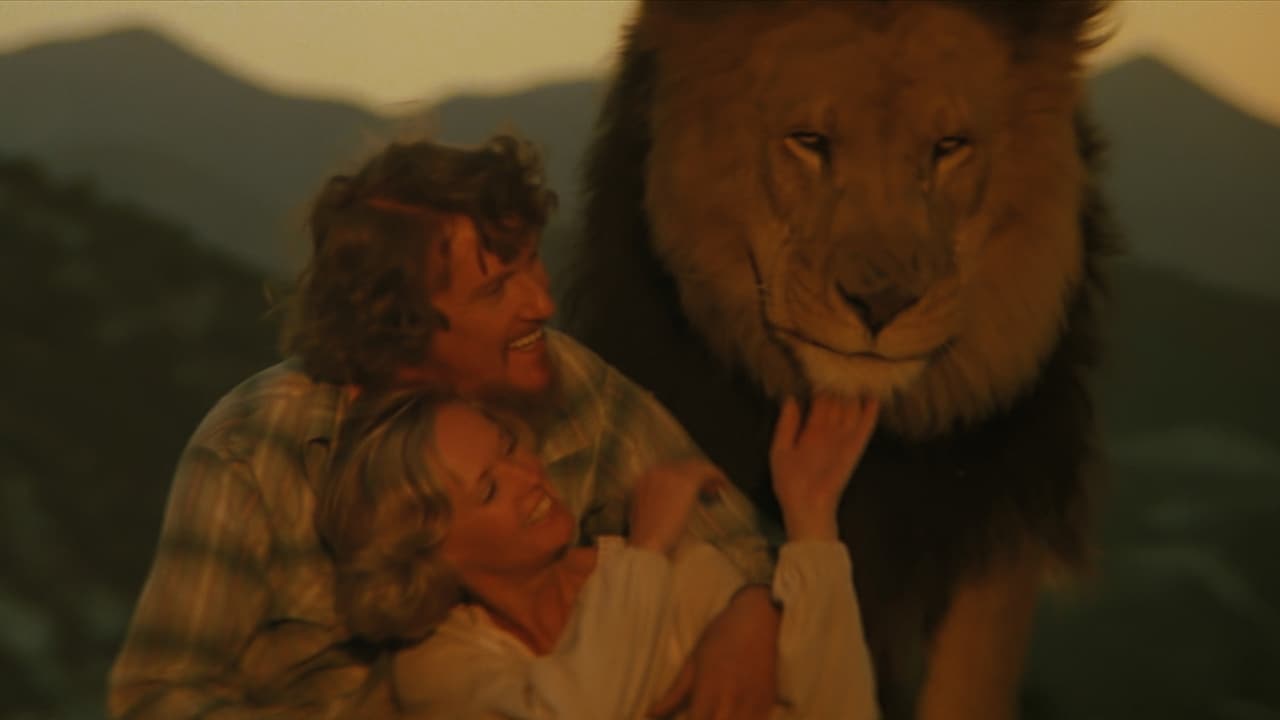
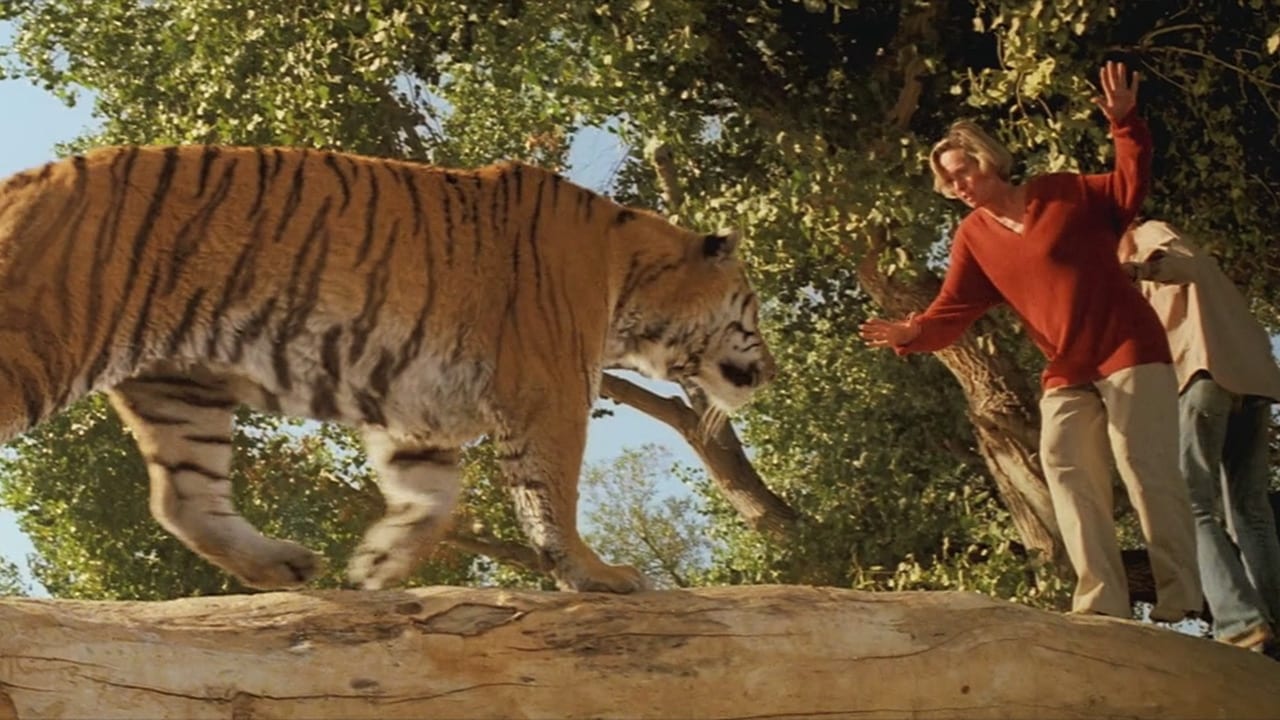
The premise, dreamt up by director, writer, and star Noel Marshall (perhaps best known previously as an executive producer on The Exorcist - a film that feels positively tame by comparison), is paper-thin. Marshall plays Hank, a wildlife preservationist living in Africa surrounded by dozens upon dozens of big cats – lions, tigers, leopards, cheetahs, jaguars – that he treats like oversized house pets. His family, played by his actual wife Tippi Hedren (The Birds), her daughter Melanie Griffith (Working Girl), and his sons John and Jerry Marshall, fly in for a visit while Hank is away. What follows is essentially 90 minutes of the family being relentlessly stalked, chased, mauled, and generally terrorized by these magnificent, unpredictable predators inside their unsecured home. There’s barely a plot, just sheer survival.
But here's the kicker: none of that terror was faked. Those are real lions swarming Tippi Hedren in the kitchen. That's a teenage Melanie Griffith genuinely trying to fend off a lioness. The "acting" often consists of barely concealed panic, and the "action" is raw, unscripted animal behavior captured on film. Remember those practical effects we love from the 80s? The squibs, the car flips? Roar takes practical to an existential level. The effect is the reality of putting untrained actors in immediate proximity to over 150 large, apex predators.
### "No Animals Were Harmed..." But The Humans?
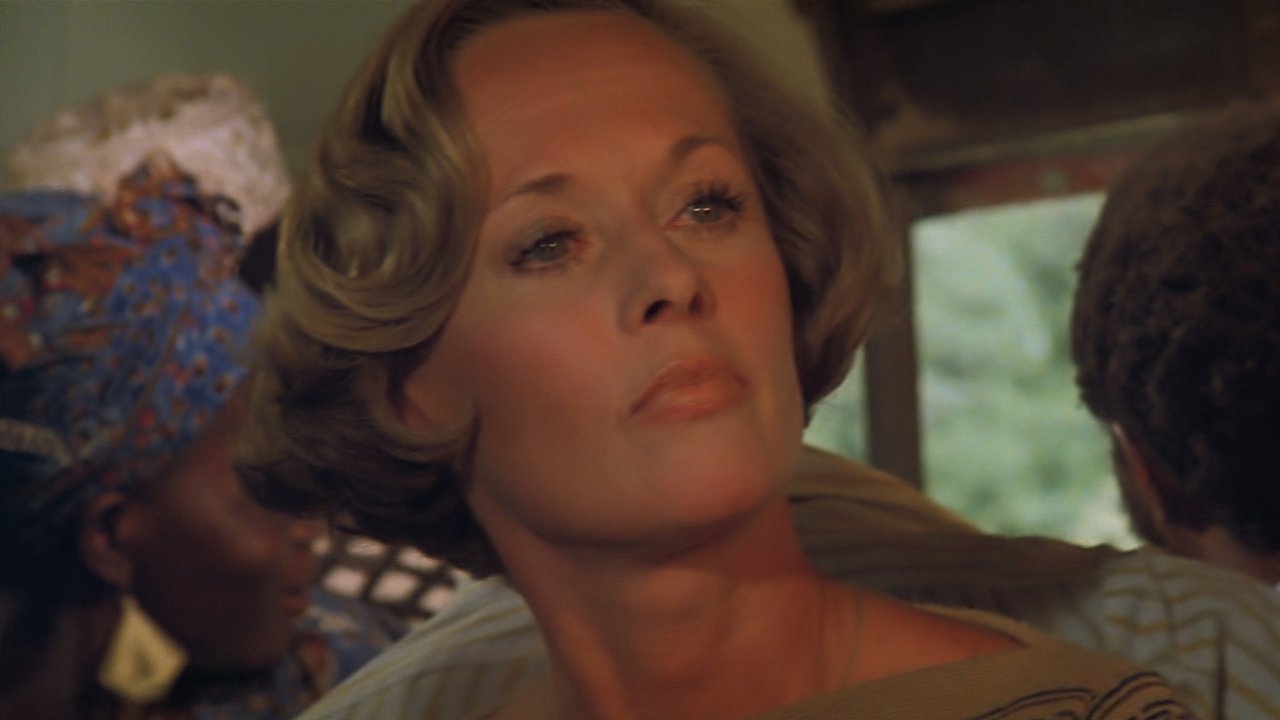
This film is legendary, or perhaps infamous, for the toll it took on its human participants. Promotional materials sometimes even bragged about the injuries. The official count varies, but reports claim over 70 cast and crew members sustained injuries during the eleven years it took to film this passion project turned nightmare. Noel Marshall himself was bitten so many times he developed gangrene. Tippi Hedren suffered a fractured leg after being thrown by an elephant and also received scalp wounds. A young Melanie Griffith required facial reconstructive surgery after being mauled. Cinematographer Jan de Bont – yes, the future director of blockbusters like Speed (1994) and Twister (1996) – was literally scalped by a lion and needed 120 stitches! They just stitched him up and carried on filming. It’s mind-boggling.
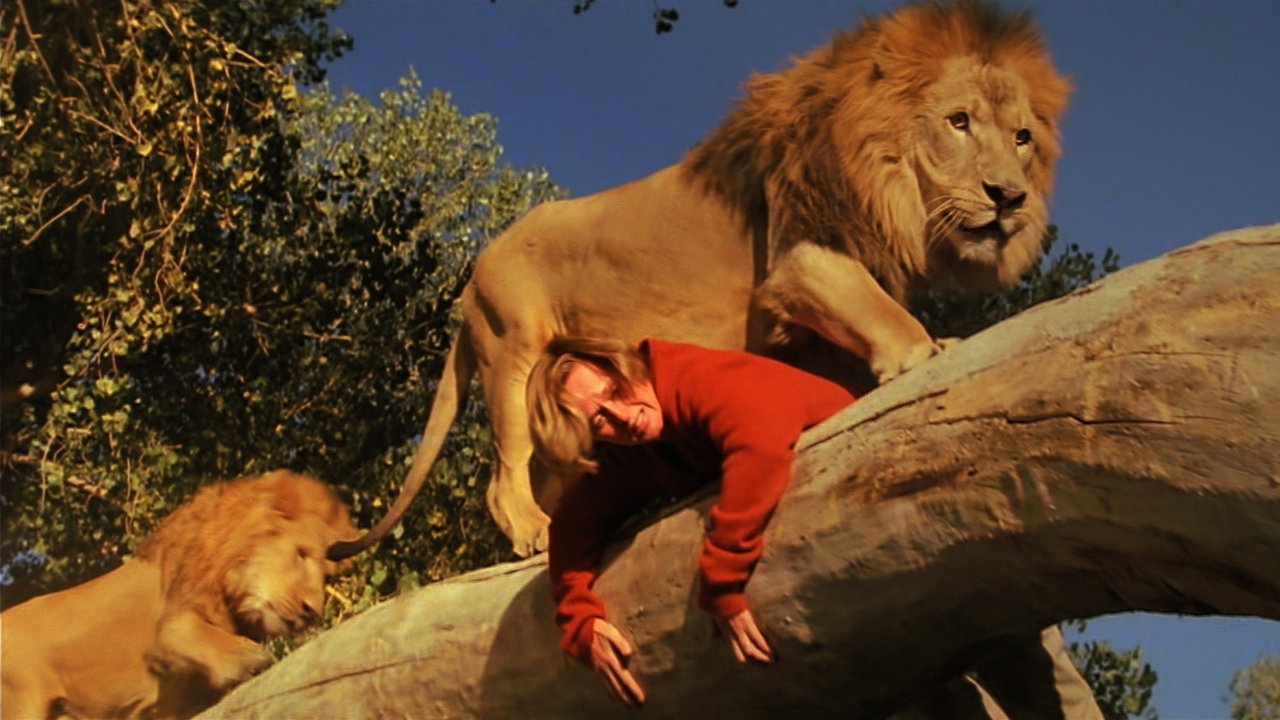
Watching it now, with the benefit of hindsight and modern safety standards, is a truly bizarre experience. You see scenes where lions playfully (or not so playfully) wrestle each other, crashing through windows and furniture, while the actors try to navigate the chaos. Sometimes you see genuine fear flash across their eyes, and knowing the behind-the-scenes reality makes it deeply unsettling. One scene involves Noel Marshall riding a motorbike through the house while lions chase him – it feels less like a movie stunt and more like someone desperately trying not to become cat food on camera.
### A Financial and Critical Cat-astrophe
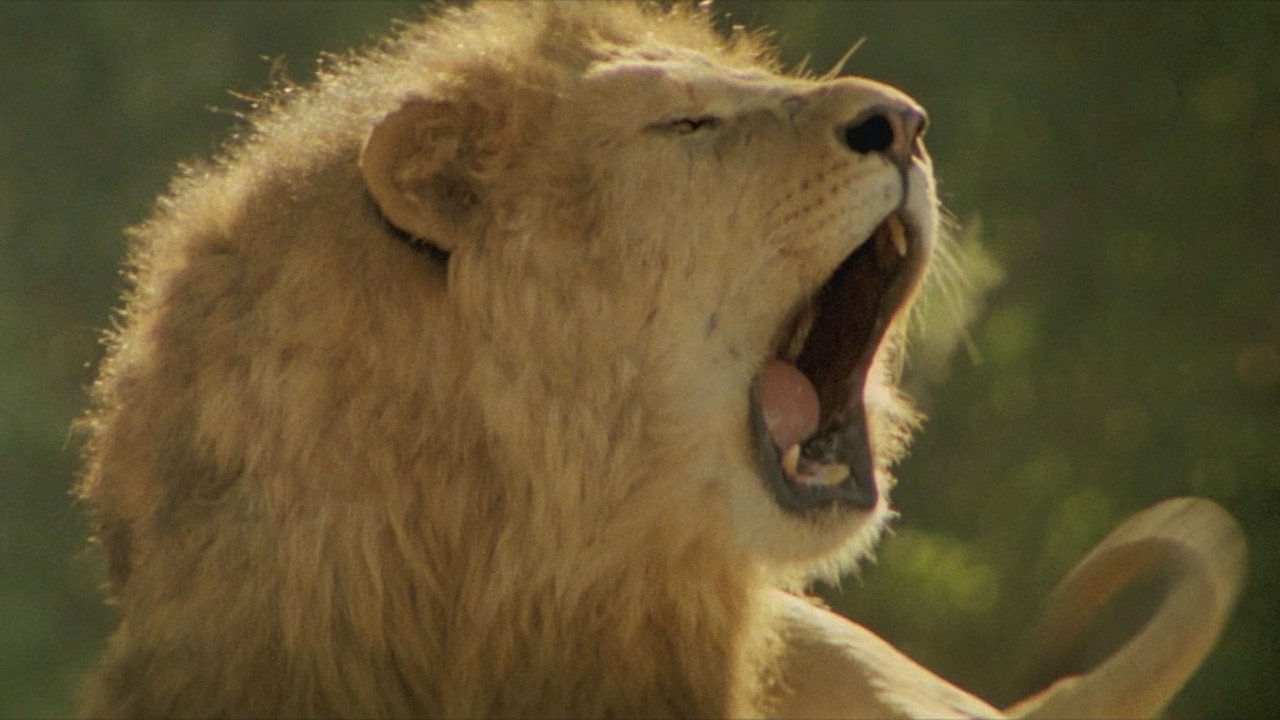
Making Roar was not just physically dangerous; it was a financial black hole. Marshall and Hedren poured their own fortunes into it, reportedly costing around $17 million (a staggering sum back then, roughly $50 million today). They mortgaged properties, sold assets – all to capture this vision of human-animal cohabitation that often looks more like a prelude to a mauling. The production itself was plagued by disasters beyond the animal attacks, including floods that destroyed sets and killed several lions, and wildfires.
Upon its eventual, limited release in 1981, Roar bombed. Critics were baffled, audiences stayed away, and it became a legendary Hollywood folly. It wasn't scary like a horror film, not thrilling like an action film, and certainly not the family adventure it was sometimes marketed as. It existed, and still exists, in its own weird category – a testament to obsession, perhaps, or a terrifying home movie writ large. It’s only in recent years, with rereleases and midnight movie screenings, that Roar has found a cult audience fascinated by its sheer, unrepeatable audacity.
### So, Should You Track Down This Tape?
Watching Roar today feels like unearthing a forbidden artifact. The fuzzy VHS tracking lines almost seem appropriate, adding another layer of distance to the unbelievable images on screen. The film quality itself isn't polished; it feels rough, immediate, and dangerously real. The narrative is weak, the pacing is chaotic, and the message about living peacefully with wild animals gets somewhat undercut by the constant, visible peril everyone is in.
But as a piece of B-movie history? As a jaw-dropping example of what happens when ambition wildly outstrips common sense? It's unforgettable. You watch it less for the story and more for the spectacle, constantly asking yourself, "How did they film this? Why did they film this? Are they okay?!" It’s a film you react to on a visceral level.
Rating: 6/10
Why this score? As a conventional film, Roar is a mess. The plot is negligible, the tone is baffling, and it’s often uncomfortable to watch. However, as a sheer cinematic curiosity, a document of unparalleled filmmaking danger, and a showcase of real animals in unbelievably close quarters with humans, it's utterly unique and morbidly fascinating. The score reflects its undeniable impact as a bizarre spectacle, weighed against its significant failings as traditional narrative cinema.
Final Thought: Forget shaky cams and CGI beasties; Roar is the terrifyingly real deal, a fuzzy VHS nightmare that proves sometimes the most dangerous predator on a film set isn't in the script, but behind the camera pushing the boundaries of sanity itself. It’s a relic that’s hard to recommend, impossible to forget, and absolutely shouldn’t be tried at home. Ever.