Some films don't just flicker on the screen; they seep into the room like a chill draft under the door, lingering long after the VCR clicks off. Jörg Buttgereit's 1990 descent into despair, The Death King (or Der Todesking), is precisely that kind of celluloid haunting. Forget jump scares; this is the slow, creeping dread of existential decay, served up with a distinctly German nihilism that felt utterly alien and deeply unsettling on those worn-out rental tapes. It wasn't something you stumbled upon lightly; finding a Buttgereit film often felt like unearthing forbidden knowledge, whispered about in hushed tones among horror aficionados.
Seven Days, Seven Sorrows
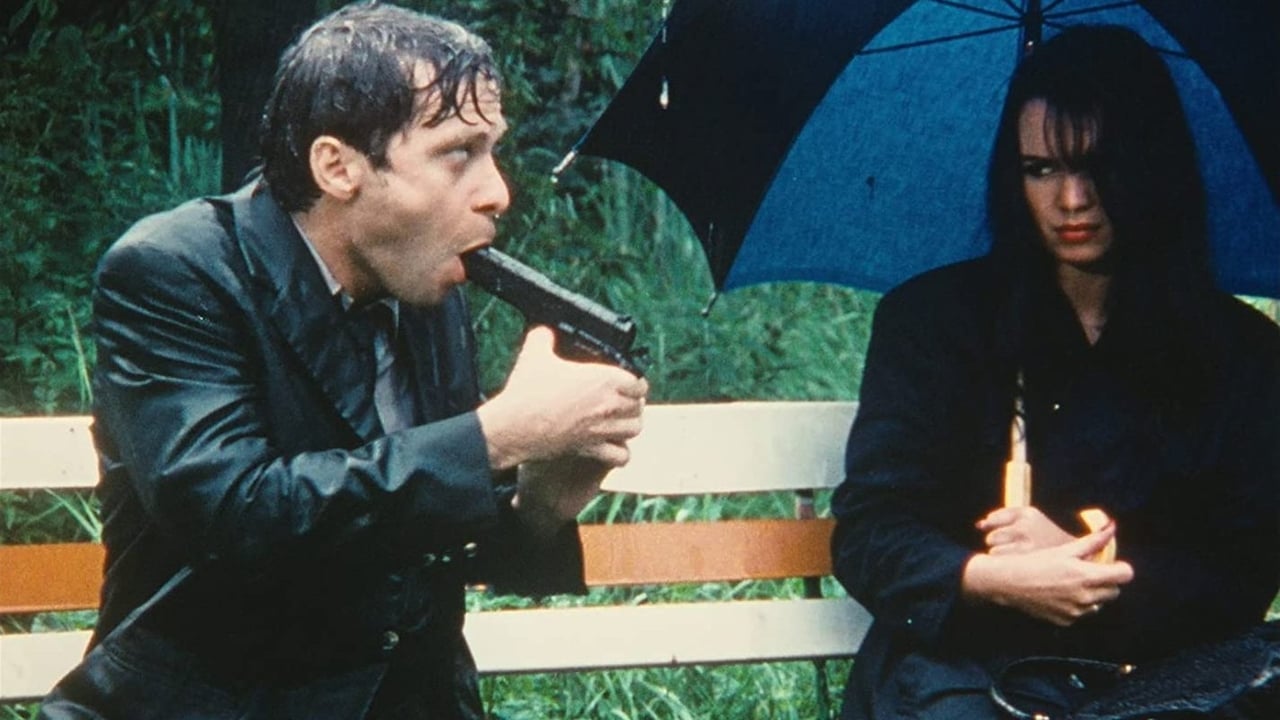
The Death King eschews conventional narrative for a stark, episodic structure built around the days of the week. Each day presents a vignette, a snapshot of isolation, misery, and ultimately, self-destruction. From a man meticulously planning his overdose in a fish-filled apartment to a woman gunning down cinemagoers (a segment chillingly prescient), the film methodically catalogs different pathways to oblivion. Connecting these bleak portraits is the recurring image of a decomposing corpse, filmed with unnerving patience, marking the inexorable passage of time towards dust. There’s also the framing device of a cursed chain letter, promising not riches, but the release of death – a grimly ironic twist on a familiar trope. This structure creates a feeling less like watching a story unfold and more like being trapped in a morbid cycle, the air growing heavier with each passing "day."
The Buttgereit Touch: Artistry in Abrasion
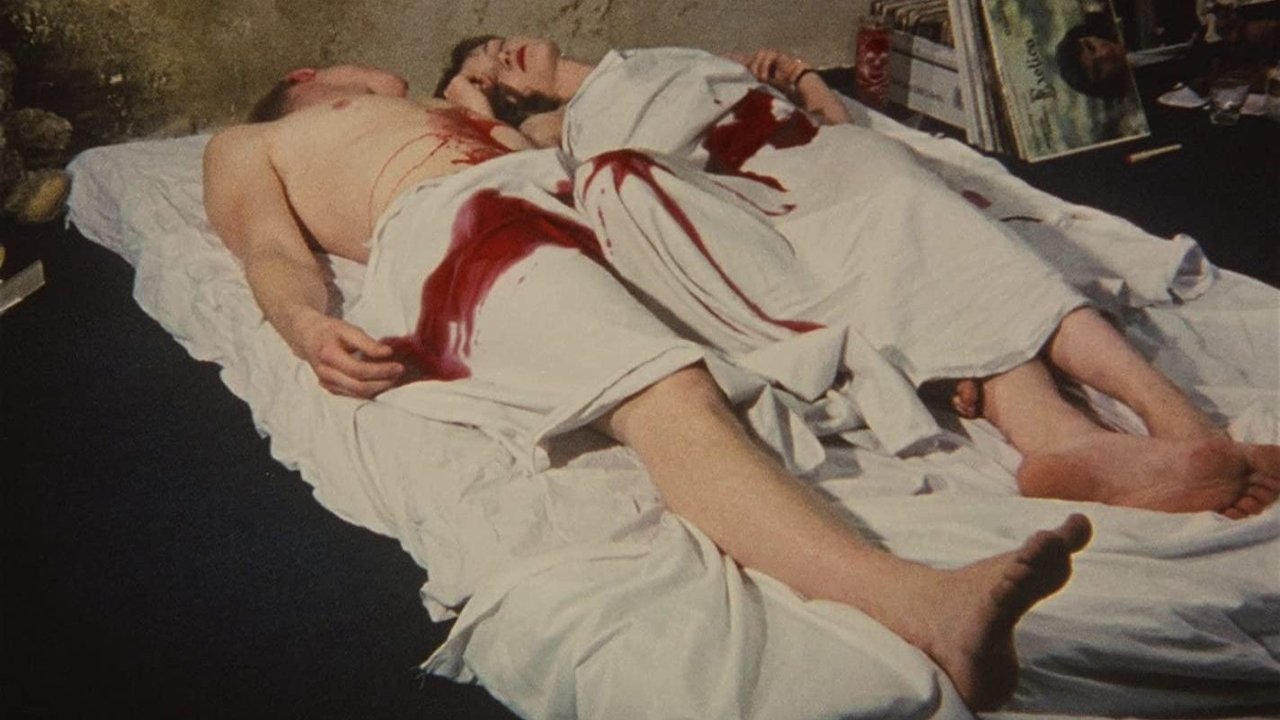
Known primarily for the notorious Nekromantik (1987) and its sequel, Jörg Buttgereit operated far outside the mainstream, crafting his visions with meager resources but maximum visceral impact. The Death King showcases this low-budget ingenuity. Reportedly shot mostly on 16mm film, it possesses a grainy, textured reality that enhances the grim subject matter. The practical effects, particularly the progressive decomposition sequences, have a disturbing tangibility that CGI rarely captures. It feels distressingly real, a testament to Buttgereit's commitment to confronting the physical realities of death head-on. This wasn't slick Hollywood horror; this felt raw, almost documentary-like in its observation of the grotesque. The collaboration on the score between Hermann Kopp, Daktari Lorenz (star of Nekromantik), and John Boy Walton is absolutely crucial, weaving an ambient soundscape of melancholy synths and jarring noise that perfectly complements the pervasive sense of hopelessness.
Beyond Forbidden Images
Make no mistake, The Death King is confrontational. It delves into suicide, violence, and decay with an unflinching gaze that led to it being banned or heavily censored in various territories – a common fate for Buttgereit's work, solidifying its underground reputation in the VHS trading circuits. Finding a copy often involved navigating grainy, multi-generational dubs, adding another layer of illicit mystique. But is it purely shock value? While the imagery is undeniably graphic and disturbing, there's a bleak poetry here, an exploration of profound alienation and the search for meaning (or release) in a seemingly indifferent world. The film doesn't offer easy answers or moral judgments; it simply presents these vignettes, forcing the viewer to confront uncomfortable truths about mortality and despair. Did Buttgereit intend a deep philosophical statement, or was he primarily provoking? The ambiguity is part of its unsettling power.
A Lingering Chill
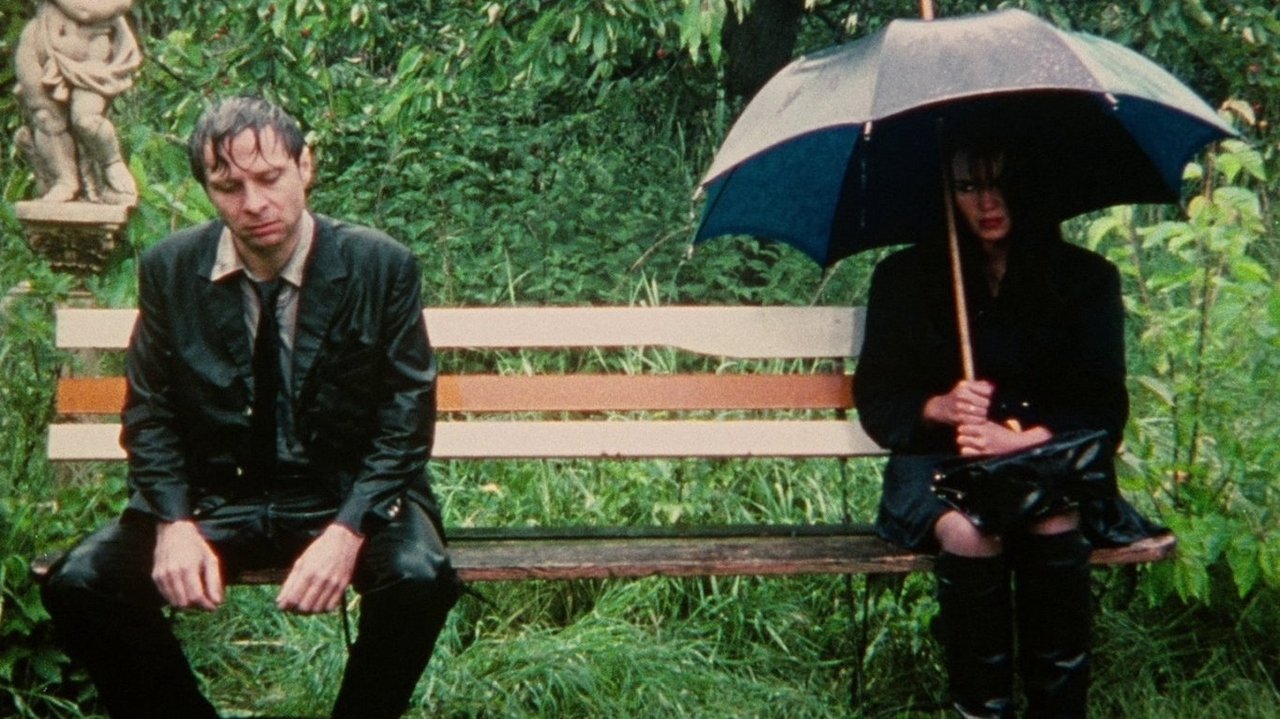
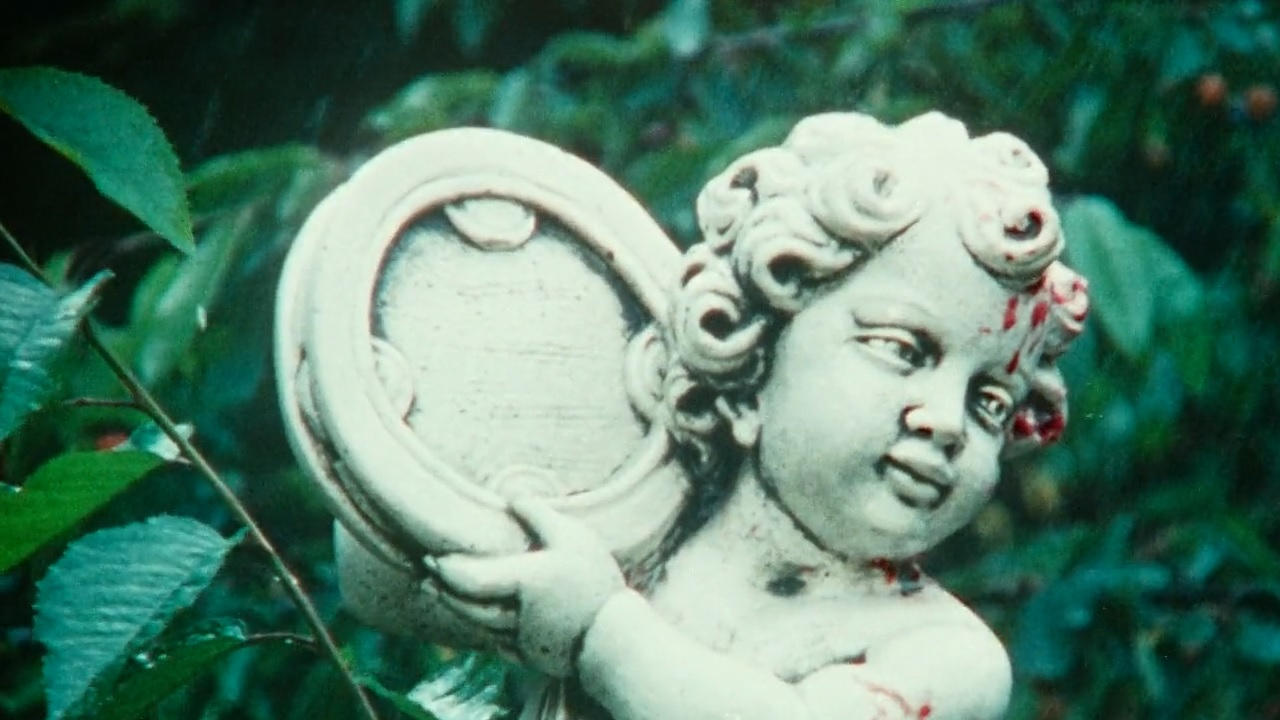
Unlike many shock-cinema entries, The Death King doesn’t rely on frantic pacing or relentless gore. Its power lies in its deliberate slowness, its oppressive atmosphere, and its willingness to linger on moments of profound sadness and decay. It’s a film that burrows under your skin through its sheer bleakness rather than overt scares. Its episodic nature might feel disjointed to some, lacking a central protagonist or driving plot, but this structure reinforces the universality of its themes – death and despair are constants, touching disparate lives in their own quiet, horrific ways. It's a cornerstone of 90s extreme cinema, less concerned with narrative thrills and more focused on evoking a powerful, albeit deeply uncomfortable, mood. Does that unsettling bridge sequence, scored so perfectly, still echo in your mind?
***
VHS Heaven Rating: 7/10
Justification: The Death King is undeniably challenging, bleak, and certainly not for everyone. Its non-traditional structure and disturbing subject matter push boundaries. However, it achieves its artistic aims with grim conviction. The atmosphere is potent, the practical effects memorable (if stomach-churning), and the score is exceptional in service of the tone. It loses points for accessibility and the fact that its episodic nature can feel uneven, but as a piece of uncompromising art-house horror and a key example of Jörg Buttgereit's unique vision, it's a significant and deeply unsettling work. It earns its 7 as a powerful, if harrowing, piece of extreme cinema history that perfectly captured a certain kind of underground VHS dread.
Final Thought: More an endurance test than entertainment, The Death King remains a potent reminder of how effectively low-budget filmmaking can confront life's darkest corners, leaving a residue of unease that's hard to shake off, even decades later.