It begins, as so many life-altering moments do, under a summer sun, seemingly weightless and eternal. A chance meeting on a Brittany beach, a passionate holiday romance, and then... a slip of the tongue, a muddled address given in haste. It’s this single, seemingly small mistake that sets the entire poignant machinery of Éric Rohmer’s A Tale of Winter (1992) into motion. How many of us, looking back, can trace profound shifts in our lives to moments just as arbitrary, just as easily missed? This film doesn't just tell a story; it invites us to ponder the invisible threads of chance and choice that weave the tapestries of our own hearts.
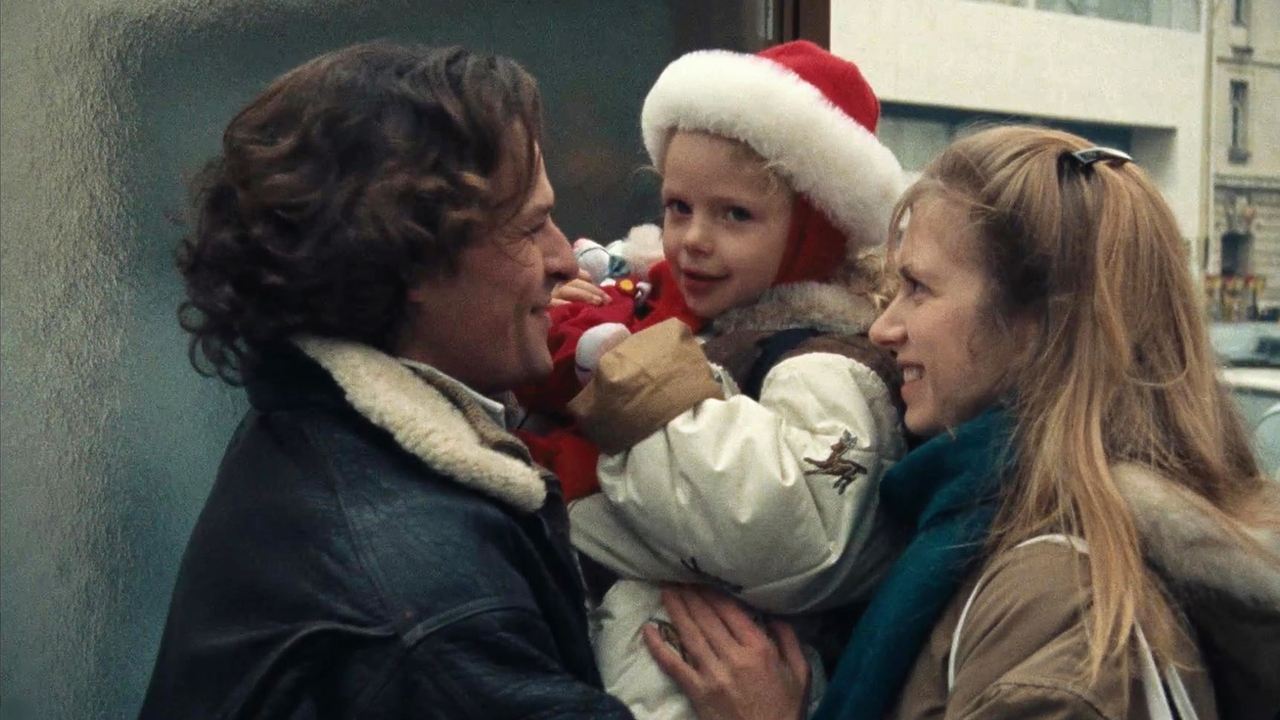
Finding this gem tucked away in the 'Foreign Films' section of the video store back in the day felt like uncovering a secret. Amidst the louder, faster fare of the early 90s, Rohmer's work offered something different: a quiet space for reflection, a patient observation of human fallibility and hope. It wasn't about explosions or quippy one-liners; it was about the internal landscapes of ordinary people navigating the messy, contradictory terrain of love and belief.
The Indecisive Heart
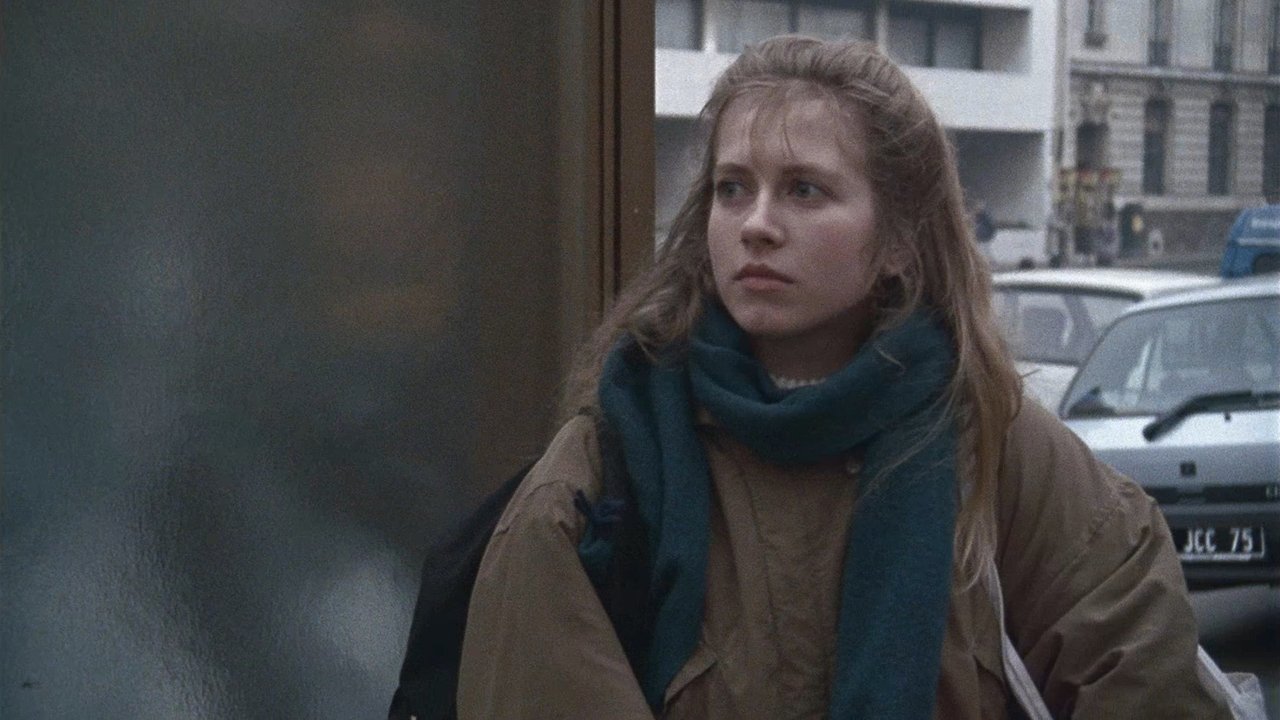
At the center of it all is Félicie, portrayed with remarkable naturalism by Charlotte Véry. Five years after that fateful summer fling with Charles (Frédéric van den Driessche), she finds herself living in the Paris suburbs, raising her daughter Élise (conceived during that brief romance), and caught between two well-meaning but ultimately unsatisfying relationships. There's the intellectual librarian Loïc (Michel Voletti), who offers stimulating conversation and spiritual debate, and the practical hairdresser Maxence (Hervé Furic), who provides stability and runs a salon in Nevers.
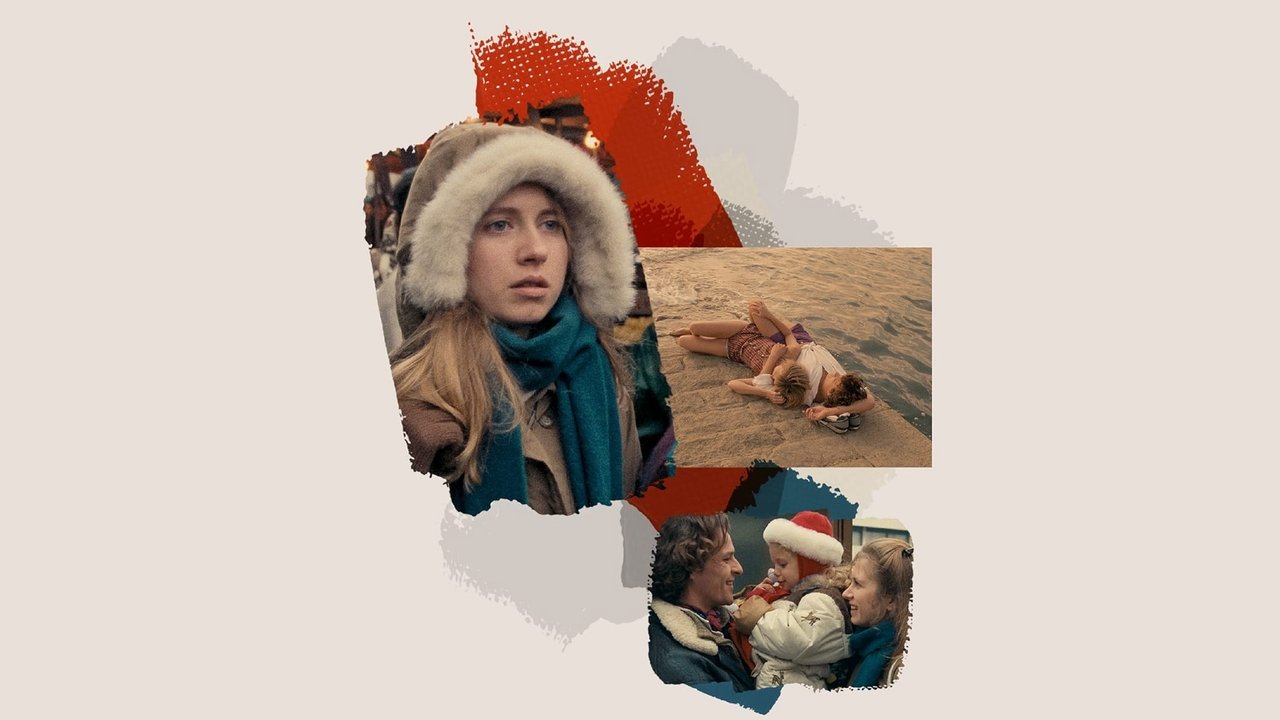
Véry’s performance is the film's anchor. She embodies Félicie's indecisiveness not as a flighty weakness, but as a genuine, often painful, state of being. She drifts, she commits, she withdraws, perpetually uncertain if either man truly fills the space left by the idealized memory of Charles. Is she holding onto a foolish dream, or is there a deeper, almost spiritual conviction that her true path lies elsewhere? Véry makes us feel every flicker of doubt, every surge of conviction, every moment of quiet desperation. There's an anecdote that Éric Rohmer, known for his meticulously crafted dialogue often derived directly from his own philosophical musings, allowed Véry considerable freedom to shape Félicie's reactions and even some lines based on her own feelings, lending an almost documentary-like authenticity to her emotional journey.
Rohmer's Quiet Realism
As the second entry in his masterful Tales of the Four Seasons cycle (following A Tale of Springtime (1990) and preceding A Summer's Tale (1996) and A Tale of Autumn (1998)), A Tale of Winter showcases Rohmer's signature style. Filmed with an unassuming grace, often using natural light and real locations (the wintry streets of Paris and Nevers feel palpably cold and real), the film eschews dramatic scores – music only appears if it exists within the scene itself (diegetic sound). The power lies in the conversations, the subtle shifts in expression, the weight of unspoken thoughts.
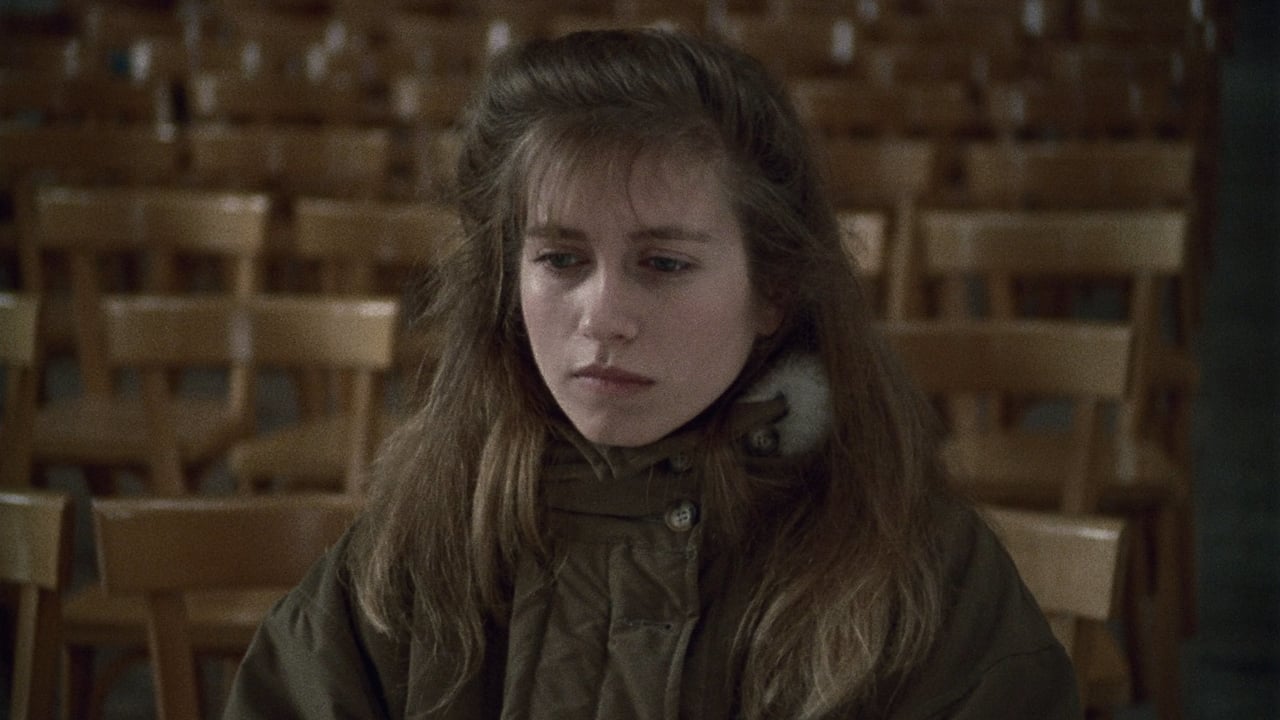
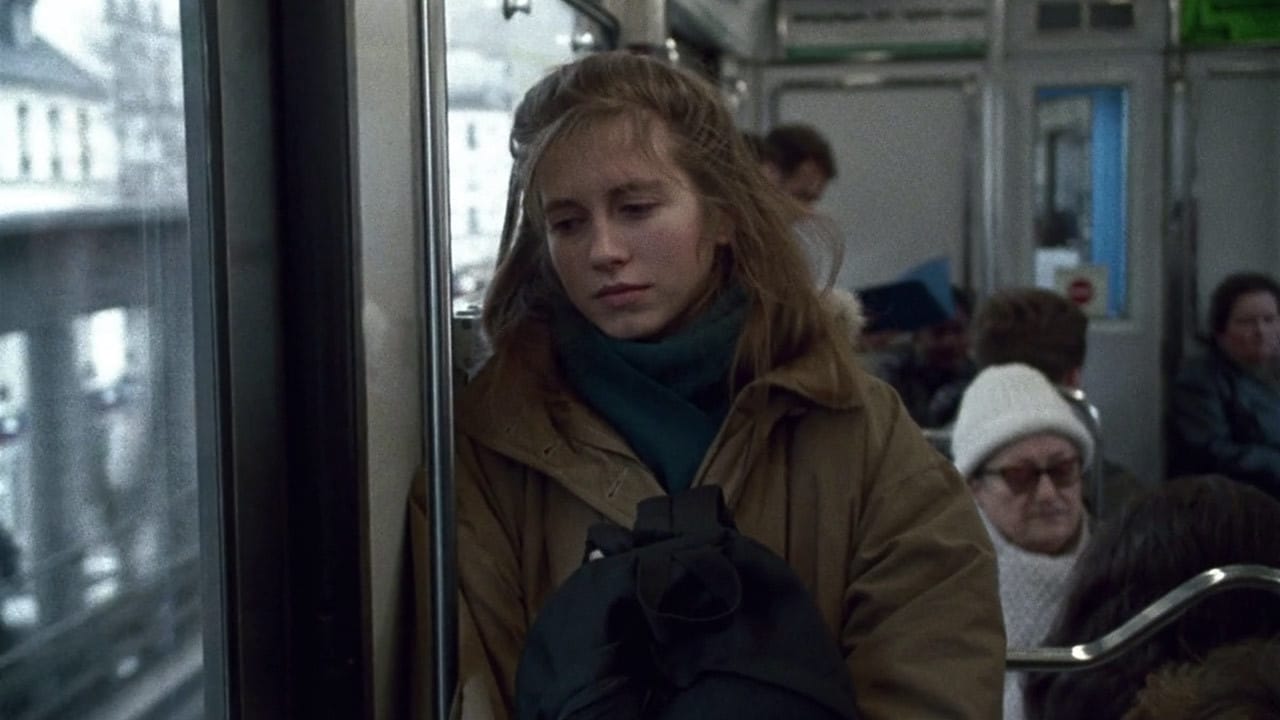
Rohmer, a key figure often linked to the French New Wave despite forging his own distinct path, trusts his audience. He doesn't spell everything out. We observe Félicie's choices, listen to her rationalizations and philosophical debates (most notably a fascinating discussion about Pascal's Wager with Loïc – is believing in the unlikely return of Charles a worthwhile gamble?), and are left to draw our own conclusions. It’s a style that demands patience but rewards it immensely, creating a sense of intimacy rarely found in cinema. You feel less like you're watching a constructed narrative and more like you're quietly observing a life unfold.
Chance, Faith, and Shakespeare
The film subtly weaves thematic depth through seemingly everyday events. The choice between the rational Loïc and the grounded Maxence mirrors Félicie's internal conflict between head and heart, reason and faith. Is love a practical arrangement or an almost mystical connection? This culminates beautifully in a scene where Félicie attends a performance of Shakespeare's The Winter's Tale – a play itself about loss, improbable reunion, and the miraculous power of faith and time. The parallels are clear, but Rohmer presents them without heavy-handedness, allowing the resonance to emerge naturally from Félicie's deeply felt reaction. It’s a masterclass in using art within art to illuminate character.
One fascinating production detail is Rohmer's commitment to capturing the specific atmosphere of the season. Filming in actual winter conditions, often on relatively modest budgets compared to mainstream fare, required resourcefulness. This wasn't CGI snow; the chill Félicie feels walking through Paris is genuine, adding another layer to the film's grounded reality. This commitment to authenticity, even in the face of logistical challenges, is part of what makes his films feel so lived-in.
Lingering Questions
Does Félicie make the 'right' choice in the end? Rohmer doesn't offer easy answers. A Tale of Winter isn't about validating one specific path to happiness but exploring the complex, often contradictory ways we seek it. It acknowledges the role of pure, dumb luck alongside deeply held conviction. It leaves you contemplating the might-have-beens in your own life, the choices made or avoided, and the enduring hope for connection that defines so much of the human experience. It’s a film that settles in your thoughts long after the credits roll, much like a persistent winter chill that eventually gives way to the possibility of spring.
Rating: 9/10
This near-perfect score reflects the film's profound emotional intelligence, Charlotte Véry's luminous central performance, and Éric Rohmer's masterful, understated direction. It achieves precisely what it sets out to do: offering a deeply humane and thought-provoking exploration of love, chance, and faith. The deliberate pacing and philosophical bent might not resonate with everyone seeking action-packed entertainment, but for those willing to meet it on its own contemplative terms, it's an incredibly rewarding experience. It’s a quiet film that speaks volumes, a true gem from the art house corner of the 90s video store.
A Tale of Winter reminds us that sometimes, the most profound journeys are the internal ones, navigated not with a map, but with the uncertain compass of the human heart.