It starts, often, with a glint in the eye. A flicker of aristocratic boredom mixed with pure, unadulterated mischief. That's the enduring image of Alberto Sordi in Mario Monicelli's 1981 historical romp, The Marquis of Grillo (Il Marchese del Grillo). This isn't just another period piece; it's a deep dive into the cynical heart of Papal Rome circa 1809, filtered through the lens of one incorrigible nobleman who lives to upend the stuffy social order, one elaborate prank at a time. Finding this on a dusty VHS shelf back in the day might have felt like unearthing a slightly scandalous, delightfully foreign treasure.
A Nobleman Above Reproach (and Consequences)
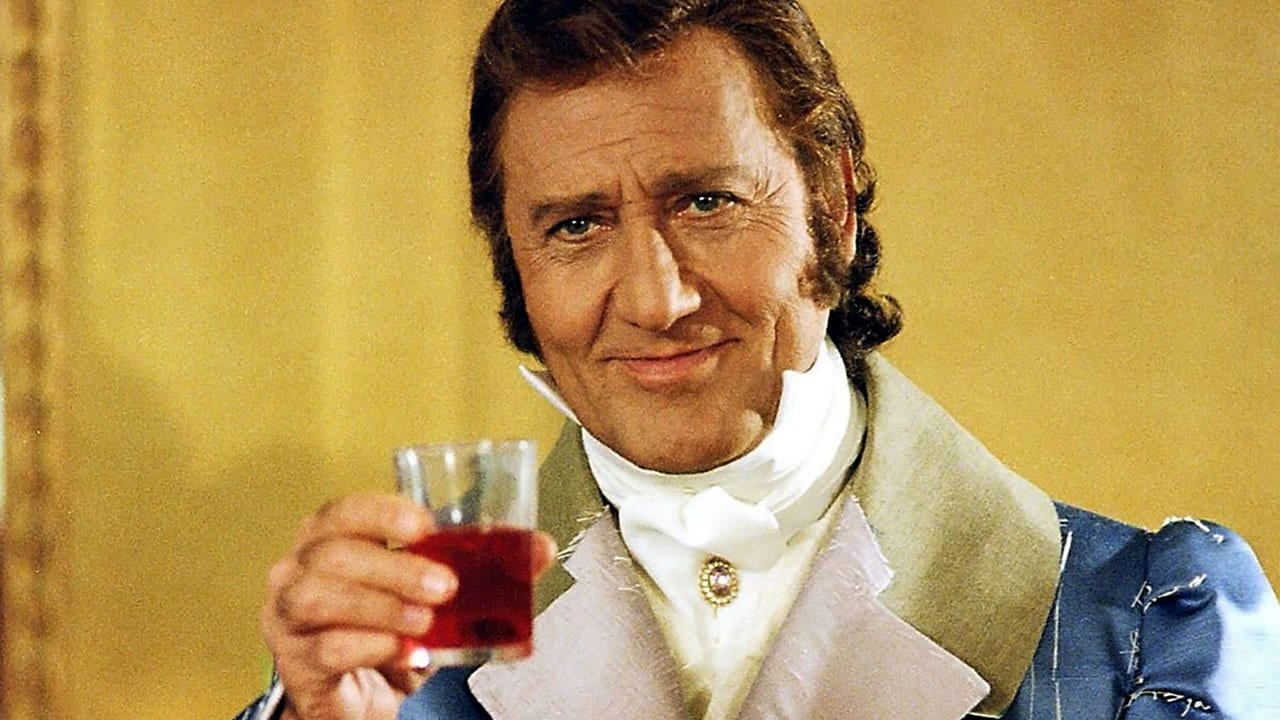
Set against the backdrop of Napoleon's forces occupying the city, the Marquis Onofrio del Grillo moves through life with an amused detachment. He’s fabulously wealthy, fiercely intelligent, and utterly contemptuous of the hypocrisy surrounding him – from the rigid protocols of his fellow nobles to the moralising pronouncements of the clergy, right up to Pope Pius VII himself. Sordi, already a legend of Italian cinema, embodies this character with such effortless charisma and precisely timed cynicism that it's impossible not to be drawn into his orbit. He’s not merely playing a role; he is the Marquis, a man whose defining characteristic is perhaps encapsulated in his famous, oft-quoted line (in Italian, of course): "Io sò io, e voi non siete un cazzo!" – roughly, "I am who I am, and you all are nothing!" It’s a sentiment born of absolute privilege, yet wielded with such anarchic glee that you almost find yourself rooting for his outrageousness.
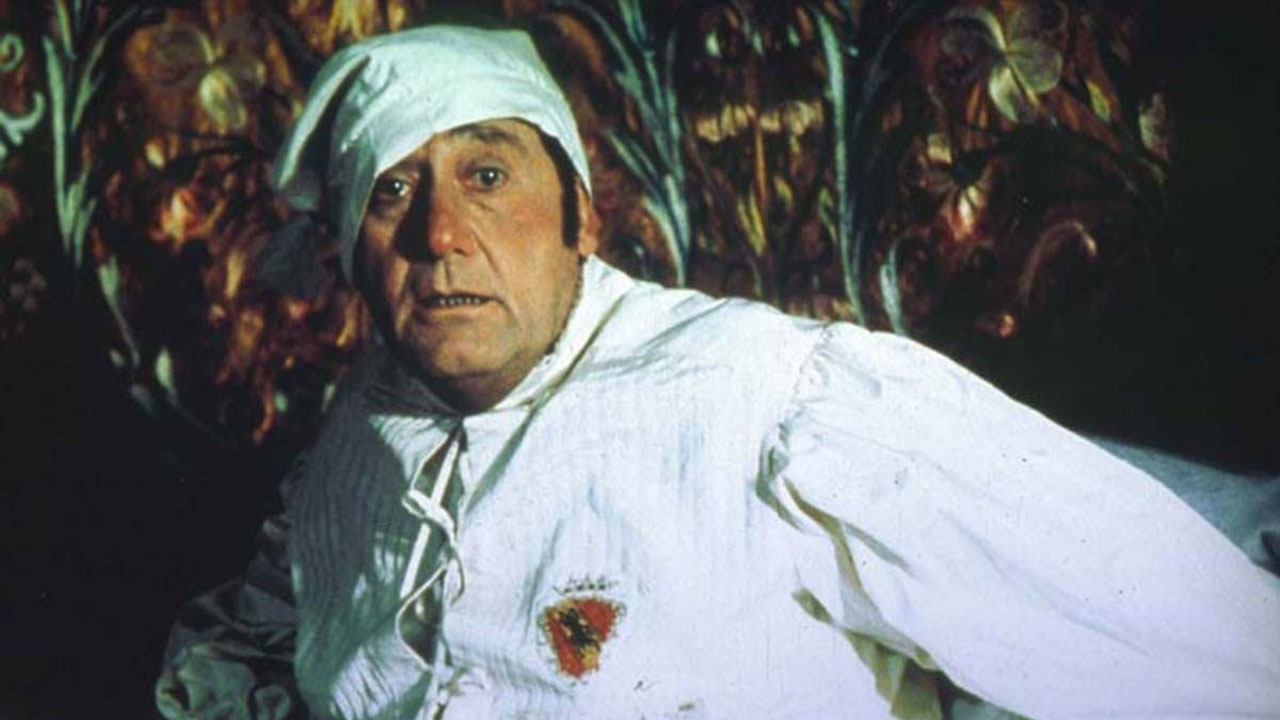
The film, directed by the masterful Mario Monicelli – a titan of the Commedia all'italiana known for classics like Big Deal on Madonna Street (1958) and Amici Miei (1975) – blends broad farce with sharp social satire. Monicelli doesn't just present the Marquis's elaborate jokes (which range from tricking tradesmen to publicly humiliating a pious relative); he uses them to expose the brittle vanity and moral compromises of the ruling class. The discovery of Gasperino (also played by Sordi), a poor, perpetually drunk charcoal burner who happens to be the Marquis's spitting image, provides the film's central comedic engine. The ensuing identity swap allows Monicelli and his writing team (including frequent collaborators Age & Scarpelli, under the Benvenuti Brothers name here, alongside Piero De Bernardi and Tullio Pinelli) to contrast the lives of the obscenely rich and the desperately poor, finding absurdity and humanity in both extremes.
Crafting Chaos in Historical Rome
What truly elevates The Marquis of Grillo beyond a simple comedy is the sheer craftsmanship on display. The production design and costumes, which deservedly swept the David di Donatello awards (Italy's Oscars) that year alongside Best Film and Sordi's Best Actor win, are stunning. They recreate Napoleonic Rome with a tangible sense of place, from the opulent palazzos to the grimy backstreets where Gasperino dwells. This wasn't a cheap production; reports suggest a budget around 5 billion Italian Lire, a hefty sum back then, translating to a significant investment that absolutely shows on screen. Monicelli, who also snagged the Silver Bear for Best Director at the Berlin Film Festival for his efforts, uses this meticulously crafted world not just as a backdrop, but as a character in itself – a city simmering with tension under foreign occupation and internal decay.
Sordi's dual performance is a masterclass. As the Marquis, he’s all controlled movement, sharp wit, and veiled contempt. As Gasperino, he’s loose-limbed, bewildered, and driven by base desires, yet possesses a certain naive honesty the Marquis lacks. Watching Sordi navigate these two personas, sometimes within the same scene, is a joy. The supporting cast, including Caroline Berg as a charming French singer who catches the Marquis's wandering eye, provides excellent foils for Sordi's magnetic presence.

Behind the Laughter: A Touch of Bitterness
While loosely based on legends surrounding a real 18th-century nobleman, the film uses history as a playground for its satirical aims. It’s undeniably funny, often provoking laugh-out-loud moments, but there’s an undercurrent of melancholy, a distinctly Italian blend of cynicism and world-weariness. The Marquis might be rebelling against a stagnant system, but his rebellion is ultimately self-serving, born from boredom rather than genuine revolutionary spirit. Does his disruption actually change anything, or is it just another form of aristocratic entitlement? Monicelli leaves that question hanging, adding a layer of complexity that lingers after the credits roll.
For those of us who discovered this gem perhaps years after its triumphant Italian release, maybe via a subtitled import tape or a late-night TV broadcast, The Marquis of Grillo felt special. It wasn't the standard Hollywood fare. It had a different rhythm, a different sensibility – more caustic, more willing to embrace moral ambiguity, yet bursting with life thanks to its incredible central performance. It’s a film that reminds you how vast and varied the world of cinema was, even back in the VHS era, if you knew where to look.
Rating: 8.5/10
This rating reflects the film's outstanding central performance by Alberto Sordi, Mario Monicelli's assured direction, the superb production values, and its successful blend of historical satire and broad comedy. It's a high point of late-career work for both Sordi and Monicelli, capturing a specific Italian sensibility with wit and style. While perhaps less known internationally than some other Italian classics, its craft and central performance make it a must-see for enthusiasts of European cinema and historical comedies.
It leaves you pondering the nature of power and rebellion. Is the Marquis a proto-revolutionary thumbing his nose at authority, or just a bored aristocrat playing games? Perhaps, as the film suggests, he's simply himself, a force of nature within a decaying world, and that's spectacle enough.