Max 404 dreams of Earth. Not of conquering galaxies or commanding star fleets, but of the simple, messy realities glimpsed in flickering black-and-white films: crowded streets, jazz clubs, the perplexing mechanics of a human kiss. He waits, adrift on a remote research station, surrounded by the hum of machinery and the unpredictable moods of his creator, Dr. Daniel. This yearning pulses at the quiet, strange heart of Aaron Lipstadt's 1982 sci-fi oddity, Android, a film that feels less like a space opera and more like a lonely late-night transmission from the fringes of the future.
A Different Kind of Droid Story
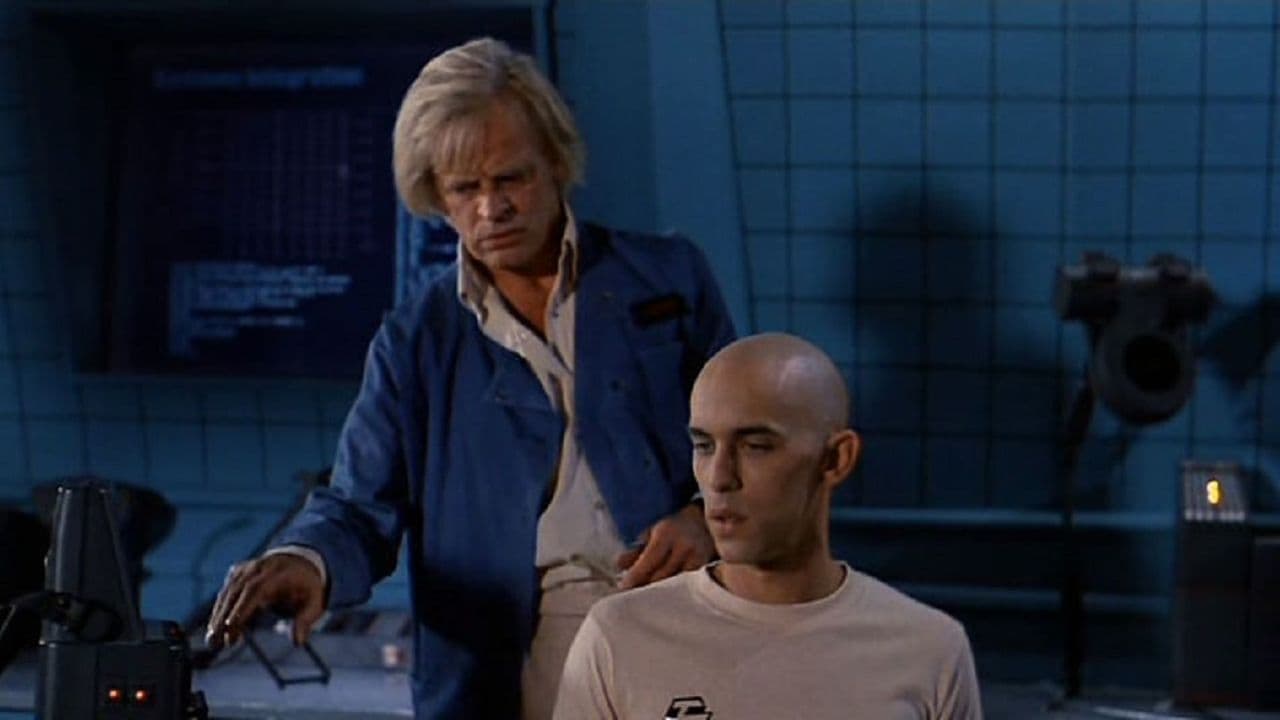
Forget the relentless hunters of Blade Runner (released the same year) or the gleaming protocol droids of that other space saga. Max (Don Keith Opper, who also co-wrote the screenplay) is cut from a different cloth. He's an illegal android, patiently serving Dr. Daniel (Klaus Kinski) while secretly educating himself on human culture, particularly the nuances of male-female interaction, via vintage Earth broadcasts. Max's existence is one of quiet servitude and hidden longing, painting meticulous model replicas of Earth cities while anticipating the day his creator might finally take him "home." Opper, drawing inspiration from the melancholic physicality of Buster Keaton, imbues Max with a captivating blend of naivete, curiosity, and burgeoning self-awareness. His wide-eyed observation of human behaviour is both comedic and deeply poignant.
The fragile equilibrium of their isolation shatters with the arrival of three fugitives – the tough but vulnerable Maggie (Brie Howard), Mendes (Crofton Hardester), and Keller (Norbert Weisser) – crash-landing on the station. Suddenly, Max has living, breathing humans to study up close, particularly Maggie, triggering complex new feelings. But their arrival also accelerates Dr. Daniel's own sinister plans, revealing that Max isn't just an assistant, but a prototype soon to be replaced by a superior, female android, Cassandra One – a project Kinski’s character pursues with detached, unsettling focus.
Kinski in the Cosmos
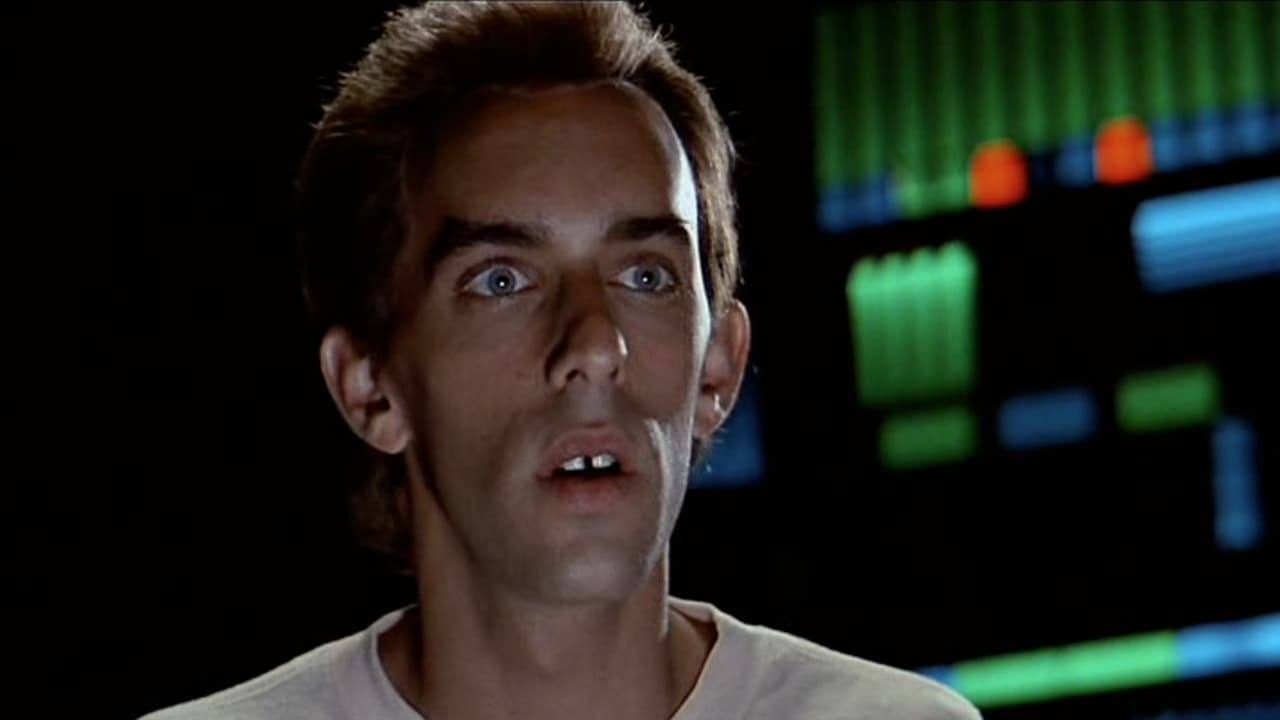
The sheer presence of Klaus Kinski in a low-budget American sci-fi flick is, in itself, a fascinating anomaly. Known for his explosive collaborations with Werner Herzog (like Aguirre, the Wrath of God (1972) or Fitzcarraldo (1982)), Kinski brings a simmering, unpredictable energy to Dr. Daniel. It's not the full-blown mania of some of his more infamous roles, but a colder, more calculating intensity. He's the mad scientist archetype, certainly, but filtered through Kinski's unique, unnerving screen persona. You watch him, wondering when – not if – the mask of scientific detachment will slip. Rumors of Kinski's notoriously difficult on-set behaviour were legendary, yet reports suggest he was relatively contained during Android's swift production, perhaps focused on delivering his scenes efficiently for the young director Aaron Lipstadt, then making his feature debut. His involvement lends the film a strange gravity it might otherwise lack.
Resourceful Retro Futurism
Android is a prime example of making the most from very little. Reportedly shot in roughly four weeks for around $1 million, its production design punches above its weight class, largely thanks to a stroke of B-movie genius: the sets were recycled from Roger Corman’s significantly more expensive production, Battle Beyond the Stars (1980). This forced economy lends the station a lived-in, slightly worn feel that enhances the sense of isolation rather than detracting from it. The corridors might feel familiar to eagle-eyed Corman fans, but they serve Android’s intimate story well. The film avoids grand space battles, focusing instead on the claustrophobic interiors and the psychological tension building within them. Max's own design is simple but effective – no complex animatronics, just Opper’s performance and some subtle makeup suggesting his artificial nature. It’s a reminder of how character and concept could carry a sci-fi film in the era before ubiquitous CGI.
The score, a blend of synth tones and slightly melancholic melodies, effectively underscores Max's loneliness and the rising suspense. It captures that distinct early 80s electronic soundscape, instantly transporting you back to the era of chunky monitors and the satisfying clunk of inserting a tape into the VCR. I distinctly remember finding this gem tucked away in the sci-fi section of my local rental store, its slightly enigmatic cover promising something different from the usual laser battles. It delivered.
A Curious Cult Relic
Does Android hold up? In many ways, yes. Its thoughtful exploration of artificial intelligence yearning for humanity feels surprisingly resonant today. Max's journey from naive servant to self-determining individual is genuinely engaging, thanks largely to Opper's heartfelt performance. The film deftly blends its sci-fi premise with elements of quirky humor, noirish intrigue (via the fugitives), and even a touch of Pygmalion as Dr. Daniel prepares his "perfect" female android.
Of course, the budgetary seams show. Some scenes feel sparse, the pacing occasionally lags, and the supporting characters aren't as developed as Max or Dr. Daniel. Yet, these limitations become part of its charm. It’s a film driven by ideas rather than spectacle, a character study wrapped in a sci-fi shell. Doesn't that core story of Max trying to understand punk rock and James Cagney still feel strangely relatable?
Rating: 7/10
Android earns its score through sheer heart and ingenuity. While its low budget is undeniable, the film compensates with a compelling central performance from Don Keith Opper, a fascinatingly weird turn from Klaus Kinski, and a script that dares to be thoughtful and quirky within its sci-fi framework. It overcomes its limitations to deliver a memorable and surprisingly touching story about what it means to be human, or to simply want to be.
For fans of 80s sci-fi that favoured character and concept over blockbuster budgets, Android remains a cherished cult favourite – a small film with a big synthetic heart, humming away quietly in the vast static of VHS Heaven.