Come Back to the 5 & Dime, Jimmy Dean, Jimmy Dean
The air hangs thick and still inside the Woolworth's, doesn't it? Even through the screen, you can almost feel the oppressive Texas heat clinging to everything, mirroring the decades of unspoken truths simmering just beneath the surface. Seeing Robert Altman's Come Back to the 5 & Dime, Jimmy Dean, Jimmy Dean (1982) again, pulled from the dusty shelf of memory much like the characters revisiting their shared past, is a potent reminder of how effectively cinema can trap us in a room with ghosts – both literal and metaphorical. It’s less a nostalgic trip and more an emotional excavation.
Twenty Years On, Still Dreaming
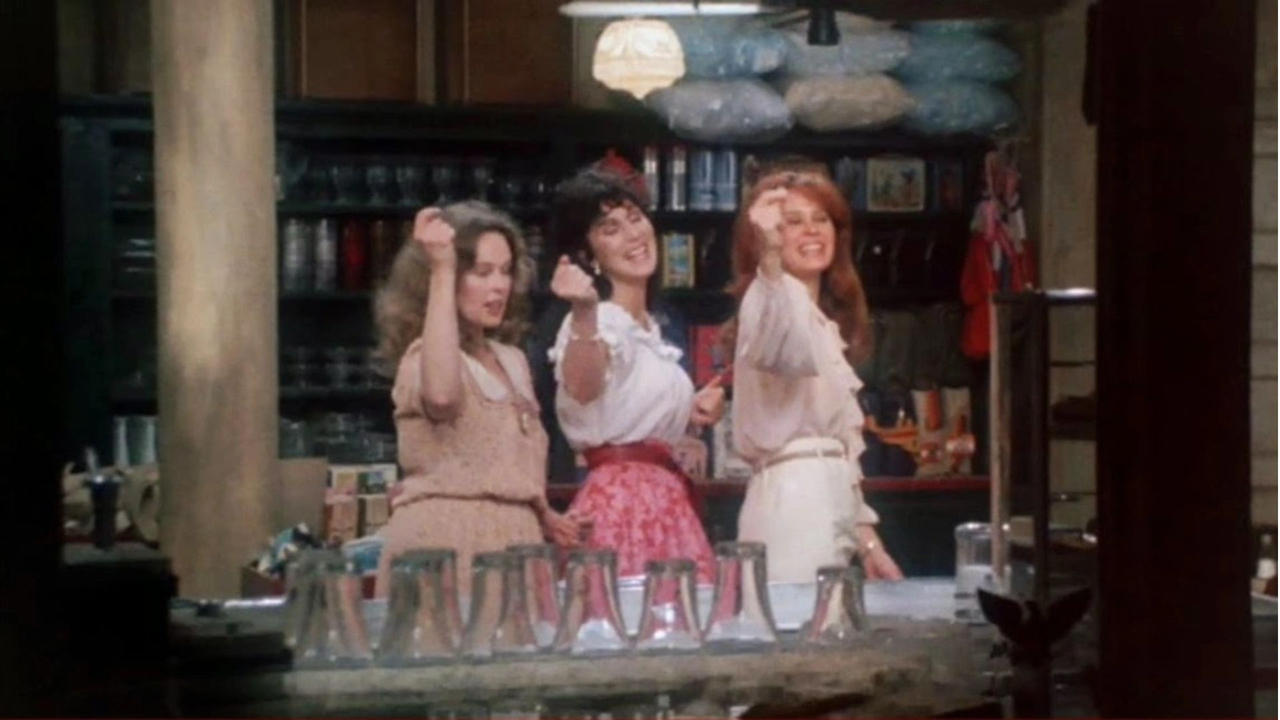
We find ourselves in McCarthy, Texas, a speck of a town baked dry by the sun and seemingly bypassed by time. The local chapter of the Disciples of James Dean – now middle-aged women grappling with far different realities than their teenage fantasies – gathers for a twenty-year reunion at the titular 5 & Dime store where their youthful obsession first bloomed. It’s 1975, two decades since the Rebel Without a Cause tragically died, yet his shadow looms large, particularly over Mona (Sandy Dennis), the fragile linchpin of the group who insists she bore Dean’s son. Surrounding her are the pragmatic, seen-it-all Sissy (Cher), the devoutly religious Juanita (Sudie Bond), the timid Edna Louise (Marta Heflin), and the seemingly well-adjusted Stella Mae (Kathy Bates, sharp even in this early role). Their reunion, however, is irrevocably altered by the arrival of Joanne (Karen Black), a sophisticated stranger whose presence acts as a catalyst, forcing long-buried secrets into the harsh light of the store's fluorescent glare.
Altman Behind the Counter
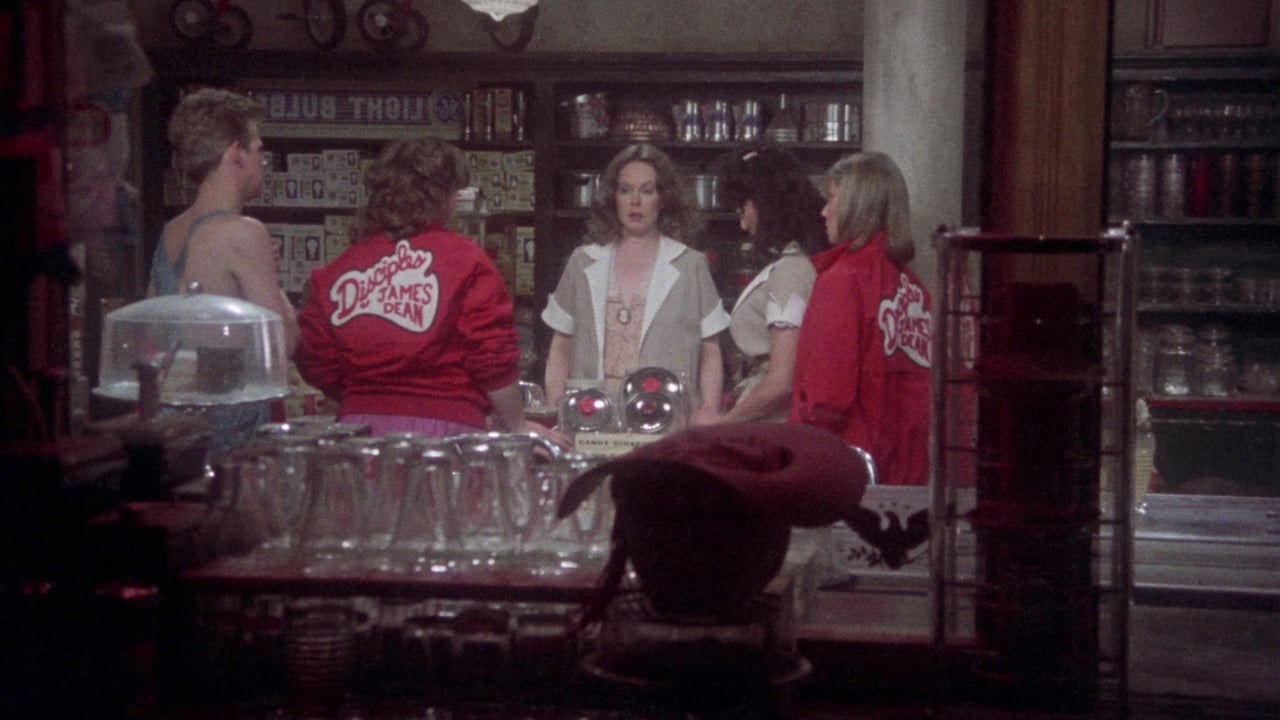
Adapting Ed Graczyk's stage play (which Altman himself had directed), the director employs a fascinating, almost Brechtian technique. The store's large mirror doesn't just reflect the present; it reveals ghostly images of the characters' younger selves and moments from that pivotal summer of 1955. It's a brilliant, low-budget solution (Altman reportedly shot the film for around $800,000) that visually collapses time, showing us how the past constantly informs, haunts, and sometimes distorts the present. This wasn't just a clever trick; it was born partly from necessity, filming quickly on Super 16mm (later blown up to 35mm) primarily on a single, contained set. Altman, ever the master of ensemble chaos and capturing lived-in moments, makes the claustrophobia of the 5 & Dime palpable. You feel trapped with these women, privy to their nervous energy, their forced laughter, and the eventual, painful unraveling of their carefully constructed narratives.
Portraits in Dust and Longing
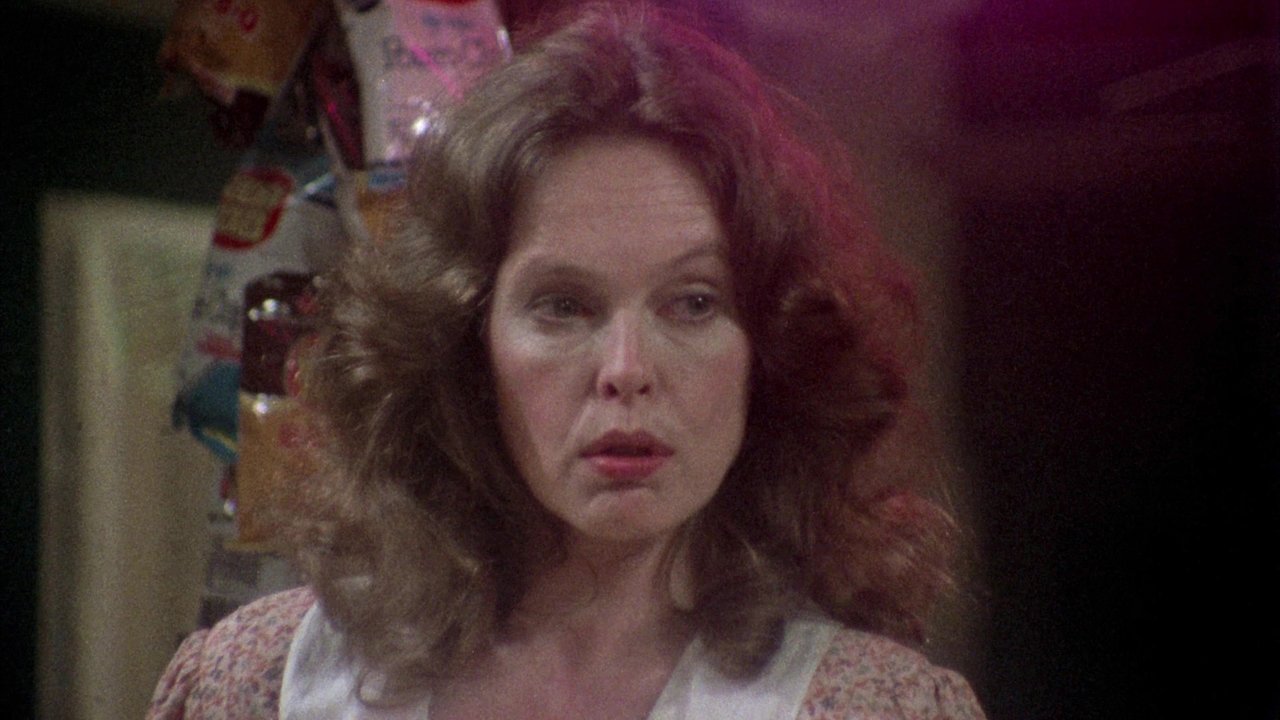
The film rests squarely on the shoulders of its cast, and what a trifecta leads the charge. Sandy Dennis, reprising her Tony Award-winning stage role, is simply mesmerizing as Mona. Her performance is a masterclass in fragility and delusion; every flutter of her hands, every nervous tic, every faraway look speaks volumes about a woman clinging desperately to a defining, perhaps fabricated, moment. Is her connection to Dean real, or a necessary fiction to survive the crushing mundanity of her life? Dennis makes you believe in Mona’s belief, which is perhaps even more heartbreaking.
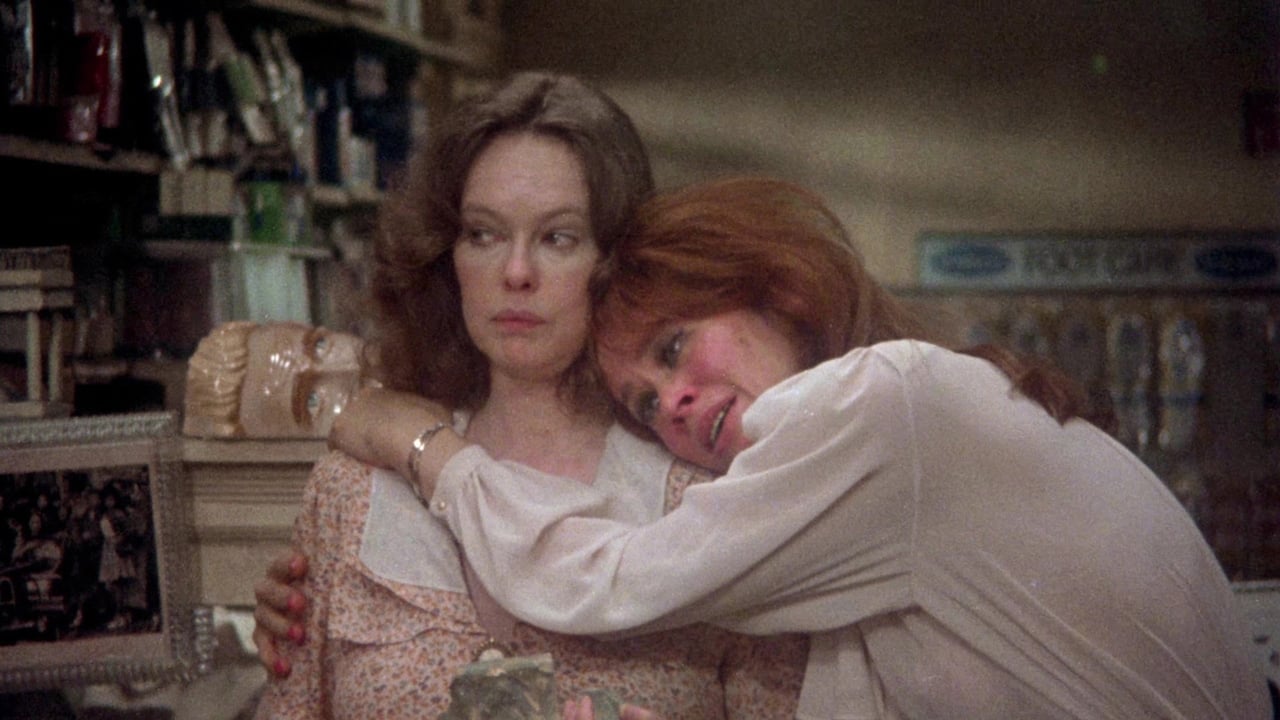
Then there's Cher, in a role that truly marked her arrival as a serious dramatic actress. I remember the buzz back then – could the glamorous pop star pull off this brassy, world-weary waitress? She absolutely nails it. Her Sissy is the anchor to reality, often cynical and sharp-tongued, yet Cher imbues her with a deep well of hidden pain and loyalty. The chemistry between her and Dennis is electric, a complex dance of exasperation, pity, and fierce, protective affection. It’s said Cher took a significant pay cut for the role, recognizing its potential, a gamble that paid off handsomely for her acting career, leading directly to roles like Silkwood (1983).
And Karen Black as Joanne… her entrance shifts the film's entire dynamic. Initially cool and enigmatic, Joanne carries the weight of the film's most significant revelations (Spoiler Alert! regarding Joanne's identity follows). Her transformation from the timid Joe of the past into the confident, poised woman she is now becomes the catalyst for confronting uncomfortable truths about identity, acceptance, and the secrets small towns try desperately to bury. Black handles this complex arc with grace and power, revealing Joanne's vulnerability beneath the polished exterior. It was a challenging role, handled with a sensitivity that feels remarkably forward-thinking for its time.
Truth in the Reflections
Beyond the powerhouse performances, Come Back to the 5 & Dime lingers because of its unflinching look at the corrosive nature of nostalgia when it becomes a prison. These women aren't just remembering James Dean; they're trapped by the idealized image of their youth, unable to reconcile it with the disappointments and compromises of adulthood. The film asks profound questions: What happens when the myths we build about ourselves crumble? How do we cope when the past refuses to stay buried? Can we ever truly escape the expectations and limitations imposed by our origins? Altman doesn't offer easy answers, instead letting the raw emotions play out in the suffocating confines of that single store.
The setting itself becomes a character – the dusty merchandise, the aging fixtures, the unchanging backdrop to lives that have irrevocably changed. It’s a potent symbol of stagnation, of dreams deferred or distorted. Watching it now, perhaps on a format far removed from the original VHS tapes many of us first encountered it on, the film’s themes feel remarkably resonant. Don't we all carry ghosts from our past, moments and choices reflected, sometimes distorted, in the mirror of memory?

Rating: 8/10
This score reflects the film's undeniable power, driven by Altman's unique directorial vision and, crucially, the trifecta of astonishing lead performances. Dennis, Cher, and Black are simply unforgettable, each delivering raw, complex, and deeply human portrayals. The innovative use of the mirror technique elevates the source material, turning a stage play into a haunting cinematic experience. While its stage-bound nature and deliberate pacing might test some viewers, the emotional payoff is immense. It may not have been a blockbuster, but its life on VHS cemented its status as a cult classic, a testament to its enduring emotional honesty.
Come Back to the 5 & Dime, Jimmy Dean, Jimmy Dean is a challenging, sometimes uncomfortable watch, but ultimately a rewarding one. It stays with you, like the dust motes dancing in the sunbeams of that lonely Texas store, reminding us that sometimes the hardest truths are the ones we find when looking back. What reflections haunt your own personal 5 & Dime?