Okay, pull up a comfy chair, maybe pour yourself something nice. Let's talk about a film that landed right at the turn of the millennium, a strange, sprawling beast that feels like both a culmination and a curiosity: Robert Altman's Dr. T & the Women (2000). It arrived just as the reign of VHS was starting to fade, maybe one of the last tapes you rented before the sleek allure of DVD truly took hold. And stepping into its world is like stepping into a whirlwind – specifically, a gilded, chaotic, Dallas-society whirlwind swirling around one very popular gynecologist.
### The Calm Center of the Storm?
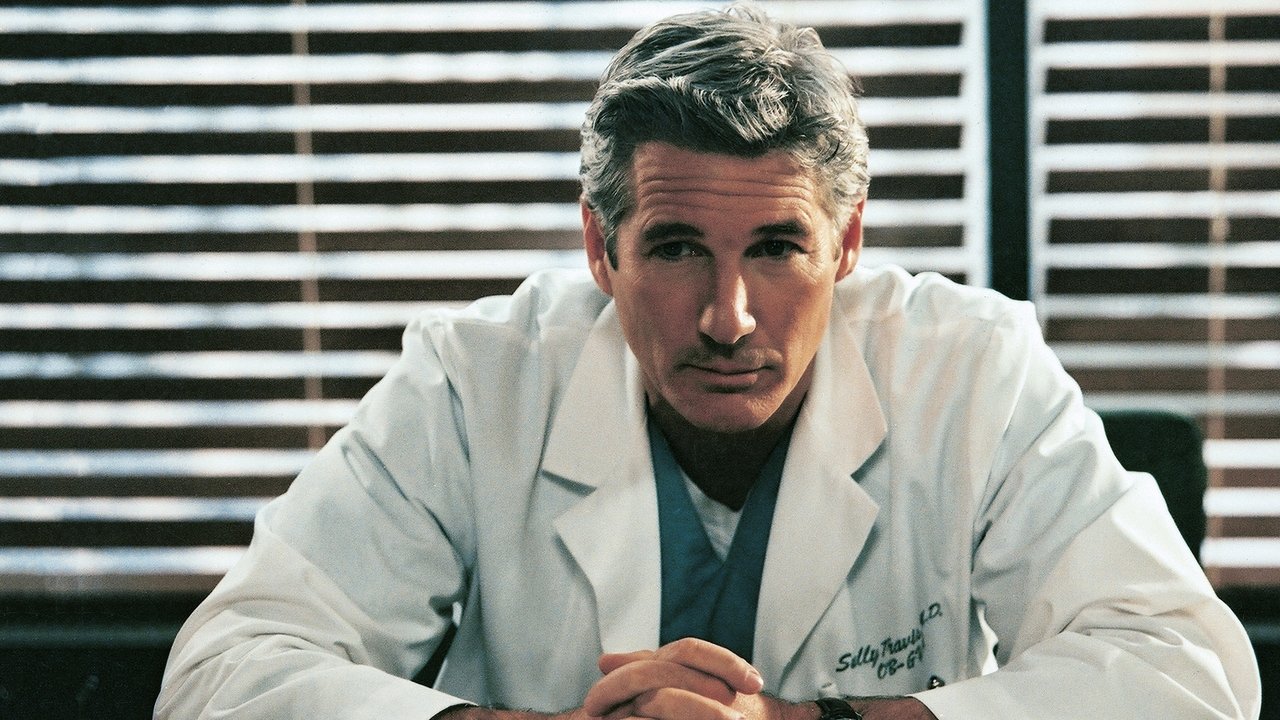
The film opens not with quiet introspection, but with the signature Altman hum – overlapping conversations, characters weaving in and out, a sense of barely controlled chaos that immediately immerses you. We're introduced to Dr. Sullivan Travis, or "Dr. T," played with an almost unnerving smoothness by Richard Gere. Here's a man who seemingly has it all: a thriving practice catering to the wealthiest women in Dallas, a beautiful home, loving daughters, and a wife he adores. Gere, often known for his intense or romantic leads (think Pretty Woman (1990) or Primal Fear (1996)), here embodies a different kind of pressure cooker. He's the listener, the healer, the handsome confidante to legions of women, yet you sense, almost immediately, the cracks forming beneath that polished veneer. He's surrounded by women, professionally and personally, yet feels increasingly isolated. Is there a lonelier place to be than in a crowded room where everyone needs something from you?
### A Universe of Feminine Energy

And what a room it is! Altman, the master of the ensemble cast (Nashville (1975), Short Cuts (1993)), assembles an incredible gallery of female characters, each navigating their own specific brand of Dallas-style drama. There's his wife, Kate (Farrah Fawcett, in a truly fragile and moving performance that felt particularly poignant given her later health battles), who experiences a baffling psychological break, regressing into a childlike state – a condition bizarrely linked to her intense shopping habits. Fawcett conveys Kate's vulnerability with heartbreaking authenticity; it's a performance that lingers.
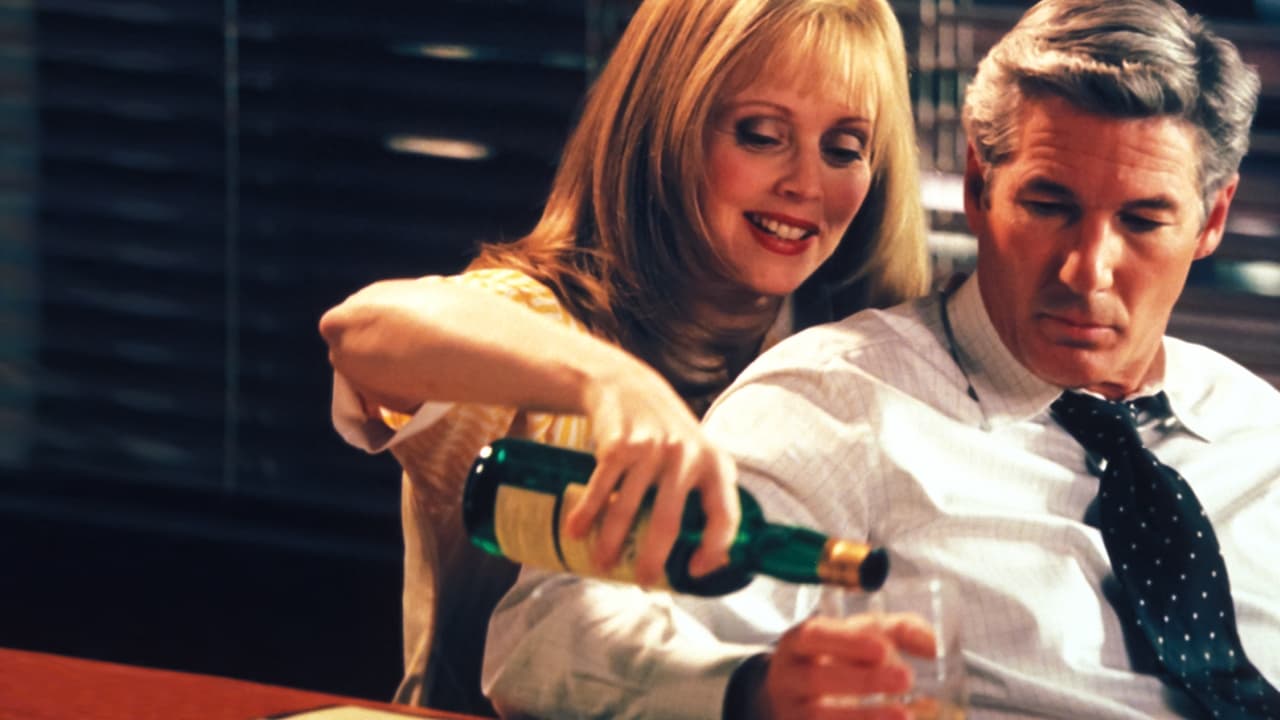
Then there are the daughters: the soon-to-be-married Dee Dee (Kate Hudson, radiating nervous energy) and the conspiracy-theorist Connie (Tara Reid). His loyal, slightly overwhelmed head nurse Carolyn (Shelley Long, perfectly cast) tries to keep the office afloat amidst the demanding patients and Dr. T's personal turmoil. And into this fray walks Bree (Helen Hunt, fresh off Oscar-winning acclaim for As Good as It Gets (1997)), the serene new golf pro at Dr. T's club, offering a potential port in his emotional storm. It's a fascinating casting choice; apparently, Altman initially considered Sandra Bullock for the role, which would have given it a very different energy. The dynamic between Gere and Hunt provides some of the film's more grounded moments, a quiet counterpoint to the surrounding frenzy. Add in Laura Dern as Dr. T's champagne-loving, perpetually disruptive sister-in-law, Peggy, and Liv Tyler as Marilyn, Dee Dee's fiancé's maid of honor (with a secret), and you have a dense tapestry of female perspectives, anxieties, and desires.
### Altman's Observational Eye

Shot entirely on location in Dallas, the film feels Texan, capturing a specific slice of affluent Southern life with Altman's typically observant, almost anthropological eye. Working with screenwriter Anne Rapp (who also collaborated with Altman on Cookie's Fortune (1999)), he lets the camera drift, catching fragments of conversations, lingering on telling details, allowing the atmosphere to build organically. The sheer logistics of coordinating this large cast, encouraging improvisation within the structured chaos, speaks volumes about Altman's unique directorial method. He wasn't just telling a story; he was orchestrating an experience, letting the viewer feel like an eavesdropper in this rarefied world. It wasn't a box office smash, reportedly costing around $23 million and earning just under that back worldwide, suggesting audiences perhaps weren't quite sure what to make of its peculiar blend of satire and sincerity.
### When the Heavens Open
Spoiler Alert! The film takes a sharp turn into the surreal in its final act. As Dr. T's carefully constructed world completely unravels – his wife institutionalized, his daughter's wedding dissolving into chaos, his relationship with Bree reaching a crisis point – he drives out into a sudden, violent tornado. It's a moment of utter surrender, perhaps? Or maybe just Altman throwing his hands up? He finds shelter, improbably, with a group of poor villagers near the Mexican border, and in a scene bathed in almost mystical light, ends up delivering a baby. It's an ending that baffled many critics and audiences at the time. Is it a rebirth for Dr. T? A commentary on his god-like status crumbling? A bizarre, almost biblical escape from the complexities of modern womanhood? It remains wildly open to interpretation, a bold, frustrating, and unforgettable flourish. What does this drastic shift ultimately say about Dr. T's journey?
### Final Thoughts
Dr. T & the Women isn't a perfect film. It's sprawling, sometimes messy, and its central character, despite Gere's efforts, can occasionally feel more like a cipher than a fully realized person. Yet, there's something undeniably compelling about its ambition, its Altman-esque controlled chaos, and the sheer force of its female ensemble cast, particularly the poignant work by Farrah Fawcett. It captures a very specific moment in time – that pre-9/11 turn of the century – with a blend of glossy satire and unexpected heart. Watching it now feels like unearthing a strange, fascinating time capsule from the cusp of the DVD era.
Rating: 6/10
Justification: The score reflects the film's undeniable craft, Altman's signature style, and some standout performances (especially Fawcett's). However, it's hampered by an uneven tone, a somewhat passive protagonist, and a bewildering final act that, while memorable, doesn't quite coalesce with the preceding narrative. It’s a fascinating Altman experiment, but not one of his most cohesive.
Final Takeaway: A curious, chaotic, and often captivating look at one man adrift in a sea of feminine energy, memorable more for its unique Altman flavour and ensemble moments than for a truly satisfying narrative arc. Did Dr. T ever truly understand the women in his life, or was he just swept away by the storm?