It sometimes feels like certain films arrive not with a bang, but with the gentle sigh of a humid Southern afternoon. They don't demand your attention; they invite you in, offer you a seat on the porch, and let their story unfold at its own unhurried pace. Robert Altman's Cookie's Fortune (1999) is precisely that kind of film – a deceptively simple, character-rich tapestry woven with warmth, quiet absurdity, and a deep understanding of small-town dynamics. Landing towards the tail end of the VHS era, maybe you caught this one nestled between flashier new releases at the local video store, drawn perhaps by the stellar cast, only to discover something far more nuanced and resonant.
### Welcome to Holly Springs
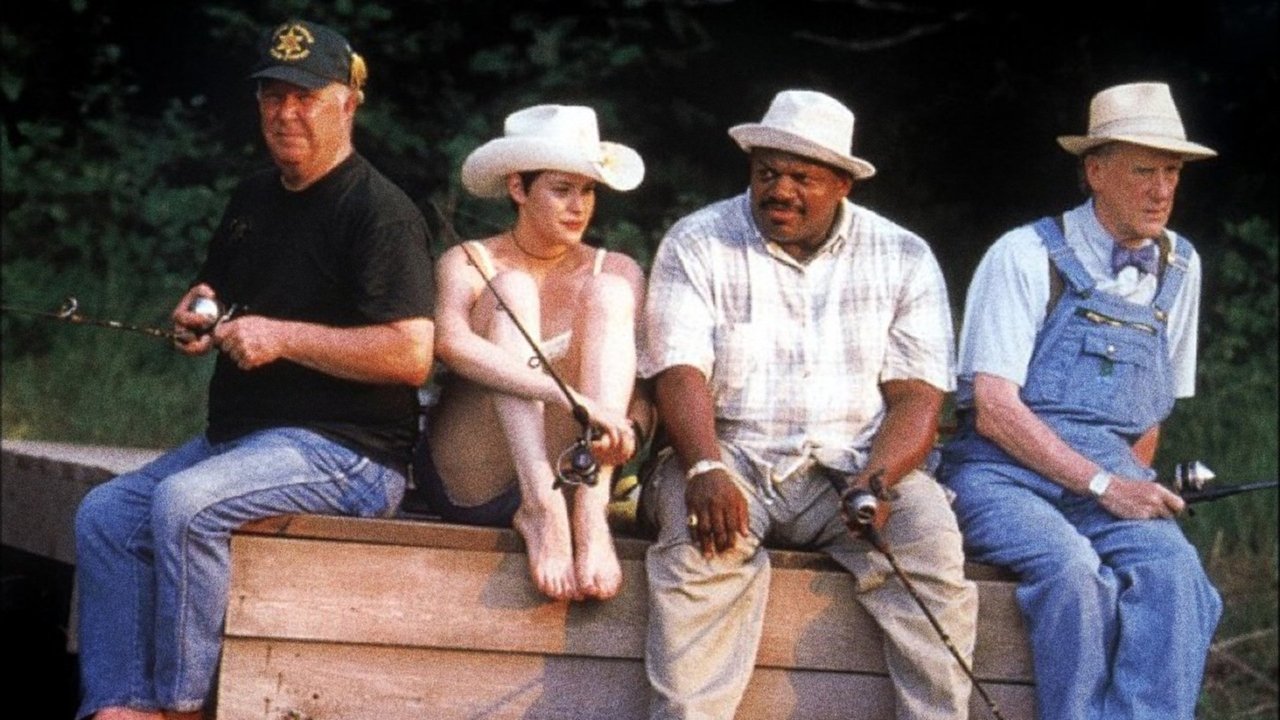
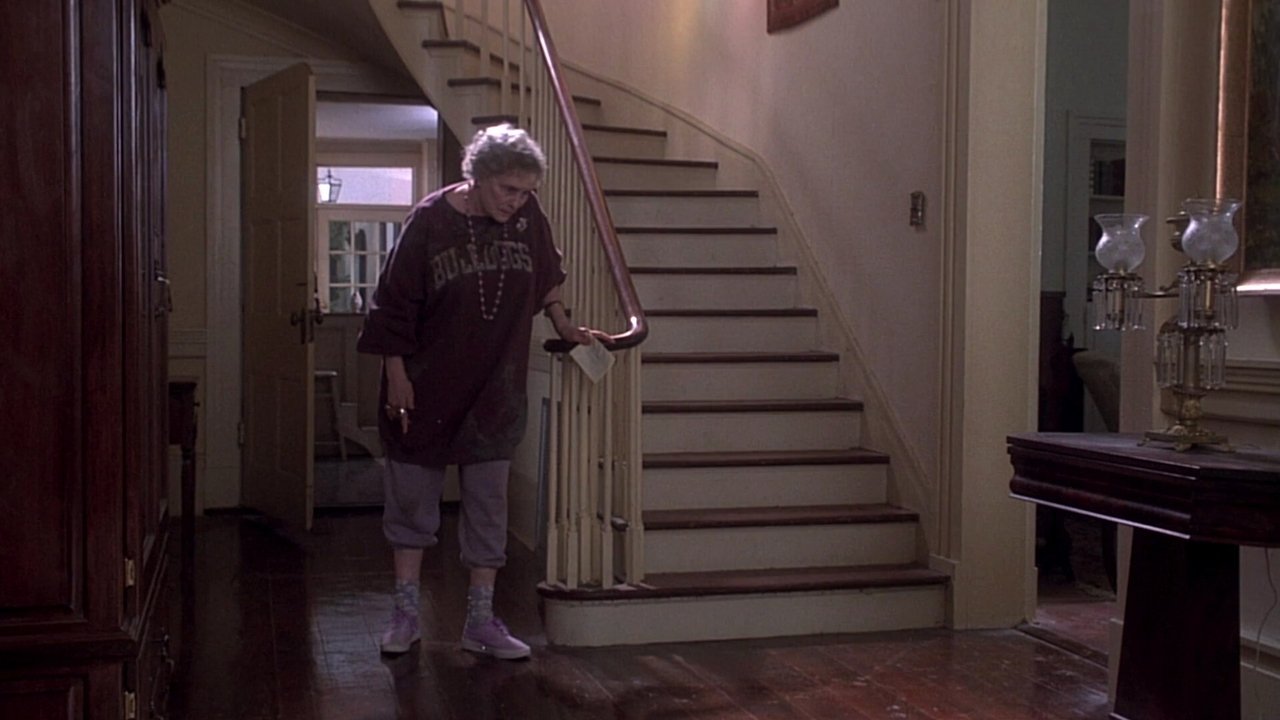
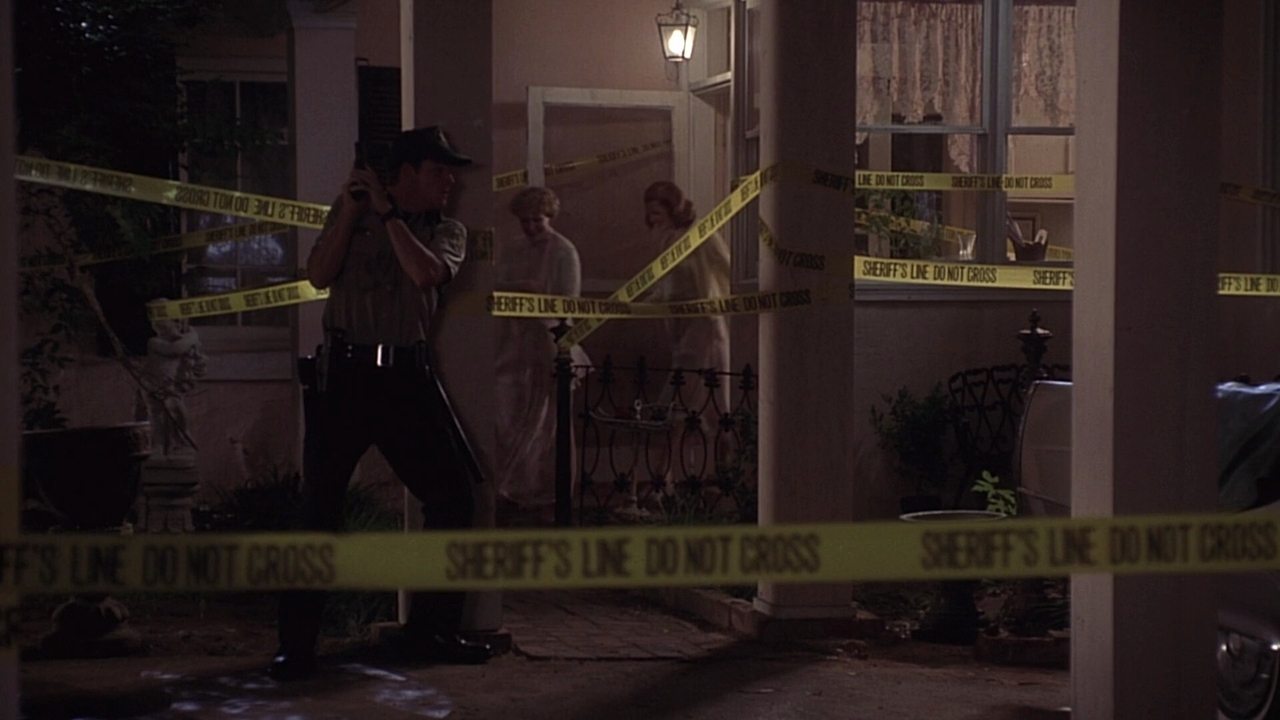
The film transports us to the sleepy town of Holly Springs, Mississippi, a place where everyone knows everyone, secrets simmer beneath the surface of polite society, and the annual Easter play is the event of the season. At the heart of it all is Jewel Mae "Cookie" Orcutt, played with serene grace by the legendary Patricia Neal (in a lovely late-career role that felt like welcoming back an old friend). Cookie, weary and missing her late husband Buck, decides it's her time to join him. The crux of the plot hinges on what happens next: her high-strung, image-obsessed niece Camille (Glenn Close) discovers the body and, horrified at the perceived shame of suicide in their family, stages it to look like a robbery-murder. This impulsive act sets off a chain reaction, pulling in Cookie's other niece, the sweetly naive Cora (Julianne Moore), Cora's rebellious daughter Emma (Liv Tyler), and crucially, Willis Richland (Charles S. Dutton), Cookie's loyal friend and caretaker, who quickly becomes the prime suspect.
What unfolds isn't a tense thriller, but rather a gentle, almost comedic examination of community, family ties (however frayed), and the often absurd ways people try to control narratives, especially their own. Altman, a master director known for films like MASH* (1970) and Nashville (1975), employs his signature style here to masterful effect. Conversations overlap, characters drift in and out of frame, and the camera often feels like a curious observer simply capturing the rhythms of life in Holly Springs. It’s a style that demands patience but rewards it immensely, allowing the personalities and the place itself to breathe.
### An Ensemble Cast for the Ages
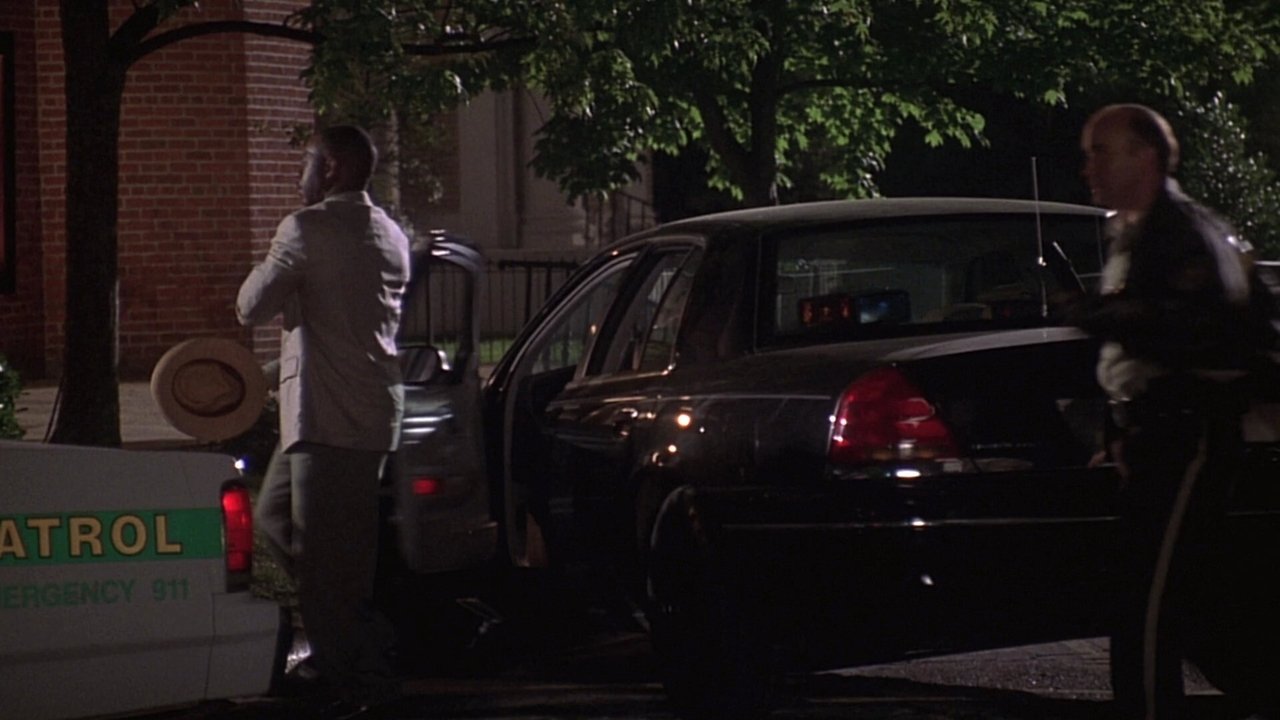
The performances are the absolute soul of Cookie's Fortune. Glenn Close is wound tighter than a banjo string as Camille, a woman whose desperate need for control masks a profound insecurity. It’s a performance that could easily tip into caricature, but Close finds the fragile humanity beneath the frantic energy. Watching her try to orchestrate the chaos she created is both hilarious and strangely poignant. In stark contrast, Julianne Moore brings a wonderful vulnerability and dim-witted sweetness to Cora, Camille’s sister and reluctant accomplice. Her interactions with Liv Tyler, as the headstrong but good-hearted Emma, provide some of the film's most genuine emotional beats. Tyler, fresh off global mega-stardom from Armageddon (1998), slips effortlessly into this ensemble, her natural screen presence grounding Emma’s youthful defiance.
But perhaps the film's quiet anchor is Charles S. Dutton as Willis. Accused of a crime he didn't commit, Willis carries himself with a quiet dignity and resignation that speaks volumes about the racial and social undercurrents of the town. His bond with Cookie felt utterly real, built on years of shared history and quiet understanding. Dutton's understated performance is powerful, conveying deep wells of emotion with minimal dialogue. It’s a testament to his skill, and to Altman’s trust in his actors, that Willis becomes the moral center of the film without ever needing to shout. The supporting cast, including Ned Beatty, Courtney B. Vance, Donald Moffat, and Lyle Lovett, are equally pitch-perfect, fleshing out the quirky ecosystem of Holly Springs.
### Southern Comfort and Subtle Truths
Anne Rapp’s screenplay, reportedly inspired by her own experiences and acquaintances in the South, feels authentic. It avoids condescending stereotypes, instead finding humor and truth in the specific eccentricities of its characters and their environment. Shooting on location in Holly Springs itself was a masterstroke, lending the film an undeniable sense of place. You can almost feel the Mississippi heat radiating off the screen. David A. Stewart's (yes, that Dave Stewart from Eurythmics) blues-infused score perfectly complements the mood, adding another layer of Southern flavor.
Interestingly, for an Altman film, known for its sprawling narratives and often cynical edge, Cookie's Fortune possesses a surprising warmth and optimism. It acknowledges the town's flaws – the casual racism, the class divides, the stifling social expectations – but ultimately celebrates the bonds of community and chosen family. There's a sense that, despite the secrets and misunderstandings, these people are fundamentally connected and, in their own flawed ways, look out for each other. Did Altman mellow slightly in his later years, or did this particular story simply call for a gentler touch? Whatever the reason, the result is uniquely satisfying.
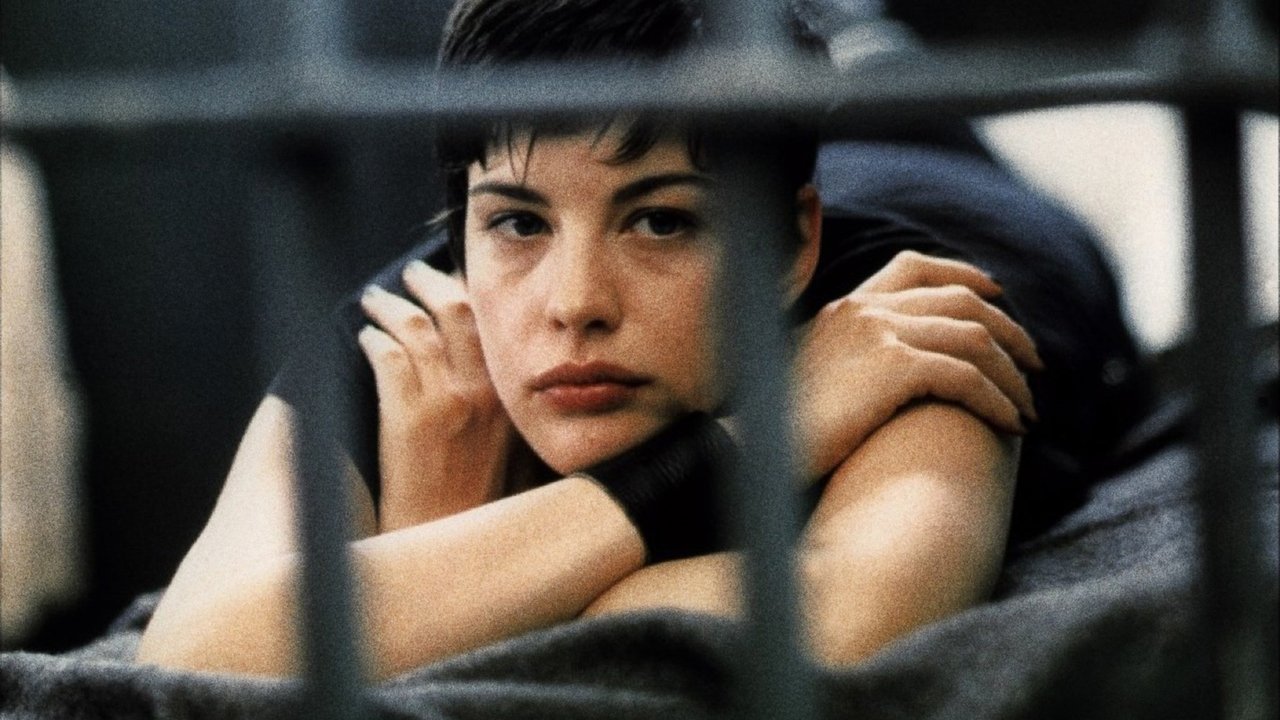
The film wasn’t a massive box office hit (grossing around $11 million against its $10 million budget), but it received considerable critical acclaim, particularly praising Altman’s direction and the ensemble cast. It felt like finding a hidden gem on the rental shelf back then, a welcome respite from louder, less thoughtful fare.
Rating: 8.5/10
This score reflects the film's masterful ensemble acting, Altman's signature directorial touch perfectly suited to the material, its authentic sense of place, and its gentle, humanistic spirit. It might lack the explosive impact of some VHS-era classics, but its subtle charms and rich characters offer a deeply rewarding viewing experience. Cookie's Fortune lingers like a fond memory of a lazy summer afternoon – warm, slightly melancholic, and full of quiet truths about the messy, complicated, and ultimately enduring nature of human connection. It’s a reminder that sometimes the most compelling stories are found not in grand gestures, but in the intimate details of ordinary lives.