### A Sprawling Canvas of Ordinary Lives

Some films don't grab you with plot twists or explosions; they seep into you, unspooling lives like tangled threads against a vast, indifferent backdrop. Robert Altman's Short Cuts (1993) is precisely that kind of cinematic experience. It doesn't offer easy answers or neat resolutions. Instead, it presents a sprawling, Altman-esque tapestry woven from the short stories and poetry of Raymond Carver, relocating his typically Pacific Northwest settings to the sun-drenched, yet strangely melancholic, suburbs of Los Angeles. Watching it again after all these years, it feels less like a movie and more like eavesdropping on the messy, overlapping anxieties and fleeting moments of grace that define modern existence.
### From Page to Altman's Stage
Adapting Carver is no small feat. His prose is famously minimalist, powerful in its omissions and quiet desperation. Altman, along with co-writer Frank Barhydt, didn't just adapt; they absorbed Carver's world. They took characters and situations from nine stories and one poem, intertwining them, letting them brush past each other in ways both profound and utterly mundane. It's a gamble that pays off spectacularly, creating a uniquely Altman film that nonetheless honours Carver's spirit. Remember Altman's signature overlapping dialogue, that feeling of conversations bleeding into one another just like in real life? He perfected it in films like Nashville (1975) and The Player (1992), and here it masterfully underscores the simultaneous connection and isolation of these Angelenos. These aren't just characters occupying the same city; they feel like neighbours you might vaguely know, whose lives unfold in parallel dimensions until chance, or sometimes tragedy, forces an intersection.
### The Human Mosaic
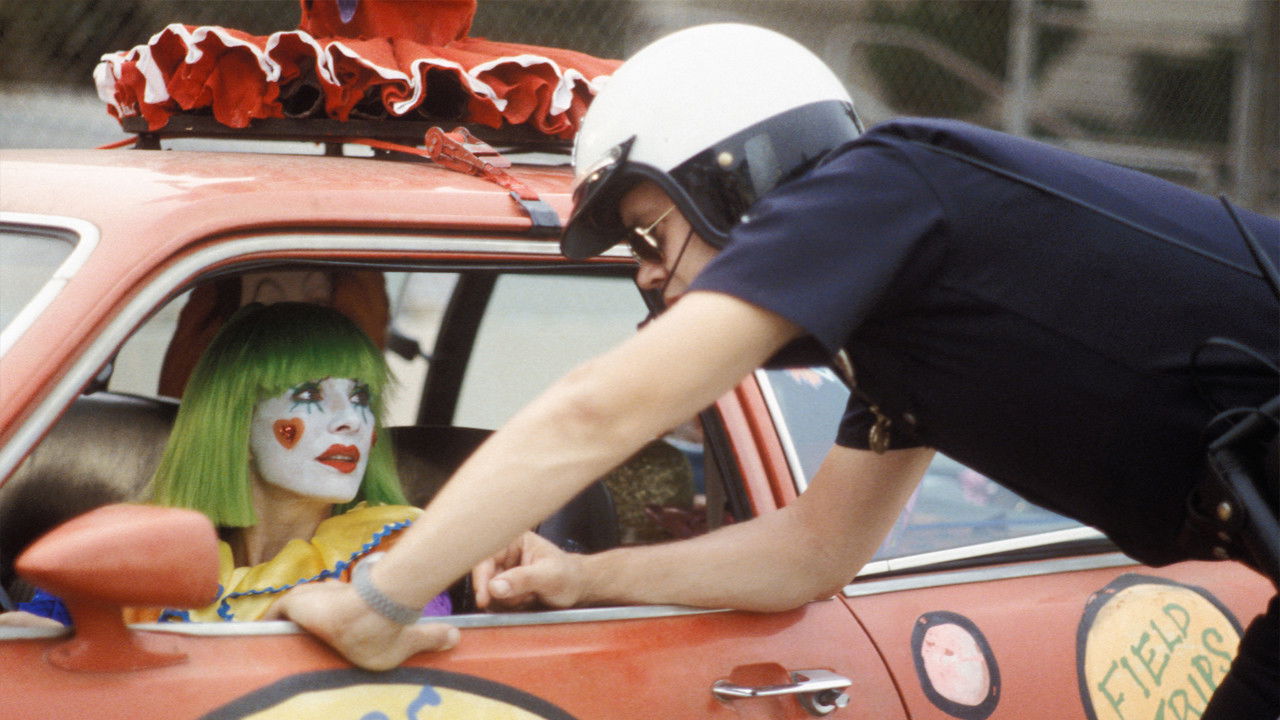
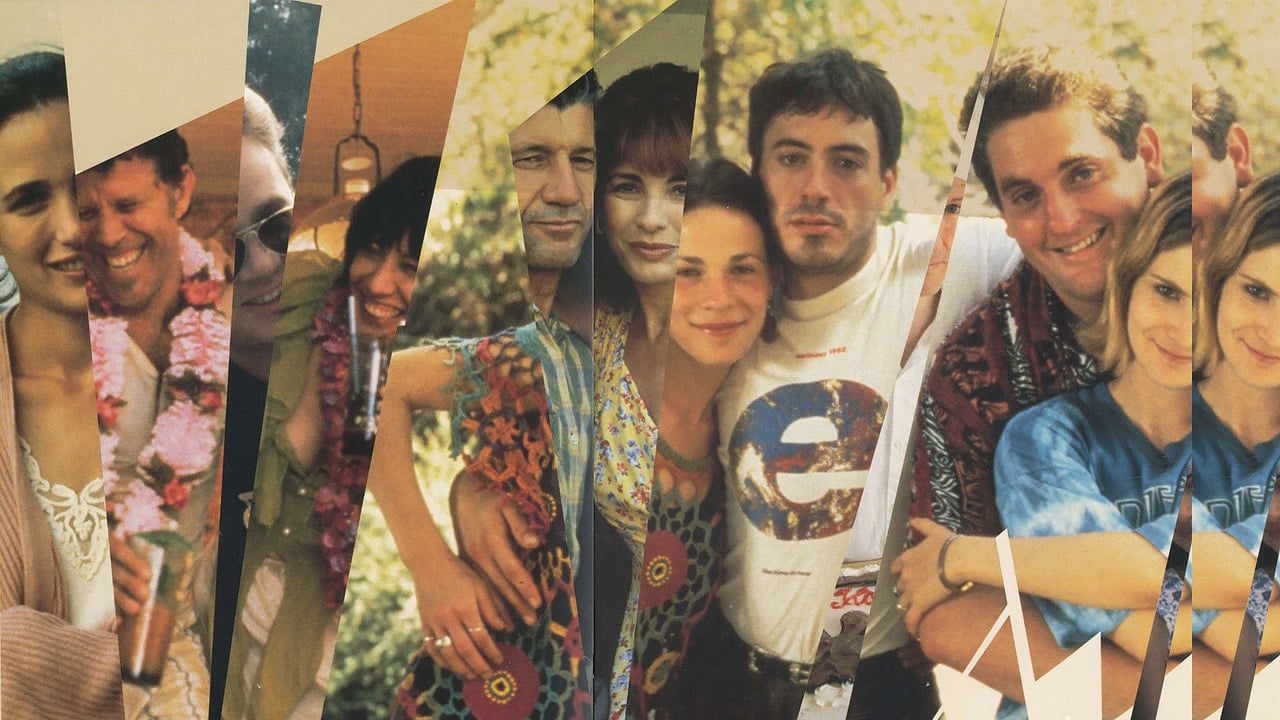
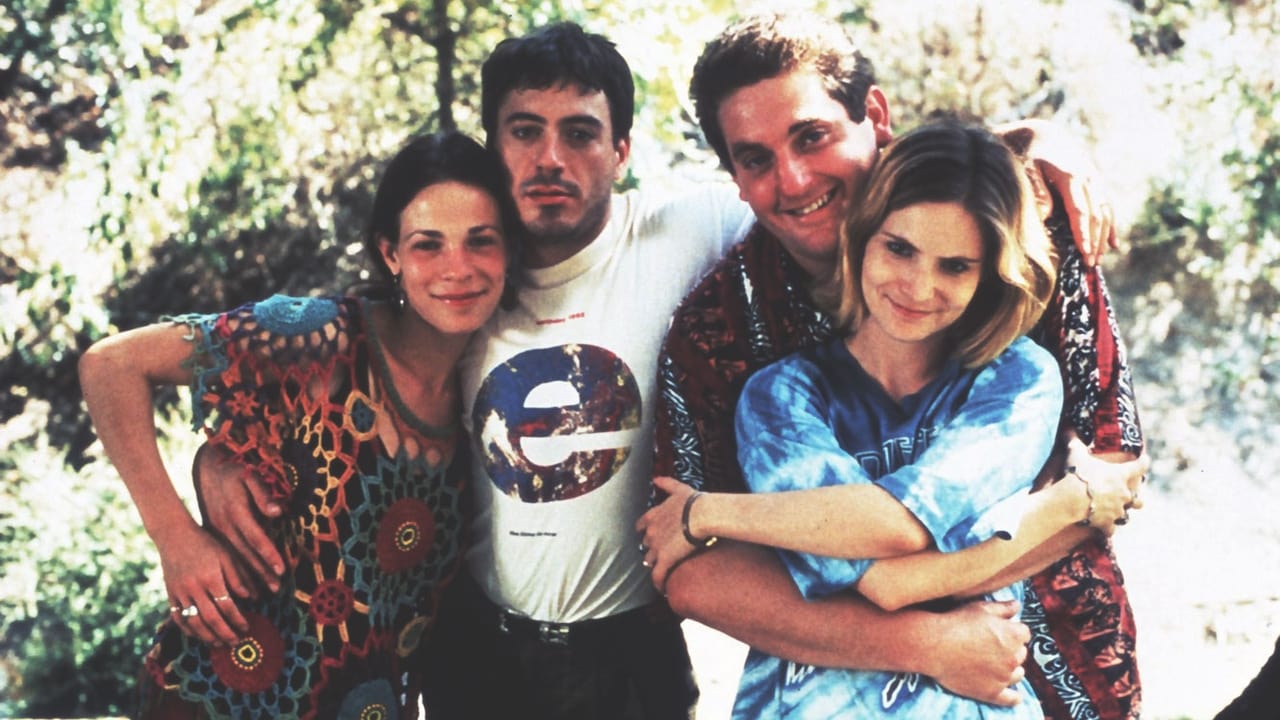
Trying to summarise the plot of Short Cuts is like trying to hold water in your hands. It’s about everything and nothing. A doctor (Bruce Davison) and his wife (Andie MacDowell) grapple with the aftermath of their son's accident; pool cleaner Jerry (Chris Penn) fumes about his wife's (Jennifer Jason Leigh) phone sex work; a baker (Lyle Lovett) torments the grieving parents; waitresses (Lily Tomlin, Lili Taylor) navigate dead-end jobs and difficult men; a troubled cop (Tim Robbins) fabricates stories for his wife (Madeleine Stowe); jazz singer Tess (Annie Ross, acting almost as a world-weary Greek chorus) observes it all from her nightclub stage. And hovering over many of these threads is the discovery of a young woman's body in a river by a group of fishermen (Fred Ward, Huey Lewis, Buck Henry) – an event treated with unsettling casualness that speaks volumes about moral drift.
The performances are, across the board, staggering in their authenticity. This isn't movie-star acting; it's lived-in behaviour. Think of Jack Lemmon's heartbreaking confession as the estranged father Paul Finnigan, a late-film gut punch delivered with devastating quietude. Or Julianne Moore's unforgettable monologue as Marian Wyman, discussing her sister's death with shocking candour while completely naked from the waist down – a scene Altman reportedly decided to shoot that way on the day, asking Moore if she was comfortable doing so to heighten the raw vulnerability. It's a moment that feels utterly truthful to the character's messy grief and disregard for convention. Even smaller roles, like Tom Waits and Lily Tomlin as the perpetually soused Earl and Doreen Piggot, resonate with a weary, lived-in chemistry. It’s a masterclass in ensemble acting, guided by a director famous for giving his actors room to breathe and discover.
### Beneath the California Sun
Altman uses Los Angeles not just as a setting, but as a character. The endless freeways, the suburban sprawl, the swimming pools, the looming threat of "the big one" (manifested here in a subtle, unsettling earthquake sequence) – it all contributes to a sense of disconnection despite proximity. The bright sunshine seems almost ironic against the muted desperation playing out in these homes and workplaces. Mark Isham's cool, often melancholic jazz score weaves through the narrative, sometimes diegetic, sometimes not, further enhancing the film's specific, slightly detached mood.
One fascinating production tidbit involves the source material itself. Carver's widow, the poet Tess Gallagher, was initially hesitant about the adaptation but ultimately became supportive, even visiting the set. Altman's respect for the source material, even while fundamentally transforming it into his own sprawling vision, is evident. The film cost around $10.7 million – fairly modest for such a star-studded cast – and while critically lauded (winning the Golden Lion at the Venice Film Festival), its challenging nature and lengthy runtime (over three hours) meant it wasn't exactly a multiplex sensation, earning just over $6 million domestically. Yet, its reputation as a significant piece of 90s cinema has only grown.
### Lasting Vibrations
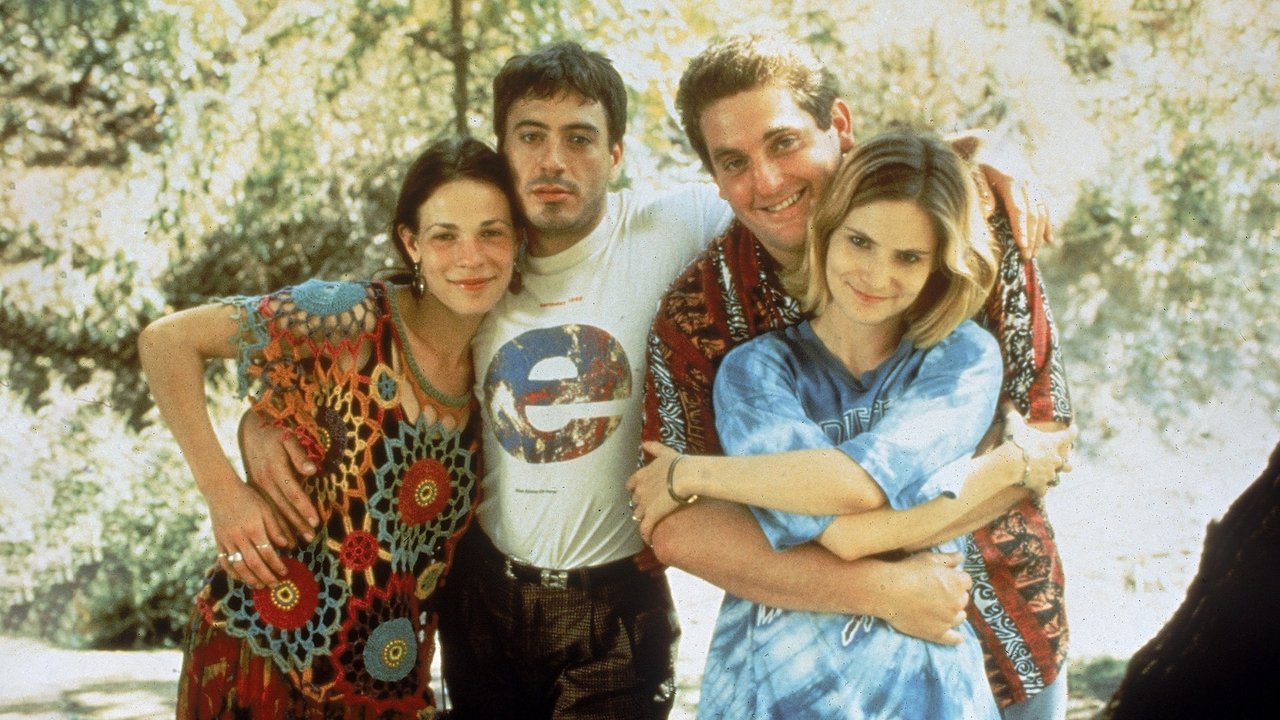
Does Short Cuts feel dated? Perhaps in some superficial ways – the cars, the phones, the distinct lack of internet weaving through lives. But the core human experiences it portrays – marital tension, parental fear, infidelity, loneliness, the search for meaning in the everyday, the sudden intrusion of mortality – feel utterly timeless. It doesn't offer catharsis in the traditional sense. You leave the film feeling contemplative, maybe a little unsettled, carrying fragments of these lives with you. What lingers most is the profound sense that beneath the surface of ordinary life, extraordinary currents of emotion – pain, love, anger, yearning – are constantly flowing, occasionally breaking through in unexpected ways. It reminds us that everyone we pass on the street contains a universe of complexity, even if we only ever catch a fleeting glimpse.
Rating: 9/10
This score reflects the film's towering ambition, Altman's masterful direction, the uniformly brilliant ensemble cast, and its unflinching, deeply humane portrait of modern life. It's a demanding watch, certainly not a casual Friday night rental from Blockbuster back in the day unless you were prepared for something substantial, but its artistry and emotional depth are undeniable. Short Cuts remains a powerful, resonant piece of filmmaking, a complex mosaic that continues to reveal new facets with each viewing. It's a film that asks us to simply watch, listen, and perhaps recognise something of ourselves in the beautiful, messy sprawl.