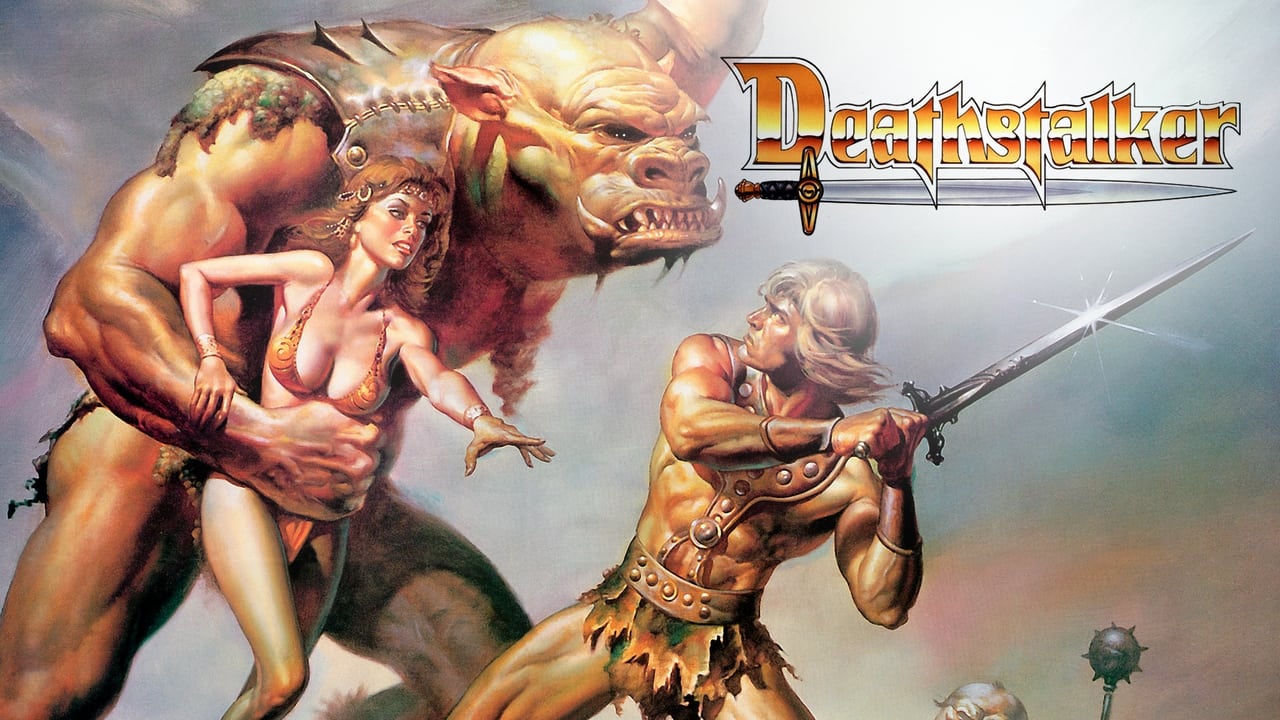
Alright, fellow tapeheads, slide that worn copy of Deathstalker into the VCR, maybe give the tracking a little nudge, and let's journey back to 1983. If your local video store had a "Sword & Sorcery" section (and didn't they all?), this cover art likely screamed at you from the shelf – a muscle-bound warrior, a damsel (or two), maybe some ominous magic glow. Forget nuance; this was pure, unadulterated pulp fantasy, delivered with the kind of charmingly rough edges that defined the era, and frankly, defined a lot of Saturday nights back in the day.
### Straight Outta Corman's Kingdom
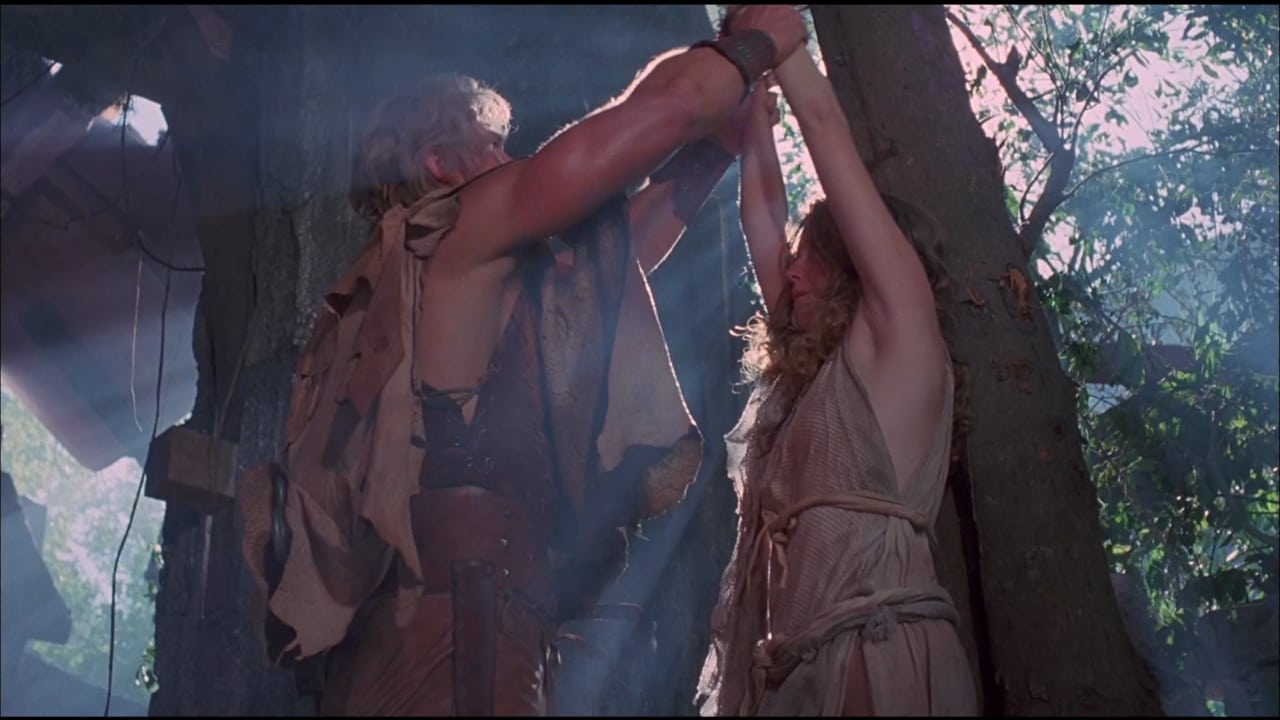
You can't talk about Deathstalker without invoking the name Roger Corman. Produced under his New World Pictures banner, this film feels like a Corman joint from frame one. Shot primarily in Argentina to stretch every penny – a classic Corman move that gave many of his 80s productions a distinct, slightly off-kilter look – Deathstalker aimed squarely at the burgeoning home video market and the lingering post-Conan the Barbarian hunger for loincloth-clad heroes. The script, penned by Howard R. Cohen (who also gave us the wonderfully weird Saturday the 14th), doesn't exactly reinvent the wheel. Our hero, the titular Deathstalker (Rick Hill, possessing the requisite physique and a stoic charm), is tasked by an old witch to gather three magical MacGuffins – a chalice, an amulet, and a sword – before the nefarious sorcerer Munkar (Bernard Erhard, chewing scenery with delightful villainy) can unite them.
What follows is a quest filled with encounters that feel like they were ripped straight from a Dungeons & Dragons campaign run slightly off the rails. There are pig-faced mutants (a wonderfully grotesque bit of practical makeup!), treacherous allies, and a grand tournament sequence that serves as the film's centerpiece. Director James Sbardellati (sometimes credited as John Watson, perhaps to add a touch of mystery?) keeps things moving at a brisk pace, never letting plot intricacies get in the way of the next sword fight or opportune moment for our hero to flex.
### Swords, Sorcery, and... Well, You Know
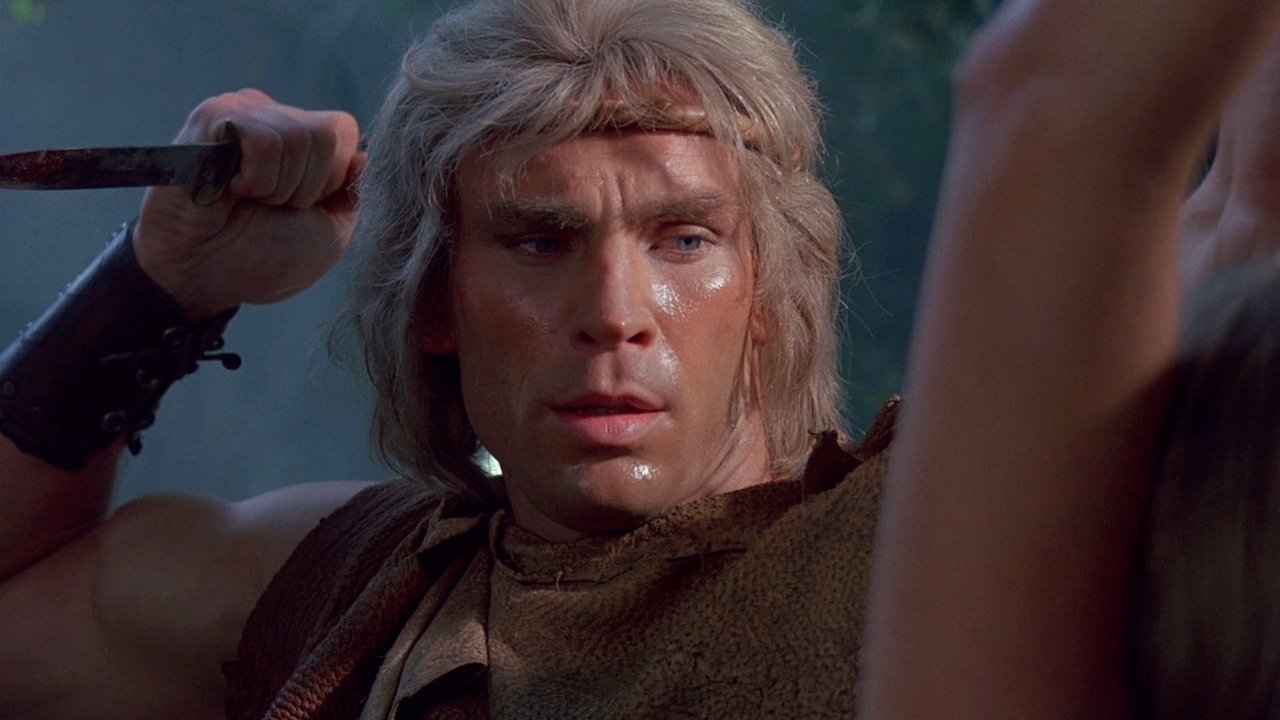
Let's be honest, a significant part of Deathstalker's original appeal, especially in the less discerning rental days, was its liberal dose of skin. Barbi Benton, already famous beyond acting circles, plays the captive Princess Codille with a certain game enthusiasm, spending a fair amount of screen time strategically un-draped. It was the 80s, and for better or worse, exploitation elements were often baked into the genre formula. Looking back, it’s undeniably gratuitous, a hallmark of the low-budget, market-driven approach, but it’s also part of the film's weird, time-capsule charm. It doesn't shy away from what it is. Fun trivia point: Keep an eye out for Lana Clarkson in a supporting role; she became a Corman regular and a cult figure in her own right before her tragic end years later.
But beyond the T&A, there's a genuine earnestness to the fantasy elements. The sets might be constructed from plywood and hope, the costumes look like they raided a community theater's medieval faire bin, but there's an undeniable effort there. They were making a fantasy world on a shoestring, and you can feel the crew working hard to make it happen. Remember those slightly dodgy matte paintings trying to suggest grand castles? Pure VHS magic.
### Stunts Before Silicon
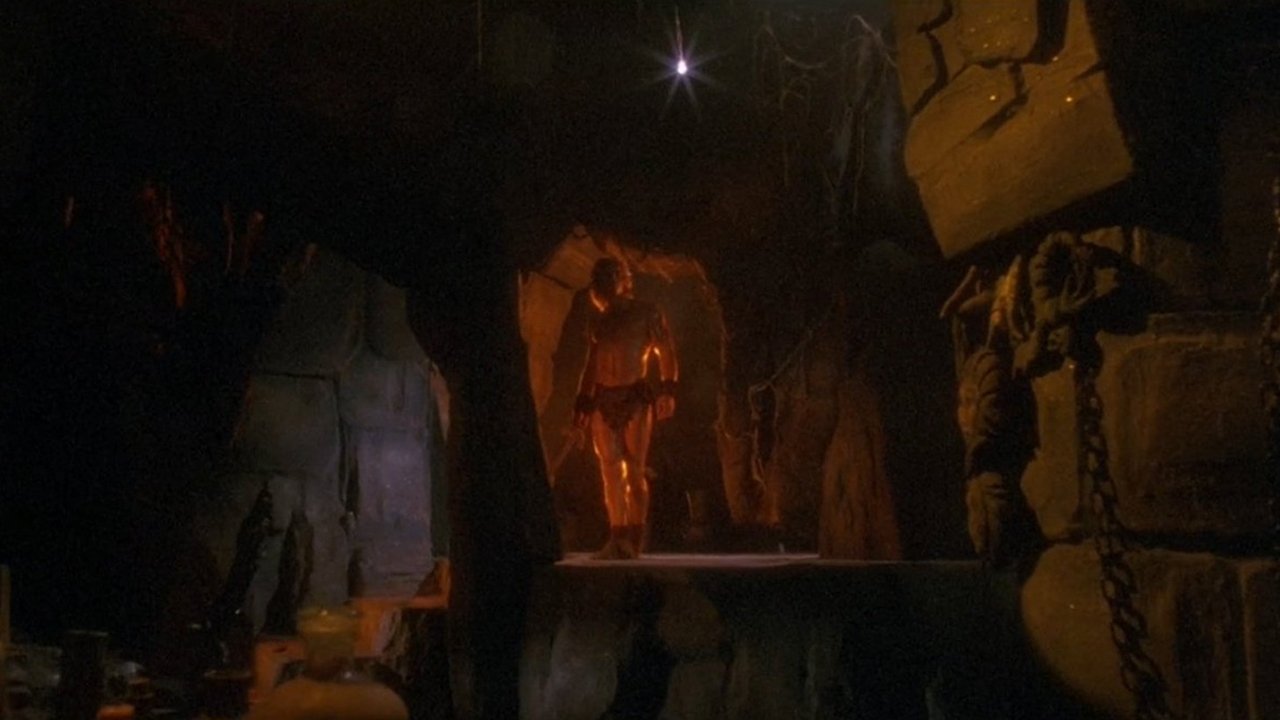
Where Deathstalker truly delivers that gritty 80s punch is in its action. Forget sleek CGI warriors; this is all about sweaty dudes swinging heavy-looking props at each other. The sword fights aren't elegant ballets, they're clanging, forceful encounters. When someone gets thrown, you feel the impact because it was likely a real stunt performer hitting the (thinly padded) ground. There’s a visceral quality to the practical effects, even the slightly cheesy ones. Remember the unsettling vibe of those pig-men? That was achieved with makeup and prosthetics, not pixels, giving them a tangible, almost nightmarish presence that digital creatures sometimes lack.
One name fans of the era will recognize is Richard Brooker, playing the warrior Oghris. Just the year before, Brooker had terrified audiences as Jason Voorhees in Friday the 13th Part III! Seeing him here, sans hockey mask and wielding a sword, is a great bit of casting context for horror buffs. The action choreography might seem basic by today's standards, lacking the intricate wire-fu or complex camerawork we often see now, but it has a raw, physical honesty that was compelling back then. Wasn't there something satisfying about those solid thwacks and clangs echoing through the TV speakers late at night?
### Legacy on Magnetic Tape
Critically savaged upon release? You bet. Did it matter? Not one bit to the audience renting it on a Friday night. Deathstalker found its tribe on VHS. It was precisely the kind of movie that thrived in the rental era – eye-catching cover, simple premise, delivering exactly what it promised (action, fantasy, a bit of R-rated spice). It was successful enough to spawn three sequels of varying quality, solidifying its place in the Corman canon and the annals of 80s fantasy B-movies. My own tape got rewound so many times the picture started to get fuzzy in the best spots. It wasn't high art, but it was undeniably fun, a perfect slice of escapism from a time when fantasy films didn't need nine-figure budgets to find an audience.
---

Rating: 6.5 / 10
Justification: Deathstalker isn't a conventionally "good" movie by critical standards. The acting is often wooden, the plot is derivative, and the production values scream "low budget." However, within the specific niche of 80s Corman-esque sword-and-sorcery flicks viewed through a nostalgic VHS lens, it delivers. It's energetic, features some entertainingly practical creature effects and committed stunt work, and perfectly captures the exploitative-yet-earnest vibe of the era. The score reflects its high entertainment value for fans of this specific subgenre and its status as a quintessential piece of VHS history, balanced against its obvious technical and artistic limitations.
Final Thought: Forget epic scope; Deathstalker is glorious, gritty, sometimes goofy, sword-swinging comfort food cinema, best enjoyed with low expectations and a high tolerance for 80s cheese – a true artifact of the video store dungeon crawl.