It always felt like an event, didn't it? Plucking one of those hefty, double-cassette VHS boxes from the rental shelf. You knew you were in for something substantial, something that demanded more than just a casual Friday night viewing. And few films filled those twin tapes with quite the same weight, both literally and cinematically, as Ingmar Bergman's 1982 opus, Fanny and Alexander. This wasn't your typical blockbuster rental; encountering it amidst the action heroes and horror icons felt like uncovering a hidden, more profound world within the video store itself.

A Tale of Two Worlds
At its heart, Fanny and Alexander unfolds through the wide, perceptive eyes of young Alexander Ekdahl (Bertil Guve) and his sister Fanny (Pernilla Allwin). We are first welcomed into the warm, chaotic, and utterly enchanting embrace of the Ekdahl family in Uppsala, Sweden, circa 1907. Their world is one of theatre, feasts, laughter, love affairs, and a benign acceptance of human frailties. Bergman, drawing significantly from his own childhood memories, paints this early section with colours so rich and textures so vivid, you can almost smell the Christmas pine and taste the festive food. The family patriarch, Oscar (Allan Edwall), runs the local theatre, and his wife Emilie (Ewa Fröling), a talented actress, is the loving heart of the household, presided over by the wise, matriarchal grandmother Helena (Gunn Wållgren, in a luminous final performance). It’s a world brimming with life, magic, and the comforting clutter of generations living fully, if imperfectly.
Descent into Shadow
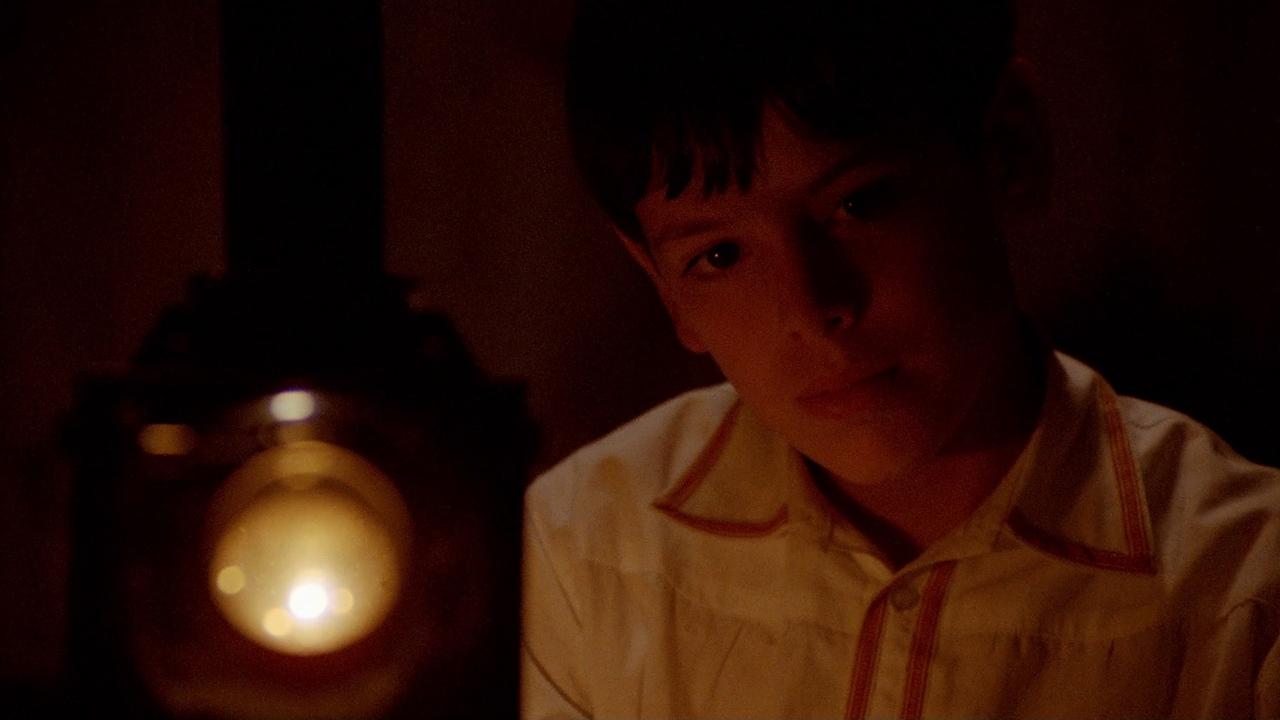
But Bergman, master chronicler of the human soul's darker passages, doesn't allow this idyll to last. Following Oscar's sudden death, Emilie makes a decision that irrevocably shatters the children's world: she marries the local Bishop, Edvard Vergérus (Jan Malmsjö). The transition is jarring, deliberate. The warmth, colour, and freedom of the Ekdahl home are replaced by the Bishop's residence – a place of stark austerity, rigid dogma, chilling silence, and suffocating control. Malmsjö's performance as Vergérus is unforgettable; he embodies a chilling form of piety where control masquerades as care, and cruelty is cloaked in righteousness. His quiet pronouncements and sudden flashes of rage are genuinely terrifying, creating an antagonist who feels disturbingly real. It’s here that Alexander, sensitive and imaginative, becomes the focal point of resistance, his inner world a refuge against the Bishop’s oppressive regime.
Through a Child's Eyes, Darkly
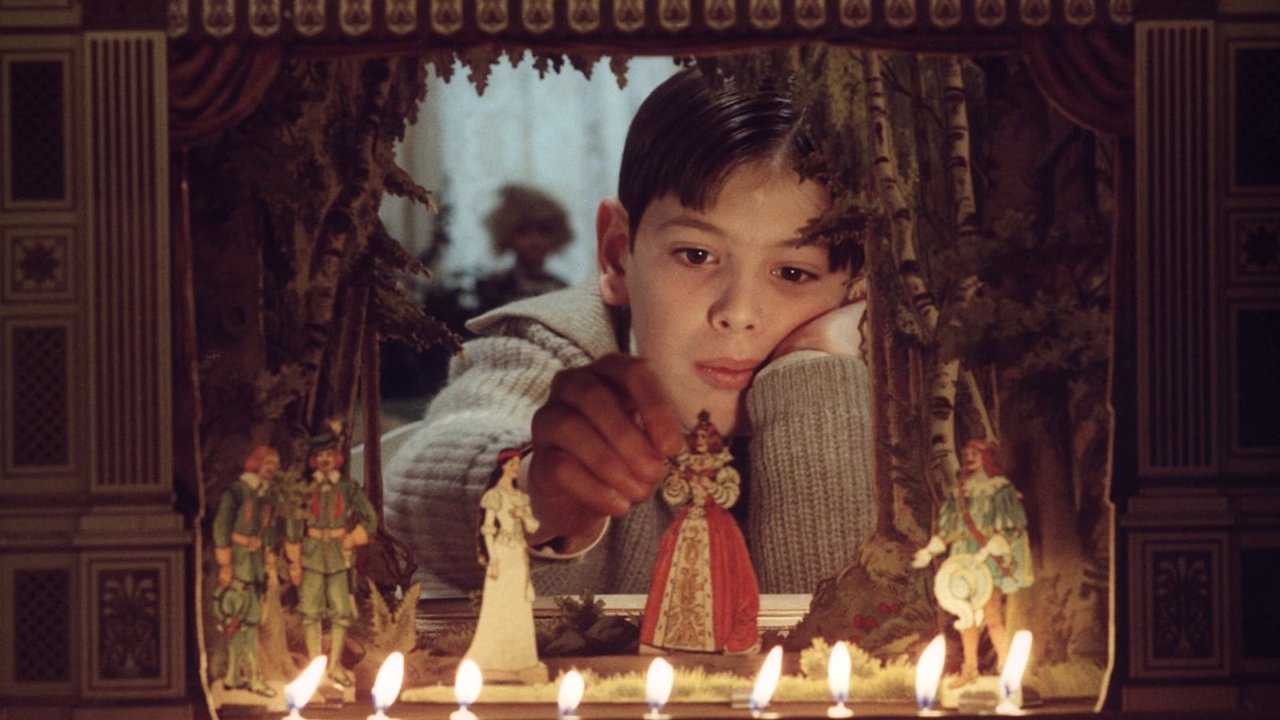
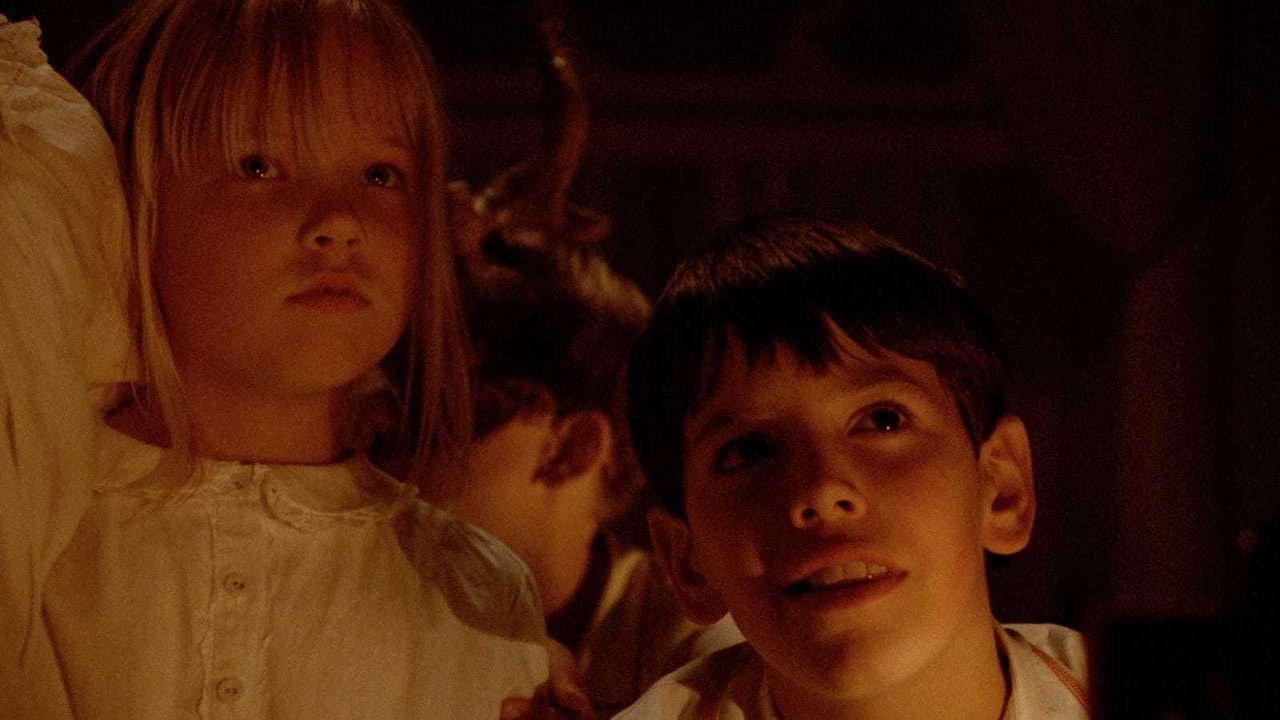
What makes Fanny and Alexander so compelling is its grounding in the children's perspective, particularly Alexander's. Bergman captures that unique blend of childhood perception: the sharp observation of adult hypocrisy, the tendency to blur fantasy and reality, and the potent force of imagination as both a shield and a weapon. Guve's performance as Alexander is remarkable – watchful, defiant, and carrying the weight of experiences far beyond his years. We see the Bishop's cruelty not just as viewers, but through the lens of a child trying to comprehend and survive it. Does Alexander's imagination conjure ghosts, or are they somehow real within the film's shifting reality? Bergman leaves it beautifully ambiguous, suggesting perhaps that the stories we tell ourselves are as real as anything else.
A Tapestry of Life (and Film History)
Intended by Bergman as his farewell to filmmaking (though he thankfully continued writing and directing for television), Fanny and Alexander feels like a summation of his life's work, exploring familiar themes – faith, doubt, family dysfunction, the search for meaning, the thin veil between life and performance – but with a newfound generosity and warmth, at least in its initial and final acts. The production itself was monumental for Swedish cinema at the time. While most of us likely rented the (still substantial) 188-minute theatrical version, it’s worth knowing it originated as a 312-minute television miniseries, allowing for even deeper immersion into the Ekdahl saga. The film's visual splendour, captured by legendary cinematographer Sven Nykvist, rightfully earned one of its four Academy Awards (including Best Foreign Language Film). Seeing that richness translate even onto a CRT screen via VHS felt like a minor miracle back then. The sheer detail in the sets and costumes spoke volumes about the two contrasting worlds the children inhabit.
The film isn't just about the central conflict; it’s populated by a rich ensemble cast representing different facets of life. Jarl Kulle as the hedonistic Uncle Gustav Adolf and Erland Josephson as the enigmatic Jewish antique dealer Isak Jacobi, who becomes instrumental in the children’s fate, add layers of complexity and even moments of unexpected grace and mystery. Josephson's character, in particular, introduces a touch of the mystical, blurring the lines between the natural and supernatural in a way that feels utterly organic to the story's fabric.
The Lingering Warmth
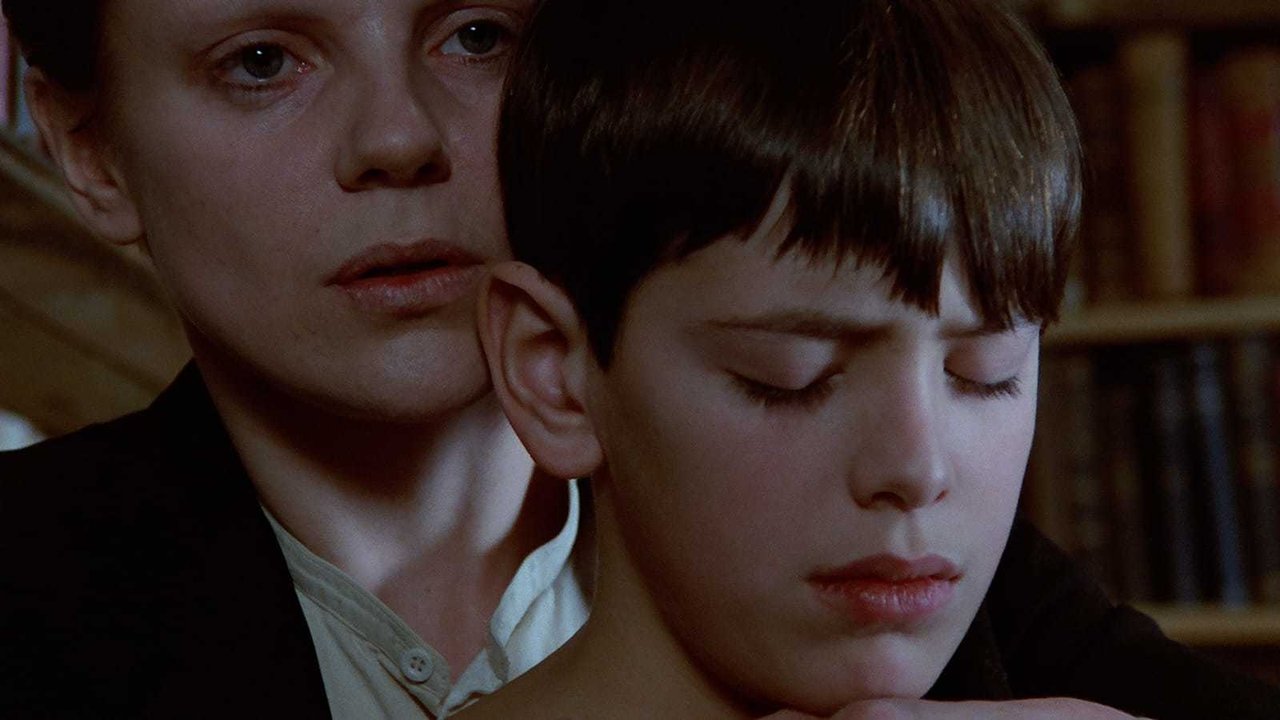
Watching Fanny and Alexander again after all these years, the overwhelming feeling is one of profound empathy. Empathy for the children navigating a world they didn't create, empathy for the flawed adults trying to find happiness or exert control, and empathy for the sheer, messy, beautiful, terrifying business of being alive. It explores the darkness, yes – the cruelty, the loss, the imprisonment – but ultimately, it affirms the resilience of the human spirit, the power of family (in all its forms), and the necessity of imagination and storytelling to make sense of it all. It reminds us that even in the harshest winters, the possibility of warmth and light persists. It’s a film that settles deep within you, a cinematic experience that feels less like watching a movie and more like living alongside a family for a few precious, tumultuous hours.
Rating: 10/10
This isn't just a great film; it's a monumental piece of cinema, a deeply personal yet universally resonant epic. The flawless performances, Bergman's masterful direction balancing intimacy and scale, Nykvist's breathtaking visuals, and the profound exploration of life's joys and sorrows make it essential. Its length is not an indulgence but a necessity, allowing us to fully inhabit the world and feel the weight of the characters' journeys. It earns a perfect score for its artistry, its emotional depth, and its enduring power.
It’s one of those tapes you might have rented, felt intimidated by, but ultimately, were incredibly glad you experienced. What lingers most is perhaps the quiet strength found in Alexander's gaze – a testament to the enduring power of the inner world against external tyranny.