Okay, fellow travelers in the flickering glow of the cathode ray tube, let's dim the lights, ignore the tracking lines for a moment, and settle in for something truly substantial from the vaults. Forget the neon-drenched action flicks or the synth-pop comedies just for tonight. We're pulling a tape off the shelf that carries a different kind of weight, a film that uses the structure of a mystery to peel back layers of uncomfortable truth. I’m talking about Norman Jewison's powerful 1984 drama, A Soldier's Story.

### The Heavy Air of Fort Neal
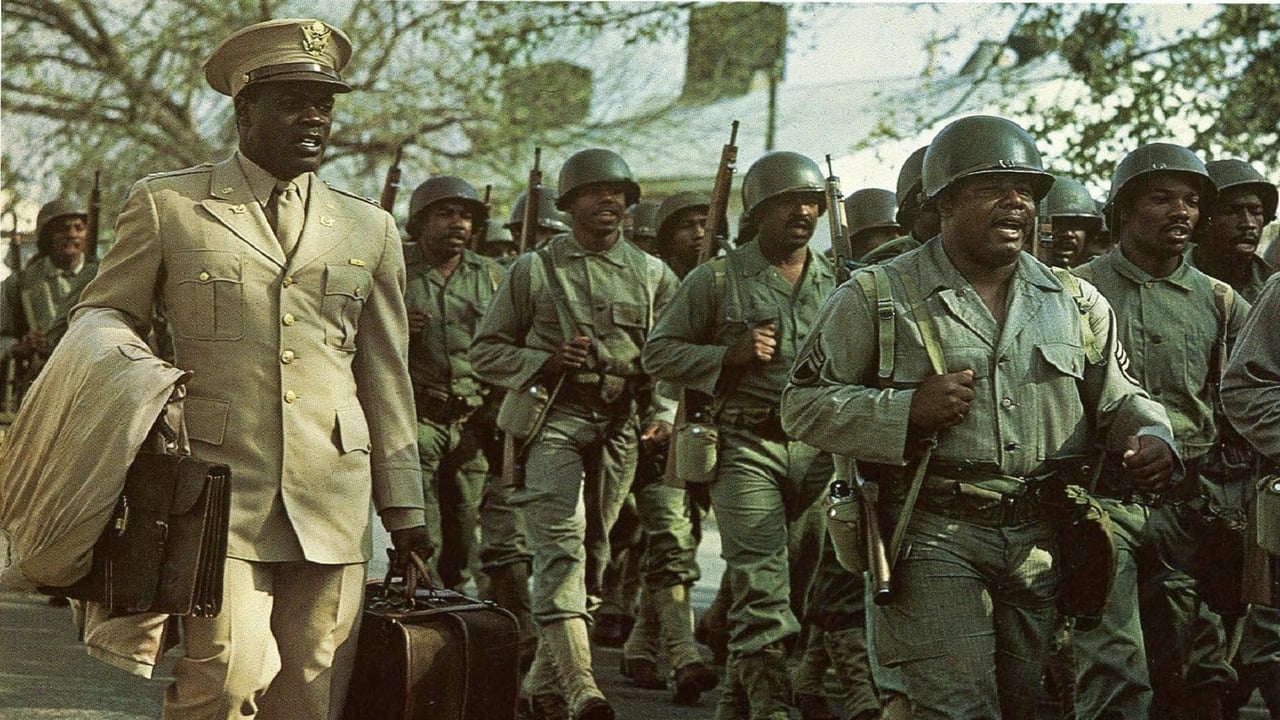
What strikes you first, even before the central narrative hook digs in, is the atmosphere. You can practically feel the oppressive Louisiana heat radiating off the screen, thick and inescapable, mirroring the simmering racial tensions at the segregated Fort Neal army base in 1944. This isn't just set dressing; it’s a palpable presence, a constant reminder of the pressure cooker environment these men inhabit. The film opens with a murder – the despised Sergeant Vernon Waters (Adolph Caesar) is gunned down – and the immediate assumption, fueled by the local white power structure, points towards the Klan. But the arrival of Captain Richard Davenport (Howard E. Rollins Jr.), a Black officer sent from Washington to investigate, signals that this story will refuse easy answers.
### An Officer and an Obstacle
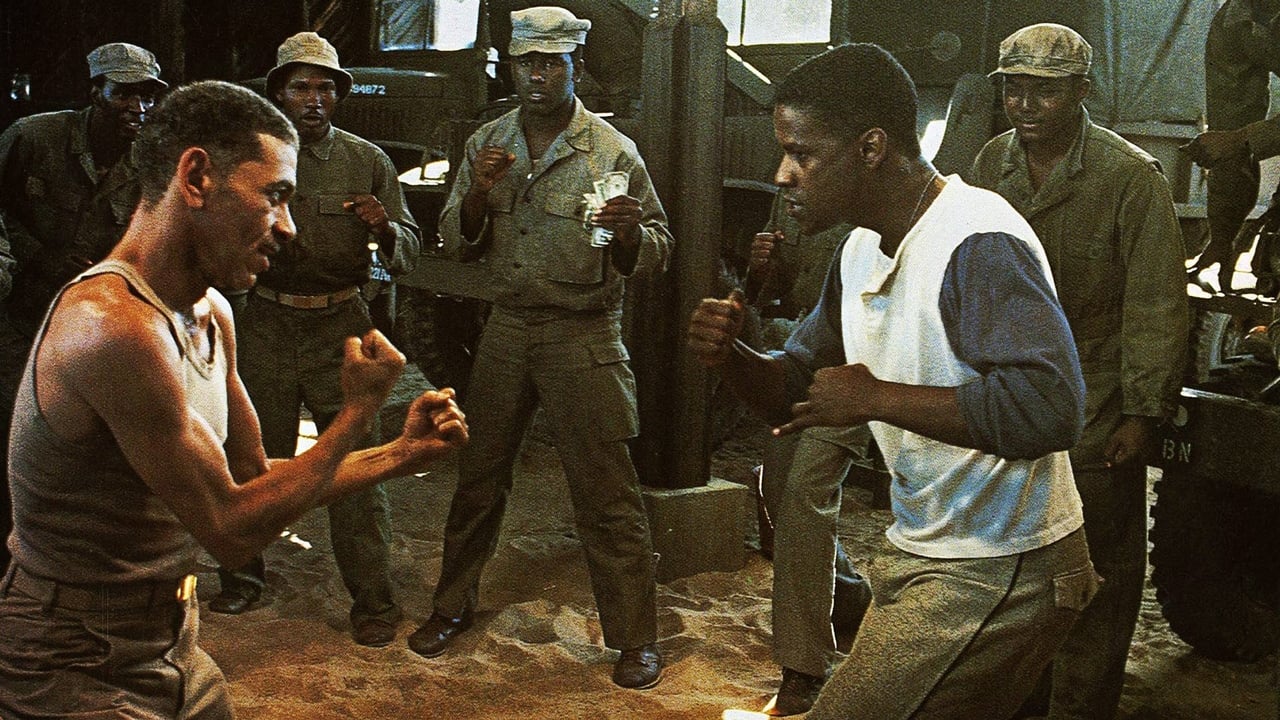
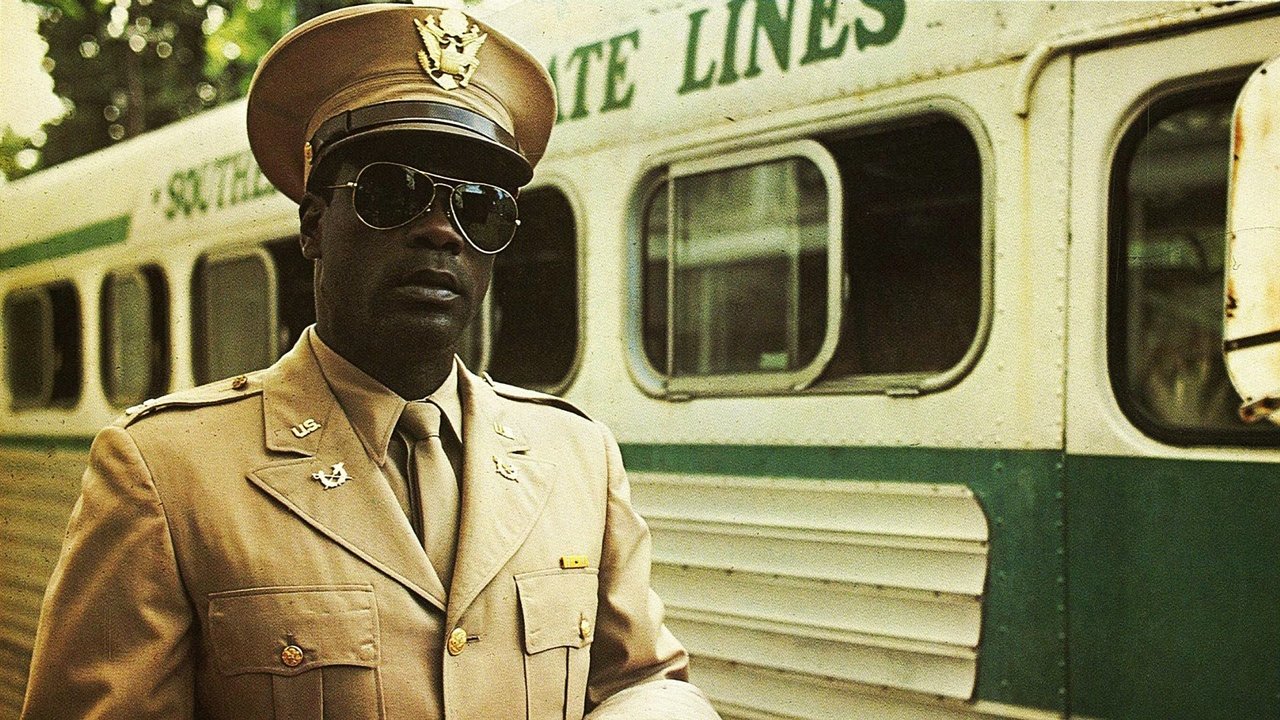
The casting of Howard E. Rollins Jr. as Davenport is pitch-perfect. He brings a quiet intensity, a sharp intellect simmering beneath a composed, regulation-correct exterior. Watching Davenport navigate the barely concealed hostility from the white commanding officer (played with brittle authority by Dennis Lipscomb) and the ingrained prejudices of the time is compelling theatre in itself. He’s an anomaly, an educated Black man wielding authority in a world determined to deny him that right, and Rollins Jr. conveys the weight of this position with subtle glances and measured tones. His mere presence forces characters, and the audience, to confront their biases. Remember seeing Rollins Jr. in Ragtime just a few years prior? He carried that same gravitas, that ability to communicate volumes with stillness.
### Unmasking the Victim
Where A Soldier's Story truly elevates itself is through its flashback structure, meticulously reconstructing the life and impact of the murdered Sergeant Waters. And oh, what a performance Adolph Caesar delivers. Reprising his role from the original stage play ("A Soldier's Play" by Charles Fuller, who also adapted it brilliantly for the screen), Caesar crafts a character of terrifying complexity. Waters isn't just a victim; he’s a deeply flawed, cruel, and ambitious man whose psyche has been warped by the pervasive racism he’s endured and internalized. He despises weakness in Black men, particularly those who conform to Southern stereotypes, believing their behavior holds back the entire race. Caesar embodies this self-loathing and venom with a chilling conviction that earned him a thoroughly deserved Academy Award nomination. There's a scene where he confronts C.J. Memphis (a young, heartbreakingly good Larry Riley), a gentle, guitar-playing private from Mississippi, that is almost unbearable to watch, showcasing the devastating consequences of Waters' twisted ideology.
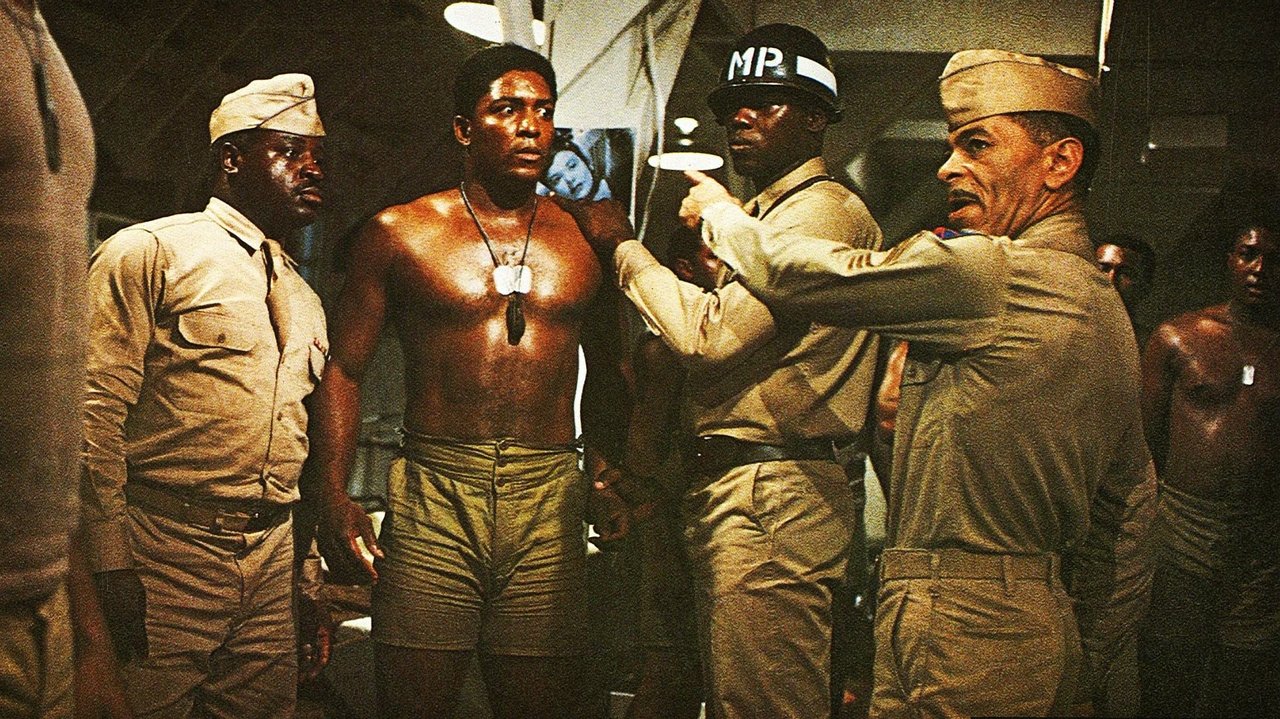
Retro Fun Fact: The transition from stage to screen was remarkably smooth, largely because Norman Jewison wisely retained much of the original Negro Ensemble Company cast, including Caesar, Denzel Washington (in an early, magnetic role as Private First Class Peterson), Robert Townsend, and David Alan Grier. This existing chemistry and deep understanding of the material undoubtedly contributes to the film's authenticity and power. Charles Fuller himself won the Pulitzer Prize for Drama for the play in 1982, a testament to the strength of the source material Jewison was working with.
### A Chorus of Voices
The investigation unfolds through Davenport's interviews with the men under Waters' command. Each conversation peels back another layer of the sergeant's character and the simmering resentments within the platoon. Seeing future stars like Denzel Washington navigate these complex emotional terrains is fascinating. Washington's PFC Peterson carries a simmering resentment and quiet defiance that foreshadows the commanding presence he would later become. These aren't just depositions; they are revelations of character, painting a collective portrait of men caught in a system designed to break them, either from external pressure or internal corrosion. What does it mean to serve a country that treats you as less than human, even as you prepare to fight its enemies abroad? The film doesn't flinch from posing this question.
### Jewison's Measured Hand
Director Norman Jewison, already renowned for tackling social issues head-on in films like In the Heat of the Night, directs with a steady, assured hand. He trusts the material and his actors, using unfussy cinematography (by Russell Boyd) and deliberate pacing to build tension. There are no flashy cinematic tricks here; the power lies in the performances and the slow, agonizing reveal of the truth. The score by the legendary Herbie Hancock is similarly understated, subtly underscoring the mood without ever becoming intrusive. It respects the gravity of the story.
Retro Fun Fact: Despite its heavy themes and potentially controversial subject matter for mainstream 1984 audiences, Columbia Pictures took a chance, budgeting the film at a relatively modest $6 million. Its critical acclaim and modest box office success proved there was an audience for thoughtful, challenging adult drama, even amidst the era's blockbusters. It felt like a significant film upon release, the kind people actually discussed afterwards.
Retro Fun Fact: The film was shot primarily on location at Fort Chaffee, Arkansas. Using a real military base, even one standing in for Louisiana, added a layer of verisimilitude that studio backlots often lack. You can almost smell the damp barracks and feel the regimented, yet subtly decaying, atmosphere of the place.
### Legacy of Truth
A Soldier's Story isn't always an easy watch. It confronts the insidious nature of internalized racism and the complexities of identity within an oppressive system with unflinching honesty. The mystery of who killed Sergeant Waters becomes secondary to the why – the exploration of the corrosive environment that created such a man and fostered such deadly resentment. How does a community, or an individual, survive when the poison comes not just from without, but also from within? The questions it raises about prejudice, justice, and the burden of representation still resonate profoundly today.
Rating Justification: 9/10 – This near-masterpiece earns its high score through its exceptional script, rooted in Pulitzer Prize-winning drama, and the powerhouse performances, particularly Adolph Caesar's unforgettable turn and Howard E. Rollins Jr.'s steady anchor. Norman Jewison's direction is intelligent and restrained, allowing the potent themes of racism, identity, and justice to unfold with devastating clarity. The atmosphere is thick and palpable, and the film's structure as a mystery-unraveling-character study is expertly handled. It only narrowly misses a perfect score perhaps due to a slightly deliberate pacing inherent in its stage origins, but this is a minor quibble for a film of such substance and lasting impact. Its unflinching look at complex racial dynamics within the military context felt vital in 1984 and remains startlingly relevant.
This is one of those tapes that doesn't just entertain; it stays with you, prompting reflection long after the credits roll and the VCR clicks off. It’s a stark reminder that the most dangerous battlefields are sometimes the ones within the human heart.