Some summers linger in the memory not for their warmth, but for their suffocating heat, the kind that presses down and promises a storm. Jean Becker's 1983 film One Deadly Summer (L'Été meurtrier) captures that feeling perfectly, presenting a sun-drenched provincial France simmering with secrets, suspicion, and the slow-burn fuse of long-delayed revenge. It’s a film that likely stood out on the video store shelf, perhaps nestled between louder action flicks and broader comedies, its evocative title hinting at something darker, more complex. And complex it certainly is.

Heat Haze and Hidden Histories
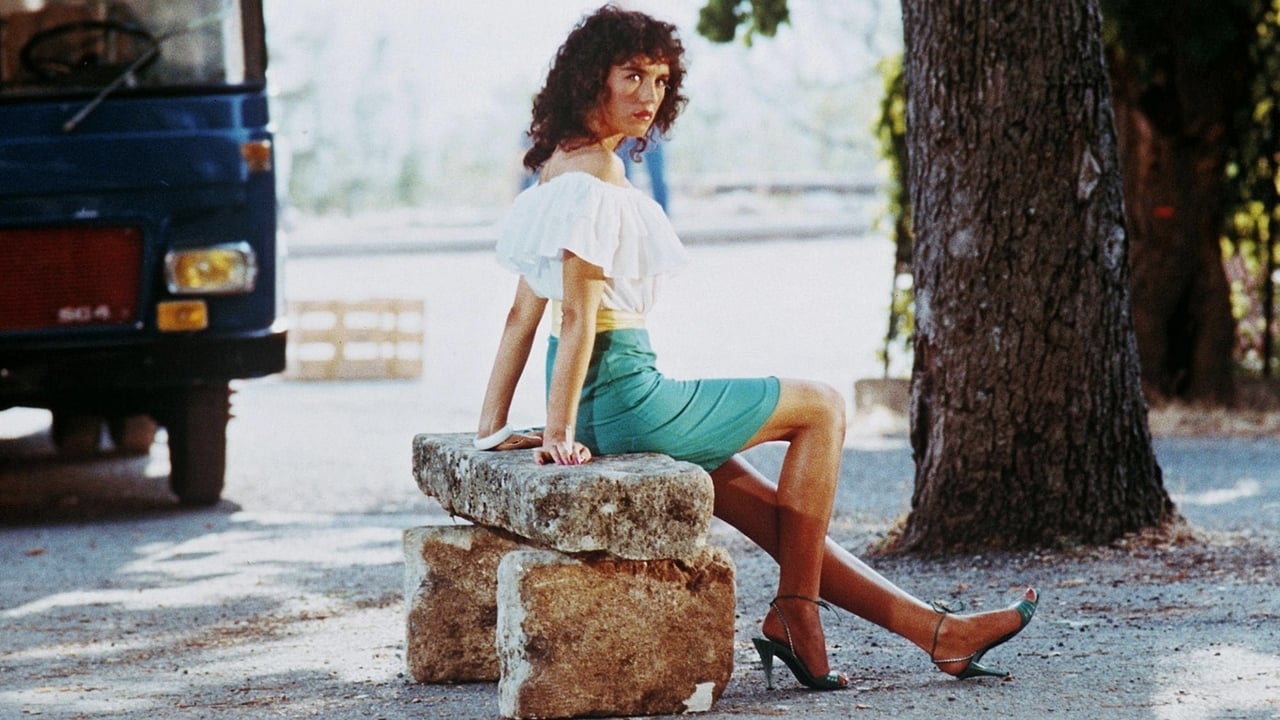
The film introduces us to Eliane, or 'Elle', played by an utterly mesmerizing Isabelle Adjani, as she arrives in a sleepy Southern French village with her ailing mother and taciturn father. She is an immediate disruption – beautiful, provocative, seemingly capricious, and radiating an unnerving intensity that sets the local men buzzing and the established social order on edge. She quickly sets her sights on Fiorimonto 'Pin-Pon' Montecciari (Alain Souchon), a local mechanic and volunteer firefighter. But is her attraction genuine, or is there a calculated purpose behind her every glance, every seemingly impulsive act?
Becker, working from Sébastien Japrisot's adaptation of his own novel, masterfully uses the idyllic setting – the cicada-buzzing heat, the dusty village square, the lazy afternoons – as a deceptive canvas. Beneath the picturesque surface lies a festering wound, a brutal past event that connects Elle to this village in ways none of the current residents initially suspect. The atmosphere isn't just hot; it's pregnant with unspoken history, thick with the potential for violence. I remember renting this on VHS, perhaps drawn by Adjani's haunting eyes on the cover art, expecting maybe a straightforward thriller, and being completely gripped by its slow, deliberate unraveling of trauma and motive. It wasn’t the usual fare, and it stayed with me.
Adjani's Incandescent Fury
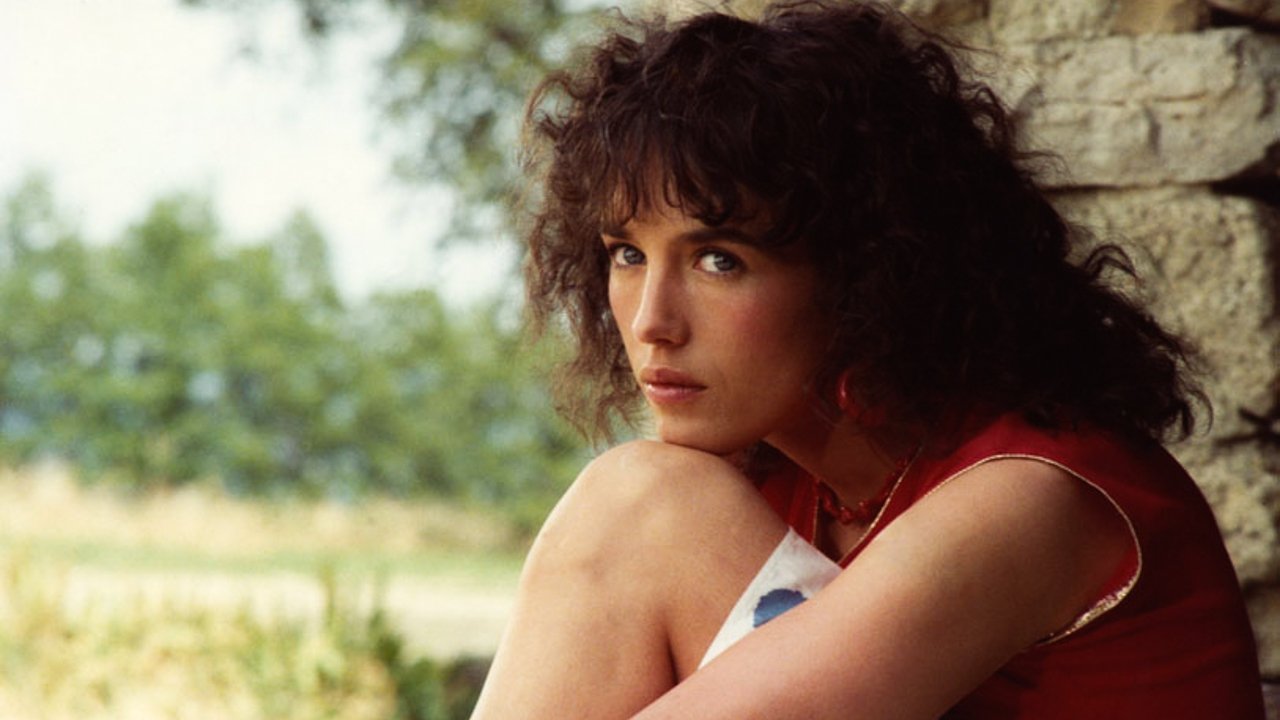
At the heart of One Deadly Summer's enduring power is Isabelle Adjani. Her performance as Elle is nothing short of monumental, a tour-de-force of controlled chaos and raw vulnerability. Elle is a complex tapestry of contradictions: overtly sexual yet deeply wounded, manipulative yet driven by a righteous, albeit terrifying, sense of justice. Adjani embodies this duality with breathtaking precision. Her eyes, often wide and luminous, can turn chillingly vacant or blaze with vengeful fire in an instant. She uses her physicality – the way Elle walks, dances, challenges – as both a lure and a weapon.
It's a performance that rightly earned Adjani the César Award for Best Actress (one of four Césars the film won, including Best Supporting Actress for the wonderful Suzanne Flon as Pin-Pon's perceptive, hearing-impaired aunt, and Best Adapted Screenplay for Japrisot). You understand why the villagers are simultaneously drawn to and wary of Elle; Adjani makes her magnetism feel genuinely dangerous. It's a portrayal of trauma seeking an outlet, of a fractured psyche desperately trying to piece together a narrative of revenge that might somehow cauterize an old wound. Does her quest offer justice, or does it merely perpetuate a cycle of suffering? The film forces us to wrestle with this question.
Weaving the Threads of Vengeance
Japrisot's script, much like his acclaimed novel, employs a shifting narrative perspective, gradually revealing layers of the past through different characters' viewpoints. This isn't a simple whodunit; it's a 'why'-dunit, meticulously showing us the roots of Elle's obsessive quest. We see fragmented memories, hear differing accounts, and slowly understand the horrific crime that irrevocably shaped her life before she was even born.
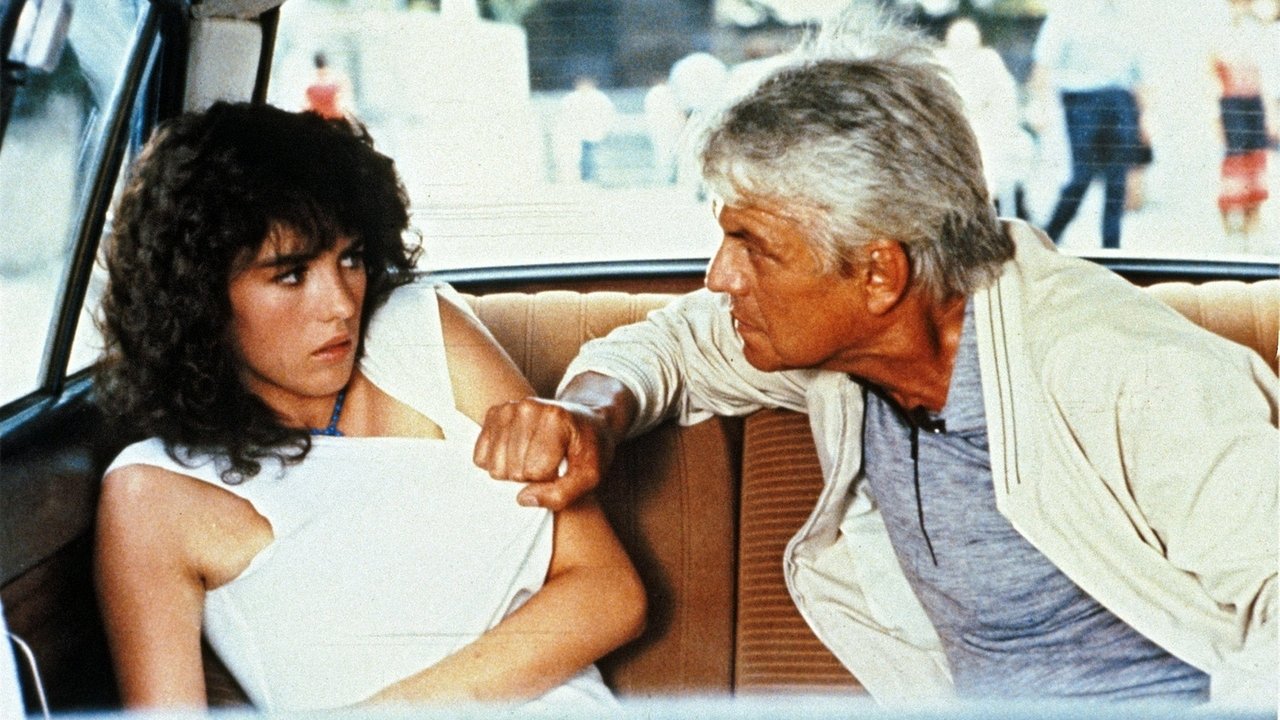
This structure prevents easy judgments. Pin-Pon, initially seeming like just another target of Elle's manipulations, reveals his own decency and growing, confused affection. His family, particularly his sharp-eyed aunt (Flon) and supportive mother (played by Maria Machado), add layers of warmth and grounded reality that contrast sharply with Elle's almost ethereal, damaged presence. It’s a clever bit of storytelling, ensuring the audience remains invested in the human cost of Elle's mission, even as we understand the terrible impetus behind it. Interestingly, the film was a massive hit in France, selling over 5 million tickets – proving audiences were ready for its challenging themes and complex narrative structure, a far cry from simpler Hollywood formulas dominating the era. Filming in the sun-baked Vaucluse region of Provence was key, embedding that palpable heat and rural isolation directly into the film's DNA.
A Lingering Chill
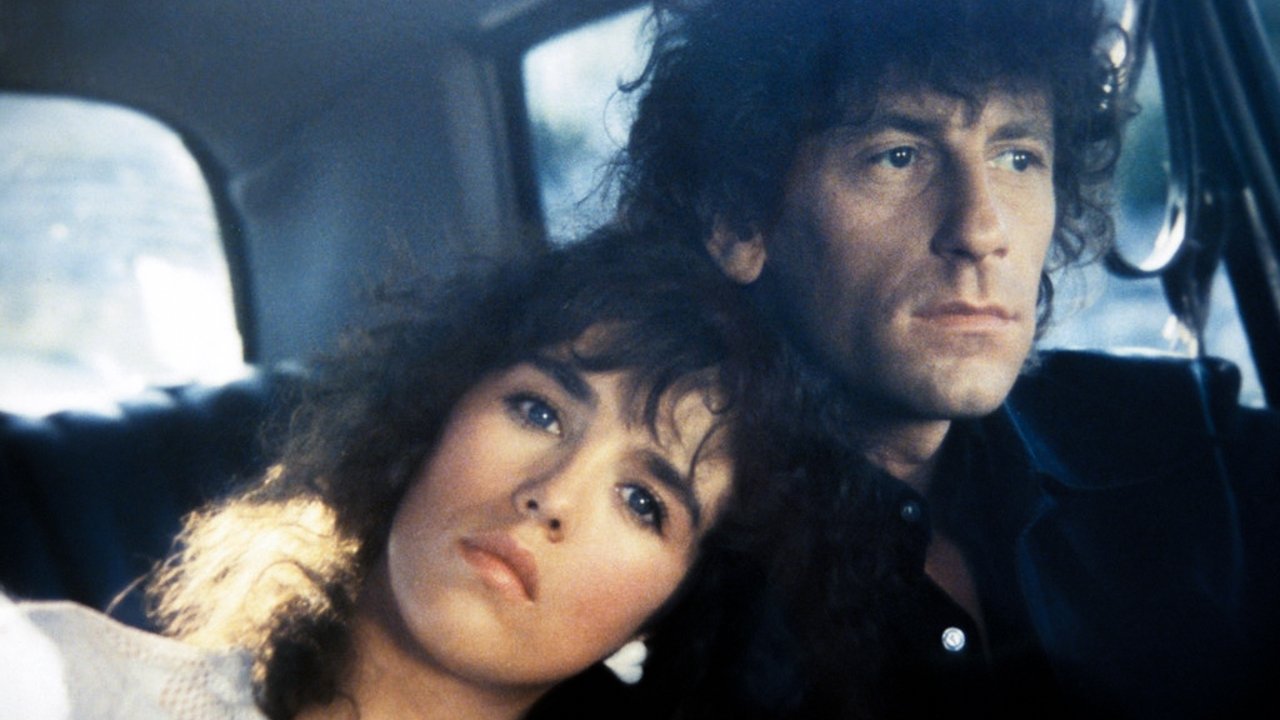
One Deadly Summer isn't an easy watch. It deals unflinchingly with the devastating impact of sexual violence and the corrosive nature of revenge. Yet, it does so with artistry and psychological depth. Becker's direction is patient, allowing the tension to build organically, punctuated by moments of startling confrontation or quiet despair. The supporting cast, particularly Souchon as the unassuming Pin-Pon, provides the crucial emotional anchor against Adjani's whirlwind performance.
It’s a film that reminds us how potent European cinema could be in the 80s, offering sophisticated, character-driven narratives that explored the darker corners of the human psyche. Finding this on a dusty VHS tape felt like uncovering a hidden gem, a stark contrast to the neon glow of many contemporary releases. It demanded attention, provoked thought, and left a distinct chill despite its summery setting.
Rating: 9/10
This score is earned through Isabelle Adjani's truly unforgettable, César-winning performance, the masterful creation of a suspenseful, psychologically dense atmosphere, and Sébastien Japrisot's intricately woven narrative of trauma and revenge. Its challenging themes are handled with maturity, and the direction expertly balances the idyllic setting with the underlying darkness. It's a standout French thriller from the era, elevated by its central performance into something truly exceptional and haunting.
It’s one of those films that doesn’t neatly resolve or offer easy comfort; instead, it leaves you contemplating the ghosts of the past and the devastating price of seeking retribution under that relentless, unforgiving sun.