Okay, let's dim the lights, maybe pour a glass of something thoughtful, and slide a tape into the VCR—metaphorically speaking, of course. Tonight, we're revisiting a film that doesn't just ask you to watch, but to look. I'm talking about Peter Greenaway's intricate and unsettling 1982 masterpiece, The Draughtsman's Contract. Forget the usual action romps or creature features for a moment; this one plays a different game entirely, a meticulously crafted puzzle box set in the seemingly idyllic English countryside of 1694.
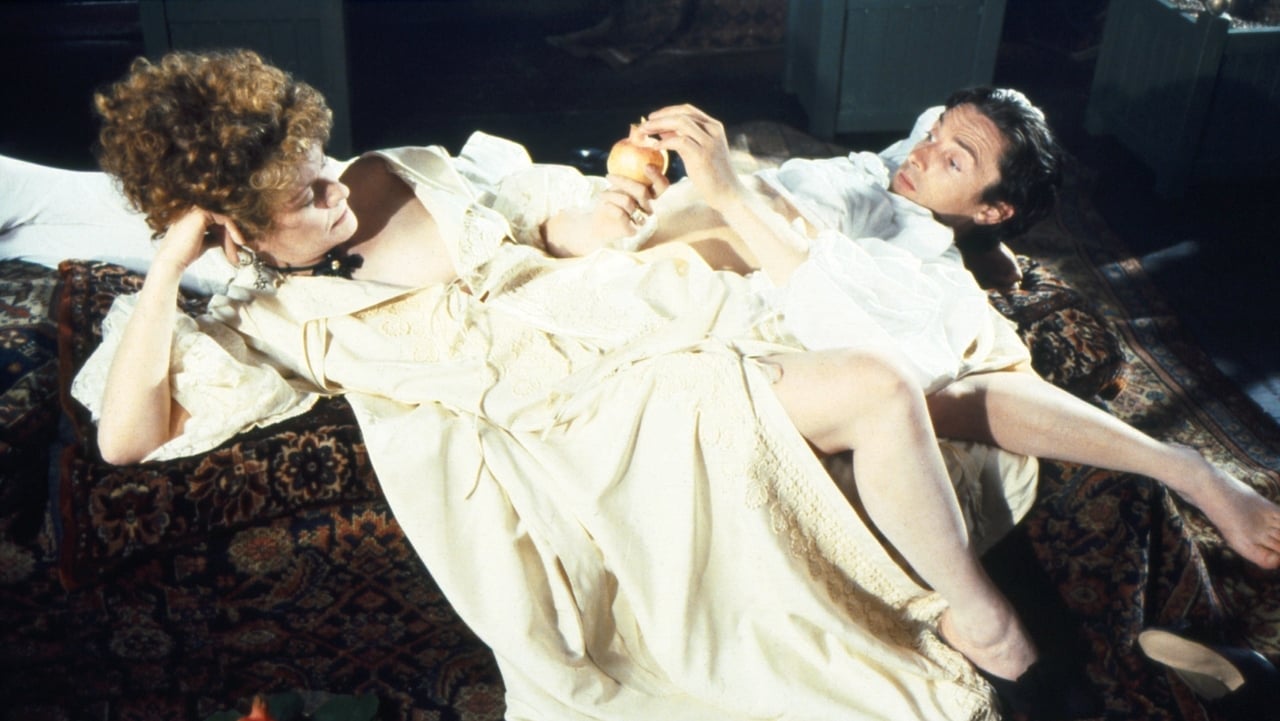
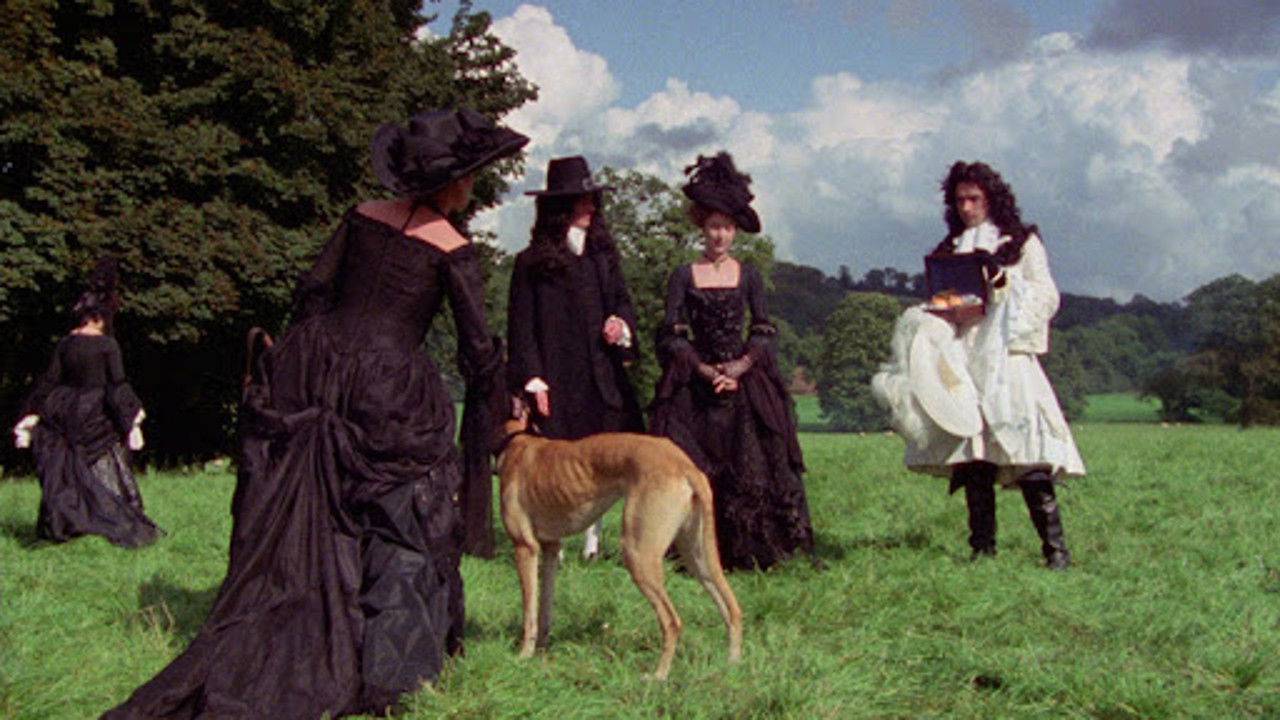
The first thing that strikes you, even now, is the sheer, arresting formality of it all. Greenaway, who famously trained as a painter before turning to film, presents the Compton Anstey estate not just as a setting, but as a canvas. Symmetrical compositions dominate, the camera often remains static, observing scenes like elaborate tableaus. It’s a world obsessed with appearances, perfectly reflecting the arrival of the arrogant, ambitious young artist, Mr. Neville (Anthony Higgins). He’s commissioned by the lady of the house, Mrs. Virginia Herbert (Janet Suzman), to produce twelve detailed drawings of the estate as a gift for her absent husband. The price? Not just money, but Mrs. Herbert’s sexual favours, "at his pleasure."
A Contract Sealed in Ink and Intrigue
It sounds like a simple, if scandalous, arrangement. But this is Greenaway, and nothing is ever simple. The contract itself, read aloud and agreed upon with almost legalistic precision, becomes the film's backbone. Neville insists on absolute adherence to his perspective – everything must remain exactly as he finds it for each drawing. This rigidity, this imposition of artistic order onto the landscape, sets the stage for the film's central tension. Because, as Neville meticulously captures the estate's facades, gardens, and statuary, subtle, disturbing details begin to appear within his frames: a misplaced ladder, discarded clothing, shadows that don't belong. Is he merely recording, or is the landscape revealing secrets the inhabitants would rather keep hidden?
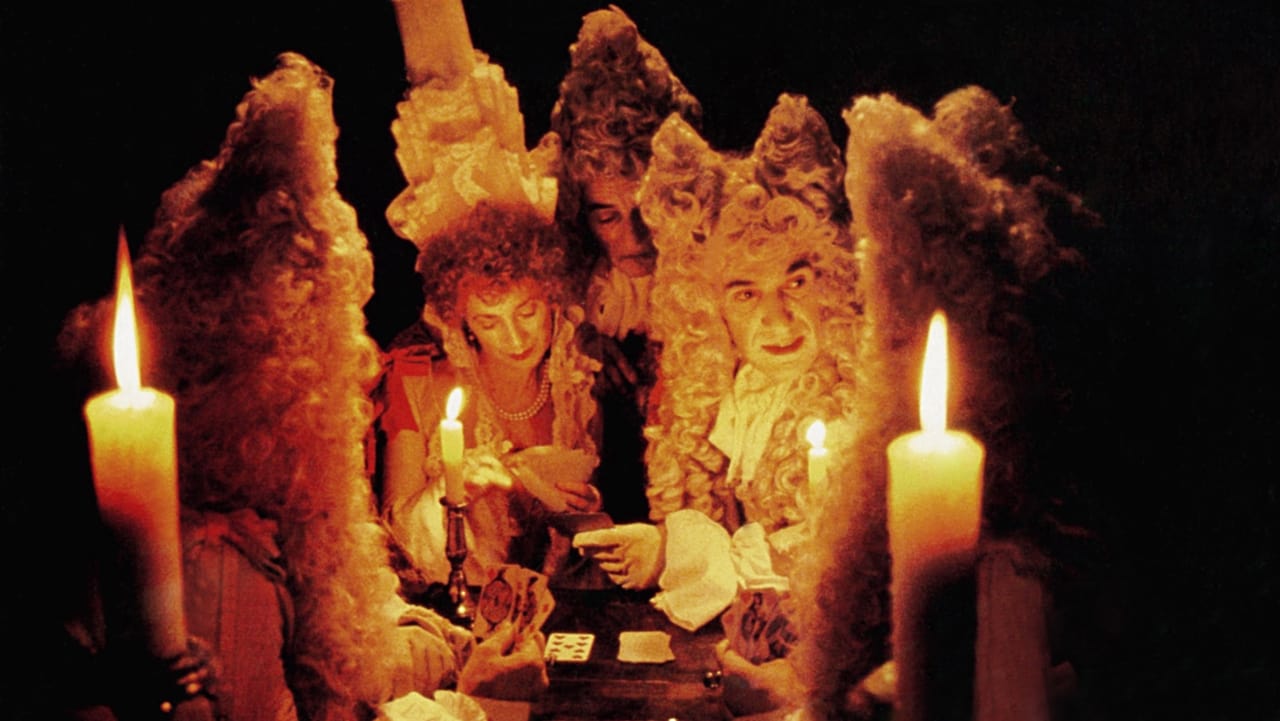
The performances are key to this tightly wound atmosphere. Anthony Higgins embodies Neville's confidence bordering on hubris perfectly. He’s exacting, condescending, yet undeniably skilled, navigating the social complexities of the household with a blend of artistic detachment and calculated self-interest. Janet Suzman is magnificent as Mrs. Herbert, a woman whose motivations remain tantalizingly opaque. Is she a victim, a manipulator, or something else entirely? Her formal poise masks a potential wellspring of hidden desires and resentments. And Anne-Louise Lambert (familiar to some from Picnic at Hanging Rock) as her daughter, Mrs. Talmann, adds another layer of intrigue and frustrated desire, becoming entangled in Neville's contractual obligations in increasingly complex ways. Their dialogue, often delivered with a theatrical, almost arch quality, reinforces the sense of a carefully constructed reality threatening to crack.
Behind the Drawing Board: Retro Fun Facts
Thinking back to when this first emerged, often late at night on Channel 4 or discovered in the 'World Cinema' section of the video store, it felt like something beamed in from another planet compared to the usual fare. It was actually commissioned by the British Film Institute and Channel 4, part of that exciting wave of auteur-driven British cinema in the early 80s. Made for a modest budget (reportedly around £300,000 – a fraction of even smaller Hollywood productions then), its visual richness is astonishing. Much of this is down to the stunning cinematography by Curtis Clark and the choice of Groombridge Place in Kent as the location; its gardens and architecture become characters in themselves.
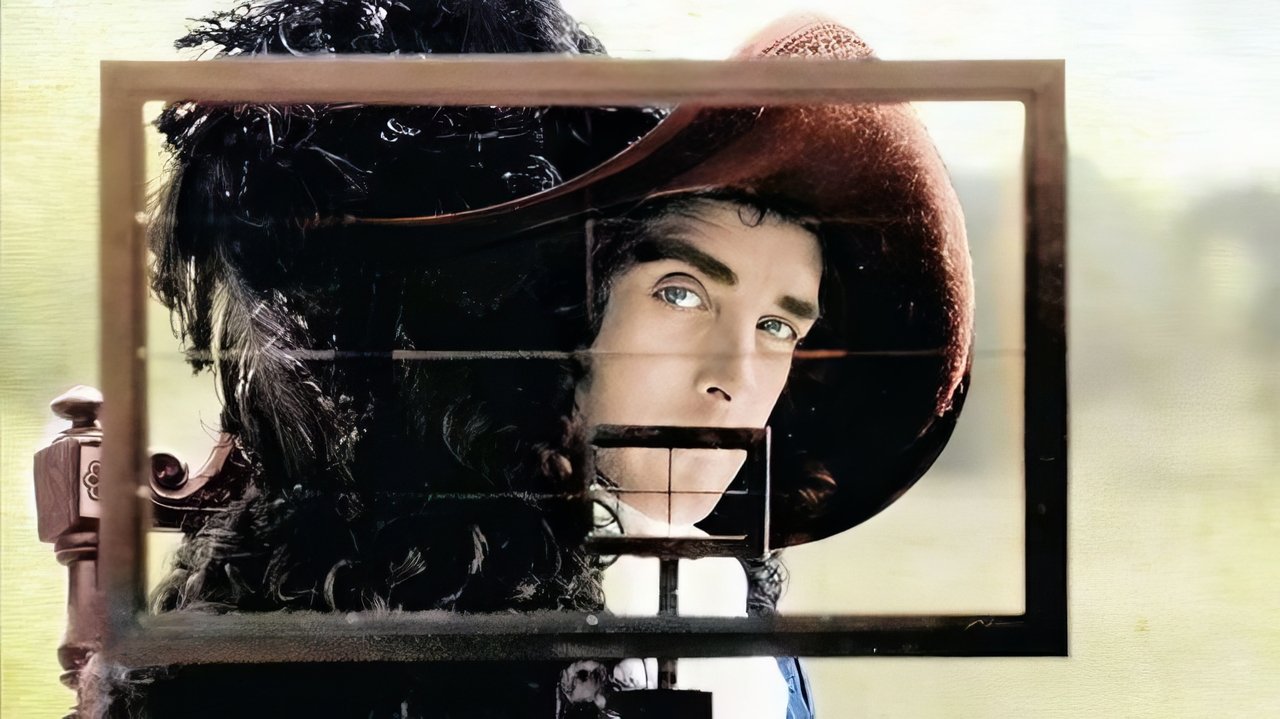
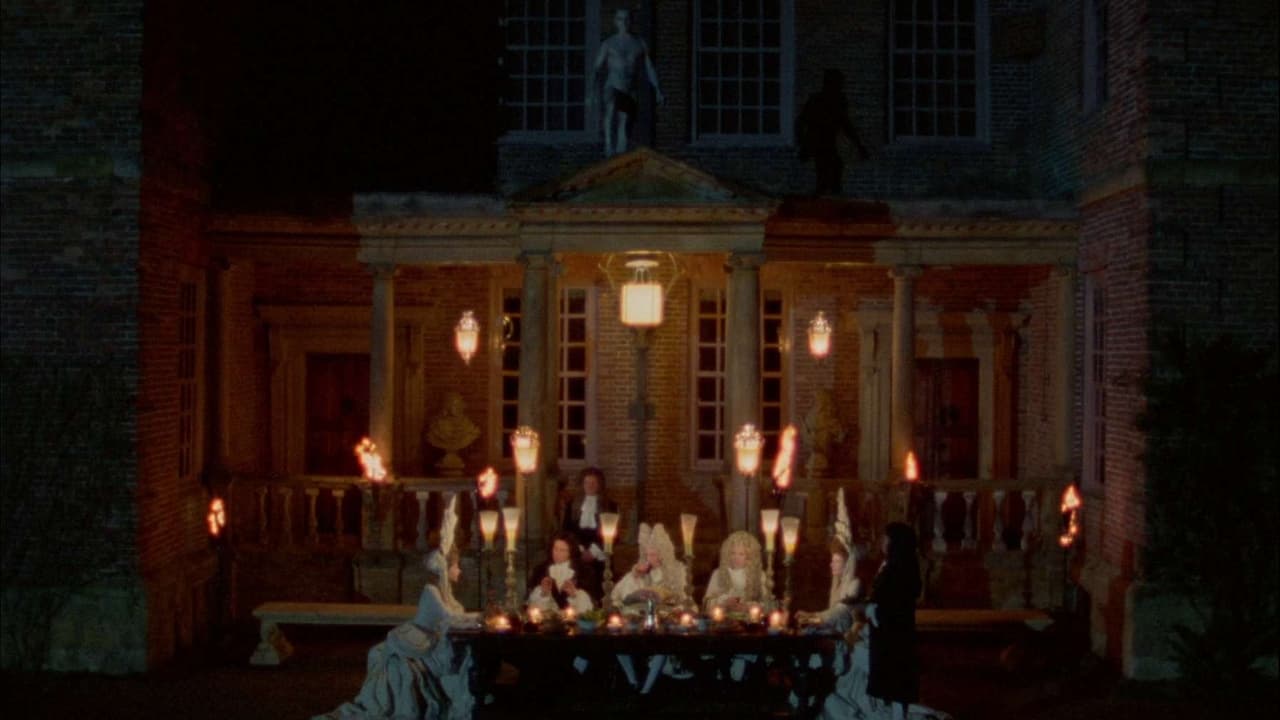
And who could forget that score? Michael Nyman's music, with its insistent, looping Baroque-meets-minimalist themes, is inseparable from the film's identity. It drives the narrative forward, sometimes playful, sometimes ominous, perfectly mirroring the blend of surface elegance and underlying menace. Nyman and Greenaway would become one of the great director-composer pairings. The costumes, too, by Sue Blane (yes, the genius behind The Rocky Horror Picture Show's iconic looks!), are deliberately exaggerated, adding to the film's highly stylized, almost artificial feel – a visual feast that underscores the themes of performance and deception. Apparently, Greenaway, being an artist himself, was deeply involved in ensuring the drawings (actually created by artist Betty Gleadle) reflected the meticulousness demanded by the script.
The Unreliable Eye
What makes The Draughtsman's Contract linger long after the credits roll is its exploration of sight, perspective, and interpretation. Neville believes his drawings capture objective truth, but do they? Or do they merely reflect his own presence, his intrusion, stirring up the latent tensions within the household? The film cleverly forces us to question what we see, both on screen and within the draughtsman's increasingly ominous sketches. Is there a murder plot unfolding, subtly hinted at in the details Neville obsessively records? The film offers clues but resists easy answers, demanding the viewer piece together the puzzle, much like Neville himself.
It’s not a film for passive viewing; it requires concentration, an appreciation for visual language, and perhaps a tolerance for ambiguity. It’s a satire of aristocratic manners, a complex mystery, and a meditation on the relationship between artist and subject, power and perspective. Does it feel dated? In terms of pacing and style, perhaps, but its intellectual rigor and visual inventiveness remain undimmed. It stands as a testament to a time when British cinema was taking bold, unconventional risks.
Rating: 9/10
This high score reflects the film's artistic ambition, its unique and influential style, the strength of its performances, and its enduring power as an intellectual and visual puzzle. It achieves exactly what it sets out to do with remarkable precision and intelligence, even if its challenging nature means it won't be for everyone expecting typical 80s genre thrills. The justification lies in its flawless execution of Greenaway's singular vision, its compelling central mystery woven through visual artistry, and its thought-provoking themes that resonate long after viewing.
It’s a film that reminds us that sometimes the most unsettling truths aren't shouted, but merely sketched in the margins, waiting for a keen eye to notice. A true gem from the era, perhaps demanding, but endlessly rewarding. What secrets might we overlook in the landscapes of our own lives?