Alright, fellow tapeheads, let’s rewind to a specific corner of the video store, probably nestled between Conan knock-offs and something with ninjas on the cover. Remember grabbing that clamshell case, maybe slightly sticky from previous rentals, emblazoned with a fierce warrior woman promising swords, sandals, and maybe a bit more skin than your parents would approve of? I’m talking about the 1985 slice of glorious B-movie cheese, Barbarian Queen.

This wasn't high art, folks, and it never pretended to be. Emerging from the glorious schlock factory of Roger Corman's Concorde Pictures, Barbarian Queen was pure, unadulterated sword-and-sorcery exploitation, designed to grab your attention on a Friday night. The plot? Simple, primal, effective: Amethea (Lana Clarkson) sees her peaceful village raided, her husband-to-be captured, and herself and the other women dragged off to a life of servitude under the leering eyes of Lord Arrakus (Frank Zagarino) and his depraved cronies. But Amethea isn't just any captive; she's got fury in her eyes and vengeance on her mind. Cue the escape attempts, gladiatorial combat, and righteous rebellion.
Forged in Argentinian Fire (and Low Budgets)
Shot on location in Argentina, the film leverages the rugged landscapes to give it a sense of scale that belies its undoubtedly modest budget. Director Héctor Olivera, an interesting choice given his respected Argentinian film career (including the award-winning Funny Dirty Little War / No habrá más penas ni olvido), brings a certain workmanlike energy to the proceedings. You can almost feel the Corman mandate: keep it moving, keep it cheap, and don't skimp on the elements that sell tickets (or in our case, rentals). A retro fun fact for you: Corman was notorious for reusing sets, props, and even footage across his productions to save cash. While maybe not overtly obvious here, you can bet corners were cut wherever possible, forcing a certain gritty inventiveness.
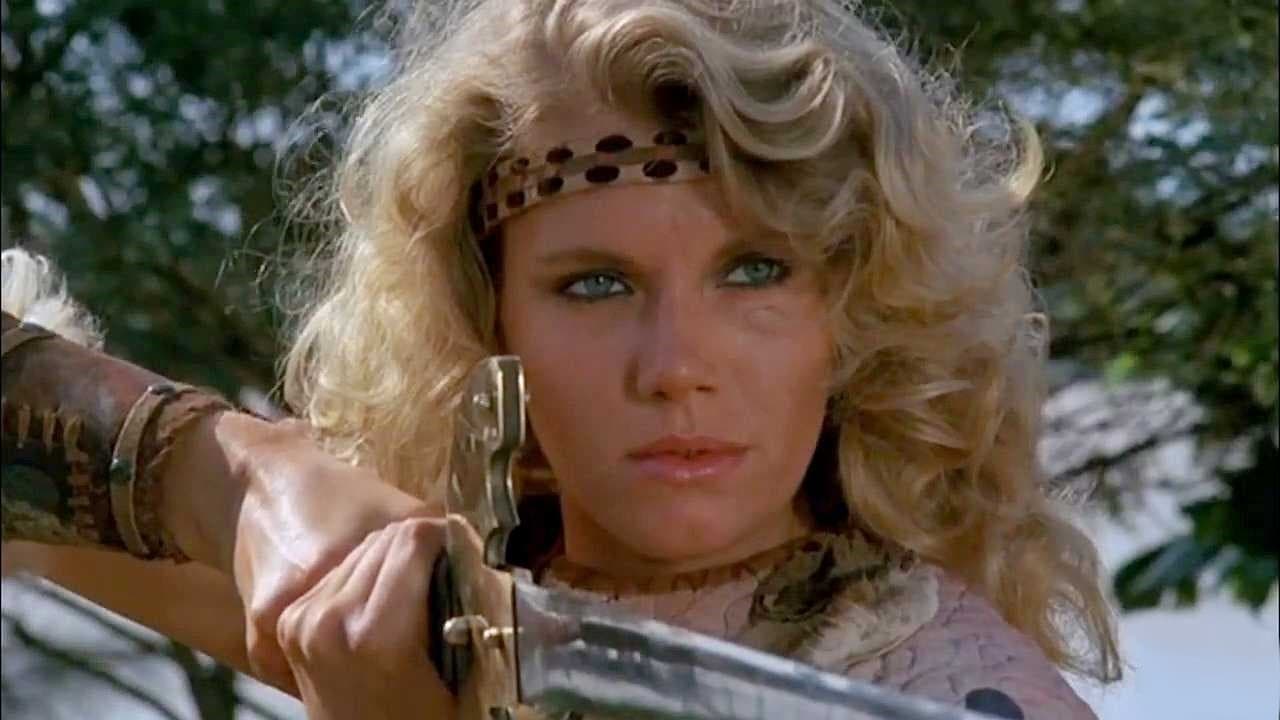
The star, of course, is the late Lana Clarkson. Towering, athletic, and radiating ferocity, she absolutely owns the role of Amethea. Yes, the film leans heavily into exploitation tropes – there’s nudity, there’s the infamous torture rack scene (more uncomfortable than titillating, honestly) – but Clarkson projects strength even when the script puts her in vulnerable positions. She sells the physicality, the rage, and the eventual transformation into a leader. It’s a committed performance in a film that asked a lot of her, and it’s a cornerstone of why Barbarian Queen remains memorable for those who saw it back in the day. It’s poignant remembering her vibrant presence here, given her tragic end years later.
Clanging Steel and Practical Pain
Let’s talk action. Forget slick CGI; this is the realm of practical effects and stunt performers earning their paychecks the hard way. The sword fights are clangy, sometimes awkward, but possess a certain visceral weight. When someone gets hit, it looks like it might have actually hurt. Remember how those punches and falls felt so much more real back then, even if they weren’t perfectly choreographed? Barbarian Queen delivers that raw energy. There are brawls, arena fights, and a climactic uprising that throws scores of extras into the fray. It’s chaotic, messy, and feels grounded in a way that hyper-stylized modern action often doesn't. The effects might look dated now, but the effort is palpable.
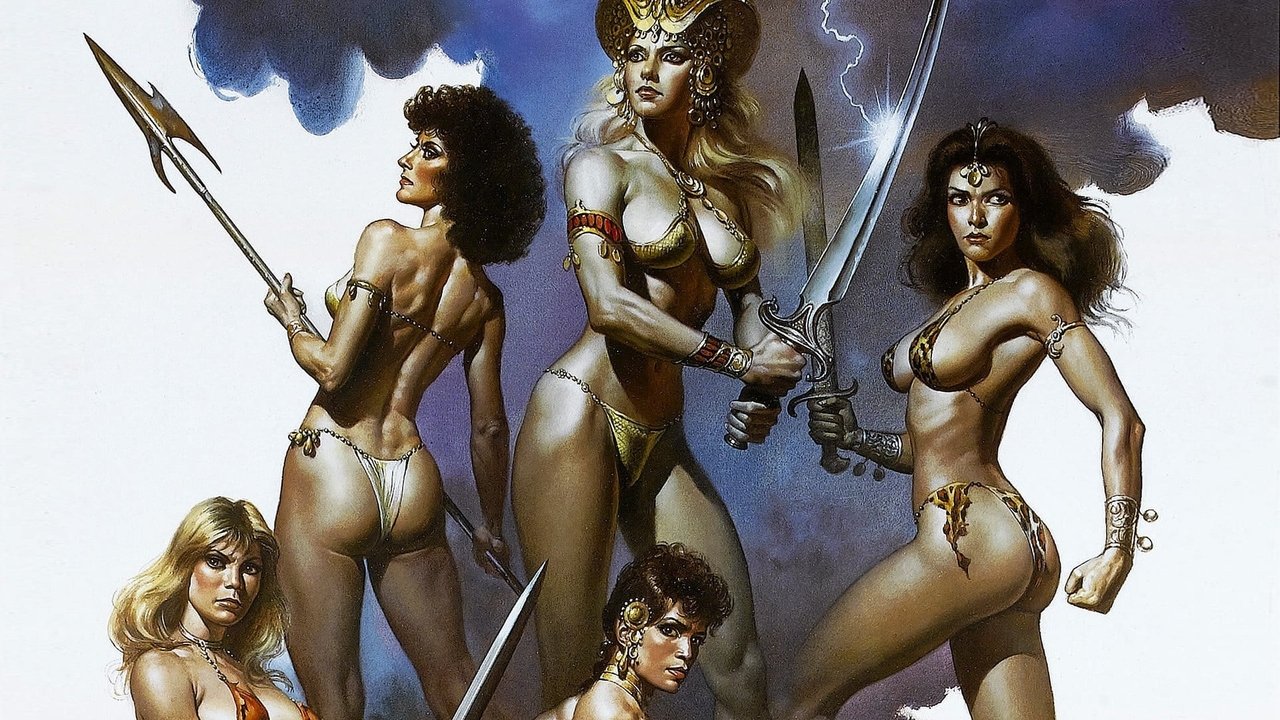
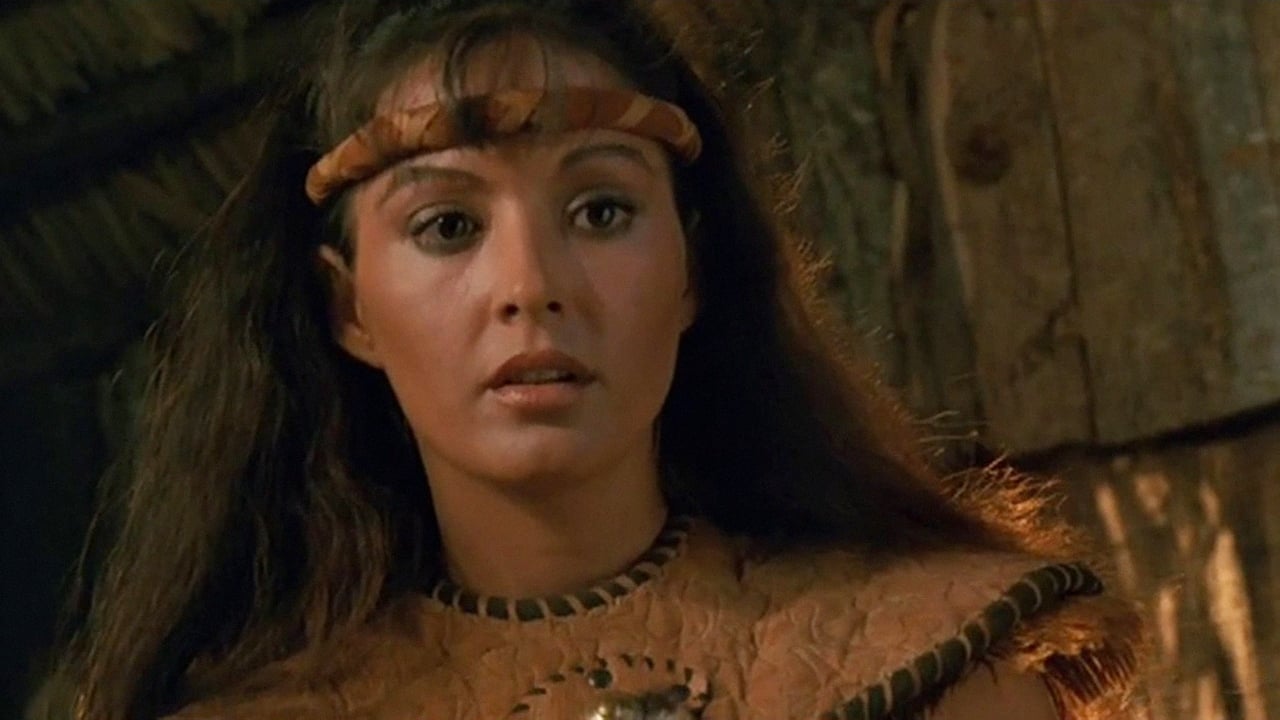
Supporting players add to the flavour. We get Katt Shea as Estrild, one of Amethea's fellow captives. Seeing her here is a treat for cult film fans, knowing she would later step behind the camera to direct films like the Drew Barrymore thriller Poison Ivy (1992). And who could forget Frank Zagarino as the sneering villain Arrakus? Zagarino became a reliable face in direct-to-video action throughout the late 80s and 90s, and he chews the scenery appropriately here. The script, penned by Howard R. Cohen (a Corman regular who also wrote Deathstalker), hits all the expected beats with pulpy enthusiasm.
A Relic of the Rental Era
Barbarian Queen wasn’t exactly a critical darling upon release, let's be honest. But on the shelves of Blockbuster, Hollywood Video, and countless mom-and-pop rental shops, it found its audience. It delivered exactly what the cover promised: a muscular heroine, evil villains, sword fights, and a healthy dose of 80s B-movie excess. My own well-worn ex-rental copy certainly got its mileage back in the day. Watching it now evokes that specific feeling – the slightly fuzzy picture on a CRT, the hum of the VCR, the thrill of discovering something a little rough around the edges but undeniably entertaining. It’s a time capsule of a particular brand of filmmaking, before irony completely took over the genre.
Was it a great film? Probably not by conventional standards. But was it a fun watch, perfectly suited for a late-night viewing with some pizza and questionable taste? Absolutely. It's energetic, features a commanding lead performance, and perfectly encapsulates the low-budget, high-concept appeal of so much 80s genre fare that filled those video store aisles. It even spawned a sequel, Barbarian Queen II: The Empress Strikes Back (1989), bringing Lana Clarkson back for more sword-swinging action.
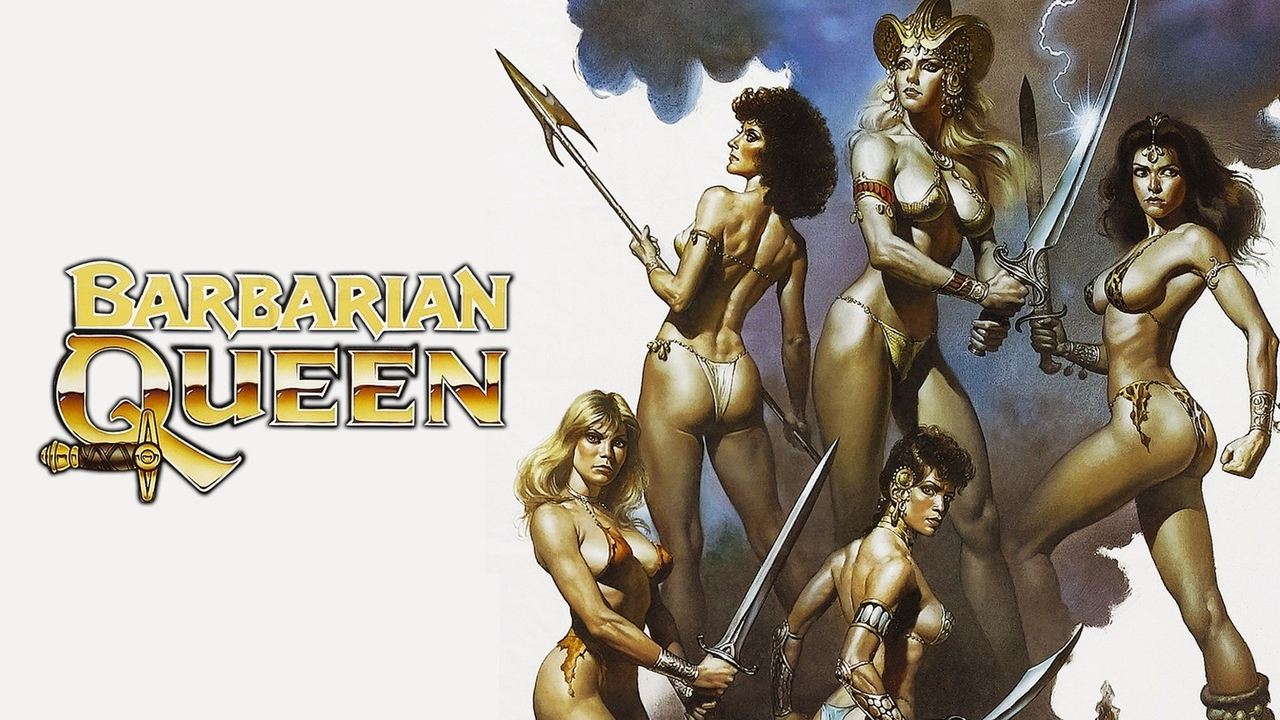
Rating: 6/10
Justification: This score reflects Barbarian Queen's effectiveness as a prime example of 80s Corman-esque exploitation cinema. It delivers on its B-movie promises with energy, a standout performance from Lana Clarkson, and that unmistakable practical-effects grit. It’s cheesy, dated in places, and certainly not subtle, but it achieves what it sets out to do within its budget and genre constraints. It’s above average for what it is.
Final Take: A quintessential slice of sword-and-sorcery sleaze from the VHS glory days – raw, unapologetic, and powered by a truly unforgettable Queen. Worth digging out of the archives if you crave that authentic 80s B-movie energy.