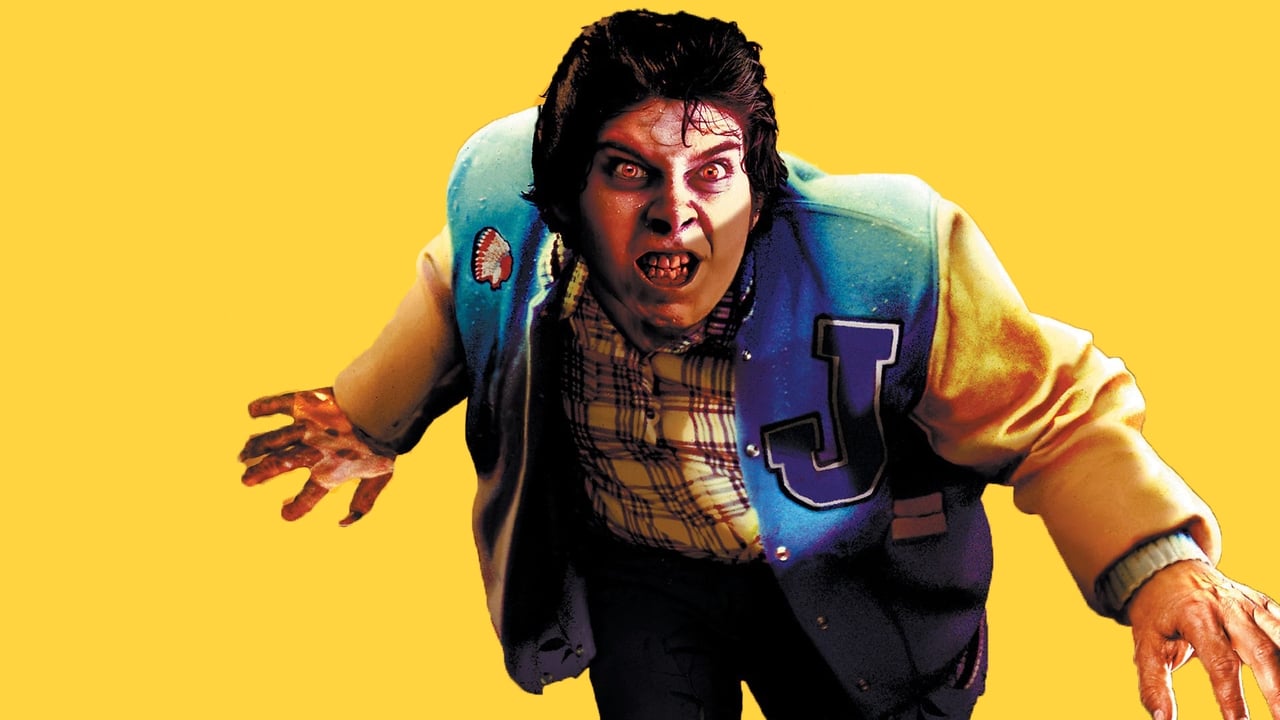
Some films leave a scar not just on the characters within them, but on the viewer’s memory. They lodge themselves deep, a shard of unease you can’t quite dislodge, resurfacing years later with a jolt. The Beast Within (1982) is one such cinematic wound, a film that burrows under the skin with its peculiar blend of Southern Gothic melodrama and truly Cronenberg-esque body horror, leaving you queasy and perhaps morbidly fascinated. It’s the kind of tape you might have rented on a whim, drawn by the lurid cover art, only to find something far stranger and more disturbing than anticipated flickering on the CRT screen.
A Nightmare Seeded in the Mississippi Mud
The setup is pure B-movie dread: newlyweds Eli (Ronny Cox, already a familiar face from Deliverance) and Caroline MacCleary (Bibi Besch, who would grace screens in Star Trek II: The Wrath of Khan the same year) suffer a car breakdown on a desolate Mississippi road. What follows is a harrowing sequence where Caroline is dragged into the swampy darkness and brutally assaulted by... something inhuman. It’s a deeply uncomfortable opening, setting a grim tone that the film occasionally struggles to maintain but always circles back to. Jump forward seventeen years, and their son Michael (Paul Clemens) is collapsing, suffering from violent seizures and mysterious glandular swellings. The sins of the past, quite literally, are festering within him. The desperate parents return to the cursed town of Nioba, Mississippi, seeking answers, only to find secrets buried deeper and darker than any bayou muck.
Slow Rot and Sudden Shock
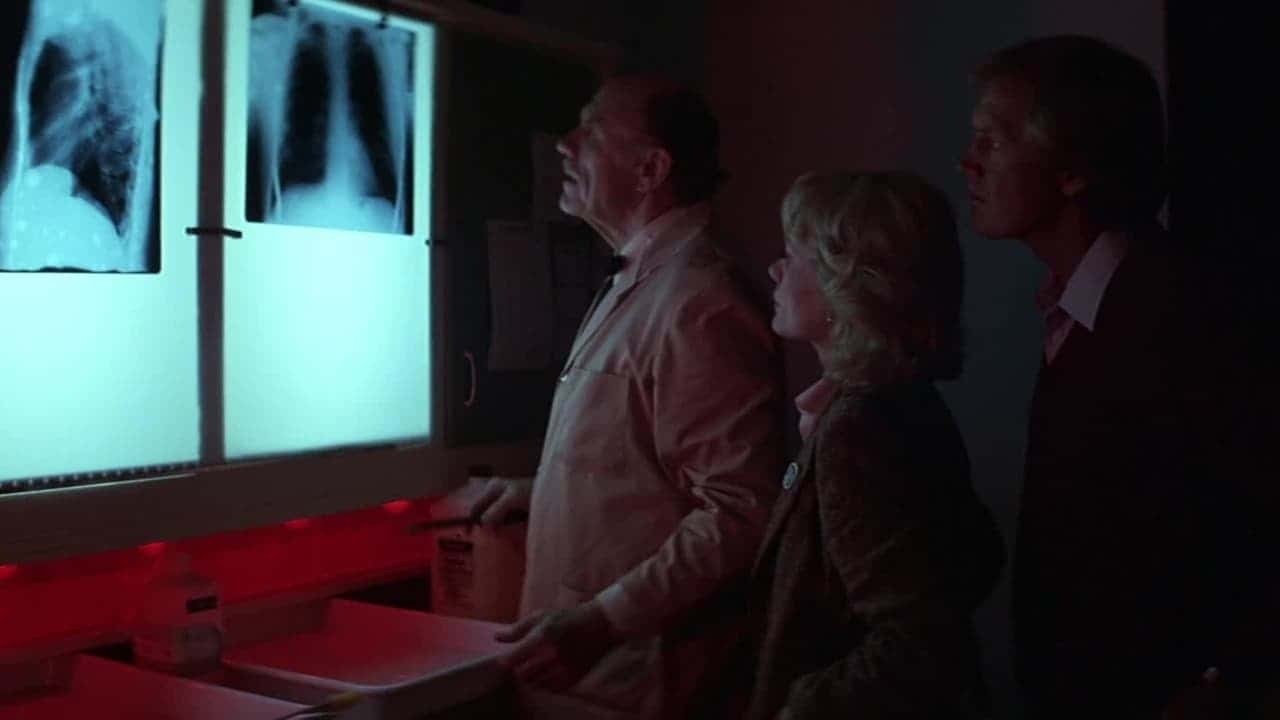
Director Philippe Mora (Howling II: Your Sister Is a Werewolf, Communion) and writer Tom Holland (who would soon unleash Fright Night and Child's Play upon the world) craft a film that often feels torn between two impulses. There's the slow-burn investigation, steeped in the humid, oppressive atmosphere of the Deep South, full of suspicious locals and decaying secrets. Ronny Cox anchors this section well, portraying Eli’s mounting desperation with palpable grit. Then, there are the explosions of visceral horror as Michael’s condition worsens. Philippe Mora, never one for subtlety, leans hard into the grotesque. The film doesn't just hint at transformation; it wallows in it.
It’s fascinating to think that Tom Holland's original script was reportedly a more straightforward mystery-thriller. The studio, however, hungry for the kind of graphic horror making waves in the early 80s, pushed for more explicit creature feature elements. This tug-of-war is arguably visible in the final product, creating a sometimes uneven but undeniably memorable hybrid. The filming, primarily done in Mississippi, certainly adds to the authentic, sweaty sense of place – you can almost feel the humidity clinging to the screen.
The Unforgettable Transformation
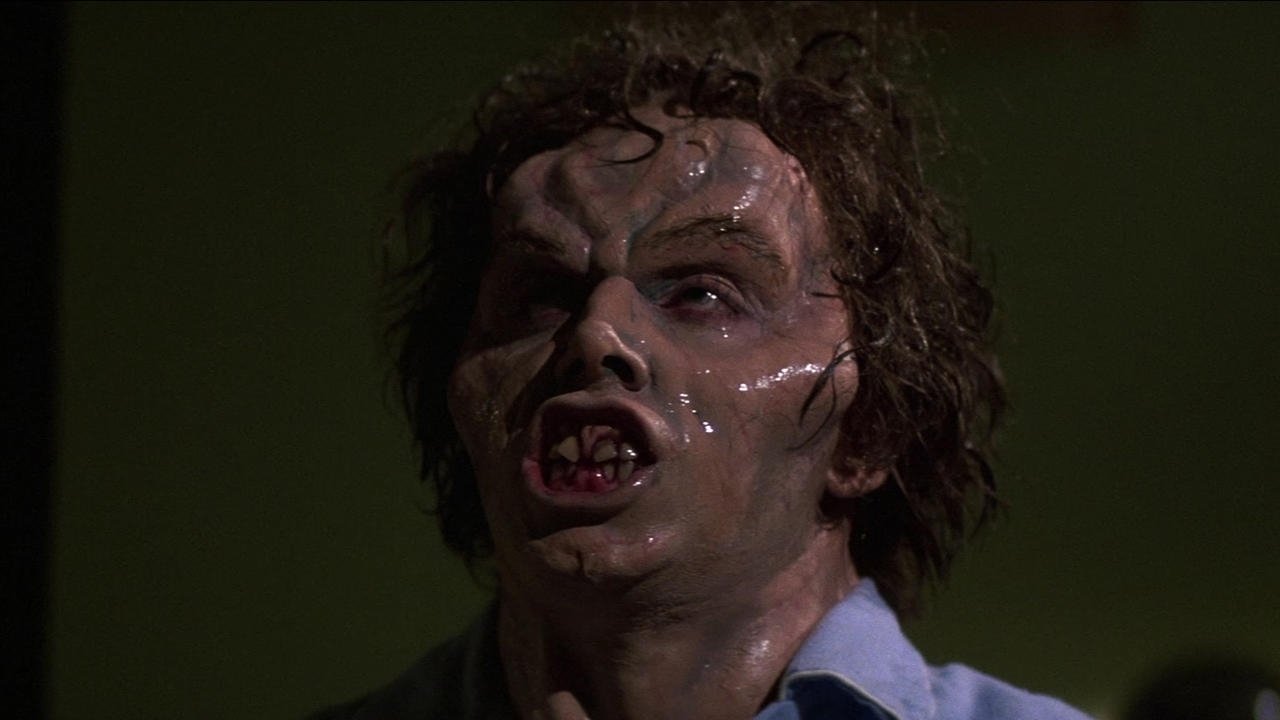
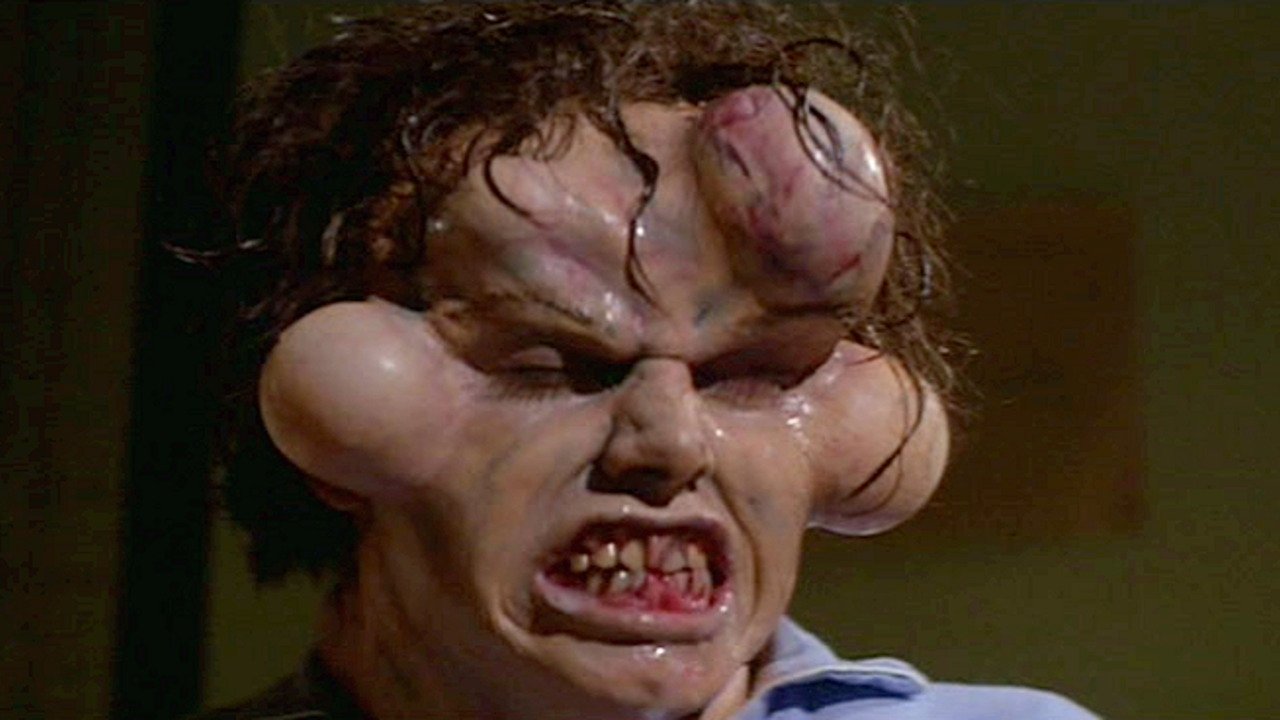
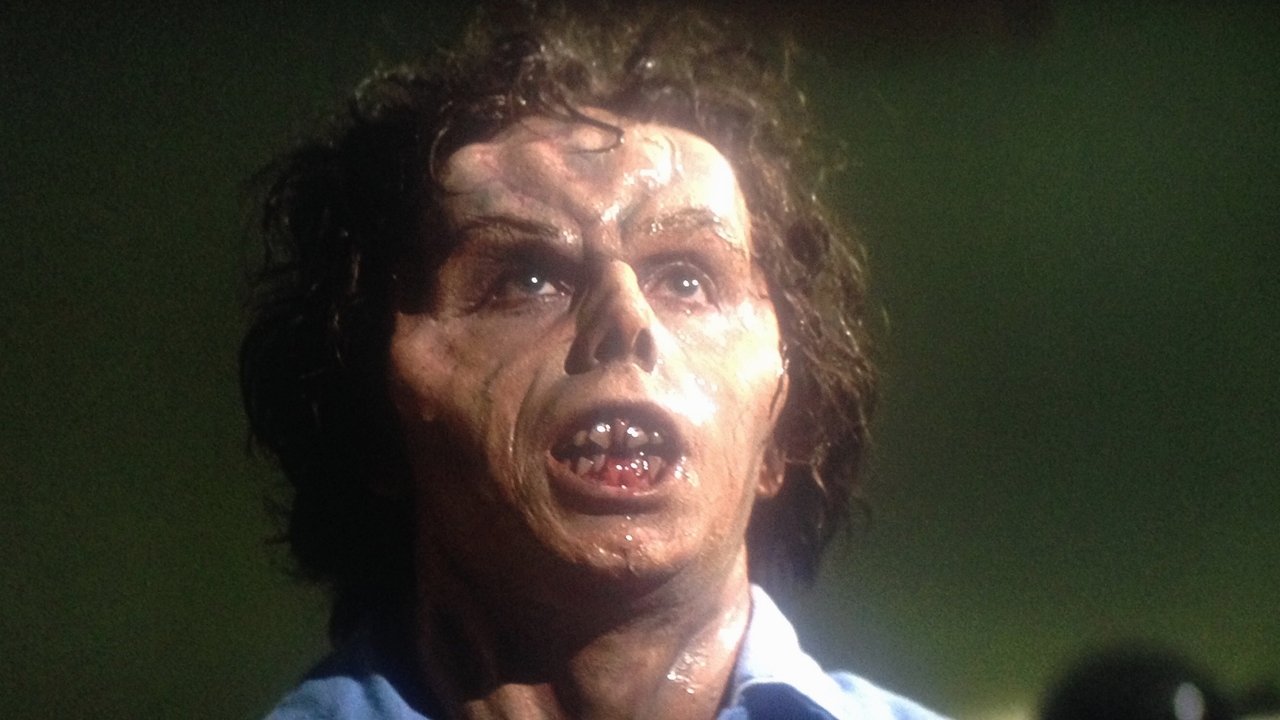
Let's be honest: the main reason The Beast Within still gets talked about today, whispered about in cult film circles and sought out by VHS collectors, is that transformation scene. As Michael finally succumbs to the monstrous heritage gestating inside him, the film delivers one of the most audacious, elaborate, and frankly disgusting practical effects sequences of the era. Forget CGI morphing; this is pure latex, Karo syrup, and compressed air bladder madness. Michael's body contorts, swells, splits, and erupts in a prolonged symphony of biological chaos.
The centerpiece, of course, is the infamous "bladder effect" moment where Michael's head appears to inflate and burst open, revealing the creature beneath. Spearheaded by effects artist Thomas R. Burman (whose credits include Invasion of the Body Snatchers '78 and Cat People '82) and Jack Kevan (son of Universal monster makeup legend Jack P. Pierce), the sequence is a triumph of messy, physical horror. It’s repulsive, certainly, maybe even a little goofy in hindsight, but undeniably ambitious. Paul Clemens deserves immense credit for enduring what must have been an incredibly uncomfortable process, fully committing to the physical agony of the metamorphosis. Did it push the boundaries of good taste? Absolutely. Doesn't that sheer, go-for-broke practical audacity still feel unnerving in its own way?
A Flawed But Fascinating Monster
The Beast Within isn't perfect. The pacing can lag between the horror set pieces, some plot elements feel underdeveloped, and the tone occasionally veers into unintentional camp. The central creature, once fully revealed, perhaps doesn't quite live up to the spectacular gore of its arrival. Yet, its flaws are part of its strange charm. It feels like a film grappling with dark themes – inherited trauma, the monstrous lurking beneath civility, repressed desires – even if it sometimes expresses them through sheer Grand Guignol spectacle. It reportedly cost around $2.5 million and managed to pull in over $7.7 million at the box office, proving there was an audience hungry for this kind of boundary-pushing horror, even if critics were often divided.
It stands as a unique entry in the early 80s horror boom, less refined than The Thing (1982) or An American Werewolf in London (1981), but possessing a raw, unsettling energy all its own. It’s a film that feels like it crawled out of some dark, forgotten corner of the video store shelf – slightly grimy, deeply weird, and packing a visceral punch that’s hard to forget.
VHS Heaven Rating: 6/10
Justification: While hampered by pacing issues and a sometimes inconsistent tone, The Beast Within delivers unforgettable, boundary-pushing practical effects (especially the transformation scene), a genuinely unsettling Southern Gothic atmosphere, and committed performances from Ronny Cox and Bibi Besch. The sheer audacity of its body horror earns it significant points for fans of the genre, even if the plot doesn't always hold together. It’s a prime example of early 80s excess – flawed, sometimes shocking, but undeniably memorable.
Final Thought: More than just a creature feature, The Beast Within is a potent dose of Reagan-era body horror anxiety, a reminder that sometimes the most terrifying monsters aren't just lurking outside, but buried deep within our own bloodlines, waiting to burst forth. It remains a fascinating, stomach-churning artifact of the VHS horror golden age.