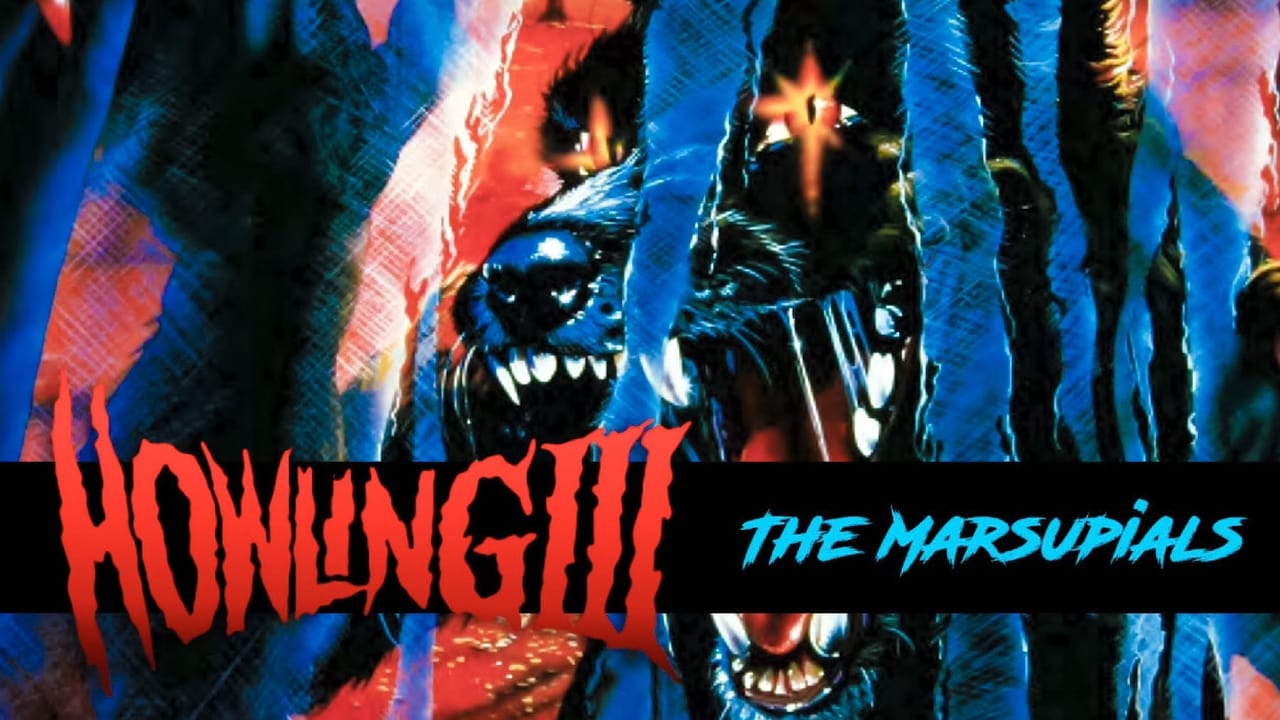
Alright, fellow tapeheads, gather 'round the flickering glow of the CRT in your mind. Remember digging through those glorious, slightly sticky shelves at the video store? Past the big new releases, past the reliable action heroes, sometimes you’d stumble onto a box that just screamed weird. The title alone might make you do a double-take. And friends, few titles promise – and deliver – delightful, baffling weirdness quite like 1987’s Howling III: The Marsupials.
### Kangaroos? Really?
Let's be honest, the moment you saw "Marsupials" tacked onto the Howling name, you knew you weren't in Kansas (or California, like the original) anymore. This wasn't just another werewolf movie; this was something else entirely, beamed directly from the wonderfully strange mind of Australian director Philippe Mora. Funnily enough, Mora also directed the notoriously campy Howling II: Your Sister Is a Werewolf, but wisely decided to ignore that film's continuity (and pretty much the original's too) for this third outing. Instead, he took the series Down Under for a completely unrelated, self-financed adventure that feels less like a sequel and more like a fever dream someone had after eating too much Vegemite and watching David Attenborough.
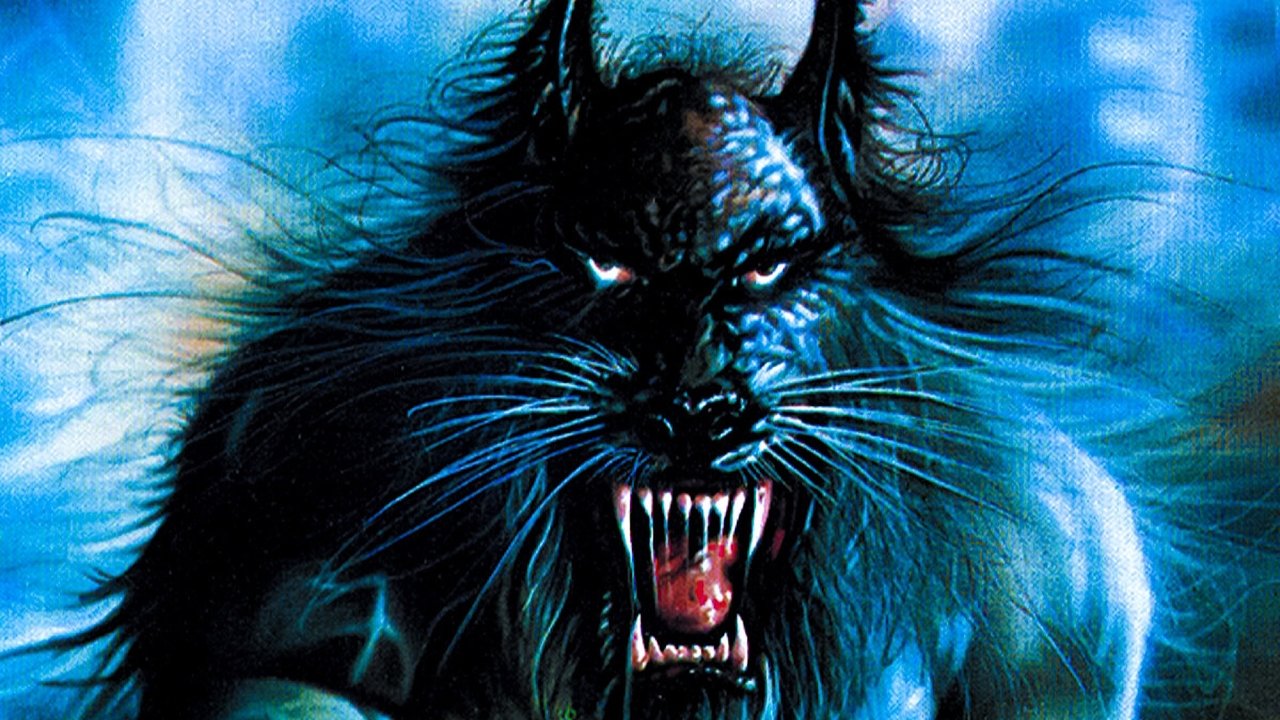
The plot? Well, "plot" might be a generous term. We follow Jerboa (Imogen Annesley), a young woman who flees her isolated, tribal werewolf community in the Australian outback. She heads to Sydney, gets discovered for a horror film role (meta!), and falls for an anthropologist, Dr. Harry Beckmeyer (Leigh Biolos). Meanwhile, Professor Sharp (Barry Otto), a scientist studying werewolf phenomena, uncovers evidence of these unique, pouch-bearing lycanthropes. Yes, you read that right. Marsupial werewolves. With pouches. It’s as gloriously bizarre as it sounds.
### Aussie Oddities and Outback Effects
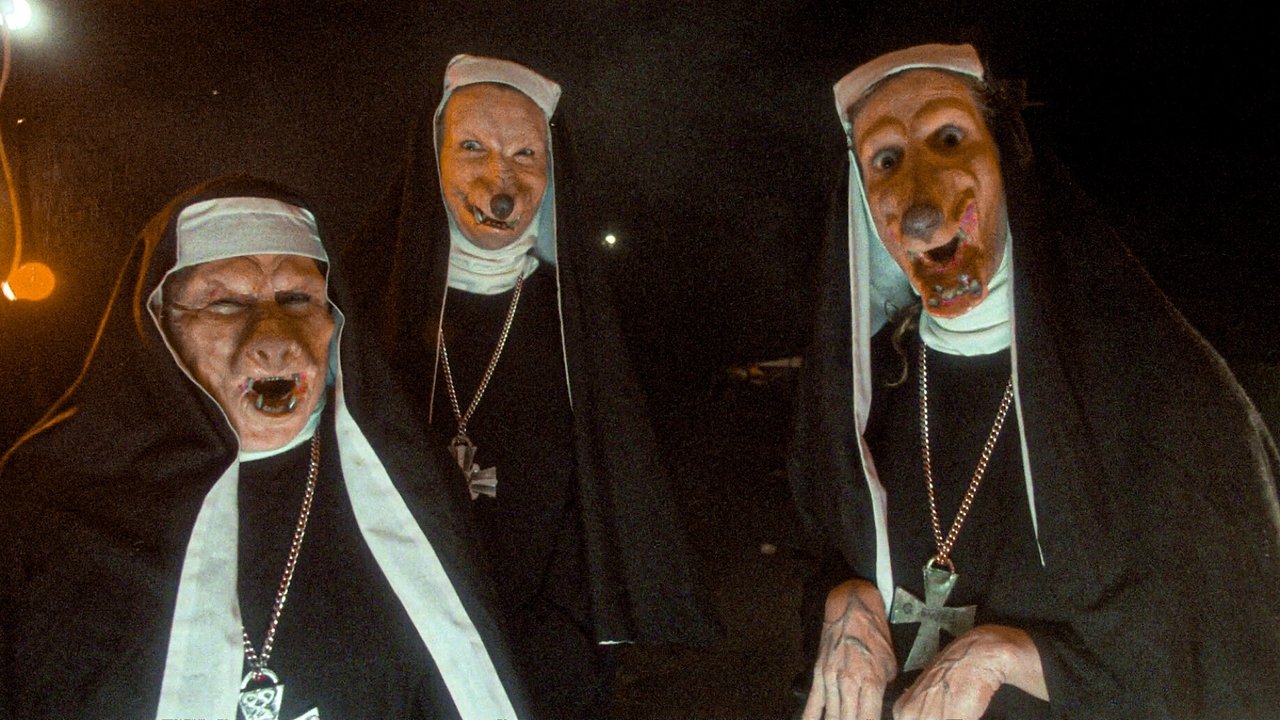
What makes Howling III such a fascinating relic of the VHS era isn't necessarily its coherent storytelling – because, frankly, there isn't much. It's the sheer audacity of its concept and the charmingly unhinged execution. Philippe Mora, working with limited resources (this was an independent production, largely funded by himself and producer Charles Waterstreet), throws everything at the screen. We get werewolf nuns, a bizarre werewolf ballet sequence choreographed by Sir Robert Helpmann (his final film appearance!), government conspiracies, and of course, the infamous marsupial werewolf birth scene.
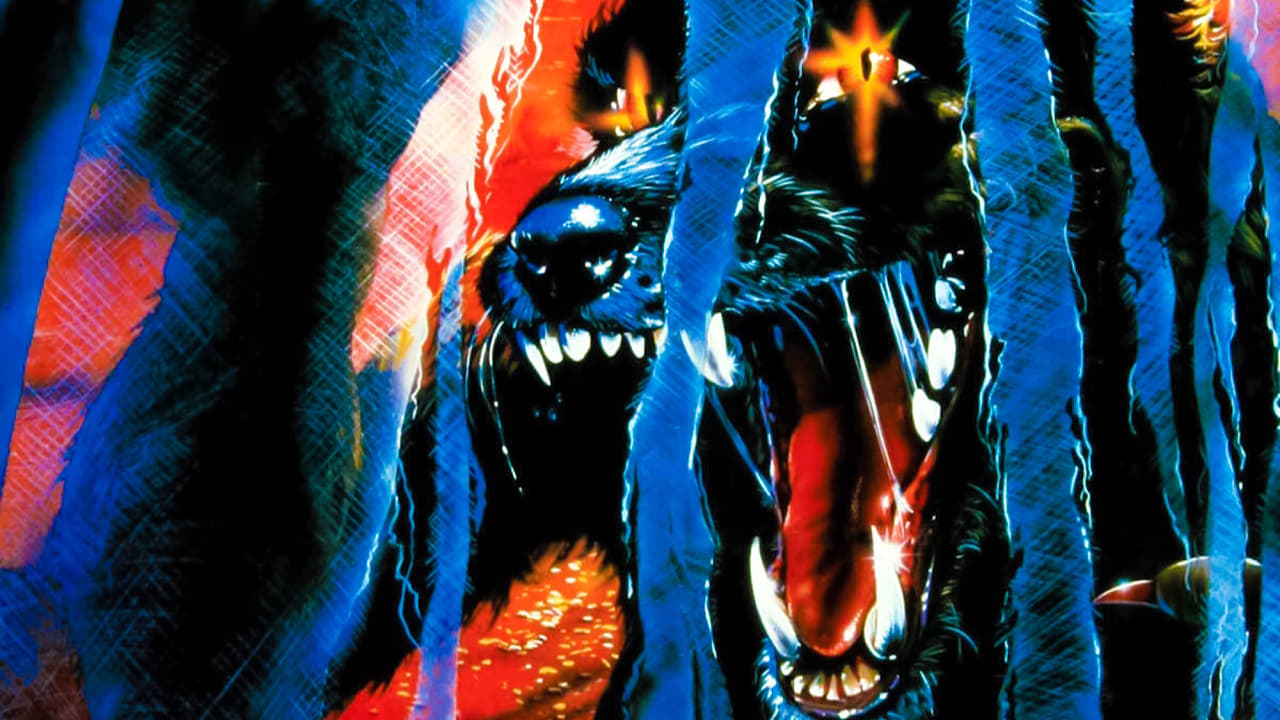
Let’s talk effects, because in an 80s creature feature, that's half the fun. Forget sleek CGI morphing; this is the era of practical magic, latex, and buckets of questionable goo. The transformations are often clunky, the creature suits look exactly like hairy costumes, but there's an undeniable tactile quality to it all. Remember how real those transformations felt back then, even when they looked a bit rubbery? That tangible presence is something often lost today. The highlight (or lowlight, depending on your taste) is undoubtedly the scene where Jerboa gives birth, pulling a furry joey-wolf pup from her... well, pouch. It's gooey, strange, and utterly unforgettable – a testament to practical effects pushed to their weirdest limits. You just don't see that kind of unpolished, go-for-broke practical work anymore. It wasn't trying to be photorealistic; it was trying to be visceral, and in its own way, it succeeded.
### A Touch of Class Amidst the Chaos
Despite the inherent silliness, the film benefits immensely from the presence of Barry Otto. A genuinely respected Australian actor (you might know him from Strictly Ballroom or Australia), Otto lends a certain gravitas to the proceedings as Professor Sharp. He plays it relatively straight, anchoring the film with a sense of bewildered scientific curiosity that mirrors the audience's own reaction. Imogen Annesley as Jerboa carries the central narrative with a wide-eyed innocence that works surprisingly well amidst the werewolf shenanigans. And keep an eye out for Max Fairchild (you might remember him as the tragic Benno from Mad Max), who pops up as one of Jerboa's pursuing pack members.
Mora himself seems aware of the absurdity, injecting moments of satire about Australian identity, sensationalism in media, and even governmental attitudes towards marginalised groups (represented by the werewolves). How successful that satire is remains debatable, but the attempt adds another layer to this peculiar cinematic stew. Filmed entirely on location in New South Wales, it definitely feels authentically Australian, adding to its unique flavour within the predominantly American horror landscape of the time.
### Cult Curio or Cinematic Crime?
Critically, Howling III was pretty much mauled upon release. It received very limited theatrical distribution outside Australia and quickly found its natural habitat: the video store shelf, waiting for unsuspecting horror fans looking for something different. And "different" is the key word. It completely abandons the tone and lore of Joe Dante's original The Howling, forging its own path of delightful weirdness.
Is it a "good" movie in the traditional sense? Probably not. The pacing lurches, the plot threads dangle, and the logic is often non-existent. But is it entertaining? Absolutely, especially if you have a fondness for bizarre B-movies, practical effects oddities, and films that clearly weren't afraid to be utterly strange. Watching this took me right back to those late-night VHS sessions, bleary-eyed and wondering, "What on Earth am I watching... and why can't I look away?"
VHS Heaven Rating: 6/10
Justification: It loses points for plot incoherence and some truly baffling narrative choices. However, it gains significant points for sheer originality, unforgettable practical effects (however cheesy), Barry Otto's committed performance, and its undeniable cult status as one of the weirdest sequels ever made. It's a pure slice of 80s B-movie madness.
Final Thought: Howling III: The Marsupials is the cinematic equivalent of finding a mysterious, unlabeled tape at a garage sale – you have no idea what you're getting, but you know it's going to be memorable. It’s a testament to a time when sequels could go wildly off-script, powered by practical effects and pure, unadulterated weirdness. Worth a watch? If you embrace the strange, absolutely. Just don't expect it to make sense.