### Beneath the Neon Glow: Finding the Soul in So Long, Stooge
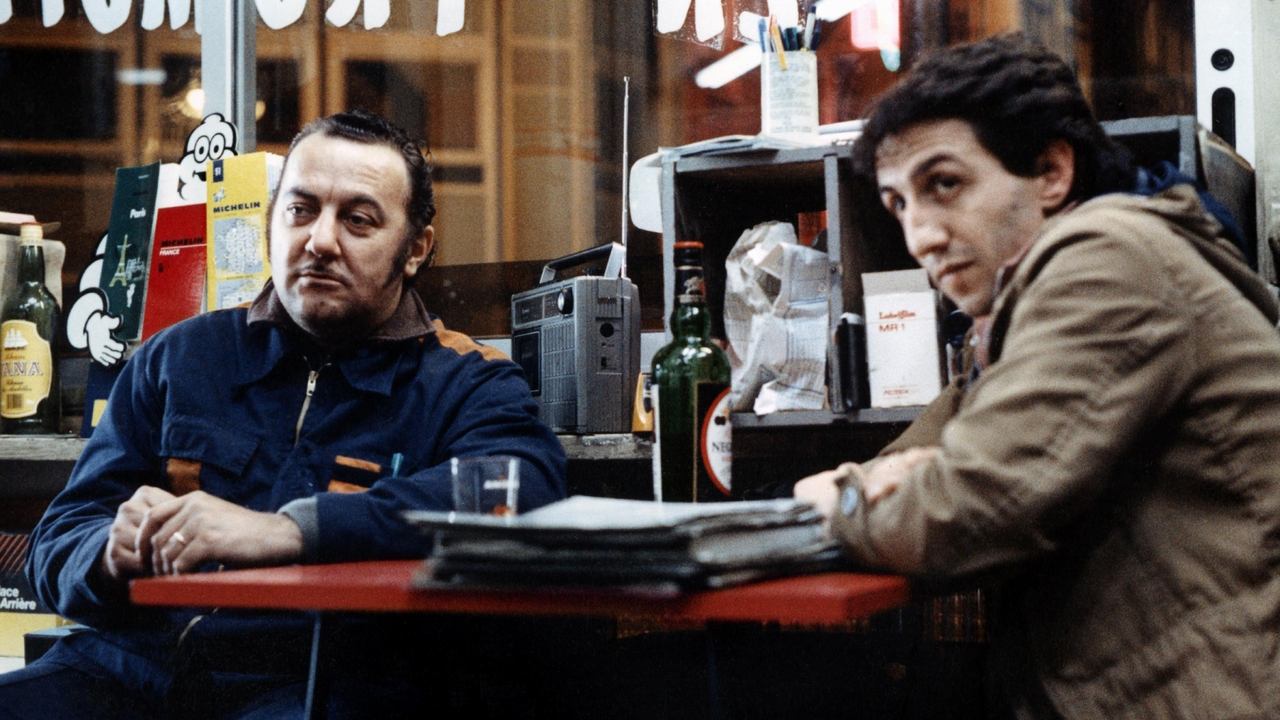
There are performances that surprise you, and then there are performances that feel like witnessing an actor shed their skin entirely, revealing something raw and unexpected underneath. Seeing Coluche, the beloved, boisterous clown of French comedy, inhabit the haunted shell of Lambert in Claude Berri's 1983 Tchao Pantin (better known stateside on worn VHS tapes as So Long, Stooge) is precisely that kind of seismic shift. It’s an experience that lodges itself in your memory, long after the grainy image fades from the CRT screen. This isn't just a departure; it's a gut-wrenching transformation that anchors one of the most potent and atmospheric French neo-noirs of the era.
Night Shifts and Shattered Lives
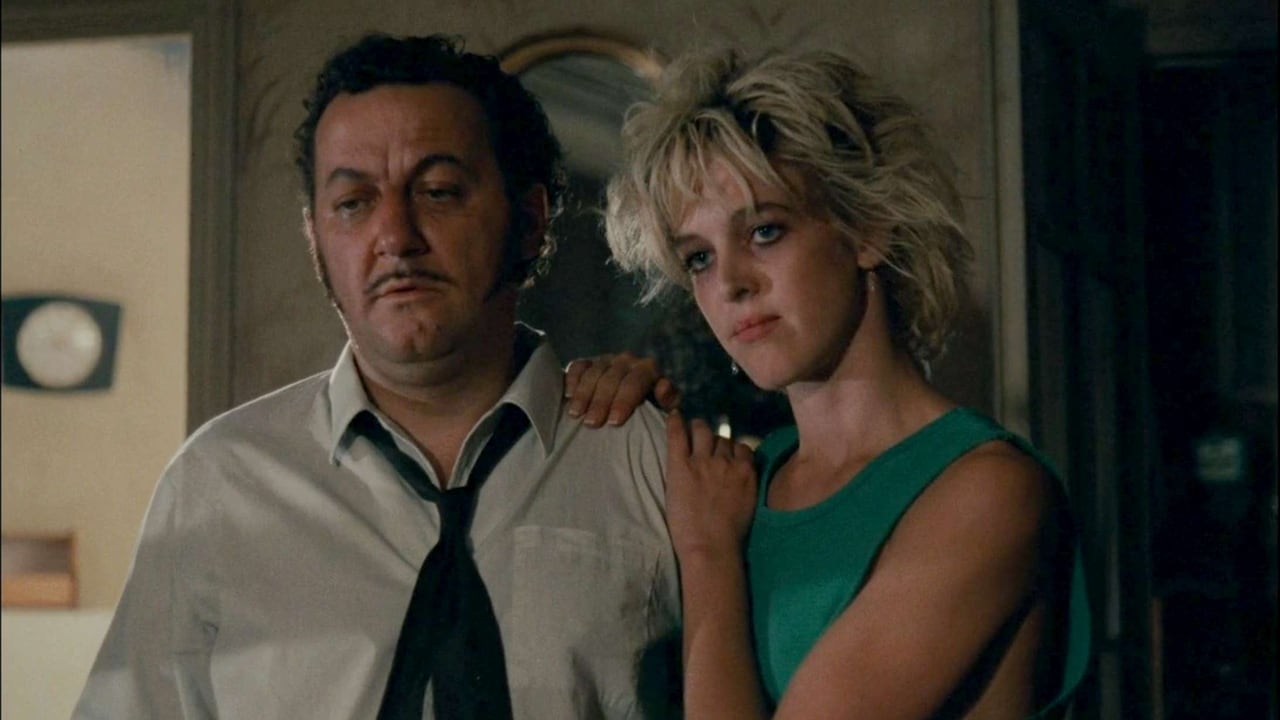
The film drops us into the greasy, nocturnal world of Lambert, a former cop drowning his grief and guilt in alcohol while working the graveyard shift at a desolate Parisian gas station. The Paris captured here by director Claude Berri and cinematographer Bruno Nuytten isn't the city of lights and romance; it's a landscape of rain-slicked streets, shadowy alleyways, and the lonely hum of fluorescent bulbs cutting through the dark. Lambert is a ghost haunting his own life, his interactions minimal, his existence reduced to the repetitive cycle of fueling cars and emptying bottles. The air hangs thick with unspoken tragedy, a weight Coluche carries in every slump of his shoulders, every vacant stare.
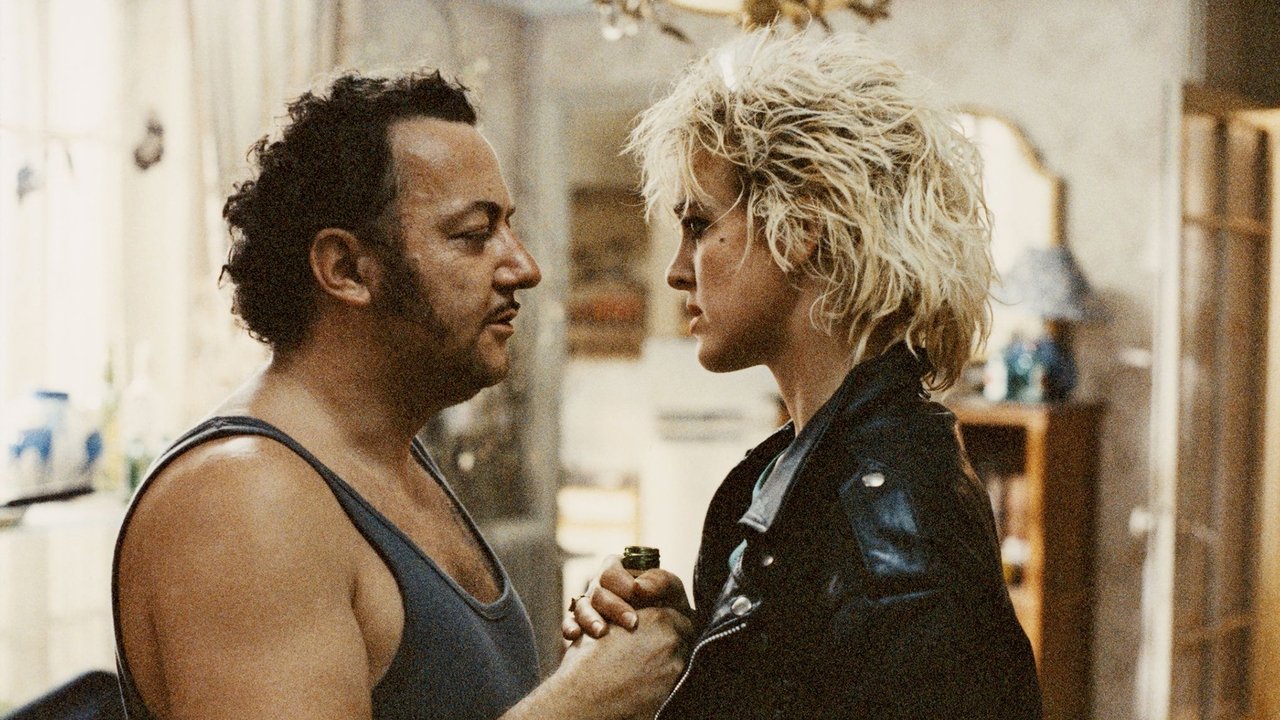
Into this carefully constructed void wanders Bensoussan (Richard Anconina), a young, small-time drug dealer of Tunisian Jewish descent. He’s quick-witted, street-smart, and possesses a nervous energy that starkly contrasts with Lambert's near-catatonic state. Initially, their connection is transactional, built on minor scams and shared loneliness. But gradually, improbably, a fragile bond forms. Bensoussan sees past Lambert’s gruff exterior, perhaps sensing a kindred lost soul, while Lambert finds in the younger man a flicker of the connection he thought long extinguished. It's a tentative father-son dynamic, forged in the shared space of societal margins.
A Comedian's Reckoning
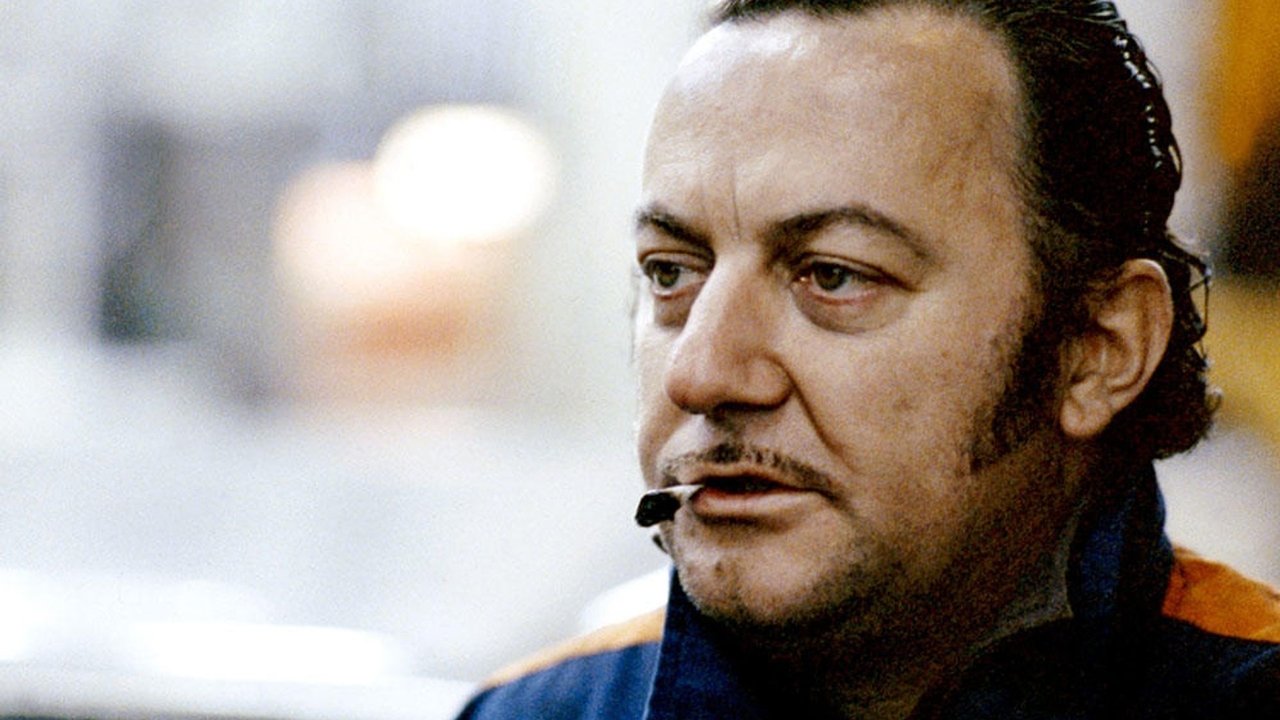
The absolute core of So Long, Stooge's power lies in Coluche. For French audiences in 1983, seeing their national comic icon, famous for his blue overalls and irreverent humour, embody such profound despair was reportedly staggering. It wasn't just a change of pace; it was a revelation. He internalizes Lambert's pain, conveying oceans of sorrow with minimal dialogue. The slight tremble in his hands, the way his eyes seem to absorb light without reflecting it – it’s a masterclass in understated agony. There’s a scene where Lambert simply listens to a song that reminds him of his lost son; the barely contained grief that plays across Coluche’s face is devastatingly authentic. It’s no surprise this performance earned him the César Award for Best Actor, a stunning validation of his dramatic range just a few years before his tragic death.
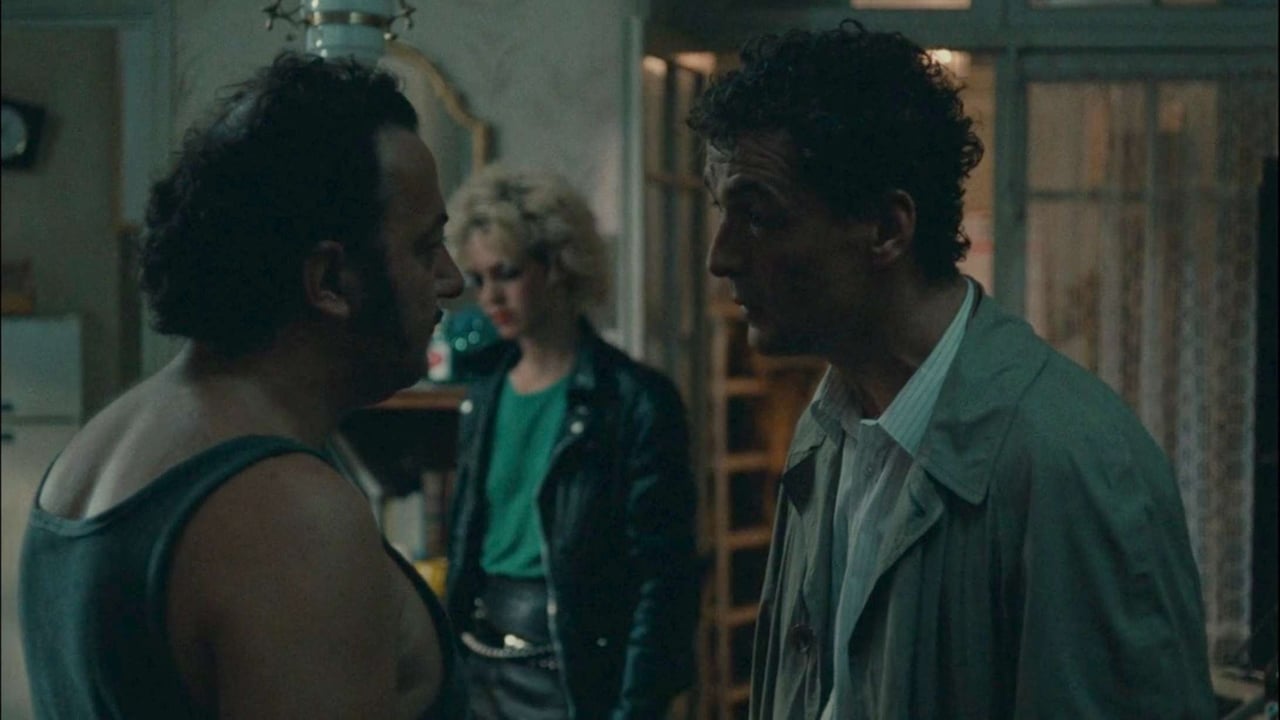
Equally impressive is Richard Anconina as Bensoussan. In what became a star-making turn, he perfectly captures the character's blend of surface bravado and underlying vulnerability. He’s navigating a dangerous world, trying to project confidence while clearly yearning for something more stable, something real. His chemistry with Coluche feels utterly genuine, making their unlikely friendship the bruised heart of the film. Anconina remarkably won two Césars for this single role: Best Supporting Actor and Most Promising Actor, a testament to his impact. Agnès Soral also delivers a memorable performance as Lola, a punk musician who drifts into Bensoussan's orbit, adding another layer of fleeting connection and inevitable risk.
Crafting the Parisian Night
Claude Berri, who would later give us the sweeping Provincial epics Jean de Florette (1986) and Manon des Sources (1986), demonstrates a very different skill set here. He crafts a film that feels claustrophobic despite its urban setting. The pacing is deliberate, allowing the oppressive atmosphere to seep into your bones. Nuytten's cinematography is crucial, painting Paris in cold blues and sickly yellows, emphasizing the isolation and decay. The gas station becomes a stark stage where lives intersect and unravel. This isn't just a crime story; it's an elegy for lost souls adrift in the indifferent city.
The film's plot, involving Bensoussan falling foul of dangerous criminals and Lambert’s subsequent descent into a quest for vengeance, follows some familiar noir/polar tropes. Yet, it feels less about the mechanics of the crime and more about Lambert’s grim resurrection. His past skills as a policeman resurface, but fueled now by a nihilistic despair rather than a sense of duty. The violence, when it comes, is brutal and unglamorous, underscoring the bleak reality these characters inhabit.
Retro Fun Facts & Lingering Shadows
Digging this one out on VHS, perhaps from a dusty shelf in the 'Foreign Films' section back in the day, always felt like unearthing something special, something darker and more substantial than the cover art might suggest. It’s fascinating to think that Berri adapted his own novel for the screen, giving him an intimate understanding of the characters' inner lives. The film was a significant critical and commercial success in France, proving audiences were ready to embrace a different side of Coluche. Does the narrative hold up perfectly? Perhaps some elements feel familiar within the genre now, decades later. But the emotional core, anchored by those performances, remains incredibly potent.
What truly lingers after watching So Long, Stooge? It’s the oppressive mood, the haunting image of Coluche behind that counter, and the profound sadness of lives derailed by grief and circumstance. It poses uncomfortable questions about redemption: can a man truly find purpose again when fueled purely by loss and vengeance? Is connection possible even in the most desolate corners of human experience?
Rating: 8.5/10
This score reflects the film's powerhouse performances, particularly Coluche's iconic dramatic turn, its masterful creation of atmosphere, and its unflinching look at grief and connection in the Parisian underworld. While the plot might tread some familiar noir ground, the execution and emotional depth elevate it significantly. It's a stark, beautifully melancholic piece of 80s French cinema that truly earns its place as a cult classic.
So Long, Stooge isn't a comforting watch, but it's a deeply affecting one. It reminds us that sometimes the most resonant stories are found not in grand gestures, but in the quiet despair and unexpected flickers of humanity found under the harsh neon lights. A challenging but rewarding gem from the VHS era.