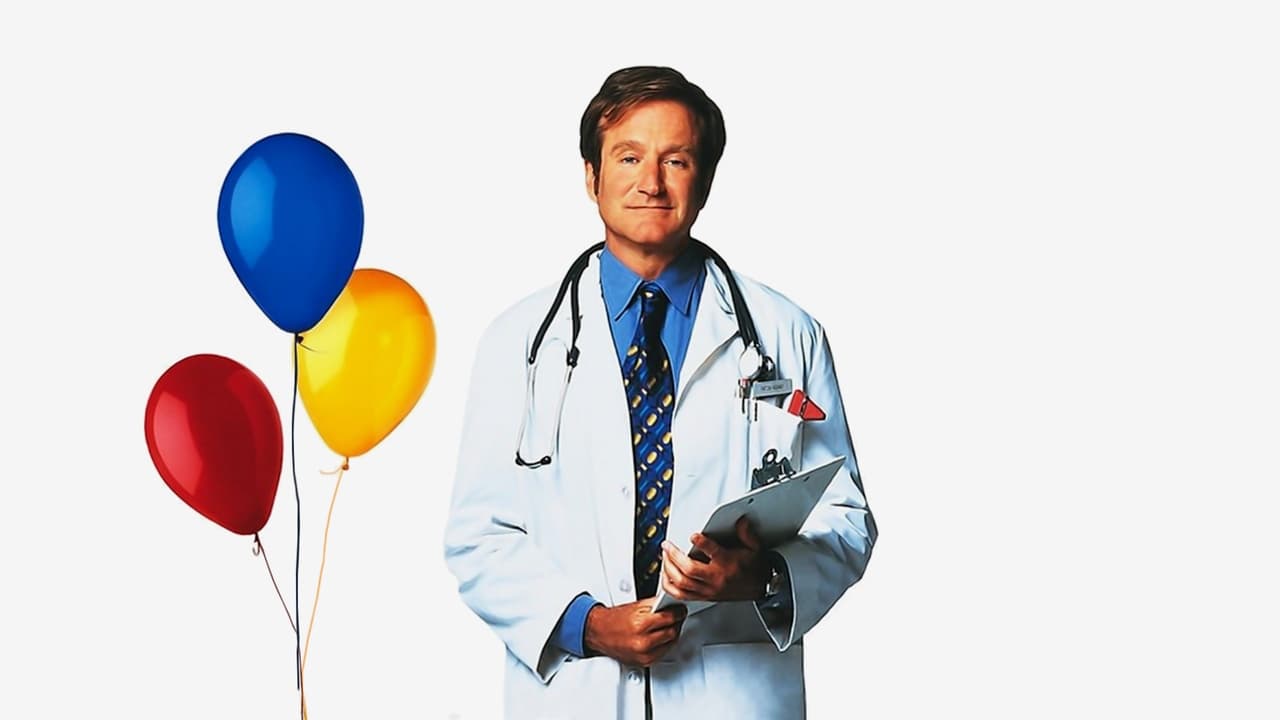
That red clown nose. For a moment in the late 90s, it felt like the most potent symbol in cinema – not just representing Robin Williams’ singular screen presence in Patch Adams (1998), but crystallizing a debate about how we care for each other, the role of empathy in medicine, and whether laughter truly is the best medicine. Watching it again now, on a screen far removed from the warm glow of a CRT, the film evokes a complex swirl of feelings: genuine warmth, a touch of nostalgic affection, and the undeniable shadow of its own controversies and sentimental leanings. It’s a film that aimed for the heart, and for many, myself included back then, it hit the mark, even if the aim sometimes felt a little broad.
The Williams Touch
You simply can't discuss Patch Adams without focusing on Robin Williams. Fresh off his well-deserved Oscar for Good Will Hunting (1997), he brought that same blend of manic energy and deep-seated vulnerability to Hunter "Patch" Adams, a man who checks himself into a mental institution only to discover his true calling: treating patients, not just diseases. Williams is the film’s undeniable engine. He sells the comedic interludes – the goofy props, the anarchic disruption of sterile hospital wards – with his signature brilliance. But it's in the quieter moments, the glimpses of Patch's own past pain fueling his ferocious empathy, where the performance truly resonates. He makes you believe in Patch's unwavering conviction that connection, laughter, and treating people with dignity are as vital as any prescription. Was it occasionally schmaltzy? Absolutely. But Williams grounds it in something fundamentally human. I remember being utterly captivated by his ability to pivot from laugh-out-loud absurdity to quiet, heartbreaking sincerity, often within the same scene. It felt like watching someone pour their entire soul onto the screen.
Laughter, Tears, and a Spoonful of Sugar
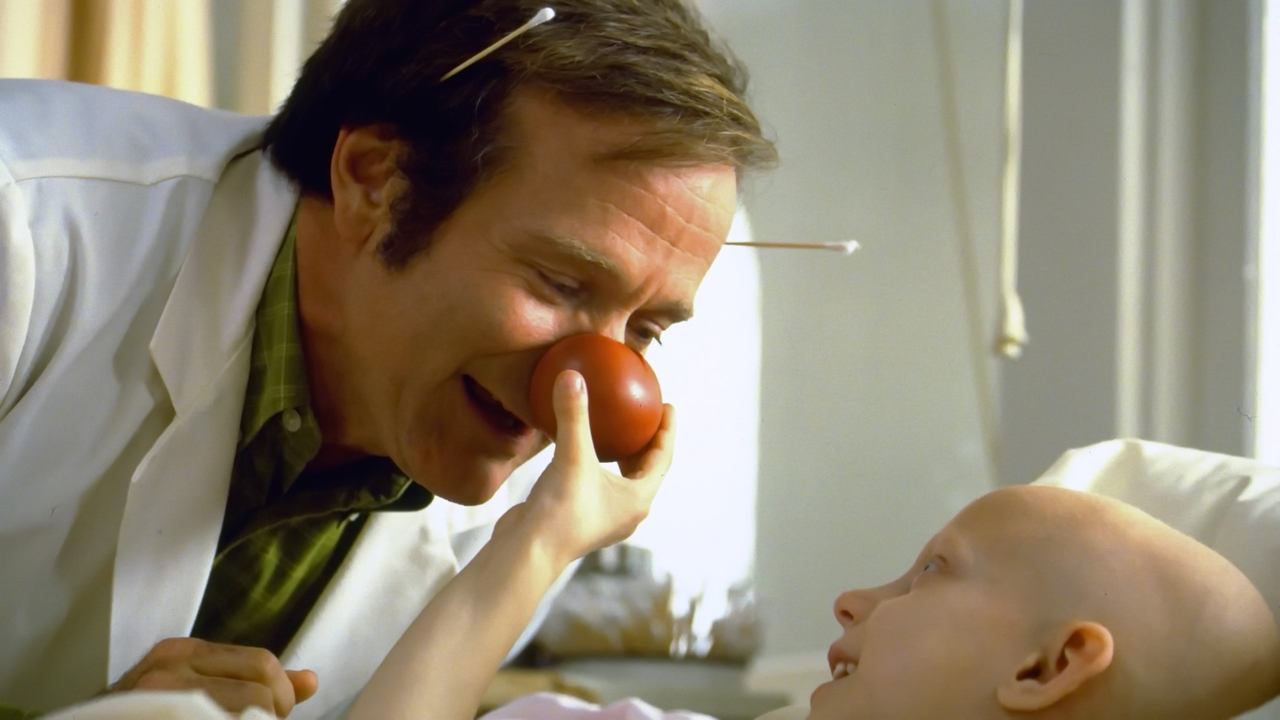
Directed by Tom Shadyac, known primarily for broader comedies like Ace Ventura: Pet Detective (1994) and Liar Liar (1997), Patch Adams represented a shift towards more dramatic territory. The film doesn't shy away from the emotional core of the story – dealing with depression, loss, and the often-impersonal nature of the medical establishment. Yet, it wraps these heavier themes in a fairly conventional, sometimes overly saccharine, package. The conflicts are clear-cut: Patch's joyful humanism versus the rigid, emotionally stunted traditionalism represented by the Dean Walcott (played with effective starchiness by Bob Gunton) and Patch’s initially skeptical, by-the-book roommate Mitch Roman (Philip Seymour Hoffman, already showcasing his incredible talent for conveying complex inner turmoil even in a somewhat thankless role).
The film’s sentimentality was a major point of contention for critics at the time, and revisiting it, you can see why. Moments designed to pull heartstrings sometimes feel manufactured, the score swells perhaps a bit too readily, and the narrative occasionally simplifies complex issues. Yet, there’s an earnestness to its message that’s hard to entirely dismiss. Doesn't the core idea – that kindness and human connection are vital, especially in our most vulnerable moments – still hold weight? The film argues passionately for seeing the person behind the patient chart, a message that, regardless of execution, feels perpetually relevant.
Behind the Curtain: Doctor vs. Film

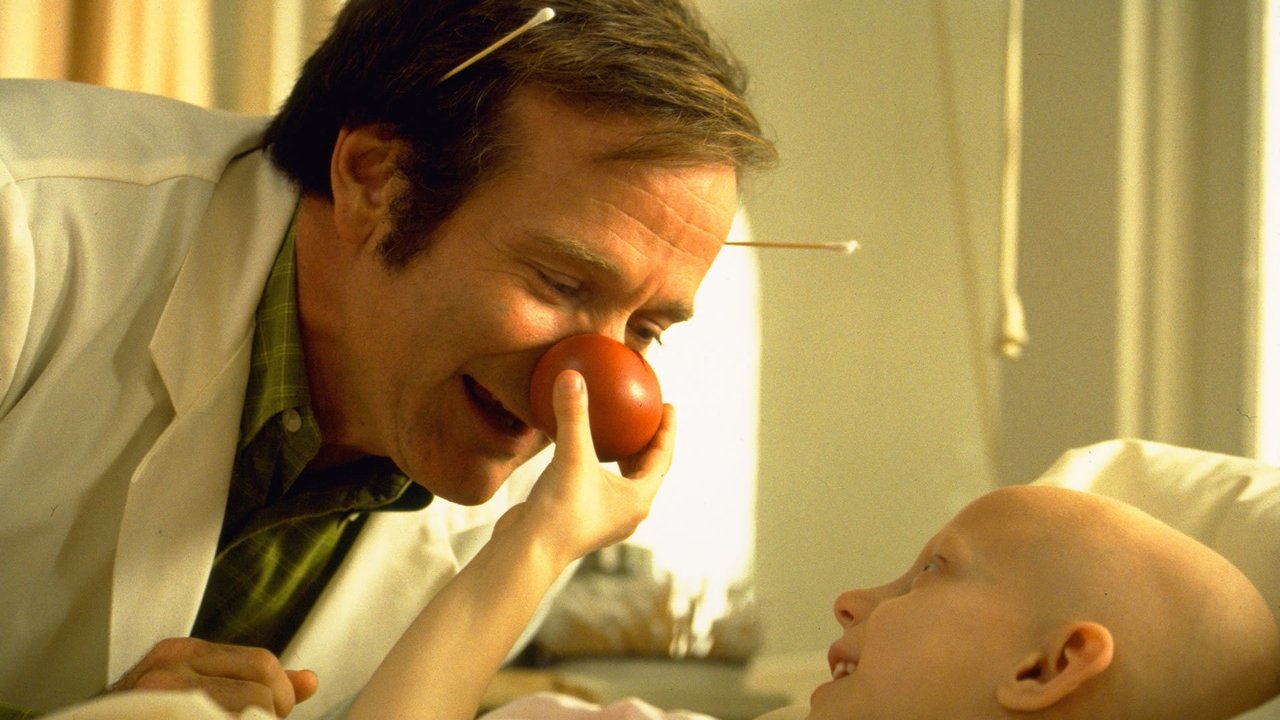
No discussion of Patch Adams is complete without acknowledging the elephant in the room: the reaction of the real Dr. Hunter "Patch" Adams. He famously criticized the film, feeling it significantly oversimplified his life's work and philosophy, reducing him to merely a "funny doctor" and glossing over the deeper sociopolitical critiques inherent in his founding of the Gesundheit! Institute. He felt the film prioritized easy sentiment over the radical, systemic changes he advocated for. It’s a crucial piece of context. Reportedly, Philip Seymour Hoffman also harbored reservations about the script's sentimentality during production. Despite this, and a critical drubbing (hovering around 22% on Rotten Tomatoes back then and now), the movie was a significant box office success, pulling in over $202 million worldwide against a reported budget somewhere in the $50-90 million range – a testament, perhaps, to Williams' star power and the audience's hunger for hopeful narratives.
It's also worth noting Williams' legendary improvisational skills were given significant room, adding layers to Patch's interactions. And for the eagle-eyed viewer, the real Dr. Adams apparently makes a brief, uncredited cameo appearance in the background of one of the university lecture scenes – a small, perhaps ironic, footnote in the film's history. Filming took place across scenic locations in California and North Carolina, providing a somewhat idealized backdrop for the story's blend of institutional critique and personal triumph.
Lasting Echoes
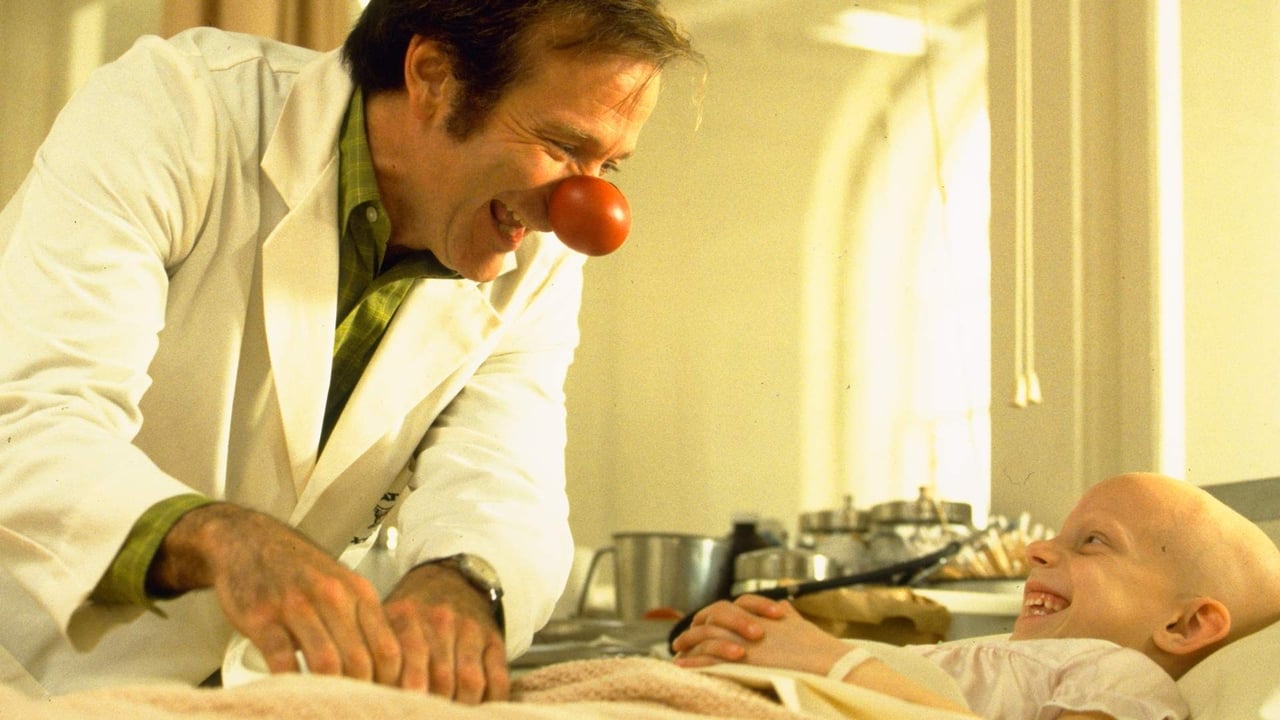
What lingers most after watching Patch Adams today? For me, it’s the enduring power of Robin Williams. His performance transcends the film's flaws, reminding us of his unique capacity for portraying profound humanity. The film itself, while perhaps not the nuanced masterpiece it could have been, served as a powerful vehicle for mainstream audiences to consider the importance of compassion in healthcare. It sparked conversations, even if the real Patch felt it didn't go far enough. Monica Potter as fellow student Carin Fisher provides a touching, if ultimately tragic, counterpoint to Patch's relentless optimism, grounding the film emotionally. The questions it raises – about challenging inflexible systems, about the definition of healing, about finding purpose through connection – still resonate, even if the cinematic language feels very much of its late-90s moment.
Rating: 6/10
This rating reflects the film's undeniable heart and the brilliance of Robin Williams' central performance, which elevates the material considerably. However, it's tempered by the noticeable sentimentality, the simplification of complex issues, and the valid criticisms raised by the real Patch Adams regarding the portrayal of his life and work. It succeeds more as a showcase for its star and a broadly appealing emotional journey than as a truly incisive biopic.
It remains a film that many, including myself, remember fondly from the video store shelves – a warm, well-intentioned movie powered by an unforgettable star, leaving you with a smile, maybe a tear, and certainly a renewed appreciation for the simple power of a heartfelt laugh.