There's a certain kind of cold that settles deep in the bones, isn't there? Not just the biting wind of a New England winter, but the internal chill of regret, resentment, and truths left unspoken. Watching Paul Schrader's Affliction (1998) again after all these years feels like pulling a heavy, frost-covered blanket around yourself. It’s a film that doesn’t just depict winter; it embodies it, burrowing into the psyche with an unnerving quiet that’s far more disturbing than any jump scare the decade had to offer. This wasn't the kind of movie you casually popped into the VCR expecting escapism; finding this on the shelf felt like uncovering something stark, adult, and profoundly uneasy.
The Weight of Unseen Wounds
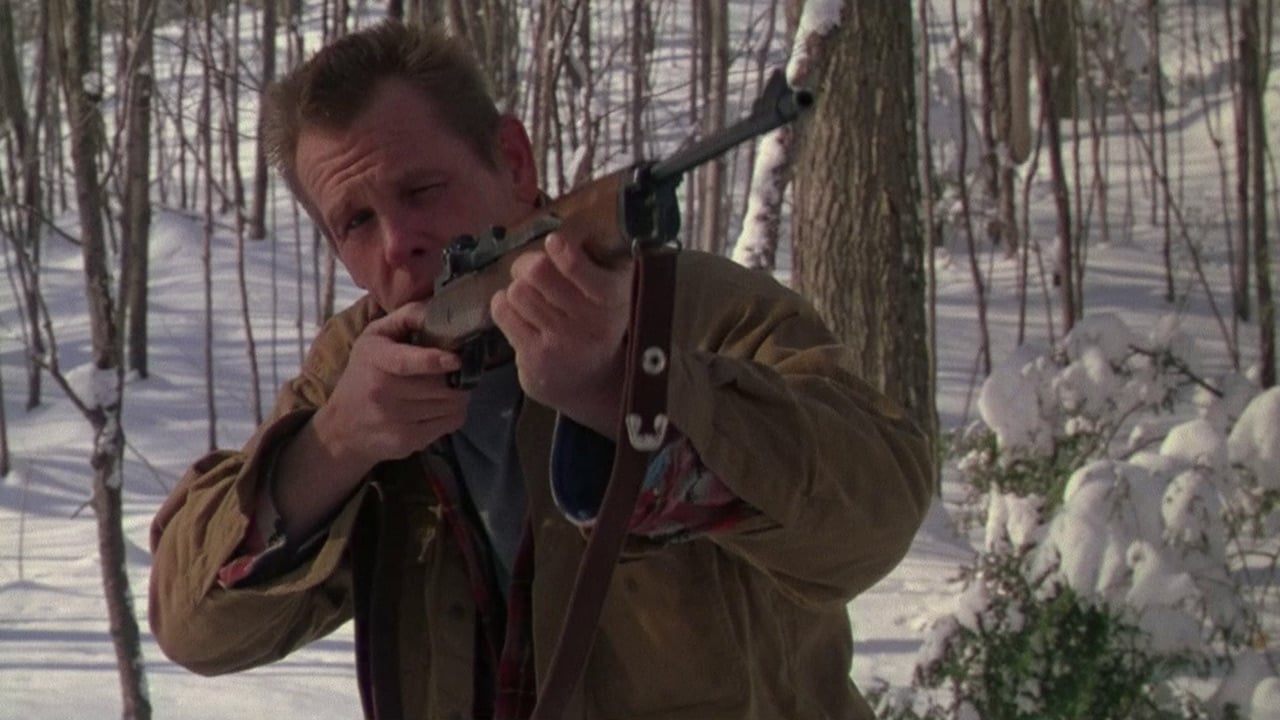
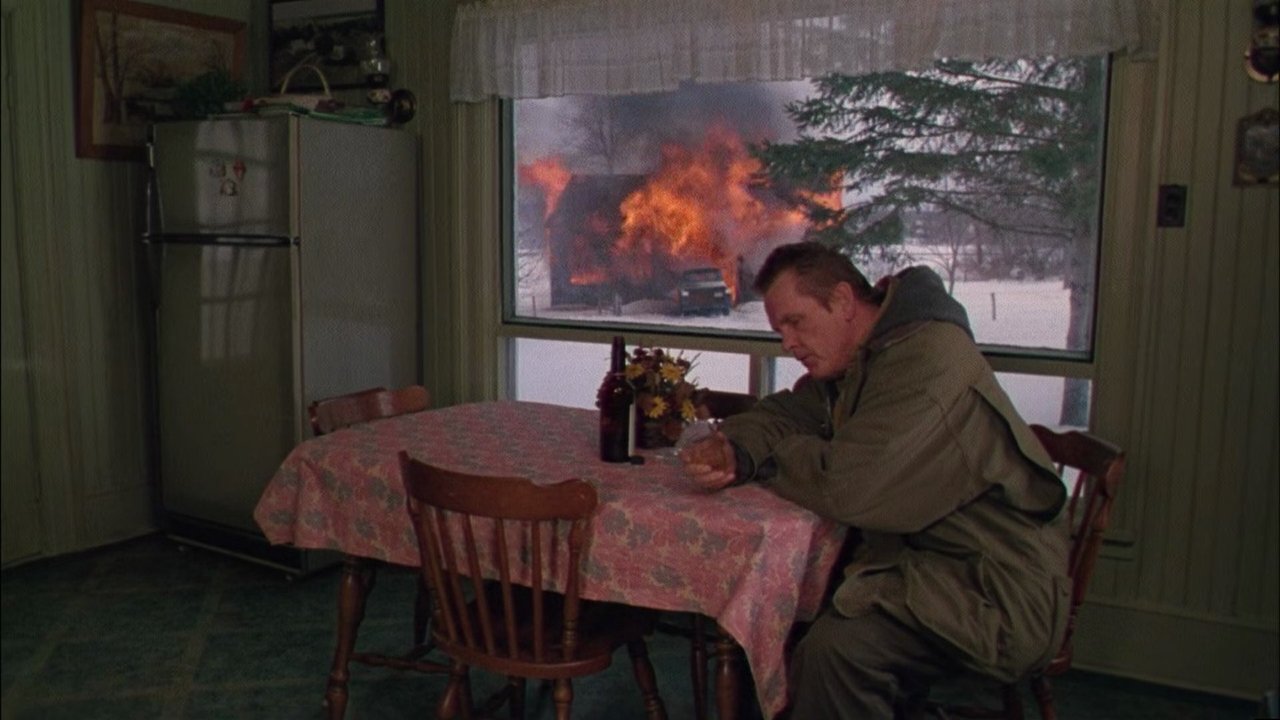
Based on the novel by Russell Banks, Affliction introduces us to Wade Whitehouse, played with devastating authenticity by Nick Nolte. Wade is a small-town policeman and well-driller in Lawford, New Hampshire, a place seemingly frozen in time and under perpetual snowfall. He’s a man visibly struggling – with a nagging toothache that serves as a painful, physical manifestation of his inner turmoil, with his ex-wife (a weary, pragmatic Mary Beth Hurt) over visitation rights for his daughter, and with the gnawing suspicion surrounding a recent hunting death that might not have been accidental. But beneath these immediate pressures lies a deeper, more corrosive affliction: the long shadow cast by his abusive father, Glen.
Nolte’s performance here is nothing short of monumental. He is Wade – the forced bonhomie barely masking a reservoir of rage, the lumbering physicality suggesting a man weighed down by generations of violence and disappointment. There’s a scene where Wade tries, desperately and awkwardly, to connect with his young daughter during a Halloween outing, and the blend of hope and inherent self-sabotage in Nolte's portrayal is simply heartbreaking. You see the man he wants to be, constantly undermined by the man he fears he is becoming. It’s a raw, unvarnished turn that feels less like acting and more like bearing witness. Apparently, Nolte gained weight and remained deeply immersed in the role throughout the demanding shoot, a dedication palpable in every frame.
A Father's Toxic Legacy
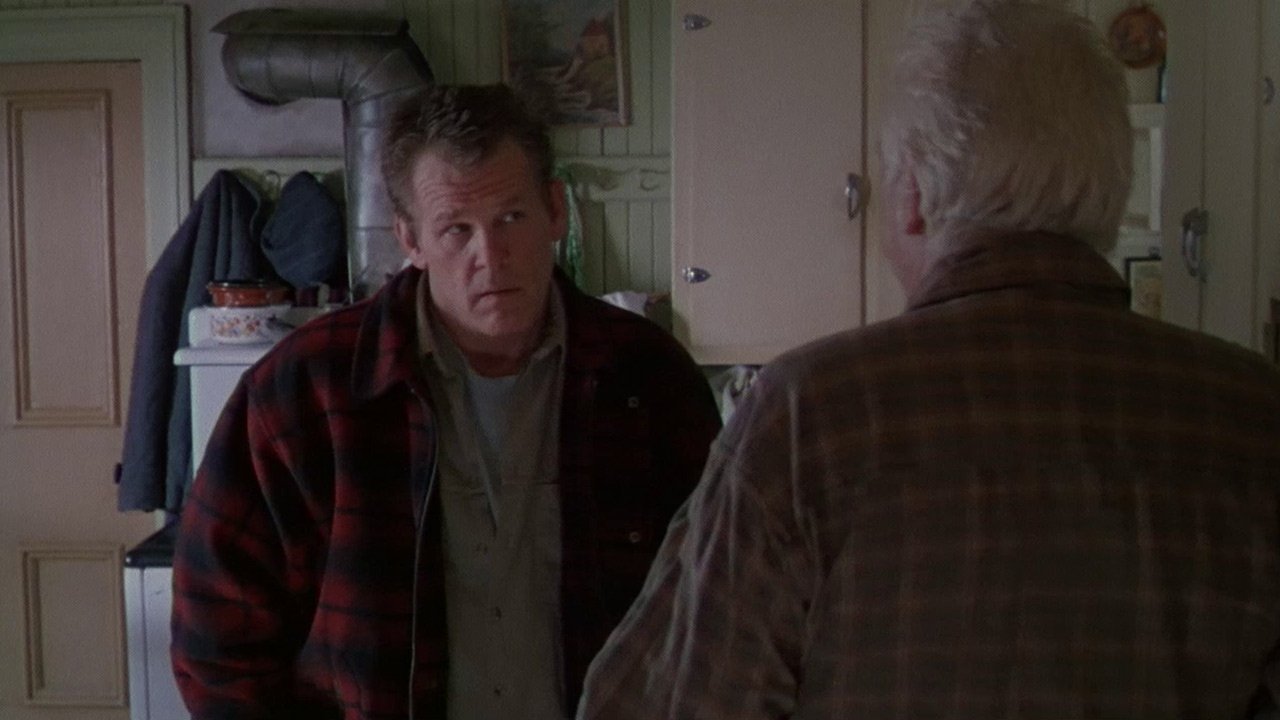
And then there’s Glen Whitehouse, embodied with terrifying conviction by James Coburn in a performance that rightfully earned him an Academy Award for Best Supporting Actor. Coburn, often known for his suave cool in films like The Magnificent Seven (1960) or the Our Man Flint movies, is utterly transformed here. Glen is a monster built of casual cruelty, drunken belligerence, and a profound emotional emptiness that he inflicts upon his sons. His scenes with Nolte crackle with a terrifying tension – the loaded silences, the sudden bursts of verbal venom, the constant threat of physical violence simmering just beneath the surface. It’s a masterclass in portraying the insidious nature of abuse, how it poisons everything it touches.
It's fascinating to learn that Coburn was reportedly Paul Schrader's fifth choice for the role, after legends like Marlon Brando and Robert Mitchum were unavailable or passed. Sometimes, cinematic history hinges on such moments; it's almost impossible now to imagine anyone else capturing Glen's specific brand of chilling menace so perfectly. The dynamic between Nolte and Coburn forms the film's bleak, beating heart – a devastating portrait of how violence begets violence, how trauma echoes down through generations.


Schrader's Unflinching Gaze
As a director and writer, Paul Schrader has always been drawn to characters wrestling with profound moral and existential crises – think of his scripts for Taxi Driver (1976) or Raging Bull (1980). Affliction fits perfectly within his thematic obsessions. He films the snow-covered landscape not as picturesque, but as isolating and oppressive. The colour palette is muted, drained, reflecting the emotional landscape of its characters. Schrader refuses easy answers or catharsis. He forces us to sit with Wade’s disintegration, to understand the complex interplay of personal choice and inherited damage.
The narration, provided by Wade’s brother Rolfe (Willem Dafoe), adds another layer, offering a perspective that is both intimate and detached, hinting at the inevitability of the tragedy unfolding. It frames Wade's story as a cautionary tale, a foregone conclusion written in the blood and bitterness of the past. Shot on a relatively modest budget (around $6 million), the film achieves its power not through spectacle, but through its claustrophobic atmosphere and the sheer intensity of its performances, including a quietly resilient Sissy Spacek as Wade's girlfriend Margie, representing a potential path to stability that Wade seems tragically incapable of fully grasping.
The Lingering Chill
Affliction isn’t an easy watch. It wasn't then, tucked away perhaps in the 'Drama' section of the video store, and it isn't now. It offers little comfort, exploring the darkest corners of masculinity, inadequacy, and the cycles of abuse with an honesty that can feel brutal. Yet, its power is undeniable. It stays with you, this portrait of a man crumbling under the weight of his past, unable to escape the patterns ingrained in him. Doesn't it force us to consider how subtly, or overtly, our own histories shape our present battles?
Rating: 9/10
This near-masterpiece earns its high rating through its unflinching honesty, Schrader’s controlled direction, and two towering performances from Nolte and Coburn that rank among the best of their careers and the decade. The atmosphere is perfectly realised, and the exploration of its difficult themes is profound and deeply affecting. It might lose a point only for its sheer, unremitting bleakness, which can be overwhelming, but its artistry is undeniable.
Affliction remains a stark reminder of the devastating power of unspoken histories and the cold, hard struggle for grace in a world that often feels unforgiving. It’s a film that doesn’t just haunt; it chills you to the core, long after the tape hiss fades.