The salt spray hangs heavy in the air, thick with unspoken menace. Not from the sea, but from the simmering rage of Jennifer Spencer, an artist whose idyllic life was shattered by a brutal assault years prior. Her methodical quest for vengeance forms the dark, chilling heart of Clint Eastwood's 1983 return to his most iconic role in Sudden Impact. This wasn't just another Dirty Harry movie; it felt different, colder, settling under your skin in a way the earlier, more straightforward installments hadn't. It carried the weight of trauma and the grim satisfaction of retribution, viewed through the smoky lens of 80s pulp.
### A Different Kind of Darkness
Forget the sun-drenched streets of San Francisco for a moment. While Harry Callahan starts there, dispensing his usual brand of justice that lands him in hot water with superiors like Captain Briggs (Bradford Dillman, bringing weary authority), the film soon relocates him. Sent to the fictional coastal town of San Paulo (brought to life by the atmospheric locales of Santa Cruz, California) to cool his heels while investigating a seemingly unrelated murder, Harry finds himself drawn into a series of killings that mirror Jennifer's traumatic past. It's here, away from the familiar urban sprawl, that Sudden Impact finds its unique, brooding identity. The seaside setting, often used for romance or relaxation, becomes claustrophobic and unsettling, a backdrop for grim determination and escalating violence.
Clint Eastwood, pulling double duty as star and director (the only time he directed himself as Harry Callahan), crafts a film that feels distinctly his. It’s leaner, meaner, and perhaps more introspective than previous entries helmed by greats like Don Siegel (Dirty Harry) or Ted Post (Magnum Force). Eastwood lingers on the psychological toll, both on Harry, who seems wearier and more isolated than ever, and particularly on Jennifer Spencer, portrayed with unnerving intensity by Sondra Locke. Locke, Eastwood's frequent collaborator and partner at the time, delivers a performance that's both sympathetic and deeply disturbing. Her quiet resolve as she stalks and executes her tormentors is captivating, blurring the lines between victim and avenger. It’s a challenging role, dealing with harrowing subject matter, and Locke navigates it with a chilling stillness that’s hard to shake.

### "Go Ahead, Make My Day"
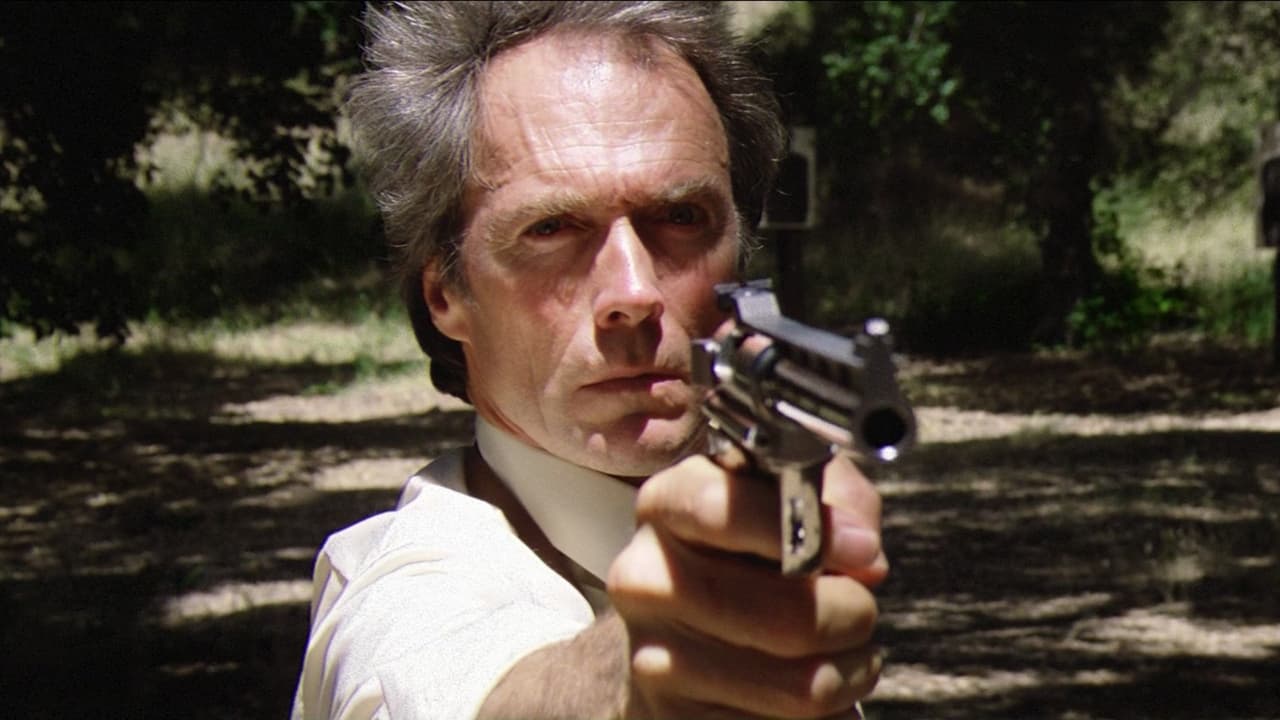
Of course, you can't talk about Sudden Impact without the line. During an armed robbery at his regular coffee stop early in the film, Harry confronts a hostage-taker, levels his new .44 AutoMag pistol (a beastly upgrade even from his iconic Model 29), and utters the phrase that instantly entered the pop culture lexicon: "Go ahead, make my day." It’s a moment of pure cinematic badassery, perfectly encapsulating Harry's blend of weary cynicism and willingness to cross the line. Interestingly, the line's origin is debated – sometimes credited to co-writer Charles B. Pierce from an earlier script treatment, sometimes to Eastwood himself improvising or refining it. Regardless, its impact was immediate and immense, quoted endlessly and even invoked by President Ronald Reagan. It became the defining moment of the film, perhaps even overshadowing the darker, more complex narrative thread involving Jennifer Spencer for many viewers browsing the aisles of the video store. Seeing that iconic tagline on the VHS box promised a certain kind of thrill.
The script itself, penned by Joseph Stinson based on earlier concepts by Earl E. Smith and Charles B. Pierce, wasn't originally intended as a Dirty Harry vehicle. Eastwood saw the potential in the dark, rape-revenge narrative to explore new facets of his aging character. This repurposed origin might explain why Sudden Impact feels somewhat tonally distinct from its predecessors. It grafts Harry onto a plot that could almost stand alone, creating an interesting dynamic where the traditional lone-wolf cop encounters a vigilante whose motives are, in their own twisted way, understandable, perhaps even relatable to Harry's own frustration with the system.

### Crafting the Chill
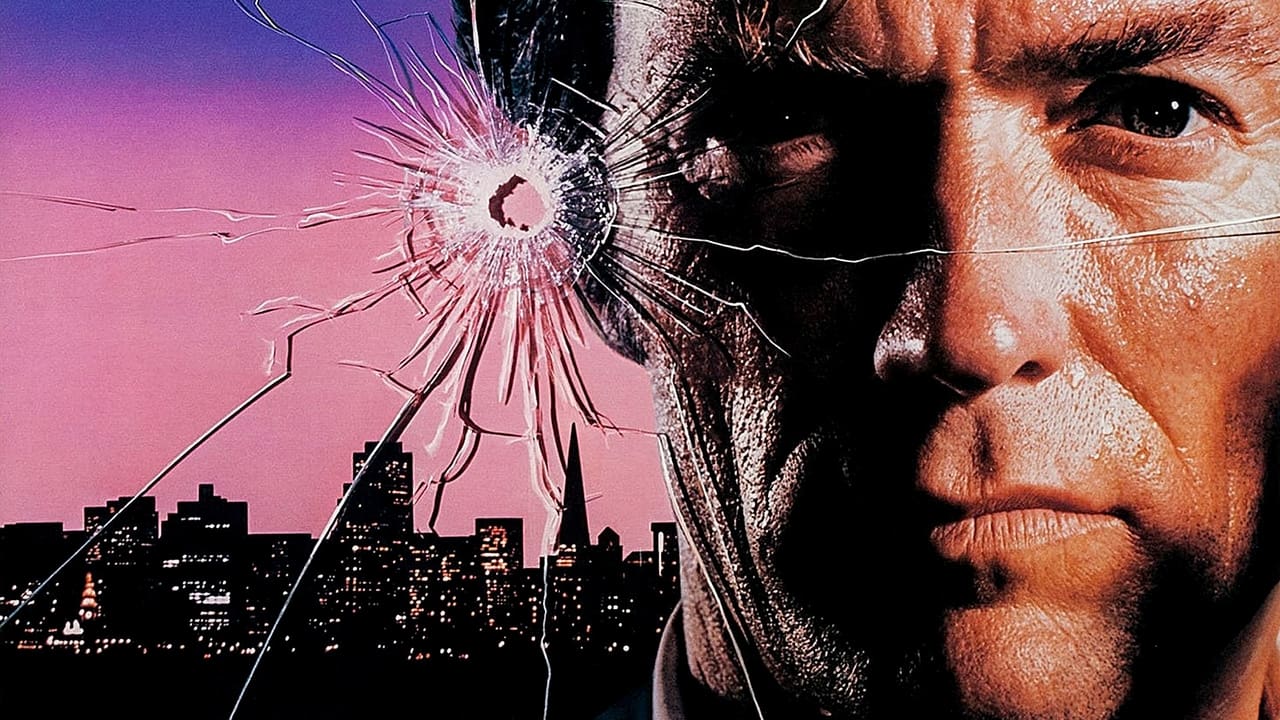
Eastwood's direction favors atmosphere over frantic action, although the requisite shootouts are present and brutally efficient. The score by Lalo Schifrin, returning to the franchise, feels darker and more synthesized than his iconic jazz-infused work on the original Dirty Harry, reflecting the grim 80s tone. The practical effects, particularly surrounding Jennifer's methods of execution (one involving a uniquely horrifying application of ballistics), retain a visceral, unpleasant quality that CGI often smooths over today. There's a tactile griminess to the violence that feels characteristic of the era's R-rated thrillers. You also get reliable character work from actors like Pat Hingle, returning as the perpetually exasperated Chief Jannings, providing a familiar anchor amidst the grim proceedings.
The film wasn't without its detractors, facing criticism for its bleakness and handling of vigilantism and sexual assault. Yet, it resonated strongly with audiences, becoming the highest-grossing film in the Dirty Harry series (pulling in over $67 million domestically in 1983, roughly $200 million today). It proved Callahan still had considerable firepower at the box office, even as the character, and the actor playing him, navigated the changing landscape of 80s action cinema. Watching it again now, the "Sudden Impact VHS memories" bring back that feeling of discovering a tougher, bleaker Callahan, one wrestling with ambiguity in a way he hadn't quite before.
### Final Verdict
Sudden Impact stands as a dark, potent entry in the Dirty Harry saga, notable for Clint Eastwood's atmospheric direction and Sondra Locke's chilling performance. While the iconic "Make my day" line secured its place in pop culture history, the film offers more than just quotable bravado. It delves into uncomfortable territory, presenting a grim narrative of trauma and revenge that feels distinct within the franchise. The pacing occasionally lags, and the handling of its central themes remains provocative, but its moody intensity and Eastwood's commanding presence anchor the film effectively. It successfully transported Callahan into the bleaker cinematic landscape of the 80s, delivering a gritty thriller that still packs a punch.

Rating: 7.5/10
Justification: The film earns points for its effective atmosphere, Eastwood's dual role as capable director and iconic star, Locke's compelling performance, and delivering one of cinema's most legendary lines. The gritty tone and exploration of darker themes are impactful. Points are slightly deducted for some uneven pacing and the controversial nature of its core plot, which might sit uneasily with modern sensibilities despite its effectiveness as a bleak thriller within its 80s context.
Sudden Impact remains a fascinating artifact of its time—a bridge between the gritty cop thrillers of the 70s and the bleaker, more complex action landscape of the 80s. It showed that even an established icon like Dirty Harry could explore darker corners, leaving audiences with a lingering chill long after the tape stopped rolling. Doesn't that final confrontation on the pier still feel remarkably tense?